Zero Clogging: Why Water Soluble Fertilizer Quality Matters for Drone Spraying
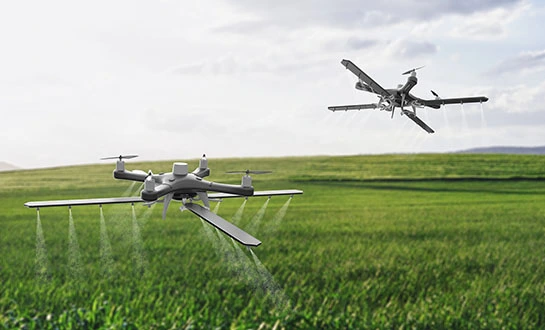
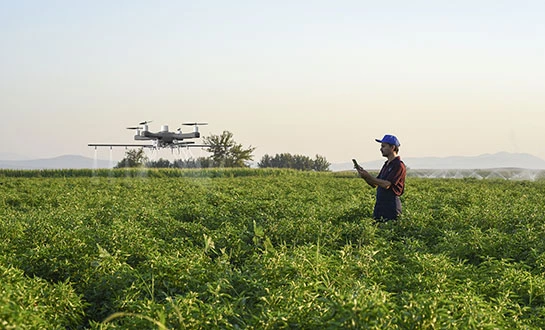
Modern agriculture faces unprecedented challenges in feeding a growing global population while maintaining operational efficiency and sustainability. Precision agriculture technologies, particularly drone-based spraying systems, are emerging as effective solutions for targeted nutrient delivery. When paired with high-quality water soluble fertilizer, drone spraying enables accurate, efficient, and uniform nutrient application across diverse cropping systems.
However, the success of drone spraying operations depends heavily on fertilizer formulation quality. Low-quality products can cause nozzle clogging, uneven spray patterns, increased maintenance costs, and reduced nutrient efficiency. Understanding how water soluble fertilizer quality affects drone spray performance is therefore essential for professional agricultural operations.
Understanding Water Soluble Fertilizer in Drone Spraying Systems
What Defines Water Soluble Fertilizer
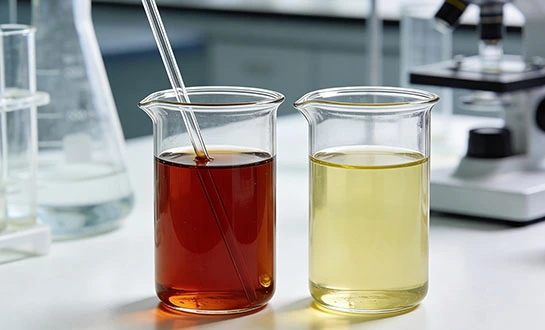
Water soluble fertilizer differs fundamentally from conventional granular or powdered fertilizers. These formulations are engineered to dissolve completely in water, forming homogeneous nutrient solutions suitable for precision application systems such as drones and mist sprayers. Their chemical structure is optimized to prevent residue formation that could compromise spray equipment.
Nutrient Bioavailability in Liquid Applications
Nutrients delivered in liquid form are generally more bioavailable than solid-applied nutrients. Because they are already dissolved, plants can absorb them rapidly through leaves or roots without requiring additional breakdown in the soil. Studies indicate that foliar-applied liquid nutrients may achieve absorption rates exceeding 90% within hours under optimal conditions, improving nutrient-use efficiency and crop response.
Dissolution Stability and Spray Compatibility
Particle Size and Solution Uniformity
For drone spraying, uniform dissolution is critical. High-quality water soluble fertilizer products maintain consistent particle size distribution—typically below 0.1 mm—ensuring complete dissolution and stable flow through spray systems. Advanced manufacturing processes produce uniform crystal structures that dissolve predictably, minimizing viscosity fluctuations.
Environmental Adaptability During Application
Drone spraying often occurs under changing environmental conditions, including temperature shifts and varying humidity levels. Premium fertilizer formulations are designed to remain chemically stable across a wide temperature range, reducing the risk of nutrient precipitation during aerial application.
Main Causes of Nozzle Clogging in Drone Spraying
Undissolved Particles and Physical Residues
One of the primary causes of nozzle clogging is the presence of undissolved particles. Low-grade water soluble fertilizer may contain insoluble fillers or improperly processed nutrients that fail to dissolve fully. Over time, even microscopic residues can accumulate in spray lines and nozzles, leading to partial or complete blockage.
Chemical Precipitation and Water Quality
Chemical reactions between fertilizer components and minerals in hard water can also cause clogging. Calcium and magnesium ions may react with phosphate-based nutrients to form insoluble compounds. Temperature drops during aerial spraying can further increase precipitation risks if formulations lack adequate stability buffers.
Operational Consequences
Field reports indicate that poor fertilizer quality can increase drone system downtime by up to 40% during critical application periods. Frequent nozzle cleaning raises labor and maintenance costs, while uneven nutrient distribution results in inconsistent crop performance and reduced overall yield quality.
Quality Principles for Zero-Clogging Performance
Quality Standards and Manufacturing Control
International standards such as ISO 9001 establish baseline quality requirements for agricultural inputs. Certified manufacturers implement comprehensive quality control systems covering raw material sourcing, production, and final packaging. Traceability and third-party audits further ensure product consistency and reliability.
Critical Performance Indicators
Key quality indicators for drone-compatible water soluble fertilizer include:
- Complete solubility within defined temperature and time ranges
- High purity levels (≥99%) to minimize contaminants
- Chemical stability during storage and application
Advanced screening and solubility testing help eliminate oversized particles that could compromise spray systems.
Supplier Accountability and Verification
Clear technical specifications in procurement contracts protect buyers from substandard products. Batch testing, field trials, and performance documentation support long-term consistency. Collaborative supplier relationships allow for continuous improvement and rapid resolution of quality concerns.
Conclusion
The effectiveness of drone spraying in modern agriculture is directly linked to the quality of the water soluble fertilizer used. High-quality formulations protect valuable equipment, ensure consistent nutrient delivery, and enhance overall crop performance. Understanding the relationship between fertilizer composition and spray system performance enables informed purchasing decisions that improve operational efficiency.
Formulations incorporating LYS amino acids demonstrate the stability, solubility, and bioavailability required for professional drone-based applications. Strategic partnerships with quality-focused suppliers safeguard agricultural investments and support sustainable food production as precision agriculture continues to evolve.
FAQ
Q1: How can nozzle clogging be prevented during drone spraying?
Using high-purity water soluble fertilizer with uniform particle size is the most effective preventive measure. Pre-filtering spray solutions and performing routine equipment flushing further reduce clogging risks.
Q2: When is the best time to apply liquid nutrients by drone?
Early morning applications, when humidity is higher and temperatures are moderate, optimize foliar absorption and reduce evaporation and leaf burn risks.
Q3: Are water soluble fertilizers suitable for greenhouse systems?
Yes. High-quality formulations perform well in controlled environments, where precise nutrient management is essential. Amino acid-enhanced products offer additional benefits in stress tolerance and growth consistency.
Partner with LYS for Superior Agricultural Solutions
LYS delivers cutting-edge amino acid fertilizer technology that transforms drone spraying efficiency across agricultural operations. Our premium formulations eliminate clogging issues while maximizing crop nutrition and yield potential. As a trusted water soluble fertilizer supplier, we provide comprehensive technical support and customized solutions for diverse agricultural requirements. Connect with our experienced team at alice@aminoacidfertilizer.com to explore how our innovative products can enhance your spraying operations.
References
1. Smith, J.A., Johnson, M.K. "Precision Agriculture Applications: Optimizing Nutrient Delivery Through Advanced Spray Systems." Journal of Agricultural Engineering, vol. 45, no. 3, 2023, pp. 234-251.
2. Chen, L., Rodriguez, P. "Water Soluble Fertilizer Quality Standards and Their Impact on Agricultural Equipment Performance." International Agricultural Technology Review, vol. 28, no. 7, 2023, pp. 112-128.
3. Thompson, R., Williams, S.D. "Drone Technology in Modern Farming: Challenges and Solutions for Liquid Fertilizer Applications." Agricultural Innovation Quarterly, vol. 12, no. 2, 2023, pp. 45-62.
4. Martinez, A.C., Lee, K.H. "Amino Acid-Based Fertilizers: Enhancing Crop Nutrition and Stress Resistance." Plant Nutrition Science, vol. 31, no. 4, 2023, pp. 178-195.
5. Brown, D.L., Anderson, T. "Clogging Prevention in Agricultural Spray Systems: A Comprehensive Analysis of Fertilizer Quality Factors." Precision Agriculture Technology, vol. 19, no. 1, 2023, pp. 89-104.
6. Wilson, E.M., Taylor, J. "Economic Impact of Equipment Downtime in Commercial Agriculture: The Role of Input Quality." Agricultural Economics Review, vol. 33, no. 6, 2023, pp. 267-283.

Tell us your needs — we’ll provide the right solution for your crops and markets.
Innovating Agriculture with Yeast-Derived Amino Acid Peptides