Tomato Fertilizers: Managing Viral Stress and Yield Stability
Effective tomato fertilization is a critical factor in achieving stable yields and maintaining plant health, particularly as viral pressure on tomato crops continues to increase worldwide. Modern tomato production requires more than standard NPK-based nutrition programs. It increasingly depends on integrated fertilizer strategies that support plant immunity, physiological balance, and resilience to viral stress.
Viral infections can significantly reduce productivity by disrupting plant metabolism, weakening growth, and in severe cases causing complete crop failure. As a result, selecting appropriate tomato fertilizer formulations has become a key management decision for growers seeking long-term yield stability and sustainable production.
Understanding Tomato Fertilizers and Their Role in Viral Stress Management
Nutrient Balance Across Tomato Growth Stages
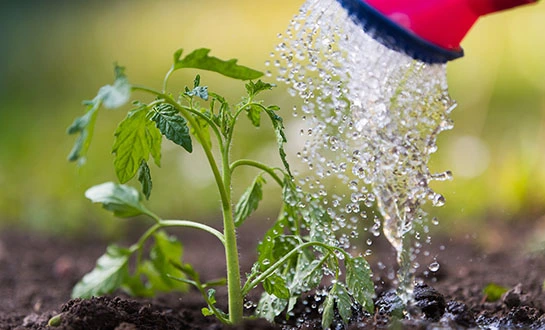
Tomato fertilizer programs must be adapted to the plant’s developmental stages. Early growth requires balanced nutrient ratios to establish healthy roots and foliage, while later stages demand targeted adjustments to support flowering and fruit development.
Phosphorus-rich formulations are particularly important during flowering and fruit set, while potassium becomes increasingly critical during fruit enlargement and ripening. Calcium and magnesium play supporting roles by maintaining cell structure and photosynthetic efficiency, both of which are essential for plant resilience under viral stress.
Nutritional Influence on Viral Stress Response
Plant nutrition directly affects a tomato plant’s ability to tolerate viral pressure. Adequate nutrient availability supports stronger cell walls, efficient energy transfer, and balanced growth, all of which help limit the physiological damage caused by viral infections. Conversely, nutrient imbalances may increase susceptibility to disease and reduce recovery capacity.
Essential Nutrients Supporting Viral Resistance in Tomato Plants
Macronutrients and Their Functional Roles
Nitrogen is essential for vegetative growth and early canopy development, but excessive nitrogen application can result in overly lush foliage that diverts energy away from fruit production and may increase disease susceptibility. Careful nitrogen management is therefore critical.
Phosphorus supports root development, flowering, and fruit formation, making formulations such as 5-10-10 or 10-20-10 suitable during reproductive stages. Potassium regulates water balance, enzyme activity, and carbohydrate transport, contributing directly to fruit quality and stress tolerance.
Micronutrient Synergies in Disease Prevention
Micronutrients complement macronutrients by strengthening physiological and biochemical defense mechanisms. Calcium deficiency is closely associated with blossom-end rot and reduced fruit firmness, while magnesium is essential for chlorophyll synthesis and enzyme activation.
Trace elements such as zinc and boron contribute to cell wall integrity and metabolic regulation, supporting pathways involved in disease resistance and recovery from stress.
Organic Matter and Soil Health Integration
Organic matter plays a foundational role in tomato fertilizer strategies. Compost improves soil structure, enhances microbial activity, and provides slow-release nutrients that support consistent plant growth. Organic amendments such as bone meal supply phosphorus and calcium, while fish-based inputs provide readily available nitrogen without excessive stress on plants.
Comparing Tomato Fertilizer Types for Commercial Production
Chemical and Organic Fertilizer Performance
Chemical tomato fertilizer products offer precise nutrient control and rapid correction of deficiencies, which can be critical during periods of acute viral stress. Their predictable nutrient release allows growers to respond quickly to changing plant needs.
Organic fertilizers contribute to long-term soil health by improving nutrient cycling and microbial diversity. While their nutrient release is slower, they help establish resilient production systems. Many commercial operations adopt integrated programs that combine both approaches to balance immediate performance with sustainability.
Fertilizer Formulations and Application Methods
Liquid tomato fertilizer formulations are particularly effective in hydroponic systems and foliar applications, where rapid nutrient uptake is required. These products are often used during stress periods when immediate plant response is essential.
Granular fertilizers provide sustained nutrient release and are well suited for large-scale field production. Controlled-release formulations reduce labor requirements and help maintain consistent nutrient availability throughout extended growth periods.
Brand Reliability and Supply Chain Stability
Established fertilizer brands offer standardized quality control, consistent formulations, and technical support services, which are valuable for large-scale procurement. Regional suppliers may provide cost advantages and formulation flexibility, but consistency and documentation should be carefully evaluated for commercial use.
Best Practices for Tomato Fertilizer Application
Growth Stage–Specific Nutrition Programs
During early establishment, balanced fertilizers such as 10-10-10 support root and vegetative growth. As flowering begins, higher-phosphorus formulations promote reproductive development. During fruit enlargement, reduced nitrogen and increased potassium ratios support fruit quality, firmness, and uniform ripening.
Application Timing and Delivery Methods
Soil application ensures nutrients reach the root zone, while foliar feeding provides rapid correction during stress events. Fertigation and hydroponic dosing systems allow precise nutrient management and rapid adjustments based on plant response and environmental conditions.
Application timing should align with periods of peak nutrient demand and anticipated viral pressure to maximize effectiveness.
Preventing and Managing Overfertilization
Overfertilization, particularly with nitrogen, can lead to excessive vegetative growth, delayed flowering, and reduced fruit set. Symptoms include dark green foliage, soft growth, and lower fruit yield. Preventive strategies include soil testing, adherence to recommended application rates, and proper irrigation management to avoid nutrient accumulation.
Integrating Organic and On-Farm Inputs
Compost tea supports beneficial soil microorganisms and provides gentle, sustained nutrition. Bone meal contributes slow-release phosphorus and calcium, while fish-based inputs supply bioavailable nitrogen. These inputs complement commercial tomato fertilizer programs and support long-term soil and plant health.
Procurement Strategies for Tomato Fertilizers
Supplier Evaluation and Quality Assurance
Reliable suppliers demonstrate consistent product quality through documented quality control systems and certifications. Procurement decisions should consider not only price but also nutrient consistency, application efficiency, and technical support availability.
Delivery reliability is especially critical during peak growing periods when delays can directly affect crop performance.
Customization for Different Cultivation Systems
Indoor, container, and greenhouse systems often require higher micronutrient density due to limited soil volume. Hydroponic systems demand fully water-soluble formulations with low salt accumulation risk. Field production benefits from granular or slow-release tomato fertilizer products that provide cost-effective nutrient delivery.
Certification and Supply Chain Risk Management
International quality certifications help ensure consistent performance across regions and regulatory environments. Maintaining relationships with multiple qualified suppliers reduces supply risk and enhances pricing stability. Long-term procurement agreements can further improve supply security during periods of high demand.
Conclusion
Managing viral stress in tomato production requires integrated fertilizer strategies that combine precise nutrient management, appropriate formulation selection, and reliable sourcing. Modern tomato fertilizer programs must support both immediate plant performance and long-term sustainability objectives.
By aligning nutrient delivery with growth stages and stress conditions, growers can improve yield stability and crop resilience. Comprehensive procurement strategies further ensure access to consistent, high-quality fertilizer solutions capable of meeting the evolving demands of commercial tomato production.
FAQ
Q1: What NPK ratios work best for managing viral stress in tomatoes?
Optimal NPK ratios vary by growth stage, starting with balanced 10-10-10 formulations during establishment, transitioning to higher phosphorus ratios like 5-10-10 or 10-20-10 during flowering, and shifting to potassium-rich formulations such as 12-12-17 during fruit development. The key lies in adjusting ratios based on plant responses and stress levels.
Q2: Can organic fertilizers alone provide adequate viral stress protection?
Organic fertilizers contribute significantly to long-term plant health and soil biology, but may require supplementation with targeted nutrients during acute stress periods. The combination of organic base nutrition with strategic synthetic supplements often provides optimal viral stress management.
Q3: How can overfertilization risks be minimized without sacrificing growth?
Regular soil testing, growth stage-specific application timing, and careful monitoring of plant responses help prevent overfertilization. Using slow-release formulations and implementing precision application methods reduces excess nutrient risks while maintaining adequate nutrition levels.
Q4: What role do micronutrients play in viral resistance?
Calcium prevents blossom end rot and strengthens cell walls, while magnesium supports chlorophyll production and enzyme function. Trace elements like zinc and boron contribute to immune system function and stress tolerance mechanisms that help plants resist viral infections.
Partner with LYS for Advanced Tomato Fertilizer Solutions
LYS combines seven decades of innovation with cutting-edge FSDT technology to deliver superior tomato fertilizer solutions for commercial operations worldwide. Our chloride-free, temperature-stable formulations provide the reliability and performance that modern agriculture demands. Connect with our technical specialists at alice@aminoacidfertilizer.com to discuss customized nutrition programs that address your specific viral stress challenges. As a trusted tomato fertilizer manufacturer, we offer comprehensive support from initial consultation through ongoing supply chain management.
References
1. Smith, J.A., et al. "Nutrient Management Strategies for Viral Disease Resistance in Tomato Production Systems." Journal of Agricultural Sciences, vol. 45, 2023, pp. 234-251.
2. Rodriguez, M.P., and K.L. Thompson. "Phosphorus and Potassium Interactions in Stress Tolerance of Solanaceous Crops." Plant Nutrition Research Quarterly, vol. 28, 2022, pp. 112-128.
3. Chen, L., et al. "Micronutrient Supplementation Effects on Tomato Immunity and Viral Resistance Mechanisms." International Plant Health Journal, vol. 39, 2023, pp. 87-104.
4. Williams, R.D. "Organic vs. Synthetic Fertilizer Performance in Commercial Tomato Production Under Disease Pressure." Agricultural Economics and Management, vol. 17, 2022, pp. 445-462.
5. Kumar, S., and A.B. Martinez. "Peptide-Based Biostimulants: Mechanisms of Action in Plant Stress Response." Biotechnology in Agriculture Review, vol. 31, 2023, pp. 78-95.
6. Johnson, P.K., et al. "Supply Chain Optimization for Specialty Fertilizers in High-Value Crop Production." Global Agriculture Business Journal, vol. 52, 2022, pp. 203-219.

Tell us your needs — we’ll provide the right solution for your crops and markets.
Innovating Agriculture with Yeast-Derived Amino Acid Peptides