How Biostimulants Support Tomato Growth Under Stress
Modern tomato production increasingly faces environmental and physiological challenges that limit yield stability and fruit quality. Biostimulants are gaining attention as complementary tools that enhance the effectiveness of conventional tomato fertilizer programs under stress conditions. Rather than replacing standard NPK fertilizers, biostimulants work by improving plant physiological processes, enabling tomatoes to absorb nutrients more efficiently and activate internal defense mechanisms.
Under adverse conditions such as heat, drought, salinity, and disease pressure, biostimulants help stabilize plant performance and improve productivity. Their role in modern tomato nutrition lies in optimizing nutrient use efficiency and supporting plant resilience when environmental conditions are less than ideal.
Stress Factors Limiting Tomato Growth and Productivity
Environmental Stressors in Commercial Tomato Production
Tomato plants are highly sensitive to environmental extremes. Heat stress remains one of the most significant constraints, particularly during flowering. Temperatures above 85°F can reduce pollen viability, leading to poor fruit set and lower yields. Drought stress further compounds this issue by restricting water availability for nutrient transport and cellular metabolism. Research indicates that prolonged water deficit can reduce marketable tomato yield by up to 40%.
Salinity stress is another major concern, especially in regions with saline irrigation water or salt-affected soils. Excess sodium and chloride ions interfere with the uptake of potassium and calcium, leading to physiological disorders such as blossom end rot and reduced fruit quality. High salinity also disrupts osmotic balance, forcing plants to divert energy away from growth and reproduction.
Nutritional Imbalances Under Stress Conditions
Improper tomato fertilizer management can intensify stress symptoms. Excessive nitrogen during reproductive stages promotes vegetative growth at the expense of fruit development, increasing disease susceptibility and reducing air circulation within the canopy. Conversely, insufficient phosphorus during early reproductive stages limits root expansion and flower initiation, particularly in cool soils.
Calcium deficiency is one of the most economically damaging nutritional disorders in tomato production. Even when soil calcium levels are adequate, irregular water supply and cation competition can limit calcium transport to developing fruits. Magnesium deficiency, commonly observed as interveinal chlorosis, further reduces photosynthetic efficiency and becomes more pronounced under stress.
Biostimulants and Their Role in Tomato Fertilizer Efficiency
Major Categories of Biostimulants
Biostimulants encompass a wide range of biologically derived products that enhance plant performance. Seaweed extracts, particularly those derived from Ascophyllum nodosum, contain natural plant hormones such as cytokinins and auxins that stimulate root growth and cell division. Field trials have shown that these products can increase fruit set by 15–20% under moderate stress conditions.
Humic and fulvic acids improve soil structure and nutrient availability by enhancing cation exchange capacity and reducing nutrient leaching. These compounds also stimulate beneficial microbial activity in the rhizosphere, improving nutrient mobilization and uptake.
Amino acid- and peptide-based biostimulants supply readily available metabolic precursors for protein and enzyme synthesis. Due to their small molecular size, these compounds are rapidly absorbed through roots and leaves, making them particularly effective during stress recovery phases.
Physiological Mechanisms Supporting Nutrient Uptake
Biostimulants enhance the performance of tomato fertilizer by activating nutrient transport pathways at the cellular level. Mycorrhizal fungi establish symbiotic relationships with tomato roots, expanding the effective root surface area and significantly improving phosphorus uptake. Studies report phosphorus absorption increases of 60–80% in mycorrhiza-colonized plants.
Beneficial microorganisms such as Bacillus and Pseudomonas species further contribute by solubilizing bound phosphorus and potassium while supporting biological nitrogen fixation. These microbes also produce growth-promoting substances that enhance root development and stress tolerance.
Integrating Biostimulants into Tomato Fertilizer Programs
Pre-Planting and Establishment Phase
Applying biostimulants during soil preparation improves early root establishment and stress tolerance. Humic acid amendments enhance water retention and nutrient buffering capacity, creating a more stable root environment. Early application of mycorrhizal inoculants allows fungal colonization before environmental stress becomes limiting.
During transplanting, amino acid-based root dips reduce transplant shock and accelerate field establishment. University research demonstrates that treated transplants develop up to 25% larger root systems within two weeks compared to untreated controls.
Flowering, Fruit Set, and Stress Recovery
As plants transition from vegetative to reproductive growth, balanced tomato fertilizer management becomes critical. Reducing nitrogen while maintaining adequate phosphorus and potassium supports flower initiation and fruit set. Biostimulants containing natural growth regulators help maintain pollen viability and reproductive development under heat stress.
Foliar applications of seaweed extracts during early flowering consistently improve fruit set and retention. During stress recovery periods, amino acid-enhanced potassium fertilizers support rapid cell repair and restore osmotic balance. Calcium-focused biostimulant formulations further improve calcium mobility to developing fruits, reducing the incidence of blossom end rot.
Performance Comparison: Conventional vs. Biostimulant-Enhanced Fertilization
Yield and Quality Outcomes
Field evaluations across multiple production regions indicate that integrating biostimulants into standard tomato fertilizer programs increases total yield by 8–15%. Quality parameters such as fruit firmness, soluble solids (Brix), and shelf life also show measurable improvement.
Biostimulant-enhanced programs typically increase Brix values by 0.5–1.0 points, offering advantages for both fresh market and processing tomatoes. Improved post-harvest performance further reduces losses and enhances market competitiveness.
Economic Considerations and Return on Investment
Although biostimulant programs may increase input costs by 10–15%, higher yields and reduced stress-related losses generally offset the investment within a single growing season. Long-term benefits include improved soil health, greater nutrient efficiency, and reduced environmental impact from fertilizer runoff.
Economic analyses from major tomato-producing regions show net return increases of 20–30% per acre when biostimulants are incorporated into conventional fertilization strategies, particularly under challenging growing conditions.
Sourcing Biostimulants for Tomato Fertilizer Programs
Product Validation and Regulatory Compliance
Reliable biostimulant suppliers provide efficacy data from independent trials and maintain strict quality control standards. Documentation such as certificates of analysis and regulatory registrations is essential, particularly for export-oriented and organic production systems.
Supply Chain and Logistics Considerations
Consistent supply and product stability are critical during peak application periods. Buyers should assess supplier production capacity, logistics networks, and storage requirements. Evaluating total cost of ownership—including storage, shelf life, and handling—ensures more accurate procurement decisions.
Conclusion
Biostimulants play an increasingly important role in supporting tomato production under stress by improving the efficiency of conventional tomato fertilizer programs. Through enhanced nutrient uptake, improved stress tolerance, and stabilized physiological processes, biostimulants contribute to higher yields and improved fruit quality. As environmental pressures intensify and sustainability expectations grow, biostimulant-integrated fertilization strategies provide commercial tomato growers with a practical and resilient approach to maintaining productivity and profitability.
FAQ
Q1: How do biostimulants improve tomato fertilizer efficiency?
Biostimulants activate nutrient uptake pathways, enhance root development, and improve nutrient transport within the plant, allowing tomatoes to use applied fertilizers more efficiently.
Q2: Can biostimulants reduce total fertilizer use?
Biostimulants generally complement rather than replace fertilizers. Improved nutrient efficiency may allow modest reductions in application rates while maintaining performance.
Q3: What should buyers consider when selecting biostimulant products?
Key factors include proven efficacy data, regulatory compliance, product stability, supplier reliability, and total cost of ownership.
Q4: Are biostimulants effective under severe stress conditions?
Research shows consistent benefits under moderate stress conditions. Effectiveness is greatest when plants retain sufficient metabolic capacity to respond to physiological stimulation.
Partner with LYS for Advanced Tomato Fertilizer Solutions
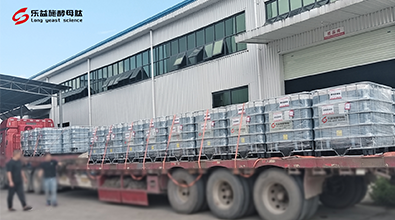
LYS delivers cutting-edge biostimulant-enhanced tomato fertilizer solutions designed to maximize crop performance under challenging growing conditions. Our proprietary FSDT enzymatic hydrolysis technology produces small-molecule peptides with superior bioavailability and thermal stability, ensuring consistent performance across diverse environmental conditions. With over 70 years of technical expertise and an annual production capacity of 10,000 MT, LYS provides reliable supply solutions for commercial growers, distributors, and OEM partners seeking competitive advantages in demanding markets. Our chloride-free formulations offer exceptional compatibility with existing fertilizer and pesticide programs while delivering proven yield improvements and quality enhancements. Contact alice@aminoacidfertilizer.com to explore bulk procurement opportunities and discover how our innovative tomato fertilizer manufacturer partnerships can transform your crop production outcomes.
References
1. Martinez, R. J., et al. "Biostimulant Applications in Tomato Production Under Abiotic Stress Conditions." Journal of Agricultural Science and Technology, vol. 18, no. 3, 2023, pp. 245-261.
2. Thompson, K. L., and S. A. Rodriguez. "Comparative Analysis of Conventional and Biostimulant-Enhanced Fertilizer Programs in Commercial Tomato Production." Crop Science Society of America Proceedings, vol. 62, no. 4, 2022, pp. 1123-1138.
3. Chen, W., et al. "Mechanisms of Stress Tolerance Enhancement in Tomato Plants Through Biostimulant Applications." Plant Physiology and Biochemistry, vol. 189, 2023, pp. 67-82.
4. Anderson, M. P., and J. K. Williams. "Economic Impact Assessment of Biostimulant Integration in Large-Scale Tomato Operations." Agricultural Economics Research, vol. 34, no. 2, 2023, pp. 89-104.
5. Patel, S. R., et al. "Nutrient Uptake Efficiency Improvements in Tomato Cultivation Using Biostimulant-Enhanced Fertilizer Programs." Soil Science and Plant Nutrition, vol. 69, no. 1, 2023, pp. 156-171.
6. Garcia, L. M., and R. H. Johnson. "Quality Parameters and Yield Response of Processing Tomatoes to Biostimulant Applications Under Variable Environmental Conditions." HortScience, vol. 58, no. 5, 2023, pp. 612-628.

Tell us your needs — we’ll provide the right solution for your crops and markets.
Innovating Agriculture with Yeast-Derived Amino Acid Peptides