Yeast Peptides in Agriculture: Why They Work Faster
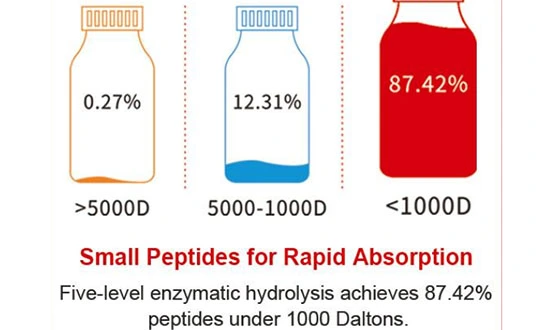
Yeast peptides represent a significant advancement in modern agricultural biostimulant technology due to their rapid bioactivity, unique molecular structure, and high solubility. Derived from specially processed yeast cells, these bioactive compounds contain low–molecular weight peptides—typically below 1000 Daltons—allowing for fast plant absorption and immediate metabolic activation.
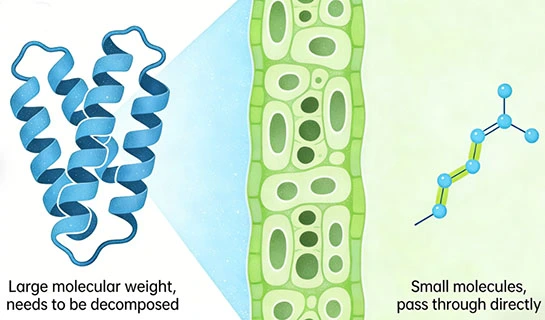
Unlike conventional fertilizers that require microbial breakdown in soil before becoming available, yeast peptide formulations can be absorbed directly by plants. This accelerates nutrient uptake, enhances physiological responses, and promotes visible growth improvements within a short period after application.
Understanding Yeast Peptides in Agricultural Systems
The agricultural sector increasingly recognizes yeast peptides as functional biological inputs capable of improving crop performance and soil vitality.
Biochemical Foundation of Yeast-Derived Peptides
Yeast peptides are produced through controlled fermentation followed by targeted enzymatic hydrolysis. This process converts complex yeast proteins into short-chain peptides while preserving their biological functionality.
Manufacturing typically involves:
- Yeast cultivation and biomass collection
- Enzymatic hydrolysis under controlled conditions
- Concentration and spray drying
The resulting powder contains bioactive peptides, free amino acids, lipids, and enzymes. These compounds remain biologically stable under varying temperature conditions, supporting consistent agricultural performance across climates.
Nutritional Composition and Soil Health Functions
The amino acid spectrum found in yeast peptides directly supports plant metabolic pathways, including protein synthesis, enzyme activation, and stress signaling.
Beyond plant nutrition, yeast peptides stimulate beneficial soil microbiota. They provide accessible carbon and nitrogen sources that enhance microbial diversity, improve nutrient cycling, and strengthen soil structure over time.
High-quality yeast peptides typically contain over 60% protein, positioning them among the most concentrated biological protein inputs available for agricultural use.
Mechanisms Behind the Fast Action of Yeast Peptides
The rapid effectiveness of yeast peptides is driven by their molecular characteristics and compatibility with plant physiological systems.
Superior Bioavailability and Uptake Efficiency
Low molecular weight peptides penetrate plant root and leaf tissues with minimal metabolic conversion; as bioavailable molecules, plants can immediately use them for protein synthesis, enzyme activation, hormonal signaling and growth regulation. Premium yeast peptide products typically contain ≥80% peptides below 1000 Da, ensuring efficient transport through plant vascular systems.
Activation of Soil Microbial Ecosystems
Yeast peptides also function as microbial stimulants. By energizing beneficial bacteria and fungi, they indirectly enhance nutrient mineralization, disease suppression, and soil aggregation.
This dual-action mechanism—direct plant uptake plus microbial stimulation—creates both immediate and sustained agronomic benefits.
Comparative Advantages Over Other Peptide Sources
Yeast peptides outperform collagen, fish and whey-derived peptides with fermentation-based consistent quality, non-animal origin compatibility, superior thermal stability and lower compositional variability, and their structural resilience preserves bioactivity throughout storage, transport and field application.
Procurement and Quality Evaluation of Yeast Peptides
For agricultural enterprises, sourcing reliable yeast peptide inputs requires technical and regulatory due diligence.
Product Specifications and Quality Indicators
Key quality parameters include molecular weight distribution, amino acid profile, total protein content (≥60%) and peptide concentration (≥80% <1000 Da), all of which correlate directly with absorption efficiency and field performance.
Manufacturers should provide analytical documentation covering fermentation processes, hydrolysis techniques, and batch consistency.
Supplier Capability Assessment
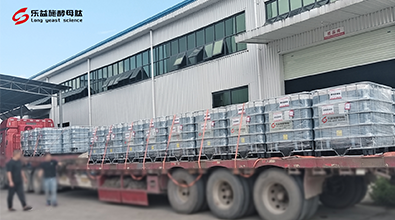
Procurement teams should evaluate production capacity, processing technology, quality control systems and technical support services; facilities with an annual output of over 10,000 MT usually have scalable infrastructure ideal for commercial agriculture.
Regulatory Compliance and Documentation
Reliable suppliers keep full compliance records including product safety data sheets, batch testing reports, stability studies and contaminant screening, with transparent documentation lowering import risks and streamlining customs clearance in global markets.
Practical Application of Yeast Peptides in Crop Production
To successfully use yeast peptides, you need to know the best ways to apply them, how much to use, and how to work them into current farming plans. When used correctly, benefits are maximized while economic efficiency and long-term results are ensured.
Application Methods and Formulation Options
Yeast peptides can be used in many ways, such as aerial sprays, soil amendments, and fertigation systems. Powder and liquid forms are both useful because they can be used with a variety of tools and crop control methods. When it comes to bulk mixing and long-term keeping, powder formulations work best, while liquid formulations are better for pumping systems and tank mixing.
Because they are stable, good yeast peptides can be mixed safely with fertilizers and herbicides without losing their effectiveness. This compatibility makes application planning easier and requires less work than straight application methods. Formulations without chlorine make sure that sensitive plants and seedlings are safe while still getting all of the nutritional benefits.
Dosage Guidelines and Crop-Specific Applications
Optimal yeast peptide dosage varies by crop type, growth stage and agronomic goals (e.g., stress reduction, yield boost). Research shows typical application rates range from 0.5 to 2 kg/ha, adjusted for crop needs and timing; split smaller applications outperform a single heavy dose, sustaining nutrient availability through key growth phases.
Commercial tree crops, vegetable production and field crops respond differently to peptide applications due to distinct growth patterns and nutritional demands: fruit trees benefit most during flowering and fruit development, vegetables during rapid growth stages, and field crops (corn, soybeans, wheat) see enhanced stress tolerance and yield when treated during vegetative growth.
Safety Profile and Long-term Impacts
When used according to the directions, yeast peptides have great safety ratings and pose few environmental risks. The natural source and recyclable makeup make it compatible with eco-friendly growing methods and environmental protection goals. Long-term benefits for soil health include more types of microbes, more organic matter, and better soil structure growth.
Safety for aerial spraying increases the number of treatments that can be used on a big scale while keeping the applicator and crop safe. Yeast peptides are ideal for high-value food production systems because they don't leave behind any harmful residues and are compliant with organic certification standards.
Future Innovations and Market Outlook
Technological and market developments continue to expand the agricultural role of yeast peptides.
Research and Formulation Advancements
Emerging innovations encompass precision-targeted peptide blends, controlled-release delivery systems and sensor-guided application integration, while research is also exploring peptide-microbe synergies to boost nitrogen cycling and stress resilience.
Global Market Expansion
Driven by sustainability regulations and performance benefits, demand for biological agricultural inputs is on the rise, with yeast peptides being widely adopted across row crops, horticulture, greenhouse systems and organic farming sectors—early integration into the supply chain delivers competitive procurement advantages.
Alignment with Sustainable Agriculture
Yeast peptides integrate seamlessly with regenerative agricultural practices including cover cropping, reduced tillage and integrated pest management, and their compatibility with precision agriculture enables data-driven nutrient delivery, boosting efficiency and minimizing environmental impact.
Conclusion
Yeast peptides deliver rapid agricultural performance through superior bioavailability, microbial activation, and direct metabolic integration within plants. Their low molecular weight structure enables immediate utilization, while their amino acid richness supports long-term soil and crop health.
For agricultural enterprises, yeast peptides provide a versatile, safe, and sustainable biological input aligned with modern productivity and environmental goals. As research advances and global demand for bio-based solutions grows, yeast peptides are positioned to play an increasingly central role in next-generation crop nutrition and stress management systems.
FAQ
Q1: What makes yeast peptides work faster than traditional fertilizers?
Yeast peptides work faster because of their small molecular size (≤1000 Da for 80% of molecules), which enables immediate plant uptake without requiring soil breakdown processes. Traditional fertilizers must decompose before plants can access nutrients, while peptides enter plant metabolism directly, triggering rapid growth responses within hours.
Q2: How do yeast peptides improve soil health?
Yeast peptides enhance soil health by serving as readily available nutrition for beneficial microorganisms, increasing microbial diversity and activity levels. This enhanced biological activity improves soil structure, nutrient cycling, and organic matter content while supporting natural disease suppression mechanisms.
Q3: What crops benefit most from yeast peptide applications?
All major crops respond positively to yeast peptide applications, including fruit trees, vegetables, field crops, and specialty crops. High-value crops such as citrus, grapes, tomatoes, and leafy greens often show the most dramatic improvements in yield and quality, making peptide applications particularly cost-effective for these systems.
Q4: Are yeast peptides compatible with existing fertilizer programs?
Yes, quality yeast peptides demonstrate excellent compatibility with conventional fertilizers and pesticides due to their chemical stability and neutral pH characteristics. They can be tank-mixed safely with most agricultural inputs, simplifying application logistics and reducing labor requirements.
Q5: What regulatory considerations apply to yeast peptide imports?
Yeast peptides generally fall under fertilizer or agricultural input regulations in most countries. Reputable suppliers provide comprehensive documentation, including product specifications, safety data, and regulatory approvals, to facilitate customs clearance and regulatory compliance in target markets.
Partner with LYS for Premium Yeast Peptide Solutions
Agricultural businesses seeking competitive advantages through innovative biostimulant technology can rely on LYS for premium yeast peptide solutions tailored to diverse market requirements. Our proprietary FSDT enzymatic hydrolysis technology, backed by over 70 years of technical expertise since 1951, produces consistent, high-quality peptides with superior bioavailability and field performance. With annual production capacity exceeding 10,000 metric tons and comprehensive quality assurance programs, LYS serves as a trusted yeast peptide supplier for agricultural businesses worldwide. Our technical support team assists with product selection, application optimization, and supply chain integration, ensuring seamless adoption of peptide technology into existing agricultural programs. Contact alice@aminoacidfertilizer.com to discuss your specific requirements and discover how our yeast peptide manufacturer capabilities can enhance your agricultural input portfolio.
References
1. Zhang, L., et al. "Bioactive Peptides in Agricultural Applications: Mechanisms and Field Performance." Journal of Agricultural Biotechnology, 2023.
2. Rodriguez, M.A. "Yeast-Derived Biostimulants: Molecular Mechanisms and Crop Response Patterns." International Review of Plant Nutrition, 2023.
3. Thompson, K.R. "Microbial Enhancement through Peptide Applications in Sustainable Agriculture." Soil Biology and Biochemistry Research, 2022.
4. Liu, H. "Comparative Analysis of Peptide Sources for Agricultural Applications: Efficacy and Environmental Impact." Agricultural Innovation Quarterly, 2023.
5. Anderson, P.J. "Market Trends and Future Prospects for Bio-based Agricultural Inputs." Global Agriculture Technology Review, 2023.
6. Chen, W.L. "Enzymatic Hydrolysis Technologies for Agricultural Peptide Production: Process Optimization and Quality Control." Biotechnology in Agriculture, 2022.

Tell us your needs — we’ll provide the right solution for your crops and markets.
Innovating Agriculture with Yeast-Derived Amino Acid Peptides