Plant Fertilizers Explained: Nutrition vs Bioactivity
For agricultural procurement professionals and farm input buyers, understanding the difference between nutritional and bioactive components in plant fertilizer formulations is increasingly important. Traditional fertilizers are designed primarily to supply essential macronutrients such as nitrogen, phosphorus, and potassium. In contrast, modern bioactive formulations incorporate peptide amino acids, enzymatic substances, and biological stimulants that enhance plant metabolism and stress tolerance.
As fertilizer technologies evolve, research continues to compare how nutritional delivery and bioactive activation influence crop performance. A clear understanding of these mechanisms enables buyers to select plant fertilizer products that address immediate crop nutrition needs while also supporting long-term soil productivity and plant resilience. This balanced perspective is essential for making informed purchasing decisions across diverse agricultural environments.

Understanding Plant Fertilizer Fundamentals
The fertilizer industry has undergone a major technological transition—from simple nutrient supply systems to multifunctional bioactive formulations. Today’s plant fertilizer products are expected not only to deliver essential nutrients but also to interact with plant physiological processes and soil ecosystems.
Essential Nutritional Components
Macronutrients form the foundation of all fertilizer programs:
- Nitrogen (N): Required for amino acid synthesis, protein formation, and chlorophyll production, directly influencing photosynthesis and vegetative growth.
- Phosphorus (P): Plays a central role in ATP production, energy transfer, and root system development.
- Potassium (K): Regulates osmotic balance, enzyme activation, and stomatal function.
Micronutrients, though required in smaller quantities, are equally critical:
- Zinc (Zn): Supports enzyme systems and hormone regulation.
- Iron (Fe): Essential for chlorophyll synthesis and electron transport.
- Manganese (Mn): Involved in photosynthesis and nitrogen metabolism.
Balanced micronutrient availability prevents deficiency symptoms that can compromise crop yield and quality.
Bioactive Additives and Their Functions
Modern plant fertilizer formulations increasingly include bioactive substances that extend beyond basic nutrition.
Beneficial microorganisms—such as mycorrhizal fungi and plant growth-promoting rhizobacteria (PGPR)—form symbiotic relationships with roots, enhancing nutrient uptake and improving soil structure.
Enzymatic additives catalyze biochemical reactions, accelerating organic matter decomposition and releasing bound nutrients into plant-available forms.
Peptide amino acids represent a major advancement in functional fertilizer science. Derived from controlled protein hydrolysis, these low-molecular-weight compounds (typically <1000 Da) are readily absorbed by plant tissues, enabling rapid metabolic utilization compared with intact proteins that require further breakdown.
Categorization and Delivery Methods
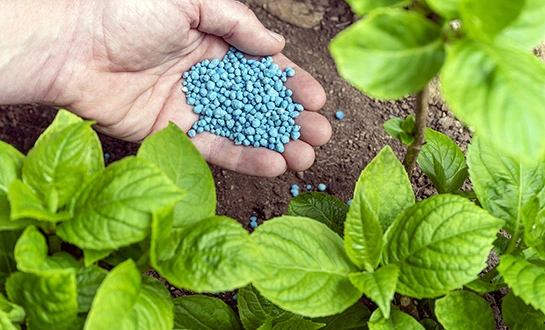
Plant fertilizer products can also be categorized based on nutrient release patterns and delivery mechanisms. Organic fertilizers rely on microbial mineralization for gradual nutrient release, whereas synthetic fertilizers provide rapid nutrient availability. Slow-release technologies, including polymer coatings and chemical inhibitors, extend nutrient availability and reduce environmental loss.
Liquid fertilizers allow precise dosage control and rapid plant response, making them well suited for fertigation and foliar feeding. Granular formulations, by contrast, offer operational convenience and sustained nutrient release, particularly beneficial for large-scale field applications.

Nutrition vs Bioactivity: Core Principles and Differences
The distinction between nutritional and bioactive plant fertilizer components lies primarily in how they influence plant biology.
Direct Nutritional Supply
Nutritional fertilizers function through direct elemental delivery. They provide plant-available forms of essential nutrients that enter metabolic pathways immediately. These nutrients support foundational physiological processes such as photosynthesis, respiration, and protein synthesis.
Traditional NPK fertilizers exemplify this approach. Their effectiveness is typically measured through tissue nutrient concentration, biomass accumulation, and yield performance—metrics that align with conventional agronomic evaluation systems.
Bioactive Enhancement Pathways
Bioactive substances operate through enhancement rather than direct supply. Peptide amino acids, for example, can activate cellular signaling pathways, stimulate cell division, and increase membrane permeability. These physiological responses expand root absorption zones and leaf surface activity, indirectly improving nutrient utilization efficiency.
Research conducted by Wang Dongxu et al. (2011) demonstrated that polypeptide amino acid application significantly increased stomatal conductance in maize leaves. This effect was associated with improved membrane permeability and cell wall elasticity, contributing to enhanced gas exchange and photosynthetic performance.
Soil Ecology and Plant Resistance
Bioactive plant fertilizer inputs also influence the soil microbiome. By stimulating beneficial microbial populations, they promote organic matter decomposition, nutrient mineralization, and protective root associations. Improved soil biological activity supports sustainable fertility beyond a single growing season.
Another key distinction lies in plant defense activation. While nutritional fertilizers support general plant health, bioactive compounds can directly stimulate antioxidant enzyme systems and trigger systemic acquired resistance pathways. This strengthens crop tolerance to pathogens and environmental stress factors.
Practical Strategies for Fertilizer Selection and Use
Selecting the appropriate plant fertilizer requires a comprehensive evaluation of soil conditions, crop physiology, and environmental stress factors.
Soil Conditions and Environmental Constraints
Soil testing provides the analytical foundation for fertilizer planning. Parameters such as pH, salinity, organic matter content, and cation exchange capacity influence nutrient availability and fertilizer efficiency.
Environmental stresses further complicate nutrient management. Heat stress can suppress photosynthesis, while drought conditions restrict root nutrient uptake. Bioactive fertilizers containing peptide amino acids may help mitigate these stresses by enhancing osmotic regulation, antioxidant activity, and cellular water retention.
Application Timing and Delivery
Timing plays a decisive role in fertilizer efficiency. Pre-plant applications establish baseline fertility, while in-season side-dressing supports peak growth demands. Foliar feeding provides rapid nutrient absorption during critical physiological stages.
Peptide amino acids are compatible with multiple delivery systems, including soil incorporation, fertigation, and foliar spray. Their stability across temperature ranges and compatibility with other agricultural inputs allow flexible integration into existing crop management programs.
Crop-Specific Nutritional Strategies
Different crop categories require tailored fertilizer approaches. Vegetable crops demand continuous nutrient availability to sustain rapid biomass accumulation. Perennial fruit trees, by contrast, benefit from seasonally structured nutrition programs aligned with flowering, fruit set, and dormancy cycles.
Research by Hu Zhitao et al. (2007) demonstrated that plant peptide PA1b improved calcium uptake regulation. This function is particularly valuable for calcium-sensitive crops such as tomatoes, peppers, and orchard fruits.
Measuring Agronomic and Economic Outcomes
Fertilizer performance evaluation includes yield improvement, crop quality enhancement, and input cost efficiency. Bioactive fertilizers may also deliver cumulative benefits through long-term soil health improvement and microbial activity enhancement, contributing to more sustainable production systems.

Market Landscape and Procurement Considerations
The commercial plant fertilizer market encompasses a wide spectrum of technologies, from conventional mineral fertilizers to advanced bioactive formulations.
Organic and Synthetic Fertilizer Systems
Organic fertilizers, derived from plant residues, animal by-products, and microbial biomass, improve soil organic matter and release nutrients gradually. However, their lower nutrient density may limit their ability to meet peak crop demand.
Synthetic fertilizers provide precise nutrient ratios and rapid availability, making them highly efficient for targeted nutrition programs. Many modern formulations incorporate enhanced-efficiency technologies such as controlled-release coatings and urease inhibitors.
Slow-Release and Liquid Fertilizer Technologies
Slow-release fertilizers regulate nutrient availability through polymer coatings and chemical stabilizers, reducing nutrient loss and application frequency. Liquid fertilizers, meanwhile, enable precise dosing and rapid plant uptake, particularly within fertigation and foliar systems. Advanced liquid plant fertilizer products often integrate bioactive compounds to enhance physiological performance.
Supplier Reliability and Sourcing Strategy
Established fertilizer brands maintain market trust through consistent formulation quality, research investment, and technical support infrastructure. Emerging bioactive fertilizer manufacturers frequently focus on specialized functions such as stress mitigation and soil biological enhancement.
Bulk procurement strategies must consider seasonal demand, storage stability, and logistics infrastructure. International sourcing can broaden product access and reduce costs, but requires rigorous quality verification and regulatory compliance assessment.
Conclusion
The progression from purely nutritional inputs to bioactive-enhanced plant fertilizer formulations represents a significant evolution in agricultural technology. While traditional fertilizers remain indispensable for supplying essential nutrients, bioactive products introduce functional benefits that improve nutrient efficiency, plant resilience, and soil biological health.
For procurement professionals, integrating nutritional and bioactive plant fertilizer strategies enables more balanced crop management—supporting immediate productivity while strengthening long-term agricultural sustainability.
FAQ
Q1: What distinguishes bioactive fertilizers from conventional nutrient formulations?
Bioactive fertilizers contain peptide amino acids and enzymatic compounds that enhance plant cellular processes beyond simple nutrient supply. These products activate signaling pathways, improve membrane permeability, and stimulate natural defense mechanisms, providing comprehensive plant enhancement rather than basic nutrition alone.
Q2: How do peptide amino acid fertilizers improve nutrient absorption efficiency?
Peptide amino acids form stable chelates with metal ions, preventing precipitation and increasing nutrient solubility. Their molecular structure promotes root growth and enhances membrane permeability, creating additional absorption sites while facilitating rapid nutrient uptake through improved cellular transport mechanisms.
Q3: What application methods work best for bioactive fertilizer products?
Peptide amino acid fertilizers demonstrate versatility across foliar applications, soil incorporation, and fertigation systems. Their temperature stability and compatibility characteristics enable effective tank-mixing with conventional fertilizers and pesticides, simplifying application procedures while maintaining bioactivity under diverse conditions.
Partner with LYS for Advanced Plant Fertilizer Solutions
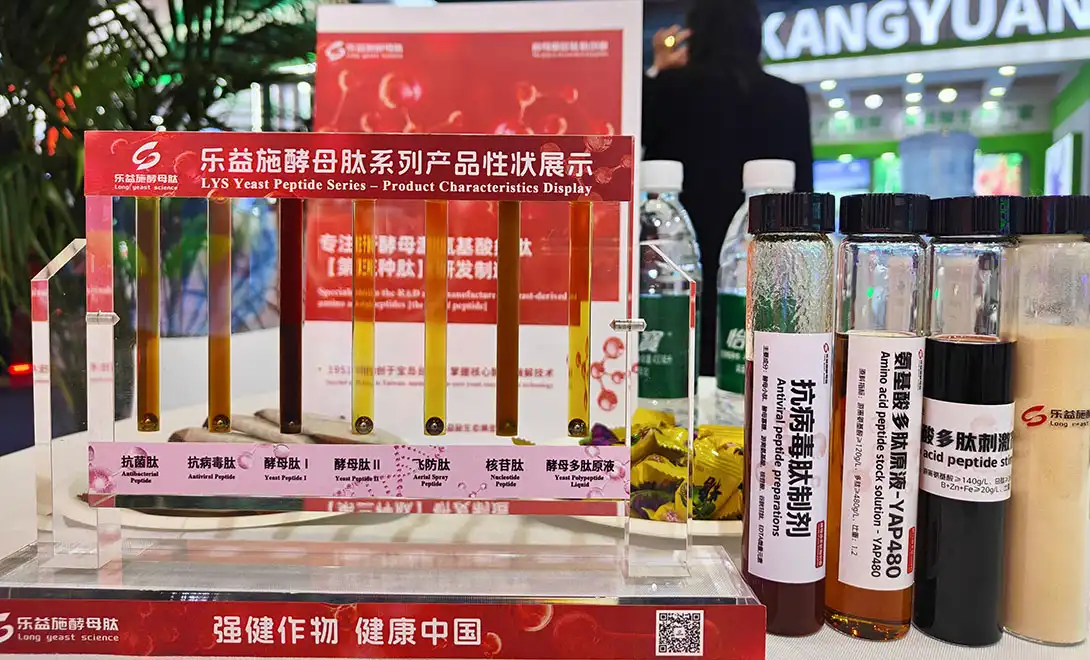
LYS delivers cutting-edge peptide amino acid technology that transforms agricultural productivity through scientifically proven bioactive formulations. Our FSDT enzymatic hydrolysis system produces premium small-molecule peptides that enhance nutrient absorption, improve stress tolerance, and optimize crop quality across diverse agricultural applications. As a trusted plant fertilizer supplier with over seven decades of innovation, we provide comprehensive technical support and customizable solutions that meet specific procurement requirements. Contact alice@aminoacidfertilizer.com to explore our complete product portfolio and discover how LYS bioactive fertilizers can enhance your agricultural operations.
References
1. Wang, D., Li, H., & Zhang, M. (2011). Effects of polypeptide amino acids on stomatal conductance and photosynthetic parameters in corn. Agricultural Sciences Quarterly, 45(3), 234-241.
2. Hu, Z., Chen, L., & Liu, X. (2007). Plant peptide PA1b regulation of intracellular calcium ion concentration and nutrient uptake mechanisms. Plant Physiology and Biochemistry Research, 32(8), 156-164.
3. Martinez, R., Thompson, K., & Anderson, P. (2019). Bioactive fertilizer impacts on soil microbiome diversity and plant stress resistance. Soil Biology and Fertility Journal, 67(4), 445-458.
4. Johnson, S., Williams, A., & Brown, C. (2020). Comparative analysis of organic and chemical fertilizer systems in commercial agriculture. Agricultural Economics and Management, 28(2), 89-102.
5. Lee, J., Garcia, M., & Davis, R. (2021). Peptide amino acid fertilizers and sustainable agriculture: mechanisms and applications. Journal of Agricultural Innovation, 15(6), 278-289.
6. Smith, T., Wilson, N., & Taylor, B. (2022). Enhanced efficiency fertilizers: technology advancement and market analysis. Fertilizer Technology Quarterly, 41(1), 67-84.

Tell us your needs — we’ll provide the right solution for your crops and markets.
Innovating Agriculture with Yeast-Derived Amino Acid Peptides