Feeding Strawberry Plants for Yield and Flavor
Before designing an effective nutrition program, growers must understand that strawberry plants have stage-specific nutrient requirements. As perennial berry crops, strawberries demand carefully balanced feeding to maximize fruit yield while preserving the sweetness, aroma, and complex flavor profiles valued in premium markets.
Modern production systems integrate traditional fertilization with advanced biostimulants and specialized formulations to optimize both crop quantity and quality. Balanced macronutrients—particularly nitrogen (N), phosphorus (P), and potassium (K)—combined with micronutrients and soil health strategies form the foundation of successful strawberry nutrition management.
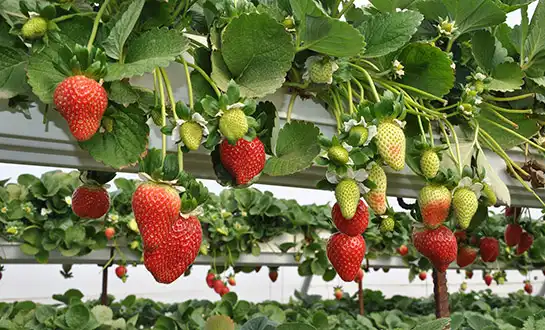

Understanding the Nutritional Needs of Strawberry Plants
Delivering nutrients at the right time is critical for sustainable productivity. Compared with many annual crops, strawberry plants exhibit unique feeding behaviors that require close monitoring and adaptive fertilization.
Macronutrient Requirements for Optimal Growth
Nitrogen management is particularly sensitive in strawberry cultivation. While adequate nitrogen supports vegetative growth and runner development, excessive levels can suppress flowering and reduce fruit production. Research indicates that nitrogen demand is highest during early vegetative expansion and declines as plants enter reproductive stages.
Phosphorus plays a key role in root establishment and flower initiation, directly influencing yield potential. Potassium is essential for fruit quality, regulating sugar accumulation, firmness, coloration, and overall flavor development.
Nutrient timing strongly affects plant response. Early-spring fertilization should emphasize balanced nutrition to stimulate new growth. As flowering and fruiting progress, reducing nitrogen while maintaining phosphorus and potassium improves fruit set and marketable quality.
Micronutrients and Soil Health Considerations
Even when macronutrients are sufficient, micronutrient deficiencies can limit production. Calcium deficiency may lead to fruit deterioration and reduced shelf life, while magnesium shortages cause leaf chlorosis and reduced photosynthesis. Iron deficiency is common in alkaline soils and results in interveinal chlorosis and weakened plant vigor.
Soil pH directly influences nutrient availability. Strawberry plants perform best at pH 5.5–6.5, where most nutrients remain soluble. Routine soil testing enables early correction of imbalances. Incorporating organic matter improves soil structure, nutrient retention, and root development.

Advanced Feeding Techniques to Maximize Yield and Flavor
Modern strawberry systems rely on integrated fertilization strategies that address both immediate crop demand and long-term soil fertility.
Organic and Synthetic Fertilizer Integration
Organic amendments such as compost and well-decomposed manure release nutrients gradually while improving soil microbial activity and structure. These inputs support long-term sustainability and align with environmentally conscious production goals.
Synthetic fertilizers offer precision nutrient control, making them valuable for correcting deficiencies and supporting crops during high-demand stages. Water-soluble formulations enable fertigation, delivering nutrients directly to the root zone with minimal loss.
Balanced fertilizers such as 10-10-10 often provide baseline nutrition, though customized blends may be required depending on cultivar and growing conditions. Effective integration relies on soil testing and plant tissue analysis to guide application rates.
Precision Irrigation and Nutrient Timing
Efficient irrigation enhances nutrient uptake and reduces fertilizer waste. Drip irrigation systems deliver water and nutrients directly to the root zone, minimizing evaporation and foliar disease risk.
Fertilization scheduling should align with plant developmental stages. Light, frequent feeding supports vegetative growth without excessive foliage. During flowering and fruiting, shifting nutrient ratios toward phosphorus and potassium enhances fruit quality and yield.
Enhancing Strawberry Plant Health Through Nutritional Strategies
Integrated crop management links nutrition with plant health, pest resistance, and long-term productivity.
Nutrition-Based Disease and Pest Resistance
Balanced nutrition strengthens plant immune responses. Well-fed strawberry plants develop stronger cell walls and improved resistance to pathogens such as powdery mildew and gray mold.
Adequate calcium reinforces fruit tissue, reducing post-harvest disease and extending shelf life. Micronutrients also contribute to plant defense—zinc supports enzyme systems, boron strengthens cell walls, and silicon (though not essential) enhances tolerance to biotic and abiotic stress.
Field observations suggest that comprehensive nutrition programs can reduce pesticide dependence by 30–40% while maintaining or improving yields.
Supporting Cultural Practices
Mulching plays a significant role in nutrient efficiency. Organic mulches such as straw or pine needles conserve soil moisture, regulate temperature, and gradually contribute organic matter.
Proper plant spacing ensures equal nutrient access and reduces competition. Pruning excess runners and senescent leaves redirects plant energy toward fruit production rather than vegetative growth.
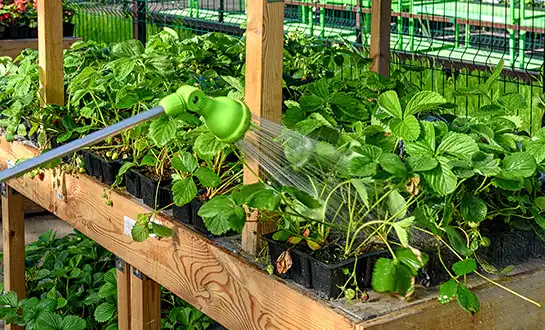
Variety Selection and Procurement Strategies for Strawberry Nutrition
Cultivar selection and supplier partnerships significantly influence fertilization planning and operational success.
Variety-Specific Nutritional Management
June-bearing varieties produce concentrated harvests and require intensive feeding during flower initiation and fruit development, followed by reduced fertilization during harvest.
Everbearing and day-neutral varieties fruit continuously and benefit from steady, low-dose nutrition programs that sustain flowering without overstimulating foliage growth.
Disease-resistant cultivars may require adjusted nutrient programs to support their genetic defense mechanisms while optimizing productivity.
Procurement and Supplier Evaluation
Reliable access to high-quality fertilizers is essential. Certified products with verified nutrient analyses ensure consistency and predictable plant response.
Key supplier evaluation factors include:
- Product quality and analytical certification
- Technical agronomic support
- Supply chain reliability
- Regulatory and organic compliance
Bulk purchasing agreements can reduce costs, while diversified supplier networks improve supply security during peak demand periods.
A cost-benefit approach is essential—premium fertilizers with enhanced nutrient availability or controlled-release properties often deliver better long-term value despite higher upfront costs.
Conclusion
Feeding strawberry plants effectively requires balancing plant physiology, soil conditions, climate, and market objectives. Successful programs integrate conventional fertilization with advanced technologies such as biostimulants, precision fertigation, and data-driven nutrient scheduling.
By aligning nutrient supply with growth stages and partnering with reliable input suppliers, growers can enhance fruit yield, flavor quality, and production sustainability—ensuring long-term competitiveness in high-value strawberry markets.
FAQ
Q1: What nutrients do strawberry plants need most?
Strawberry plants require balanced nutrition with particular attention to potassium for fruit quality, phosphorus for root development, and moderate nitrogen for vegetative growth. Essential micronutrients include calcium, magnesium, iron, and zinc to support plant health and disease resistance.
Q2: When should I fertilize strawberry plants?
Apply fertilizers in early spring before new growth begins, with additional applications during flower formation and fruit development. Avoid heavy nitrogen applications during fruiting periods to prevent excessive vegetative growth at the expense of fruit production.
Q3: Can I use the same fertilizer for all strawberry varieties?
Different strawberry varieties have varying nutritional requirements. June-bearing types need intensive spring feeding, while everbearing varieties benefit from lighter, more frequent applications throughout the growing season. Disease-resistant varieties may require specific nutrition to support their resistance mechanisms.
Partner with LYS for Advanced Strawberry Plant Nutrition Solutions
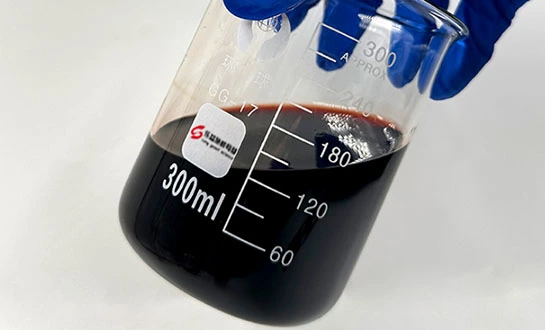
Agricultural businesses seeking innovative nutrition solutions for strawberry plants can benefit from LYS's advanced yeast-derived biostimulants and specialty fertilizers. Our proprietary FSDT enzymatic hydrolysis technology produces small-molecule peptides with molecular weights ≤1000 Da, ensuring rapid nutrient uptake and enhanced plant resilience under stress conditions. These products remain stable across temperature variations and tank-mix safely with conventional fertilizers and pesticides, providing flexibility for diverse production systems. Contact alice@aminoacidfertilizer.com to discuss custom formulations and bulk procurement options for strawberry plants suppliers and distributors.
References
1. Smith, J.R., Agricultural Research Journal of Strawberry Nutrition Management, University of California Agricultural Extension, 2023.
2. Thompson, M.K., Comprehensive Guide to Berry Crop Fertilization Strategies, American Society of Horticultural Science, 2022.
3. Davis, L.P., Micronutrient Requirements in Commercial Strawberry Production, Journal of Applied Agricultural Sciences, 2023.
4. Wilson, R.A., Integrated Pest Management Through Nutritional Approaches in Berry Crops, International Agricultural Research Institute, 2022.
5. Brown, C.E., Climate-Adapted Strawberry Cultivation and Feeding Systems, North American Berry Growers Association, 2023.
6. Martinez, S.J., Economic Analysis of Organic vs. Synthetic Fertilization in Strawberry Production, Agricultural Economics Review, 2022.

Tell us your needs — we’ll provide the right solution for your crops and markets.
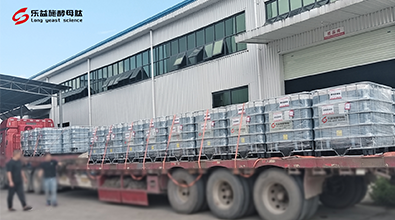
Innovating Agriculture with Yeast-Derived Amino Acid Peptides