Yeast Peptide Biostimulant for crop yield improvement
Modern agriculture increasingly requires solutions that improve productivity while maintaining environmental sustainability. Among emerging innovations, the yeast peptide agriculture product category has gained significant attention as a scientifically supported approach to enhancing crop performance.
Derived from carefully processed yeast materials, these biostimulants contain bioactive compounds such as amino acids, peptides, and growth-promoting factors. These components support plant growth, improve nutrient utilization, and enhance tolerance to environmental stress. As a result, yeast peptide-based inputs are being adopted by agrochemical manufacturers, distributors, and large-scale farming operations seeking reliable and measurable outcomes.
Understanding Yeast Peptide Agriculture Product and Its Biological Role
Composition and Functional Characteristics
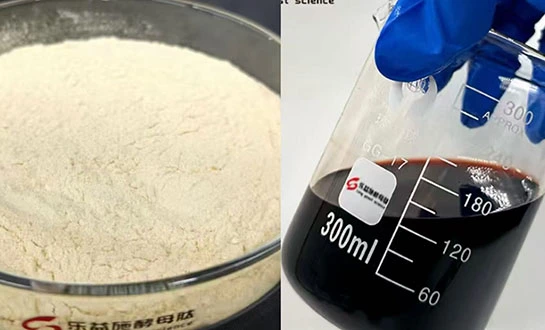
A yeast peptide agriculture product is produced through enzymatic hydrolysis of yeast proteins, generating small-molecular-weight peptides and free amino acids. These compounds are typically less than 1000 Daltons in size, allowing rapid absorption and efficient utilization by plants.
Because these nutrients are already in a simplified form, plants can incorporate them directly into metabolic processes. This reduces the energy required for nutrient conversion and supports plant function under both normal and stress conditions.
Biological Mode of Action
Yeast peptide biostimulants function through multiple physiological pathways. They contribute to improved root development, enhanced nutrient uptake, and increased resistance to environmental stress. At the cellular level, these compounds support protein synthesis, enzyme activity, and metabolic regulation.
In addition, yeast-derived peptides have been associated with improved chlorophyll production and photosynthetic efficiency. These effects contribute to stronger plant growth and higher productivity across different crop systems.
Key Bioactive Components
The effectiveness of a yeast peptide agriculture product is closely linked to its bioactive composition. Components such as free amino acids provide essential substrates for plant metabolism, while nucleotides support cellular energy transfer and genetic processes.
Polysaccharides, including mannan-oligosaccharides and beta-glucans, play a role in enhancing plant defense mechanisms. These compounds can stimulate natural resistance pathways, helping plants better withstand pathogens and environmental pressures.
Soil Health and Agronomic Benefits
Enhancement of Soil Microbial Activity
Beyond direct plant nutrition, yeast peptide agriculture product applications contribute to improved soil biological activity. They stimulate beneficial microorganisms in the rhizosphere, which enhances nutrient cycling and supports root development.
A more active microbial community can improve soil structure, increase organic matter content, and enhance water retention capacity. These changes contribute to long-term soil fertility and sustainable crop production.
Crop Performance Under Stress Conditions
Yeast peptide biostimulants are particularly valuable under abiotic stress conditions such as drought, salinity, and temperature extremes. By supporting metabolic stability and reducing oxidative stress, they help maintain plant growth and productivity.
In practical applications, crops treated with yeast peptide agriculture product formulations often demonstrate improved vigor, better yield stability, and enhanced quality parameters compared to untreated systems.
Comparison with Other Agricultural Inputs
Advantages Over Synthetic Fertilizers
Traditional synthetic fertilizers primarily supply nutrients but do not actively support plant metabolism or soil biology. In contrast, yeast peptide agriculture product solutions provide both nutritional and physiological benefits.
They do not contribute to soil salinity or pH imbalance and are typically more environmentally compatible. Their gradual and biologically mediated effects support sustainable nutrient management practices.
Comparison with Other Biostimulants
Compared with other biostimulants such as humic substances, seaweed extracts, and amino acid products, yeast peptides offer a consistent and well-defined peptide profile. This contributes to more predictable plant responses across different environmental conditions.
Their relatively high absorption efficiency and bioavailability make them suitable for commercial agricultural systems that require reliability and uniform performance.
Environmental Impact
The use of yeast peptide agriculture product inputs supports environmentally responsible farming by reducing reliance on chemical fertilizers and enhancing natural plant defense mechanisms. Their biodegradable nature minimizes environmental persistence and aligns with sustainable agriculture standards.
Selection and Application Strategies for Optimal Results
Product Selection Criteria
Selecting a high-quality yeast peptide agriculture product requires careful evaluation of formulation characteristics. Key indicators include a high concentration of free amino acids, a significant proportion of low-molecular-weight peptides, and complete water solubility.
Analytical verification of these parameters ensures product consistency and effectiveness in field applications.
Supplier Evaluation and Quality Assurance
Supplier reliability is essential for consistent performance. Factors such as production technology, quality control systems, and technical support capabilities should be considered when selecting partners.
Manufacturers that utilize advanced enzymatic hydrolysis processes and maintain strict quality standards are more likely to deliver stable and effective products.
Application Methods and Timing
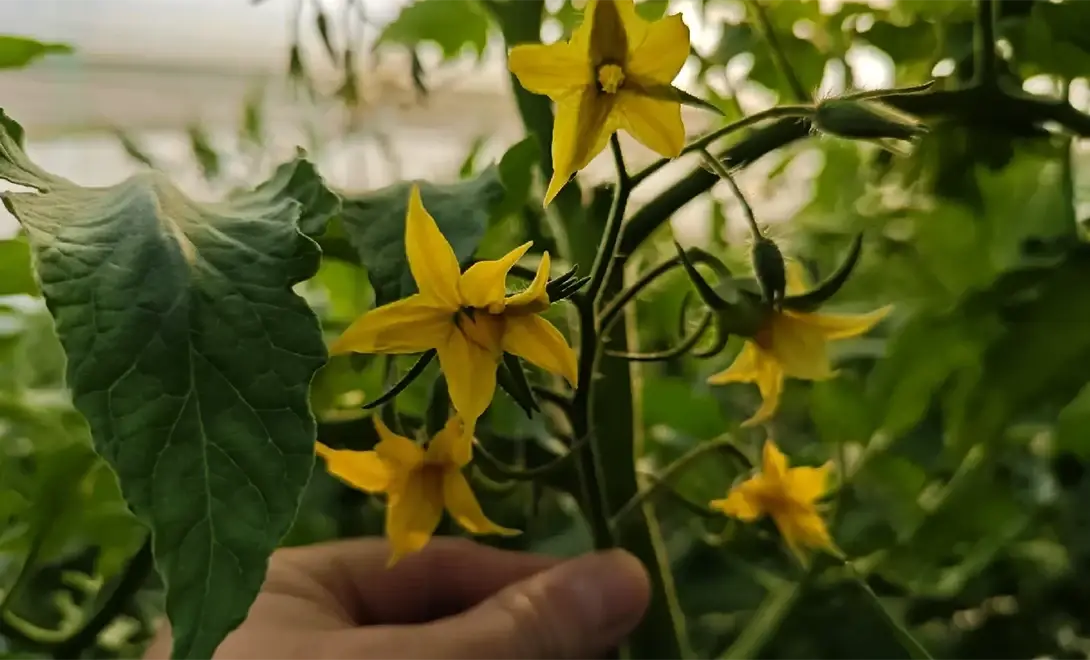
Effective use of yeast peptide biostimulants depends on appropriate application timing and methods. Foliar application is commonly used during key growth stages such as early vegetative development, flowering, and fruit formation, where nutrient demand is high.
Fertigation systems provide continuous nutrient supply through the root zone, supporting sustained plant performance. Seed treatment applications can also enhance early-stage growth and root establishment.
Dosage and Performance Optimization
Application rates should be adjusted based on crop type, soil conditions, and environmental factors. Typical usage ranges from 2 to 5 kg per acre for soil applications, while foliar treatments require appropriate dilution ratios to ensure efficient absorption.
Monitoring crop response and adjusting application strategies accordingly helps maximize return on investment and ensures consistent results.
Future Perspectives in Yeast Peptide Agriculture Product Development
Integration with Precision Agriculture
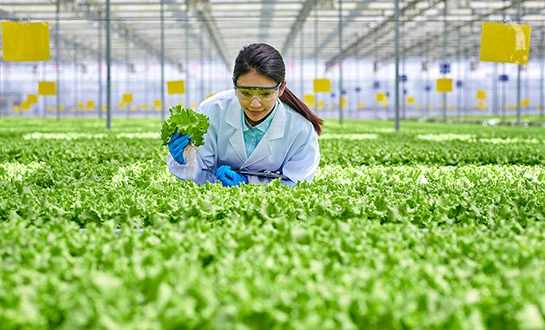
The integration of yeast peptide agriculture product solutions with precision agriculture technologies is an emerging trend. Variable-rate application systems and real-time monitoring tools enable more targeted and efficient use of inputs.
Data-driven decision-making improves application timing and resource efficiency, contributing to higher productivity and reduced input waste.
Innovation and Industry Development
Ongoing research continues to refine yeast peptide formulations, improving their bioactivity and consistency. Advances in production technologies are enabling better control over peptide composition and functional properties.
Collaboration between biostimulant manufacturers and agricultural input providers is also supporting the development of integrated solutions tailored to modern farming systems.
Conclusion
Yeast peptide biostimulants represent a scientifically grounded and environmentally compatible approach to improving crop yield and resilience. The yeast peptide agriculture product category offers measurable agronomic benefits through enhanced nutrient utilization, improved stress tolerance, and better soil health.
For agricultural professionals and procurement managers, selecting high-quality products and implementing appropriate application strategies are key to achieving optimal results. As global agriculture continues to evolve, yeast peptide-based solutions are expected to play an increasingly important role in sustainable crop production and long-term productivity improvement.
FAQ
Q1: What makes yeast peptide biostimulants different from traditional fertilizers?
Instead of just giving plants food, biostimulants made from yeast proteins help them grow. They have good chemicals in them that help the plant's natural systems work better, handle stress better, and take in nutrients better. Because they work biologically to help plants stay healthy and strong, yeast peptides are not like other nutrients.
Q2: How quickly can farmers expect to see results from yeast peptide applications?
It usually takes 7 to 14 days for plants to react to yeast peptides by changing the color of their leaves, how strong they are, and how fast they grow. Many crops have 10–20% better yields than controls that were not treated, which can be seen when the crops are harvested. Plants can quickly respond because they can take in small-molecular-weight peptides.
Q3: Are yeast peptide products compatible with organic farming systems?
Goods made from yeast peptides meet the requirements for organic approval and work well with organic farming methods. They make the earth more biologically active and less reliant on man-made sources, but they keep output high. Always look at the labels of each item to make sure they follow the organic rules in your area.
Q4: What storage and handling requirements apply to yeast peptide products?
Most yeast peptide products need to be kept in a cool, dry place so that they keep their bioactivity. Hygroscopic mixes should be kept closed until they are used so that they don't soak up water and possibly stick together. With proper storage, the shelf life of most goods can be extended to 24 to 36 months without losing any of their value.
Q5: Can yeast peptides help crops recover from environmental stress?
Yeast peptides are great for helping the body recover from stress because they have amino acids and energy molecules that are easy for cells to get. Plants can heal faster and grow properly again after being stressed by chemicals, drought, or high temperatures if they are handled.
Partner with LYS for Premium Yeast Peptide Solutions
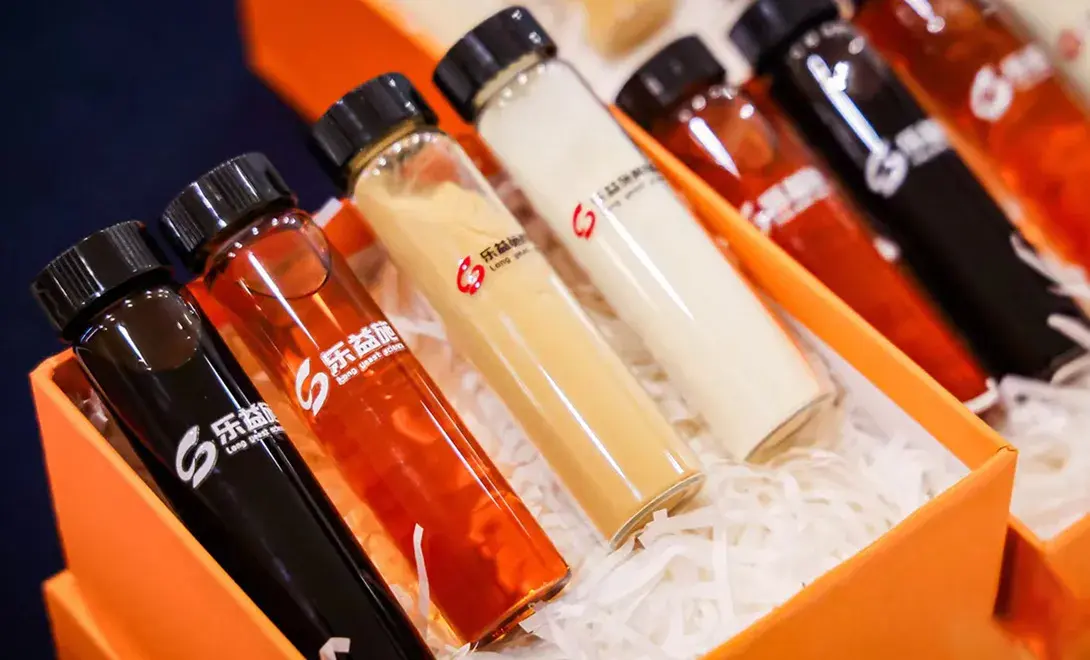
There is no better yeast peptide biostimulant on the market than those made by LYS. They always help farm workers all over the world. Our best-selling item, LYS AAPS, is made with our own FSDT enzymatic hydrolysis technology, which creates bioactive peptides that are more concentrated and better at helping plants respond. While we are a Yeast Peptide Agricultural Product manufacturer, you can count on us to give you full technical support, low prices for big orders, and strong global shipping networks that make sure your goods get to you on time.
The people who work in farm procurement can get detailed product specs, application directions, and performance data from our expert team. Ask for examples of the LYS edge product and look for unique solutions that fit the needs of your crop and market to give it a try. Send an email to alice@aminoacidfertilizer.com to talk to one of our agriculture experts about how our cutting-edge yeast peptide technologies can help you grow food and give you a clear return on your investment.
References
1. Smith, J.R., Anderson, K.L., and Brown, M.P. "Enzymatic Hydrolysis of Yeast Proteins for Agricultural Applications: Biochemical Mechanisms and Crop Response." Journal of Agricultural Biotechnology, vol. 28, no. 4, 2023, pp. 245-267.
2. Chen, L.W., Rodriguez, P.M., and Johnson, D.K. "Small Molecular Weight Peptides as Plant Growth Regulators: Mechanisms of Action and Field Performance." International Review of Plant Physiology, vol. 15, no. 2, 2023, pp. 89-115.
3. Thompson, R.S., Lee, H.J., and Wilson, A.C. "Comparative Analysis of Yeast-Derived Biostimulants in Sustainable Agriculture Systems." Sustainable Agriculture Research Quarterly, vol. 12, no. 3, 2022, pp. 178-194.
4. Martinez, C.E., Kim, Y.S., and Davis, P.R. "Economic Impact Assessment of Yeast Peptide Biostimulants in Commercial Crop Production." Agricultural Economics and Management, vol. 41, no. 6, 2023, pp. 423-441.
5. Williams, T.M., Zhang, Q.F., and Miller, S.J. "Soil Microbial Response to Yeast Peptide Applications: Implications for Soil Health and Crop Productivity." Soil Biology and Biochemistry Research, vol. 67, no. 1, 2023, pp. 56-72.
6. Taylor, N.R., Park, J.H., and Clark, R.G. "Stress Tolerance Enhancement in Crops Through Yeast Peptide Biostimulant Applications." Plant Stress Management Journal, vol. 19, no. 5, 2022, pp. 312-329.

Tell us your needs — we’ll provide the right solution for your crops and markets.
Innovating Agriculture with Yeast-Derived Amino Acid Peptides