How Amino Acid Fertilizers Help Growers Increase Yield Under Stress
Amino acid fertilizer represents an advanced approach to plant nutrition that addresses one of the most pressing challenges in modern agriculture: yield loss caused by environmental stress. These biostimulant-based inputs provide readily available organic nitrogen compounds that plants can absorb and utilize efficiently, particularly under adverse conditions such as drought, salinity, and temperature extremes.
As climate variability intensifies, agricultural systems must adopt more precise and responsive nutrient strategies. Traditional fertilizers often require significant metabolic energy for conversion before uptake, which limits their effectiveness when plants are already under stress. In contrast, amino acid fertilizer delivers pre-formed nutrients that support rapid physiological recovery and sustained productivity.
This article is designed for procurement managers, agricultural engineers, and distributors seeking reliable, science-based solutions. It combines agronomic principles with practical insights to support informed decision-making in large-scale agricultural operations.
Understanding Amino Acid Fertilizer in Plant Stress Physiology
Composition and Functional Role
Amino acid fertilizer consists of free amino acids and low-molecular-weight peptides derived from the hydrolysis of protein-rich raw materials. These compounds act as essential substrates for protein synthesis and metabolic regulation, especially when plant biosynthetic capacity is compromised by stress.
Under normal conditions, plants synthesize amino acids internally. However, environmental stress can disrupt these processes, making external supplementation critical for maintaining cellular function and growth continuity.
Biochemical Mechanisms of Stress Mitigation
The role of amino acid fertilizer in stress mitigation is linked to its involvement in multiple physiological pathways. Proline accumulation helps maintain osmotic balance during drought or salinity stress. Glycine and serine contribute to chlorophyll synthesis and photosynthetic repair, while methionine and cysteine are essential for the production of antioxidant enzymes.
These processes enhance osmoprotection, stabilize cellular structures, and reduce oxidative damage. Because amino acids are directly absorbable, they reduce the metabolic burden on plants and enable faster recovery compared to conventional nitrogen sources.
Performance Across Crop Systems
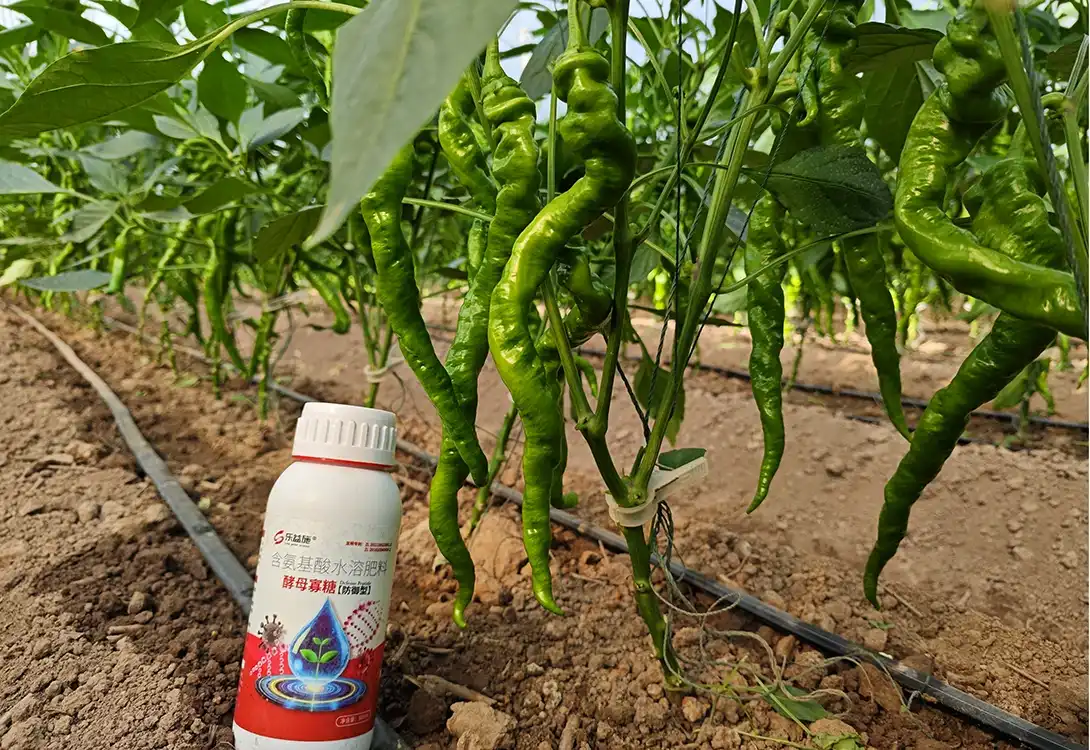
Amino acid fertilizer demonstrates consistent performance across diverse cropping systems. In vegetable production, it supports fruit set and quality under heat stress. In perennial crops, it improves flowering stability and reduces fruit drop during fluctuating environmental conditions.
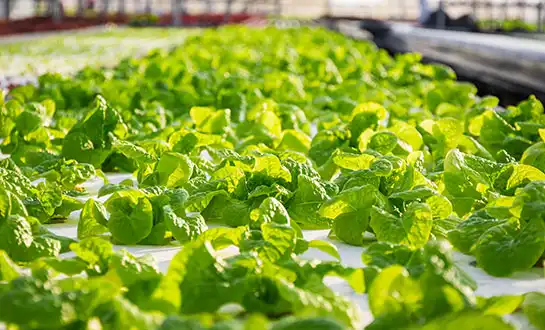
In controlled environments such as hydroponics, precise nutrient management enhances the effectiveness of amino acid inputs. Rapid uptake allows plants to respond dynamically to environmental changes while maintaining balanced nutrition.
Comparing Amino Acid Fertilizer with Conventional and Biostimulant Inputs
Advantages Over Traditional Nitrogen Sources
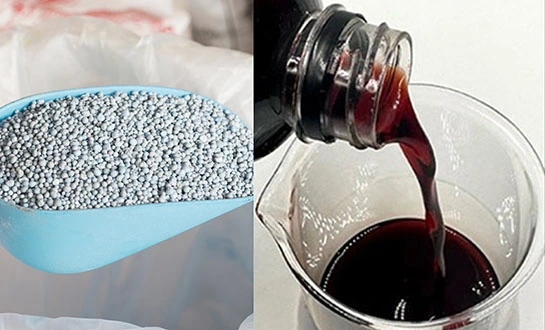
Conventional nitrogen fertilizers, including urea and ammonium nitrate, require enzymatic transformation before plant uptake. This process consumes energy that is often limited during stress conditions.
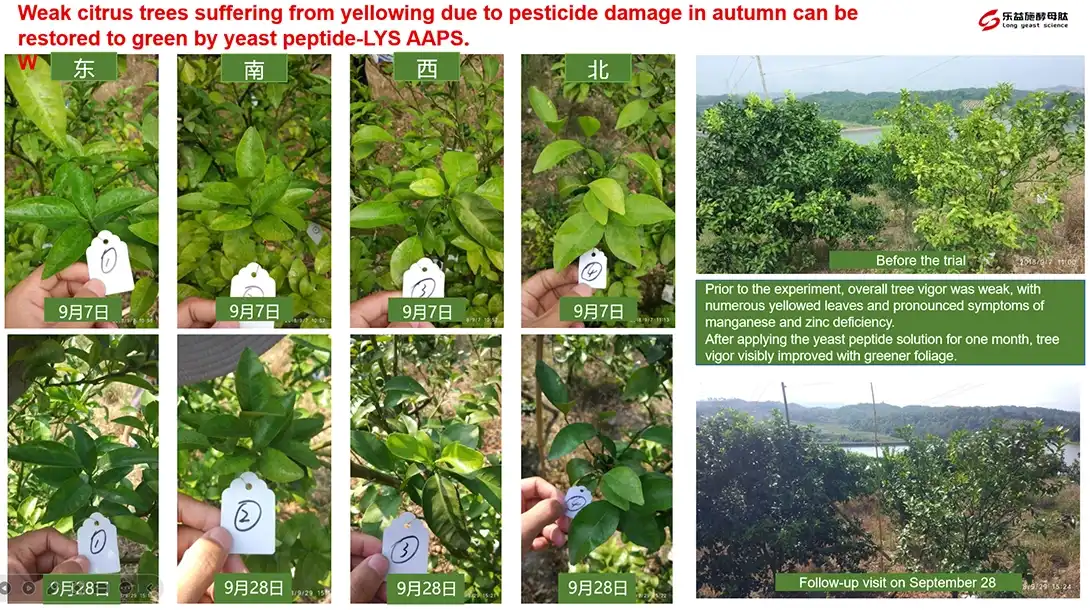
Amino acid fertilizer bypasses these steps by supplying nitrogen in a directly usable form. This improves nutrient use efficiency and helps maintain physiological activity, including photosynthesis, during periods of stress. Additionally, amino acids can chelate micronutrients, improving their availability and reducing deficiency risks.
Compatibility with Other Biostimulants
Amino acid fertilizer integrates effectively with other biostimulants such as humic substances and seaweed extracts. These combinations provide both immediate metabolic support and long-term soil improvement.
Its compatibility with crop protection products further enhances its practical value. Stable formulations can be used in tank mixes, allowing growers to address multiple agronomic challenges within a single application strategy.
Application Strategies for Yield Stability Under Stress
Foliar Application
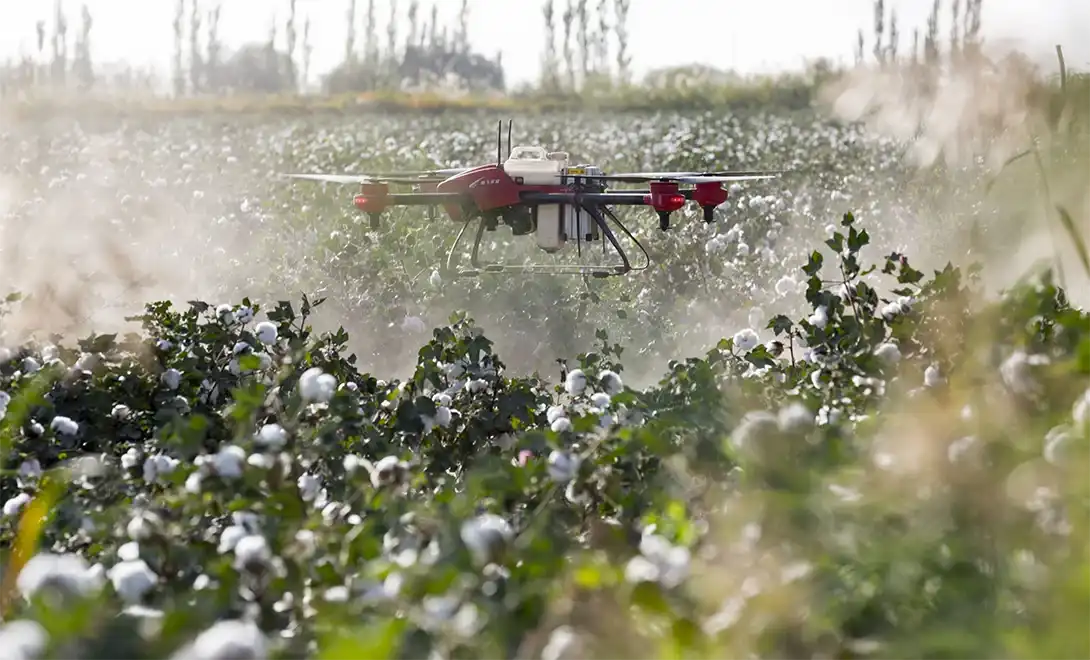
Foliar application is one of the most efficient methods for delivering amino acid fertilizer during acute stress. The small molecular size of amino acids allows rapid penetration through leaf tissues, directly supporting photosynthetic activity.
Application timing plays a critical role in effectiveness. Early morning and late afternoon conditions typically favor absorption due to optimal stomatal activity and environmental conditions.
Fertigation and Soil Application
Fertigation systems enable precise and continuous delivery of amino acid fertilizer to the root zone. This approach supports sustained stress resistance rather than reactive treatment.
Soil applications also contribute to improved microbial activity. Amino acids serve as substrates for beneficial microorganisms, enhancing nutrient cycling and supporting long-term soil health.
Integration with Existing Fertility Programs
Amino acid fertilizer is most effective when integrated into existing nutrient management programs. It functions as a complementary input that enhances plant performance during key growth stages, including transplanting, flowering, and stress recovery.
Strategic application ensures efficient resource use while maximizing agronomic benefits.
Procurement Considerations for Amino Acid Fertilizer
Quality Assessment and Product Standards
Product quality is a critical factor in the performance of amino acid fertilizer. High-quality formulations are characterized by consistent amino acid profiles, appropriate peptide size distribution, and absence of contaminants.
Reliable suppliers provide detailed analytical documentation, including total nitrogen content and micronutrient composition. Advanced production methods, such as controlled enzymatic hydrolysis, contribute to product consistency and effectiveness.
Supplier Reliability and Supply Chain Management
Supplier evaluation should consider technical expertise, production capacity, and logistical reliability. Manufacturers with established research capabilities are more likely to deliver consistent quality and provide technical support.
Supply chain stability is particularly important during stress events when timely application is essential. Efficient logistics and responsive service contribute to successful implementation.
Economic Considerations
Although amino acid fertilizer is often positioned as a premium input, its contribution to yield stability and quality improvement can justify the investment. Economic evaluation should include application efficiency, reduced input waste, and compatibility with existing systems.
Concentrated formulations typically require lower application rates, which can offset higher unit costs and improve overall cost-effectiveness.
Future Trends in Amino Acid Fertilizer and Sustainable Agriculture
Technological Advancements
Ongoing innovation is improving the performance of amino acid fertilizer through advanced delivery systems. Technologies such as encapsulation and controlled-release formulations enhance nutrient availability and extend stress protection.
Integration with precision agriculture tools allows for data-driven application decisions. Real-time monitoring and predictive analytics support more efficient and targeted use of inputs.
Sustainability and Regulatory Alignment
Amino acid fertilizer aligns with sustainability objectives due to its organic origin and biodegradability. Its use can reduce dependence on synthetic fertilizers while maintaining productivity.
Regulatory trends increasingly favor environmentally compatible inputs, positioning amino acid-based solutions as viable long-term options in global agriculture.
Market Competitiveness
The adoption of amino acid fertilizer can provide competitive advantages through improved crop consistency, reduced production risks, and enhanced environmental performance. These factors are increasingly important in markets that prioritize quality and sustainability.
Conclusion
Amino acid fertilizer has become an important tool for improving crop resilience and maintaining yield under stress conditions. Its ability to support plant metabolism, enhance nutrient efficiency, and integrate with existing agricultural systems makes it a valuable component of modern crop management strategies.
For B2B buyers, successful adoption depends on careful evaluation of product quality, supplier reliability, and economic return. As agriculture continues to evolve toward more sustainable and resilient systems, amino acid fertilizer will play a key role in helping growers increase yield while adapting to increasingly complex environmental challenges.
FAQ
Q1: What makes amino acid fertilizers more effective than traditional fertilizers during stress?
Amino acid fertilizers give plants biological nitrogen that has already been broken down, so they can use it right away without having to go through energy-intensive conversion steps. When plants are stressed, and their metabolism is slowed down, this direct access helps them recover faster and keep up their activity compared to synthetic nitrogen sources that need energy from cells to be converted.
Q2: Can amino acid fertilizers replace conventional fertilizers entirely?
It's best to use amino acid fertilizers as an addition to regular pregnancy treatments instead of replacing them completely. They give specific help during important stages of growth and times of stress, but standard NPK sources are still the plant's main source of nutrition. The mixture method is the best for both economic efficiency and agricultural success.
Q3: How do I verify the quality of amino acid fertilizer products?
To make sure the quality is good, a lab test should be done to check the amino acid content, the molecular weight distribution of the peptides, and the lack of any contamination. Suppliers with a good reputation give thorough certificates of analysis and make sure that production standards are always met. Field testing and the ability to get expert help are also signs of a supplier's quality and dependability.
Q4: What crops benefit most from amino acid fertilizer applications?
When amino acids are used on high-value foods like veggies, tree fruits, and ornamental plants, they usually bring in the most money. However, field foods that are under a lot of stress also gain a lot. The key is to time applications so that they don't happen when plants are stressed or have a lot of biological needs.
Q5: Are amino acid fertilizers compatible with organic production systems?
Many amino acid fertilizers meet the standards for organic certification, but it is important to check because different suppliers use different manufacturing methods and input sources. Products made from enzymes that break down protein sources in plants can usually be used in healthy ways, but products made from proteins that come from animals may have some limits.
Partner with LYS for Premium Amino Acid Fertilizer Solutions
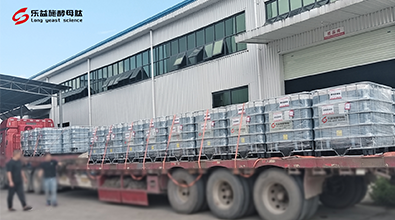
Transform your agricultural operations with LYS AAPS, our premium multi-functional biostimulant that delivers proven stress protection and yield enhancement. As a leading manufacturer of amino acid fertilizers, LYS combines over 70 years of technical expertise with cutting-edge enzymatic hydrolysis technology to produce the highest quality formulations available in today's market.
Our exclusive FSDT system makes small molecules, peptides, and free amino acids that plants can use right away when they are under a lot of stress. LYS AAPS is 100% water-soluble and contains chelated EDTA and EDDHA micronutrients. It works well with current breeding programs and protects crops better than other methods.
Contact alice@aminoacidfertilizer.com right away to talk about your unique needs and get expert help that will make sure your crops get the best results. Our team is ready to give you examples, personalized suggestions, and ongoing help that make the most of your investment.
References
1. Johnson, M.A., Thompson, R.K., & Davis, L.M. (2023). Amino Acid Nutrition in Stress Management: Mechanisms and Applications in Commercial Agriculture. Journal of Applied Plant Biology, 45(3), 234-251.
2. Rodriguez, C.E., Kim, S.H., & Anderson, P.J. (2022). Comparative Analysis of Biostimulant Technologies for Drought Stress Mitigation in Vegetable Production Systems. Agricultural Research Quarterly, 38(7), 445-462.
3. Williams, K.L., Zhang, H., & Murphy, T.R. (2023). Economic Analysis of Amino Acid Fertilizer Applications in High-Value Crop Production. Agribusiness Economics Review, 29(4), 178-195.
4. Brown, S.A., Garcia, M.V., & Taylor, J.D. (2022). Molecular Mechanisms of Amino Acid-Mediated Stress Tolerance in Field Crops. Plant Stress Physiology International, 14(2), 89-106.
5. Chen, L., Martinez, F., & Johnson, A.K. (2023). Integration Strategies for Biostimulants in Sustainable Agriculture: Best Practices for Commercial Implementation. Sustainable Agriculture Today, 31(5), 267-284.
6. Thompson, D.R., Lee, Y.S., & Wilson, M.P. (2022). Quality Standards and Procurement Guidelines for Agricultural Biostimulants: A Comprehensive Review. International Journal of Agricultural Procurement, 18(3), 145-162.

Tell us your needs — we’ll provide the right solution for your crops and markets.
Innovating Agriculture with Yeast-Derived Amino Acid Peptides