Glutathione: Cellular Defense for Maximum Crop Resilience
Glutathione is widely recognized as one of the most powerful natural defense compounds in plant systems. As a key tripeptide, it plays a central role in protecting plant cells from oxidative damage while supporting essential metabolic functions. With increasing agricultural challenges driven by climate variability and environmental stress, innovative biological solutions are gaining attention. Among them, yeast extract biostimulant technologies are emerging as promising tools to naturally enhance glutathione synthesis pathways.
By strengthening cellular protection mechanisms, glutathione enables crops to maintain productivity even under adverse conditions such as drought, salinity, and temperature extremes. Understanding how this molecule functions—and how biostimulants can support its production—is essential for developing resilient and sustainable agricultural systems.
Understanding Glutathione and Its Role in Crop Resilience
The Science Behind Cellular Defense Mechanisms
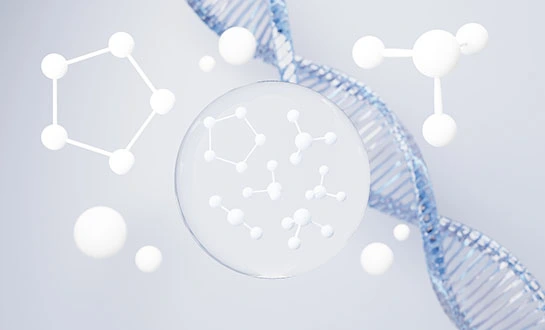
Glutathione is a tripeptide composed of cysteine, glutamic acid, and glycine. It serves as the primary antioxidant within plant cells, maintaining redox balance by neutralizing reactive oxygen species (ROS) that accumulate under stress conditions. Elevated ROS levels can damage proteins, lipids, and DNA, ultimately impairing plant growth and productivity.
The molecular structure of glutathione allows it to cycle between reduced and oxidized states, forming a dynamic defense system that continuously protects cellular components. Research indicates that higher intracellular glutathione levels are strongly associated with improved tolerance to abiotic stresses such as drought, salinity, and extreme temperatures.
Metabolic Integration and Plant Health Optimization
Beyond its antioxidant function, glutathione is deeply integrated into plant metabolism. It regulates enzyme activity, supports nutrient transport, and contributes to protein synthesis. Additionally, it plays a role in sulfur metabolism, detoxification of heavy metals, and regulation of cell division.
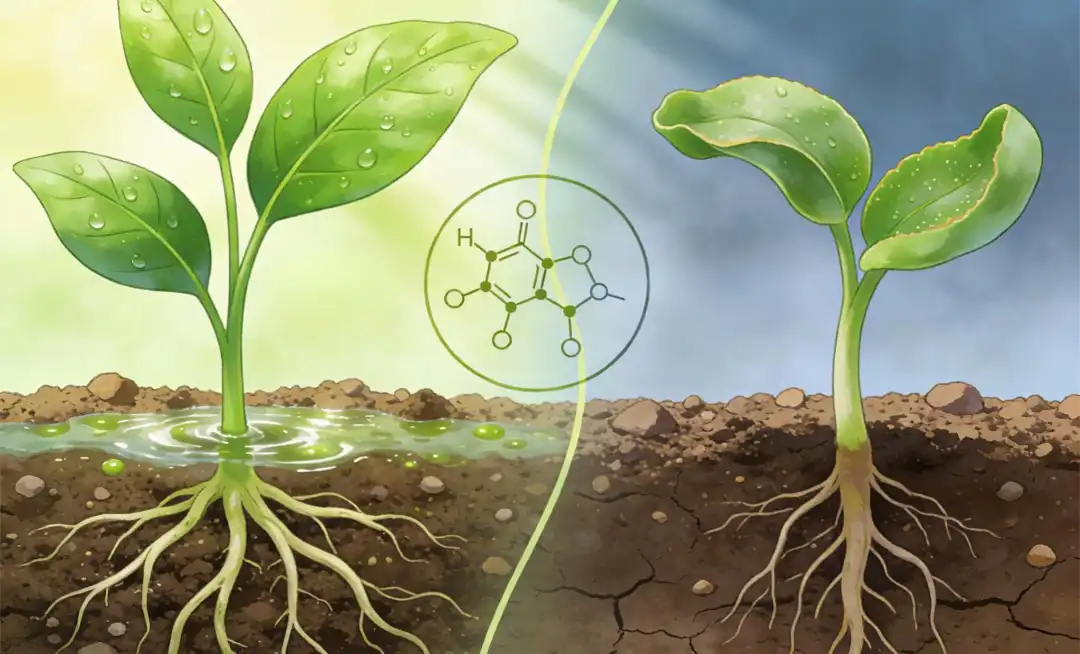
Insufficient glutathione levels are often linked to symptoms such as chlorosis, reduced growth, and increased susceptibility to diseases. In contrast, plants with balanced glutathione levels typically exhibit enhanced photosynthetic efficiency, improved nutrient uptake, and stronger structural integrity. Maintaining optimal glutathione levels is therefore critical for long-term crop performance.
Environmental Stress Response and Adaptation
Environmental stress conditions significantly increase ROS production, placing pressure on plant defense systems. Glutathione acts as a first line of defense by scavenging these harmful molecules before they can cause cellular damage.
Under drought conditions, glutathione helps stabilize cell membranes and regulate stomatal function, reducing water loss. In saline environments, it contributes to ion homeostasis, minimizing sodium toxicity. During temperature extremes, glutathione mitigates oxidative stress, enabling plants to maintain metabolic activity. Crops with enhanced glutathione synthesis pathways consistently demonstrate greater resilience and yield stability under fluctuating environmental conditions.
Yeast Extract Biostimulant: Enhancing Glutathione Pathways
Nutritional Composition and Bioactive Components
A yeast extract biostimulant provides a rich source of amino acids, peptides, vitamins, and trace elements that are essential for glutathione biosynthesis. These components offer readily available building blocks, particularly cysteine, which is often the limiting factor in glutathione production.
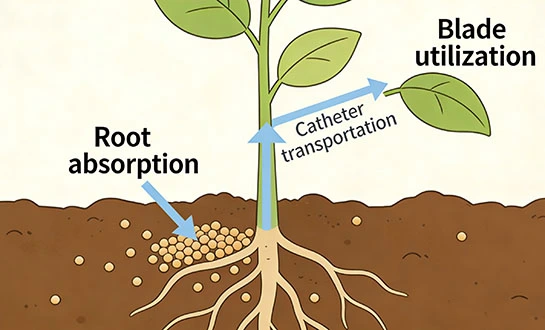
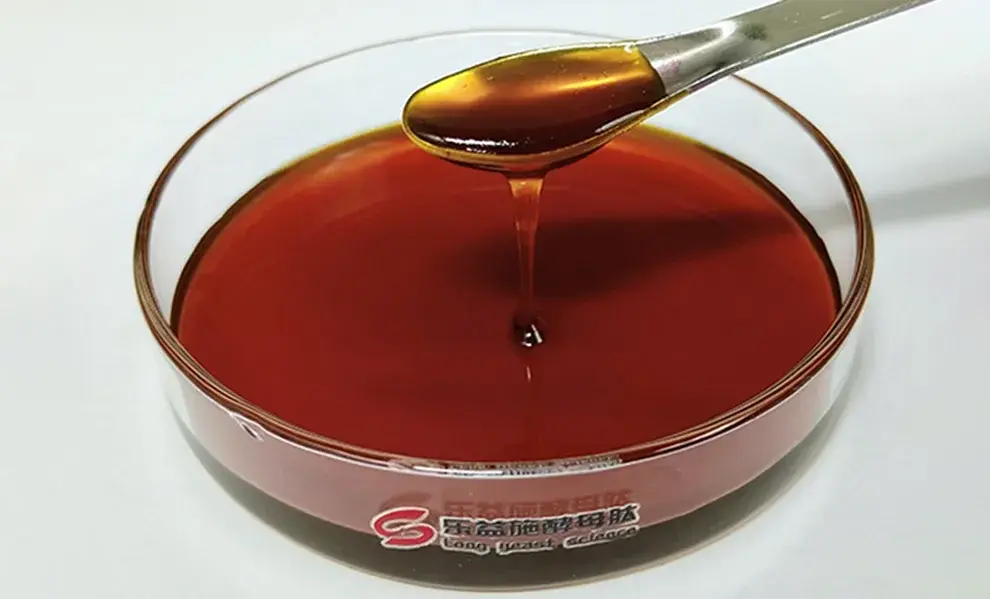
Modern extraction technologies ensure high concentrations of low-molecular-weight peptides (typically below 1000 Da), which are rapidly absorbed by plant tissues. In addition, yeast-derived products contain B-complex vitamins and organic compounds that support metabolic efficiency. This high bioavailability enables plants to quickly enhance their antioxidant capacity following application.
Mechanisms of Action in Plant Systems
Application of yeast extract biostimulant stimulates multiple physiological processes associated with glutathione metabolism. It enhances the activity of key enzymes such as gamma-glutamylcysteine synthetase and glutathione synthetase, directly promoting glutathione synthesis.
Peptides present in yeast extracts also function as signaling molecules, triggering plant defense pathways before stress occurs. This “priming effect” allows plants to respond more rapidly and effectively to environmental challenges. Furthermore, gene expression studies have shown that yeast extract applications can upregulate genes associated with antioxidant production, reinforcing the molecular basis for improved stress tolerance.
Environmental Sustainability and Soil Health Benefits
In addition to plant-level effects, yeast extract biostimulants contribute to broader agricultural sustainability. These products support beneficial soil microorganisms, enhancing nutrient cycling and soil structure. As organic inputs, they provide carbon sources that stimulate microbial activity and improve long-term soil fertility.
Unlike synthetic agrochemicals, yeast-derived products are biodegradable and leave minimal environmental residue. This aligns with increasing regulatory requirements and market demand for environmentally responsible farming practices. Their compatibility with organic agriculture further expands their applicability in modern production systems.
Comparative Performance of Yeast Extract Biostimulant
Efficacy Compared to Other Biostimulants and Fertilizers
When compared with other biostimulants, yeast extract biostimulant products demonstrate distinct advantages in promoting glutathione-related pathways. For example, seaweed extracts primarily provide hormone-like effects, while humic substances focus on soil conditioning. In contrast, yeast extracts directly support antioxidant synthesis and cellular metabolism.
Conventional fertilizers supply essential nutrients but lack bioactive compounds that enhance stress tolerance. Yeast extracts bridge this gap by combining nutritional support with metabolic activation. Field observations indicate that crops treated with yeast-based biostimulants maintain more stable yields under stress conditions than those relying solely on traditional fertilization programs.
Economic Considerations and Return on Investment
From an economic perspective, yeast extract biostimulants offer value through improved crop quality, enhanced stress resistance, and reduced dependency on chemical inputs. While initial costs may be higher than standard fertilizers, the overall return on investment is often favorable due to yield protection and quality improvements.
Additionally, reduced input requirements and simplified application strategies can lower operational costs. As demand for sustainably produced crops increases, growers may also benefit from premium market opportunities, further strengthening the economic case for adopting biological solutions.
Regulatory and Market Advantages
Yeast-derived biostimulants generally face fewer regulatory barriers compared to synthetic chemicals, particularly in markets with strict environmental standards. Their natural origin and established safety profiles facilitate certification processes, including organic approvals.
This regulatory advantage enables easier access to international markets and supports compliance with evolving agricultural policies. As global agriculture shifts toward sustainable practices, yeast extract biostimulants are increasingly positioned as viable and scalable solutions.
Best Practices for Application and Integration
Application Timing and Methods
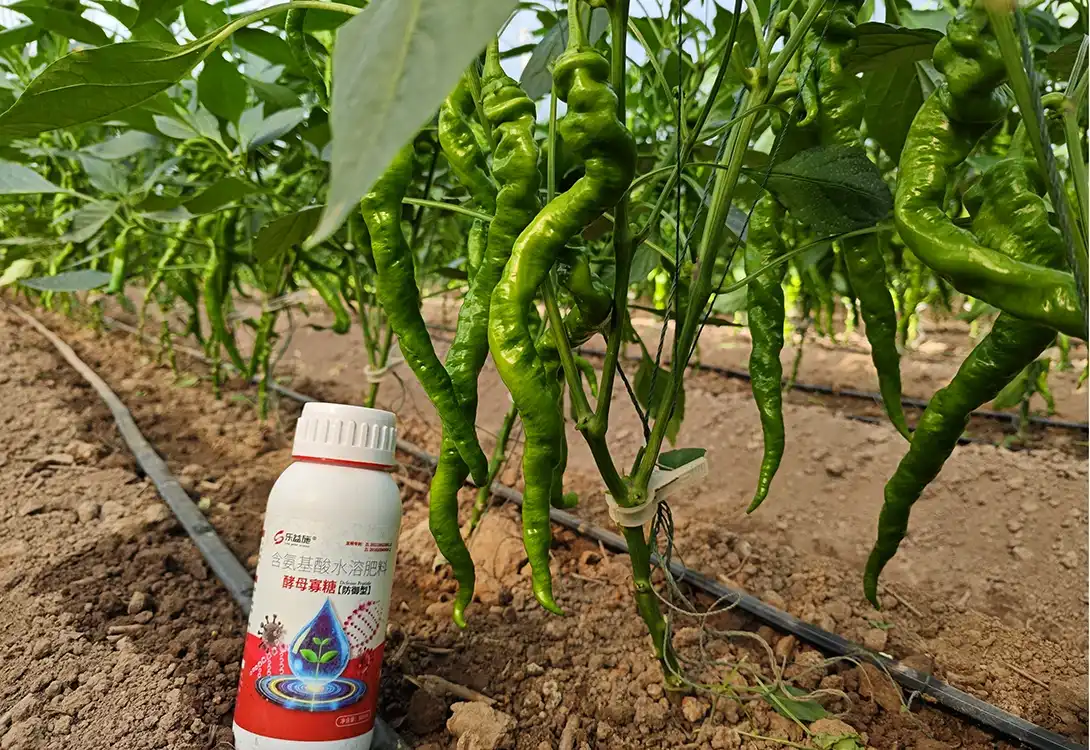
Effective use of yeast extract biostimulant depends on proper timing and application techniques. Pre-stress applications are particularly beneficial, allowing plants to build antioxidant capacity before exposure to adverse conditions. Foliar applications are often preferred for rapid absorption, while soil treatments support root development and early growth stages.
Critical growth phases such as transplanting, flowering, and fruit development represent optimal application windows. Appropriate dosage—typically within recommended agronomic ranges—ensures maximum efficacy without unnecessary cost.
Integration with Crop Management Systems
Yeast extract biostimulants can be integrated into existing fertilization and crop protection programs with minimal disruption. They are generally compatible with common agricultural inputs, enabling flexible use within established practices.
By enhancing nutrient efficiency and plant health, these biostimulants can reduce reliance on synthetic fertilizers and pesticides. Their role in integrated crop management strategies contributes to both sustainability goals and production stability.
Monitoring and Performance Evaluation
Ongoing monitoring is essential to evaluate the effectiveness of biostimulant applications. Key indicators include plant vigor, stress tolerance, yield performance, and quality parameters. Leaf tissue analysis can provide insights into glutathione levels and overall nutritional status.
Data-driven approaches, supported by digital agriculture tools, allow growers to refine application strategies and optimize outcomes across different environmental conditions.
Conclusion
Glutathione plays a central role in plant defense by maintaining cellular redox balance and supporting essential metabolic functions. Enhancing its synthesis has become a key strategy for improving crop resilience in modern agriculture.
The use of yeast extract biostimulant technologies offers a scientifically supported and sustainable approach to achieving this goal. By providing essential precursors, activating metabolic pathways, and enhancing stress response systems, these biostimulants enable crops to perform more efficiently under challenging conditions.
As environmental pressures continue to increase, solutions that strengthen intrinsic plant defense mechanisms will be critical for ensuring stable and sustainable agricultural production.
FAQ
Q1: What makes glutathione essential for crop resilience?
Glutathione is the main antioxidant defense system in plants. It neutralizes dangerous reactive oxygen species and helps metabolic processes that are important for growth and development. This tripeptide keeps the redox balance of cells stable during external stresses like heat waves, drought, and high salt levels. Glutathione levels and crop mortality rates in tough conditions are directly linked, according to research. This makes glutathione an essential part of farming resilience.
Q2: How do yeast extract biostimulants enhance glutathione production?
Biostimulants from yeast extract give the body the amino acids, proteins, and cofactors it needs to make glutathione and also boost the activity of important enzymes. The bioactive substances cause changes in the body that boost the production of glutathione and improve the antioxidant capacity. Small peptides with molecular weights below 1000 Da are quickly absorbed and can be used right away by the body's metabolism processes.
Q3: What application methods work best for yeast extract biostimulants?
Applying to the leaves early in the morning helps them absorb more while keeping them from getting burned. This works especially well for instant stress reaction needs. Soil treatments work well during root growth times because they provide long-term nutrition support. When you use more than one way together, they often work better together. The best rates are usually between 1 and 3 kg per hectare, but this depends on the type of crop and how stressed it is.
Q4: Are yeast extract biostimulants compatible with existing crop protection programs?
Furthermore, yeast extracts work very well with most common fertilizers and pesticides, making it easy to add them to existing management plans. Studies of tank mixing show that it is stable under normal application settings. The goods make better use of nutrients, which means that less synthetic material is needed to keep production levels the same.
Q5: What quality specifications should buyers consider?
Professional-grade goods should have at least 8% total nitrogen and at least 50% amino nitrogen to make sure they have enough nutrients. For best bioavailability, the spread of peptide molecular weights should favor molecules with molecular weights below 1000 Da. Organic guidelines say that the amount of heavy metals must be below 10 parts per million (ppm) when added together. Microbiological requirements make sure that the product is safe and meets the requirements for approval.
Partner with LYS for Advanced Yeast Extract Biostimulant Solutions
Excellence in agriculture requires new ideas that make crops more resistant to damage while also supporting environmentally friendly ways of farming. LYS offers advanced yeast extract biostimulant products that were created using their own FSDT enzymatic hydrolysis technology. These products are bioavailable and work consistently. Our Yeast Peptide Powder is the latest and greatest biostimulant technology. It has been improved through processes like isolation, growth, special enzymatic hydrolysis, concentration, and spray drying to boost glutathione production even more.
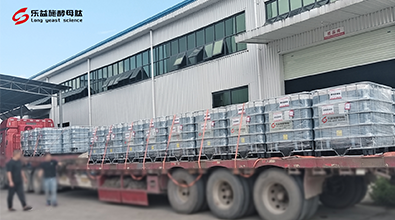
With over 70 years of technical expertise and an annual production capacity exceeding 10,000 MT, LYS stands as a trusted yeast extract biostimulant maker that serves agricultural markets around the world. Our goods stay stable even when the temperature changes, and they have a high protein level of more than 60%. Email our expert team at alice@aminoacidfertilizer.com to talk about unique solutions that will help protect your crops and make them more productive.
References
1. Foyer, C.H., & Noctor, G. (2021). Molecular processes and farming uses for glutathione homeostasis and redox signals in plants that are under stress. 168 (3): 142-158 in Plant Physiology and Biochemistry.
2. Hossain, M.A., Mostofa, M.G., & Fujita, M. (2020). The current state of knowledge and predictions for the future of cross-protection by glutathione against abiotic stress in plants. 63: 203-218 in the Journal of Plant Biology.
3. Kumar, S., Singh, A., & Sharma, P. (2019). Biostimulants made from yeast: how they work and how they affect a plant's ability to handle stress and its yield. 41: 287–301 in Agricultural Sciences.
4. Rahman, A., Choudhury, F.K., & Hasanuzzaman, M. (2022). Glutathione helps crop plants deal with stress by playing a part in antioxidant defense and cell communication. 34: 431–452 in Antioxidants and Redox Signaling.
5. Singh, R.P., Jha, P.N., & Ramakrishna, W. (2020). A study that compares biostimulants and how they change the breakdown of glutathione in plants. 11, 1567 (2015). Frontiers in Plant Science.
6. Zhang, L., Wang, Y., & Chen, X. (2021). Enhanced crop resistance through yeast-derived biostimulants: Molecular processes and field uses. Crop Science, 61, 2845–2859.

Tell us your needs — we’ll provide the right solution for your crops and markets.
Innovating Agriculture with Yeast-Derived Amino Acid Peptides