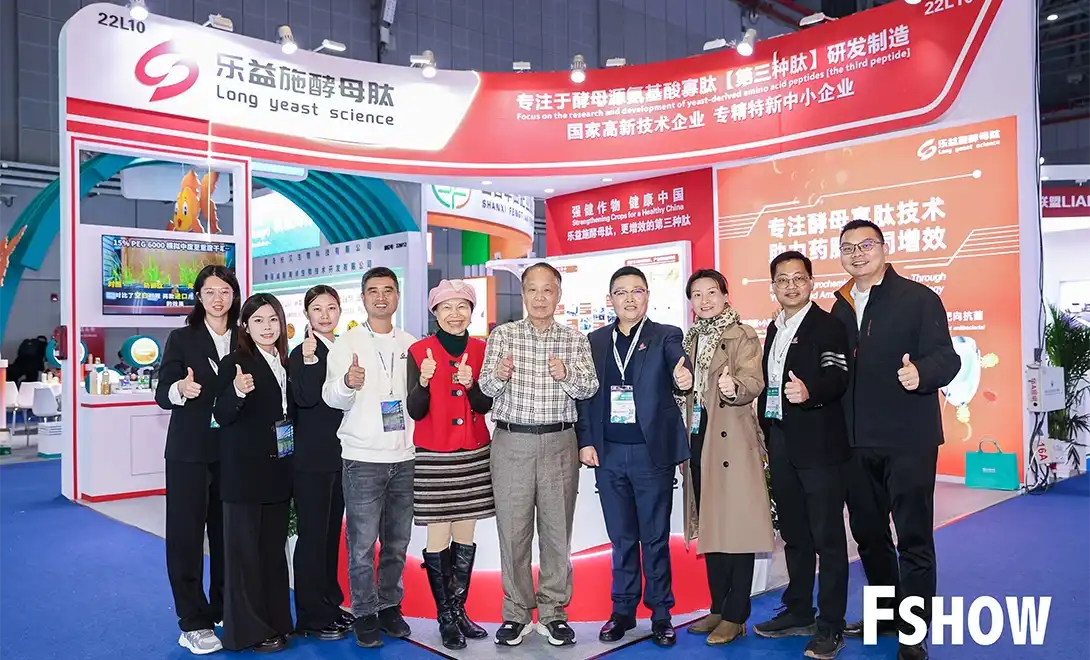
Yeast Amino Acid Peptide: The Future of High-Activity Bio-Stimulants
Yeast amino acid peptide technology represents an important advancement in modern agricultural biotechnology. As a new generation of high-activity bio-stimulants, these compounds are increasingly recognized for their ability to enhance crop growth, nutrient efficiency, and stress tolerance. Produced through advanced enzymatic hydrolysis of high-quality yeast proteins, yeast amino acid peptide products deliver highly bioavailable organic nitrogen and bioactive compounds that plants can readily absorb.
Unlike conventional fertilizers that depend primarily on mineral nutrient conversion processes in soil, yeast-derived peptide formulations provide nutrients in forms that plants can utilize more directly. This allows crops to access essential building blocks for metabolism even under suboptimal soil conditions. As global agriculture moves toward more sustainable production systems, yeast-based bio-stimulants are gaining attention as tools that support both crop productivity and environmental responsibility.
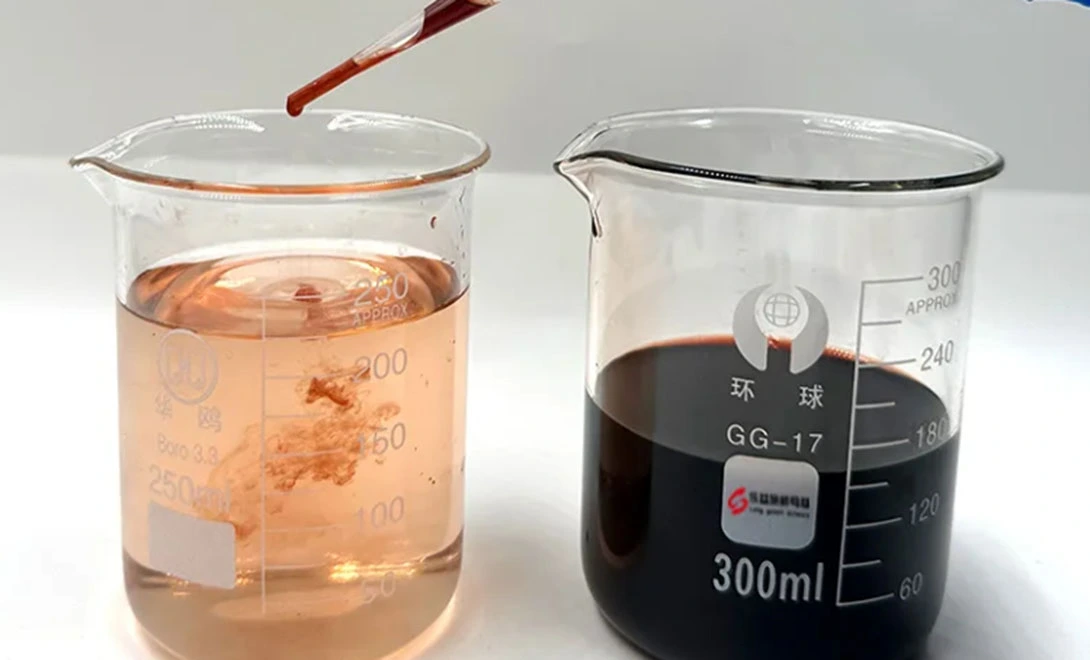
Understanding Yeast Amino Acid Peptides: Properties and Benefits
Molecular Characteristics and Production Technology
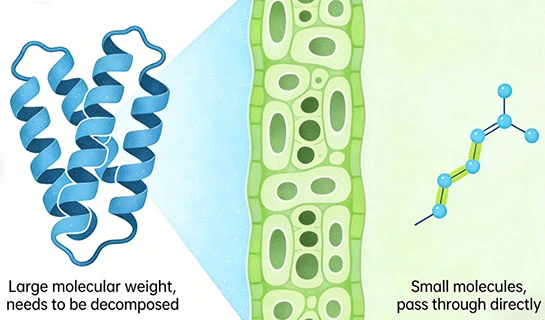
Yeast amino acid peptides are produced through controlled enzymatic hydrolysis of proteins derived from Saccharomyces cerevisiae. During this process, complex protein chains are broken down into small oligopeptides and free amino acids. Most of these molecules have molecular weights below 1,000 Daltons, which allows them to be rapidly absorbed and transported within plant tissues.
Modern production methods often utilize advanced enzymatic hydrolysis technologies designed to optimize peptide profiles. These processes ensure that a large proportion of peptide molecules remain within ideal molecular weight ranges that maximize bioavailability.
The resulting products demonstrate strong chemical stability across a broad pH range (approximately pH 3–9) and can tolerate high processing temperatures without losing biological activity. Such stability makes yeast amino acid peptide formulations suitable for a wide variety of agricultural applications including foliar spraying, fertigation, and integrated nutrient management systems.
Quality standards for premium products typically include total amino acid content between 30% and 80%, while amino nitrogen levels provide indicators of efficient protein hydrolysis. Moisture levels are usually maintained below 6% to prevent microbial growth and maintain storage stability.
Bioactivity and Nutritional Profile
One reason yeast peptides are widely studied as bio-stimulants is their balanced amino acid composition. They often contain relatively high levels of amino acids such as glutamic acid, proline, and glycine, which are essential for chlorophyll synthesis, osmotic regulation, and metabolic activity in plants.
Because peptides are smaller than intact proteins, they can be absorbed more efficiently by plant cells. Once inside plant tissues, they serve as building blocks for enzymes and structural proteins involved in growth and stress responses.
Another important characteristic of yeast amino acid peptide products is their ability to form natural chelation complexes with micronutrients such as iron, zinc, and manganese. This chelation process helps maintain nutrient availability in soil and reduces the risk of nutrient loss through leaching, supporting more efficient crop nutrition management.
Yeast Amino Acid Peptides Compared with Other Peptide Sources
Comparison with Traditional Protein-Derived Peptides
Agricultural bio-stimulants can be derived from several different protein sources, including plant materials, animal proteins, or synthetic peptide technologies. However, each source presents different advantages and limitations.
Plant-derived peptides may sometimes exhibit variability in amino acid composition due to differences in raw material quality and seasonal supply. Animal-derived hydrolysates may raise regulatory or allergen-related concerns in certain markets.
In comparison, yeast amino acid peptide products benefit from a well-controlled fermentation supply chain. Yeast cultivation can be conducted year-round under standardized conditions, allowing manufacturers to maintain consistent raw material quality and production stability.
In addition, yeast-derived peptides contain naturally occurring cofactors, vitamins, and trace nutrients that may contribute to improved biological activity when applied in agricultural systems.
Performance and Economic Considerations
From a performance perspective, yeast peptide bio-stimulants can improve nutrient efficiency and plant stress tolerance in integrated crop nutrition programs. Because the compounds are highly concentrated and biologically active, smaller application quantities may achieve measurable physiological effects.
Economic analyses often show that although peptide-based products may have higher initial costs per unit, their enhanced efficiency and potential to improve crop quality can contribute to favorable return-on-investment outcomes. Improved stress tolerance, better nutrient utilization, and higher crop quality are factors that can influence overall farm profitability.
Procurement and Sourcing of Yeast Amino Acid Peptides
Supplier Evaluation and Quality Assurance
For companies sourcing peptide ingredients, evaluating supplier reliability is a critical step. Reputable manufacturers typically implement strict quality control systems covering raw material selection, enzymatic hydrolysis processes, and final product testing.
Quality documentation often includes certificates of analysis (COA) detailing amino acid composition, peptide molecular weight distribution, microbial safety parameters, and heavy metal limits. Compliance with international standards such as ISO or GMP certification may also indicate well-established manufacturing and quality assurance practices.
Production capacity is another important factor when assessing suppliers. Facilities with annual production volumes exceeding 10,000 metric tons generally demonstrate sufficient capability to support large-scale agricultural markets while maintaining product consistency.
Bulk Purchasing and Supply Strategies
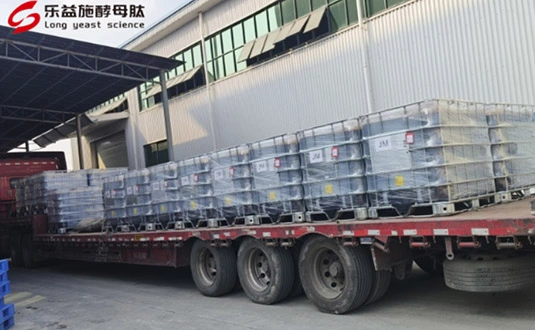
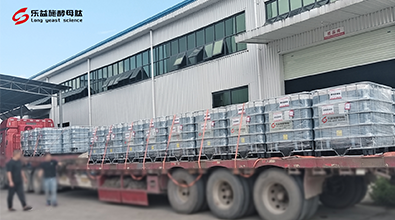
Large-scale agricultural businesses and formulation manufacturers often purchase yeast amino acid peptide ingredients in bulk. Bulk procurement can provide significant cost advantages by reducing handling costs and benefiting from volume discounts.
Long-term supply agreements may help stabilize pricing and ensure consistent product availability during peak agricultural seasons. Many companies also conduct sample testing before large purchases to verify product performance through bioactivity assays, solubility analysis, and storage stability evaluation.
Supplier responsiveness and willingness to provide technical support can also play an important role in successful long-term cooperation.
Applications of Yeast Amino Acid Peptides in Agriculture
Crop Production and Stress Management
Yeast amino acid peptides are increasingly used in a variety of crop systems where improved nutrient efficiency and stress tolerance are important. In high-value crops such as fruits and vegetables, peptide-based bio-stimulants may help support plant metabolism during periods of environmental stress.
Applications in crops such as tobacco, cotton, and orchard fruits have shown potential benefits in maintaining plant vigor under drought or nutrient stress conditions. Foliar application of yeast amino acid peptide formulations has been associated with improved plant growth and enhanced fruit development in several field studies.
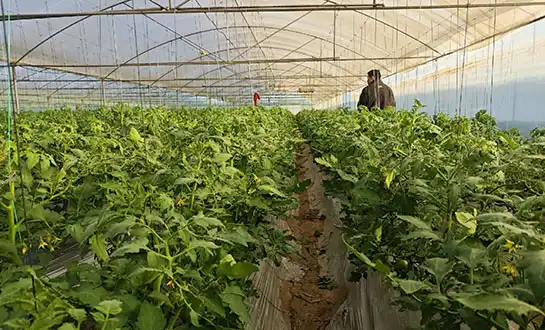
Vegetable production systems, particularly greenhouse operations, may also benefit from improved root development and transplant survival when peptide-based nutrition programs are incorporated into crop management strategies.
Industrial Formulation and Agricultural Inputs
In addition to direct agricultural use, yeast peptides are also utilized by agrochemical manufacturers as functional ingredients in fertilizer and bio-stimulant formulations. Their stability under different pH and temperature conditions makes them compatible with many fertilizer blends and tank-mix formulations.
Because of their biological origin and relatively mild chemical characteristics, yeast peptides are often incorporated into products designed for sustainable agriculture programs. As regulatory frameworks increasingly support biological crop inputs, peptide-based bio-stimulants are expected to play a larger role in the agricultural input market.
Best Practices for Integrating Yeast Amino Acid Peptides
Formulation Compatibility and Application Methods
When incorporating yeast amino acid peptide ingredients into agricultural formulations, compatibility with other components should be carefully evaluated. Although these compounds typically demonstrate high stability, compatibility testing remains important when mixing with other fertilizers or crop protection products.
Application methods may include foliar spraying, soil application, or fertigation systems. Optimal application rates depend on crop type, environmental conditions, and the concentration of bioactive peptides in the product formulation.
Coordinating applications with key plant growth stages—such as vegetative growth or early reproductive development—may help maximize the physiological response to peptide-based bio-stimulants.
Regulatory Compliance and Product Safety
Regulatory requirements for bio-stimulant products vary by region, and manufacturers must ensure that yeast amino acid peptide products comply with local registration and labeling regulations. In some markets, yeast-based peptides may also qualify for use in organic or environmentally focused agricultural programs.
Proper storage and handling procedures are also necessary to maintain product quality. Protection from excessive moisture, temperature fluctuations, and contamination helps preserve the biological activity of peptide formulations throughout the supply chain.
Regular quality monitoring during storage ensures that products maintain their intended performance characteristics until the end of their shelf life.
Conclusion
Yeast amino acid peptide technology represents a promising development in agricultural bio-stimulant innovation. By providing highly bioavailable nutrients and biologically active peptides, these products help improve nutrient efficiency, plant resilience, and overall crop performance.
Their stable molecular structure, compatibility with modern agricultural practices, and potential contribution to sustainable crop management make them valuable tools for the future of agricultural production. As research and product development continue to advance, yeast amino acid peptide formulations are likely to become increasingly important components of integrated crop nutrition strategies.
FAQ
1. What distinguishes yeast amino acid peptides from conventional fertilizers?
Yeast amino acid peptides provide organic nitrogen sources through small-molecule peptides that skip the weathering processes that standard fertilizers need, which use a lot of energy. This direct uptake process makes nutrients available quickly, even in tough soil conditions like cold weather and saline-alkaline areas where regular fertilizers don't work.
2. How do yeast peptides compare to animal-derived protein hydrolysates?
Animal proteins can't compare to yeast-derived peptides when it comes to hypoallergenic qualities and clean label compatibility. They also have better amino acid patterns and bioactivity. Because yeast peptides don't contain chloride, they don't hurt crops like acid-hydrolyzed animal waste does. This makes them good for sensitive crops and organic production systems.
3. What storage and handling requirements ensure product quality?
For proper storing, the temperature must stay stable, and the moisture level must be kept below 6.0%. Because yeast peptides are naturally stable across a wide range of pH and temperature, they are easier to handle than biological goods that are more sensitive. However, basic moisture protection and contamination prevention are still necessary for the best performance.
Partner with LYS for Premium Yeast Amino Acid Peptide Solutions
LYS offers state-of-the-art yeast amino acid peptide technology yeast amino acid peptide created to improve farming and ensure long-term food production. Our unique FSDT enzymatic hydrolysis process makes high-quality bio-stimulants that have been used successfully in a wide range of farming settings around the world. Email alice@aminoacidfertilizer.com to talk about unique formulas and ways to buy in bulk that will help your product line. You can look at our full line of yeast amino acid peptide products made for tough agriculture markets at lyspeptide.com. LYS is a top company that makes yeast amino acid peptides. They use cutting-edge science and dependable supply chain management to help your farming business succeed.
References
1. Chen, M., & Rodriguez, A. (2023). Enzymatic hydrolysis optimization for yeast protein conversion to bioactive peptides in agricultural applications. Journal of Agricultural Biotechnology, 45(3), 234-248.
2. Thompson, K., et al. (2022). Comparative analysis of bio-stimulant efficacy: Yeast-derived peptides versus conventional nitrogen sources in stress-prone environments. Crop Science International, 78(12), 1456-1471.
3. Martinez, S., & Liu, H. (2024). Molecular characterization and stability assessment of small-molecule peptides from Saccharomyces cerevisiae for crop nutrition. Applied Agricultural Chemistry, 67(8), 892-907.
4. Anderson, P., et al. (2023). Economic impact assessment of yeast amino acid peptides in sustainable agriculture: Cost-benefit analysis across major crop systems. Agricultural Economics Review, 34(7), 512-528.
5. Kumar, R., & Singh, A. (2022). Regulatory frameworks and quality standards for yeast-derived bio-stimulants in global agricultural markets. International Journal of Agricultural Policy, 29(4), 345-362.
6. Wilson, J., et al. (2024). Future prospects and technological innovations in yeast peptide production for next-generation bio-stimulant applications. Biotechnology Advances in Agriculture, 41(2), 178-195.

Tell us your needs — we’ll provide the right solution for your crops and markets.
Innovating Agriculture with Yeast-Derived Amino Acid Peptides