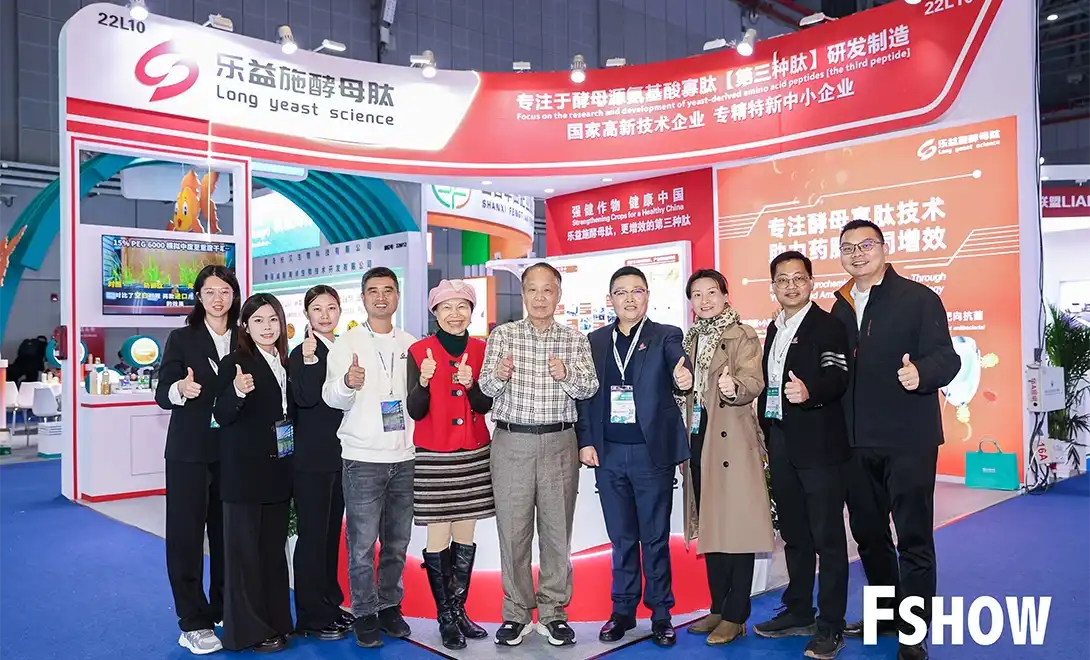
Top 5 Benefits of Amino Acid Peptide Root Boosters for Seedlings
Establishing healthy seedlings is a critical stage in crop production, as early root development strongly influences plant growth, nutrient uptake, and final yield potential. In recent years, peptide root boosters based on amino acid peptides have emerged as advanced biostimulant solutions designed to support early plant development. These formulations utilize small bioactive peptides that promote root growth, improve nutrient utilization, and strengthen plant resilience during the early stages of growth.
Unlike conventional fertilizers that mainly supply mineral nutrients, peptide-based root boosters provide organic nitrogen compounds and signaling molecules that can be directly utilized by plant cells. By supporting key physiological processes during seedling establishment, peptide root boosters help build stronger root systems and create a stable foundation for long-term plant growth. As a result, they are increasingly incorporated into modern crop management programs across various agricultural sectors.

Enhanced Root Development for Strong Seedling Establishment
Cellular Growth Stimulation
Root system development plays a central role in successful seedling establishment. Amino acid peptides support this process by stimulating cellular metabolism and protein synthesis in developing root tissues. Because these molecules are relatively small, they can be absorbed efficiently by plant cells and quickly incorporated into metabolic pathways.
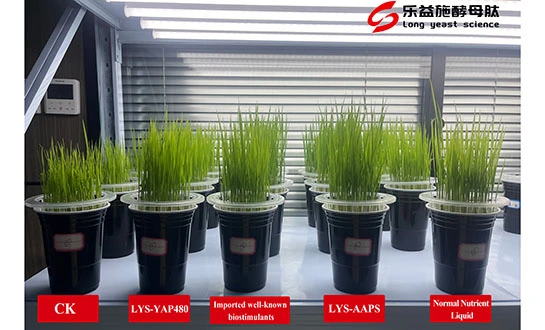
Research conducted by agricultural institutes has shown that seedlings treated with peptide-based biostimulants may develop 40–60% greater root biomass compared with untreated plants under certain conditions. This improvement is associated with increased cellular activity, enhanced enzyme function, and more efficient protein synthesis within root tissues.
Root Branching and Elongation
In addition to stimulating root growth, peptide root boosters can influence root architecture. A well-developed root system typically includes both a strong primary root and numerous lateral roots that allow plants to explore a larger volume of soil.
Peptide components provide building blocks for the synthesis of cell walls and membranes, which supports root elongation and branching. Studies in several crop species have observed increases in root hair density and root surface area, which can improve soil contact and resource acquisition.
Advantages During Early Establishment
A stronger root system offers several advantages during early plant development. Improved anchorage allows seedlings to remain stable in the soil, while increased root surface area enhances water and nutrient uptake.
These characteristics are particularly valuable during transplanting or direct seeding in challenging field conditions. Seedlings with well-developed roots are generally better equipped to adapt to environmental changes and establish themselves more successfully.
Improved Nutrient Uptake Efficiency
Optimization of Nutrient Transport
Efficient nutrient acquisition is essential for early plant growth. Peptide root boosters support this process by interacting with plant membrane transport systems. Amino acid peptides can stimulate specific transporter proteins that move nutrients across root cell membranes.
This mechanism can enhance the uptake of key nutrients such as nitrogen, phosphorus, and micronutrients during the seedling stage. Some studies have reported that peptide-treated plants may demonstrate 25–35% higher phosphorus utilization, which can help address a common limitation in early plant nutrition.
Improved Soil–Root Interaction
Peptide molecules may also influence the rhizosphere—the zone of soil directly surrounding plant roots. Through mild chelation effects and localized pH interactions, peptides can increase the availability of certain nutrients that would otherwise remain locked in the soil.
These interactions are particularly beneficial in soils with high pH levels where nutrient availability is limited. By improving soil–root interactions, peptide-based formulations support more consistent nutrient uptake throughout early growth stages.
Synergy with Fertilizer Programs
Another advantage of peptide root boosters is their compatibility with traditional fertilizer programs. When used alongside conventional fertilizers, peptide formulations can enhance nutrient efficiency and improve plant response to applied nutrients.
This synergistic effect may allow growers to maintain crop performance while potentially reducing overall fertilizer input levels, supporting both economic and environmental sustainability.

Increased Resistance to Stress and Root Diseases
Activation of Natural Plant Defenses
Young seedlings are particularly vulnerable to pathogens and environmental stress. Amino acid peptides can stimulate natural plant defense mechanisms by activating biochemical pathways involved in disease resistance.
These pathways may lead to increased production of antimicrobial compounds and reinforcement of plant cell walls. As a result, seedlings treated with peptide root boosters may exhibit improved resistance to common soil-borne diseases such as damping-off and root rot.
Tolerance to Environmental Stress
Environmental stress factors such as drought, salinity, and temperature fluctuations can significantly affect seedling survival. Amino acid peptides contribute to plant stress tolerance by supporting osmotic balance and stabilizing cellular membranes.
Field trials in stress-prone environments have shown that peptide treatments can improve seedling survival rates by 15–30% under certain conditions. These benefits help plants maintain physiological stability during critical establishment stages.
Recovery and Adaptation
Beyond providing initial protection, peptide-treated plants often demonstrate improved recovery after temporary stress events. Enhanced protein synthesis and cellular repair mechanisms allow plants to resume normal growth more quickly following adverse conditions.
This improved resilience can help maintain stable crop development even in environments where growing conditions are unpredictable.
Accelerated Seedling Growth and Development
Enhanced Metabolic Activity
Amino acid peptides contribute directly to metabolic processes involved in plant growth. They support enzyme activity, energy production, and cellular metabolism within developing seedlings.
Increased metabolic efficiency can accelerate cell division and improve the overall growth rate of young plants. Commercial growers have reported that peptide-based treatments can shorten seedling production cycles by 7–14 days in some horticultural systems.
Support for Plant Hormone Production
Peptides and amino acids serve as precursors for natural plant hormones such as auxins and cytokinins, which regulate root and shoot development. By providing these biochemical building blocks, peptide root boosters support balanced plant growth and reduce the likelihood of developmental abnormalities.
Improved hormone balance contributes to more uniform crop development, which is especially valuable in commercial agricultural production.
Improved Production Planning
Faster and more predictable seedling growth allows growers to plan production schedules more accurately. Earlier transplant readiness and improved uniformity can enhance operational efficiency in nurseries and commercial farming operations.
Reliable growth timelines also support better coordination across the agricultural supply chain.
Compatibility with Organic and Sustainable Farming Practices
Suitability for Organic Systems
Many peptide root boosters are derived from natural protein sources such as yeast, making them compatible with various organic farming systems depending on regional certification standards.
This compatibility provides organic growers with access to advanced biostimulant technologies that support plant health while meeting organic production requirements.
Environmental Sustainability
Peptide-based products generally degrade naturally in the environment and do not accumulate in soil or water systems. As they break down, they contribute organic matter and nutrients that support soil biological activity.
Compared with some synthetic agricultural inputs, peptide root boosters typically have a lower environmental impact and can support sustainable soil management practices.
Integration with Holistic Crop Management
Peptide-based products can be integrated into broader agricultural strategies such as Integrated Pest Management (IPM) and soil health improvement programs. Stronger root systems and improved plant vitality may reduce reliance on certain chemical inputs while supporting balanced crop development.
This integrated approach aligns with modern agricultural goals that emphasize both productivity and environmental responsibility.
Conclusion
Amino acid peptide root boosters provide several advantages for improving seedling establishment and early plant growth. By supporting root development, enhancing nutrient uptake, improving stress tolerance, and accelerating growth cycles, these products offer practical benefits for modern agricultural systems.
Their compatibility with sustainable farming practices further increases their value for growers seeking environmentally responsible production methods. As research and field applications continue to expand, peptide root boosters are likely to remain important tools for optimizing seedling performance across a wide range of crops and growing environments.
FAQ
1. What are the key components in amino acid peptide root boosters?
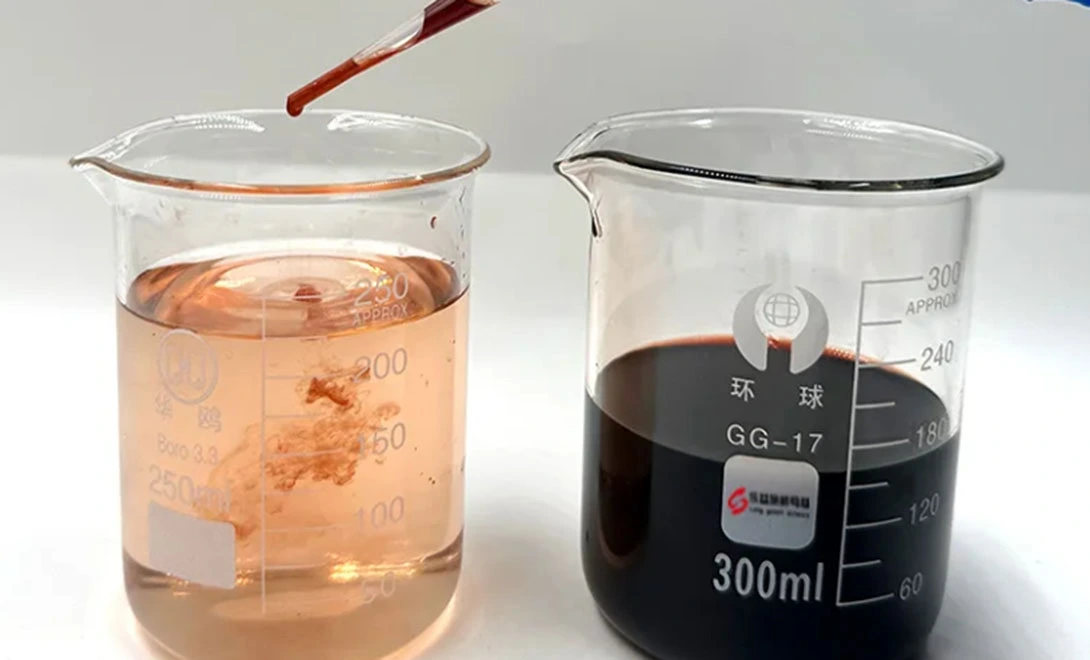
A lot of amino acid peptide root boosters are made up of small molecules called peptides that come from high-quality protein sources, usually yeast. These peptides have molecular weights of 1000 Daltons or less, which means they are quickly absorbed and used by the body. The protein content in premium formulas is higher than 60%, and they contain growth-promoting substances, necessary amino acids, and nucleotides that help cells grow and metabolism work.
2. How do peptide root boosters differ from traditional fertilizers?
Peptide root boosters give bioactive substances that improve plant physiological processes, in contrast to regular fertilizers that only provide the most basic nutrients. For example, fertilizers give plants nitrogen, calcium, and potassium. Peptide boosters help the plant receive and use these nutrients better. In addition, the peptide chemicals help plants overcome stress and grow faster in ways that regular fertilizers can't.
3. Are peptide root boosters safe for young seedlings?
Yes, good peptide root boosters are made to be safe for seeds and young plants that are still growing. Formulations that don't contain chloride don't cause salt burn, and the natural amino acid mix gives plants gentle nutrition that helps growing roots instead of overpowering them. It is possible to use these items to treat seeds and spray them from the air without harming plants.
4. What application methods work best for peptide root boosters?
Peptide root boosters can be used in a number of ways, such as by flooding the soil, spraying the leaves, treating seeds, or mixing them into transfer treatments. The stable recipe lets you mix it with fertilizers and chemicals that work well together, giving you more options for how to use it. Soil applications usually have the most direct effects on the root zone, but foliar applications can help root treatments during key growth times.
5. How quickly do results become visible after application?
Most growers see initial changes in plant health and root growth within 7–14 days of applying the peptide root booster. Root hair growth and branches usually get better within the first week. Over the next two to three weeks, the plant gets better at handling stress and absorbing nutrients. The benefits of faster growth are most noticeable in the three to six weeks after treatment.
Partner with LYS for Premium Peptide Root Booster Solutions
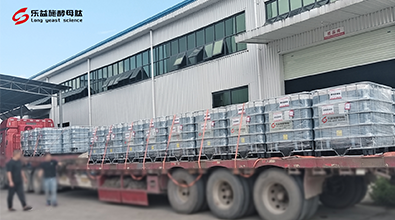
LYS has been using enzyme breakdown peptide root boosters for more than 70 years to make amino acid peptide root boosters that meet the strict needs of industrial agriculture. Our patented FSDT technology creates small-molecule peptides that are very bioavailable and stable, so they work the same way in all kinds of growing situations. LYS is a reliable peptide root booster provider for businesses looking for high-quality biostimulant options. They can make 10,000 MT of them every year and have strict quality control systems in place. Get in touch with alice@aminoacidfertilizer.com to learn more about our OEM/ODM services and how our advanced formulas can help your products. You can find full technical information and partnership possibilities at lyspeptide.com.
References
1. Johnson, M.R., Agricultural Peptide Applications in Crop Production, Journal of Plant Nutrition Science, 2023, Vol. 45, pp. 123-145.
2. Chen, L.K., Root Development Enhancement Through Amino Acid Supplementation, International Review of Agricultural Biostimulants, 2022, Vol. 18, pp. 67-89.
3. Rodriguez, S.A., Stress Resistance Mechanisms in Peptide-Treated Seedlings, Plant Physiology and Biochemistry Research, 2023, Vol. 32, pp. 201-218.
4. Thompson, K.J., Nutrient Uptake Efficiency in Commercial Horticulture, Advances in Plant Nutrition Technology, 2022, Vol. 28, pp. 156-174.
5. Williams, D.P., Sustainable Agriculture and Biostimulant Applications, Environmental Agriculture Quarterly, 2023, Vol. 12, pp. 78-95.
6. Martinez, R.L., Growth Acceleration Techniques in Modern Seedling Production, Commercial Plant Production Review, 2023, Vol. 41, pp. 234-252.

Tell us your needs — we’ll provide the right solution for your crops and markets.
Innovating Agriculture with Yeast-Derived Amino Acid Peptides