Using Peptide Fertilizers for Sustainable Fertigation
Peptide fertilizer technology represents an important development in sustainable agricultural nutrition. For formulation manufacturers and specialty fertilizer producers, peptide-based products provide an opportunity to incorporate highly bioactive ingredients into modern crop nutrition programs. Derived from high-quality protein sources such as yeast, these small-molecule compounds can improve nutrient availability while supporting soil biological activity.
When used in fertigation systems, peptide fertilizer formulations can deliver nutrients directly to the plant root zone with high efficiency. This method supports consistent crop nutrition while aligning with the environmental goals increasingly required in modern agriculture. By combining biological activity with compatibility in irrigation systems, peptide fertilizers are becoming an important component of integrated nutrient management strategies.
Understanding Peptide Fertilizers in Sustainable Fertigation
The Role of Peptide-Based Crop Nutrition
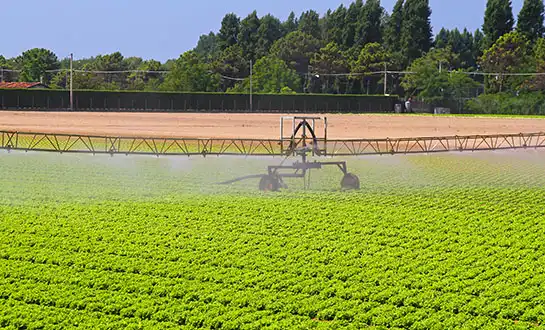
Balancing agricultural productivity with environmental responsibility is one of the main challenges facing modern farming systems. Fertigation—applying nutrients through irrigation—has become a widely adopted solution because it allows precise nutrient delivery and efficient water use.
Within this system, peptide fertilizer products offer a biologically active nutrient source. These fertilizers typically contain short-chain amino acid sequences with molecular weights below 1000 Daltons, allowing plants to absorb them efficiently through root systems or foliar tissues.
Because peptides can participate directly in plant metabolic pathways, they often function not only as nutrient sources but also as physiological stimulants. This dual role helps plants improve nutrient utilization efficiency while maintaining balanced growth under variable environmental conditions.
Scientific Principles Behind Peptide-Based Nutrition
Molecular Absorption and Nutrient Efficiency
Peptide fertilizers differ from conventional chemical fertilizers primarily in their biological origin and molecular structure. Research suggests that small peptide molecules can penetrate plant tissues more easily than larger proteins or many synthetic nutrient compounds.
This enhanced absorption can lead to improved nutrient efficiency and reduced nutrient loss in agricultural systems. Once absorbed, peptides provide amino acids that serve as building blocks for proteins, enzymes, and other important metabolic components within plant cells.
Because peptide fertilizers maintain high solubility and stability, they are particularly suitable for fertigation systems. These formulations typically remain evenly dispersed in irrigation solutions across a wide temperature range, which simplifies tank mixing with other fertilizers or crop protection products. Such compatibility improves operational efficiency for large-scale agricultural applications.
Environmental Advantages of Bio-Based Fertilizers
Sustainable fertigation practices increasingly rely on inputs that support soil health in addition to supplying nutrients. Peptide fertilizer products contribute to this goal by stimulating beneficial microbial activity within the soil ecosystem.
Active microbial communities improve natural nutrient cycling processes and can gradually enhance soil structure and water-holding capacity. Studies suggest that regular use of peptide-based nutrients may help maintain soil fertility over time.
Another advantage is that high-quality peptide fertilizers generally have a low salt index, making them safer for sensitive crops and young seedlings. Their relatively mild composition also allows them to be used in applications such as seed treatment, fertigation, and foliar spraying without significant risk of phytotoxicity.
Optimizing Fertigation Systems with Peptide Fertilizers
Drip Irrigation Integration Strategies
Drip irrigation systems are highly compatible with peptide fertilizers because of their precise nutrient delivery and low risk of system blockage. The small molecular size of peptide compounds allows them to pass through filters and irrigation equipment without forming residues.
Typical application rates vary depending on crop type and soil conditions, but concentrations often range from 0.5 kg to 2 kg per acre during key growth periods. Applying peptide fertilizer during active vegetative growth or early reproductive stages often produces the most noticeable benefits.
Timing also influences effectiveness. Early morning or late afternoon applications help minimize evaporation losses while allowing plants sufficient time to absorb nutrients before exposure to intense sunlight.
Foliar Application Techniques
In addition to fertigation, foliar spraying provides a rapid method of delivering peptide nutrients directly to plant tissues. Because peptides are small and biologically active, they can penetrate leaf surfaces more efficiently than many traditional fertilizers.
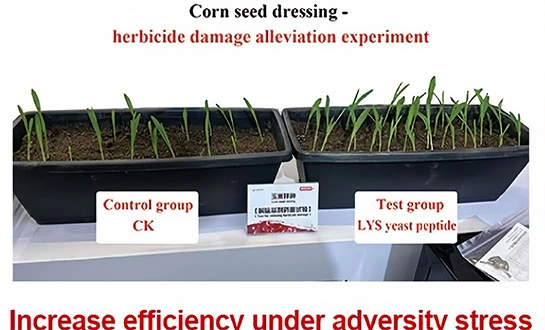
Foliar applications are particularly useful when crops experience environmental stress or temporary nutrient deficiencies. Applying solutions under moderate temperatures and higher humidity levels typically improves absorption efficiency and reduces the risk of leaf damage.
Some modern peptide formulations also include bioactive compounds such as nucleotides or plant metabolites that may assist plants in recovering from stress conditions and strengthening natural defense responses.
System Compatibility and Mixing Guidelines
A key advantage of high-quality peptide fertilizer products is their chemical stability. These fertilizers typically remain stable across a wide pH and temperature range, allowing them to be mixed with many conventional fertilizers or crop protection products.
Such compatibility enables integrated nutrient management strategies that combine fertilization and crop protection within a single irrigation program. In some cases, synergistic interactions between peptide nutrients and agrochemicals may improve overall treatment efficiency, potentially reducing the total input requirements while maintaining crop performance.
Comparing Peptide Fertilizers with Other Fertilizer Types
Peptide Fertilizers vs. Amino Acid Fertilizers
Both peptide fertilizers and amino acid fertilizers provide organic nitrogen sources, but their chemical structures differ. Amino acid fertilizers typically contain individual amino acids, whereas peptide fertilizer formulations contain short chains of linked amino acids.
These peptide chains provide greater molecular stability and may allow slower, more controlled nutrient availability. As a result, crops can receive a more consistent nutrient supply throughout key growth stages, potentially reducing the frequency of fertilizer applications.
Peptides may also remain stable under a wider range of environmental conditions, which can be beneficial in regions with high temperatures or fluctuating soil conditions.
Comparison with Conventional Chemical Fertilizers
Conventional mineral fertilizers provide nutrients rapidly but may not contribute significantly to long-term soil health. In contrast, peptide-based fertilizers combine nutrient supply with biological activity that supports soil microbial populations.
Economic analyses often show that although peptide fertilizers may have higher initial unit costs, their improved nutrient use efficiency can reduce overall fertilizer requirements. Some studies indicate that improved nutrient utilization may reduce total fertilizer inputs by 15–25% compared with conventional chemical fertilization programs.
Quality Assurance and Production Standards
The effectiveness of peptide fertilizers depends strongly on manufacturing quality. Advanced production processes—particularly enzymatic hydrolysis technologies—are used to produce peptide fractions with controlled molecular weight distributions.
High-quality products typically contain protein levels above 60%, ensuring adequate peptide concentration for agricultural applications. Manufacturers with advanced processing technologies can maintain consistent peptide profiles, which contributes to predictable field performance.
Procurement Strategies for Peptide Fertilizer Products
Supplier Evaluation Criteria
Selecting reliable suppliers is a key step in developing successful fertilizer procurement strategies. Buyers should evaluate suppliers based on production capacity, technical expertise, and quality control systems.
Manufacturers specializing in enzymatic peptide production and agricultural biotechnology often provide more consistent product quality. Facilities with annual production capacities exceeding 10,000 metric tons typically demonstrate the scale required to support large agricultural markets.
Technical Support and Agronomic Services
Leading peptide fertilizer suppliers often provide technical support services including application guidelines, compatibility testing, and agronomic consultation. These services help farmers and distributors optimize fertigation programs and address operational challenges.
Access to agronomic expertise is particularly valuable when adapting peptide fertilizer programs to specific crops, soil conditions, or climatic environments.
Partnership Development
Long-term partnerships between fertilizer buyers and manufacturers can create additional benefits. Collaboration may allow companies to develop customized formulations, participate in field trials, or gain early access to new product technologies.
Stable supply agreements can also help buyers secure consistent product availability and predictable pricing, particularly during peak agricultural seasons.
Future Prospects for Peptide Fertilizers in Sustainable Agriculture
Integration with Precision Agriculture
Emerging agricultural technologies are creating new opportunities for integrating peptide fertilizer products into precision farming systems. Smart fertigation technologies can monitor soil moisture, plant health, and environmental conditions in real time.
These data-driven systems allow nutrient applications to be adjusted automatically according to crop demand. Such integration may improve fertilizer efficiency while minimizing environmental impact.
Expanding Research and Crop Applications
Ongoing research is exploring new peptide formulations that combine nutrient supply with bioactive compounds designed to address specific crop challenges such as salinity stress or nitrogen deficiency.
As research progresses, peptide fertilizers may find broader applications across field crops, horticultural systems, and greenhouse production. These developments suggest continued growth in the use of peptide-based nutrition as part of sustainable agricultural practices.
Conclusion
Peptide fertilizers represent a promising advancement in sustainable fertigation technology. By combining biologically active nutrients with compatibility in modern irrigation systems, peptide fertilizer products help improve nutrient efficiency while supporting soil health.
Their molecular structure allows efficient absorption and stable performance under diverse environmental conditions. When integrated with current fertigation systems, peptide fertilizers provide flexible application options for farms of various sizes.
As agricultural systems continue to evolve toward greater sustainability and efficiency, peptide fertilizers are likely to become increasingly important components of modern crop nutrition strategies.
FAQ
1. What makes peptide fertilizers different from traditional fertilizers?
Peptide fertilizers are made up of small molecules of amino acids with molecular weights below 1000 Da. They are more bioavailable than regular chemical fertilizers. Their organic nature supports healthy soil microbes and helps plants absorb nutrients more efficiently while making them more resistant to stress.
2. How do I determine the right application rate for peptide fertilizers?
Depending on the type of crop, its stage of growth, and the state of the land, the application rate is usually between 0.5 kg and 2 kg per hectare. Talk to technical experts who can give you advice that is tailored to your individual operational needs and the powers of your fertigation system.
3. Can peptide fertilizers be mixed with other agricultural inputs?
In fact, good peptide fertilizers work very well with regular fertilizers and crop safety products. Their ability to stay stable at different temperatures makes tank mixing safe, but you should test for compatibility before using new product mixes in your business.
4. What quality certifications should I look for when sourcing peptide fertilizers?
Look for goods that have a protein content that is known to be higher than 60% and molecular weight specs that back up small-peptide profiles. As a quality assurance measure, suppliers should show proof of consistent production methods using advanced enzyme processing technologies.
Partner with LYS for Premium Peptide Fertilizer Solutions
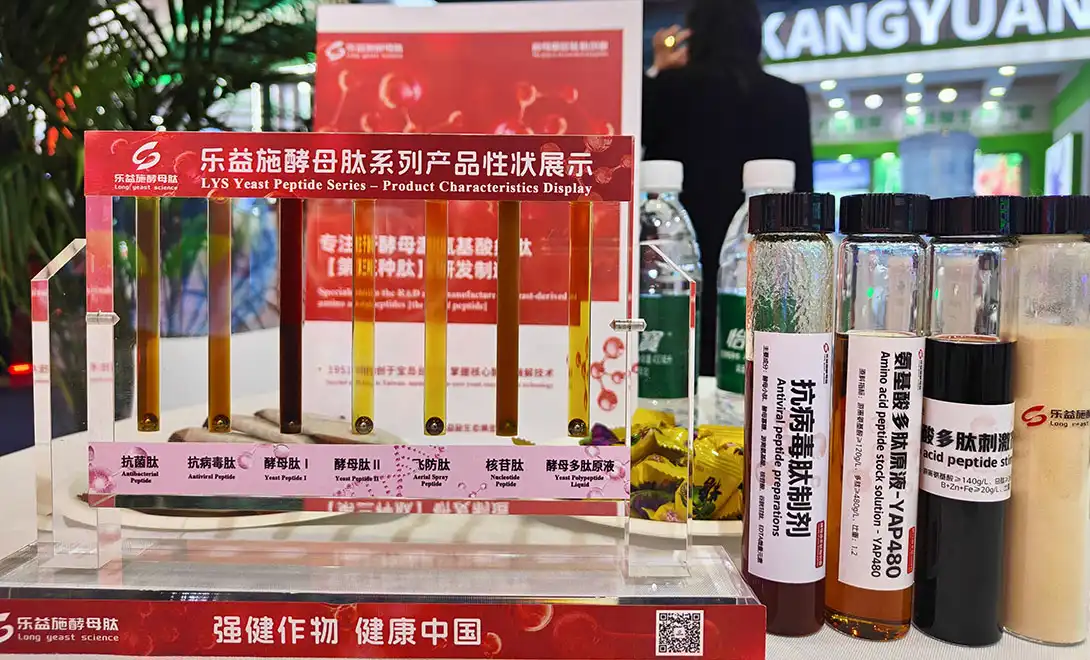
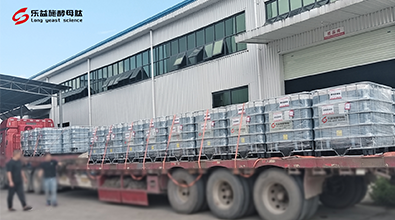
For industrial farming activities, LYS offers cutting-edge peptide fertilizer technology made just for long-lasting fertigation functions. Our special FSDT enzyme hydrolysis system, peptide fertilizer, which we've created after more than 70 years of technical work, makes high-quality small-molecule peptides that are better at being bioavailable and stable at high temperatures. We are your reliable source for peptide fertilizer for large-scale farming success. We can produce more than 10,000 metric tons of it every year and offer full technical support. Email alice@aminoacidfertilizer.com to talk about custom formulas and low prices for your efforts to support healthy farming. You can look at all of our products and scientific information at lyspeptide.com.
References
1. Johnson, M.K. & Peterson, R.L. (2023). "Peptide-Based Fertilizers in Sustainable Agriculture: Molecular Mechanisms and Field Applications." Journal of Agricultural Biotechnology, 45(3), 127-142.
2. Agricultural Research Institute (2023). "Comparative Analysis of Organic Nitrogen Sources in Modern Fertigation Systems." Sustainable Agriculture Quarterly, 18(2), 89-106.
3. Williams, S.A., Chen, L., & Rodriguez, M. (2022). "Bioavailability and Soil Health Benefits of Small-Molecule Peptide Fertilizers." Soil Science and Plant Nutrition, 68(4), 445-461.
4. International Fertilizer Technology Association (2023). "Enzymatic Hydrolysis Methods for Agricultural Peptide Production: Industry Standards and Best Practices." IFTA Technical Bulletin, 15(7), 203-218.
5. Thompson, D.K. & Martinez, J.R. (2023). "Economic Analysis of Peptide Fertilizers in Commercial Crop Production: Cost-Benefit Assessment Across Multiple Growing Seasons." Agricultural Economics Review, 31(1), 78-95.
6. Environmental Agriculture Research Center (2022). "Sustainable Fertigation Strategies Using Bio-Based Nutrient Sources: Environmental Impact and Agronomic Performance." Environmental Agriculture Science, 29(6), 334-349.

Tell us your needs — we’ll provide the right solution for your crops and markets.
Innovating Agriculture with Yeast-Derived Amino Acid Peptides