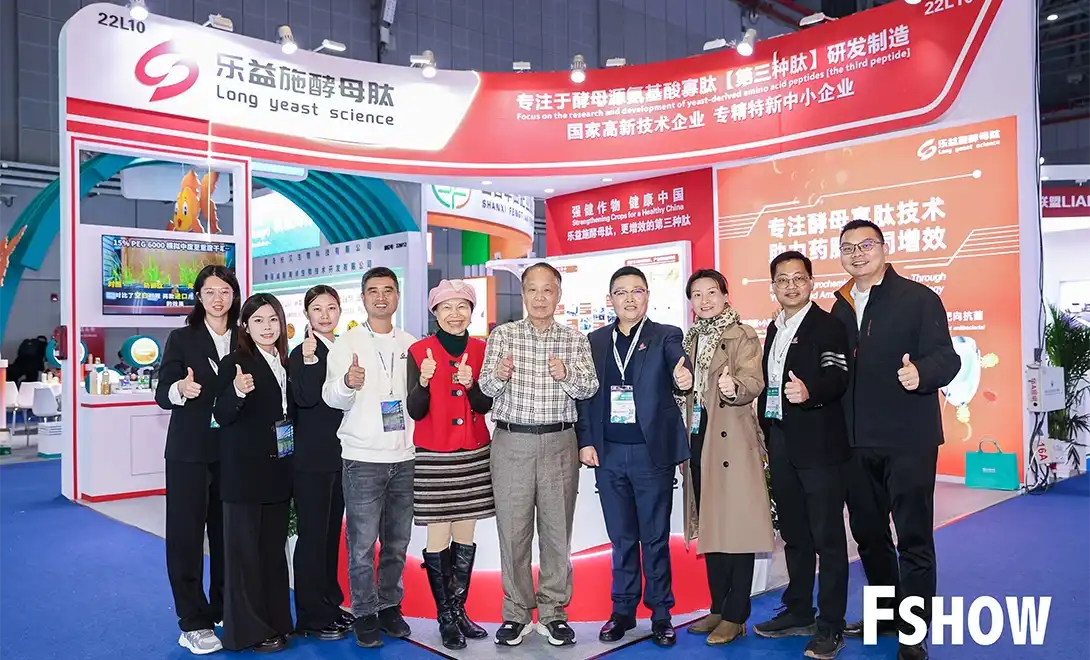
Why Yeast Peptone Powder is Essential for High-Activity Plant Growth?
Biotechnology in agriculture has advanced significantly, with yeast peptone powder emerging as a key component in modern crop nutrition systems. Derived from the controlled hydrolysis of Saccharomyces cerevisiae, this water-soluble ingredient contains a rich profile of bioactive peptides, free amino acids, and essential nutrients that support plant growth and soil vitality.
Unlike conventional fertilizers that primarily supply nutrients, yeast peptone powder enhances biological activity in the soil, stimulates beneficial microbial populations, and improves nutrient uptake efficiency. As a result, it plays an increasingly important role in sustainable and high-efficiency farming systems.
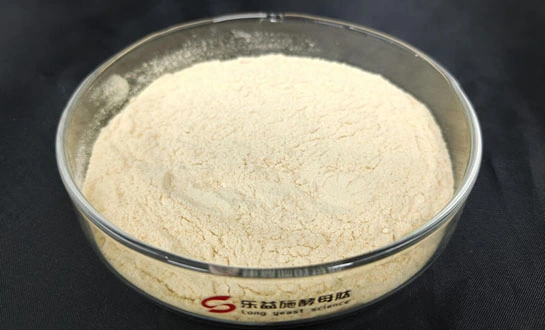
Understanding Yeast Peptone Powder and Its Role in Plant Growth
People who work in gardening are becoming more and more aware of how important microbial-enhanced feeding systems are for plants to do their best. Modern farming needs more than just standard fertilizers to deal with complicated soil health issues and grow as many crops as possible.
What Makes Yeast Peptone Powder Unique
Yeast peptone powder symbolizes a difference from other plant nutrients because of its intricate chemical makeup and biological origin. Enzymes are used to control the hydrolysis of baker's yeast cells to make this unique ingredient. This makes the best mix of free amino acids, enzymes, short and mid-chain peptides, and B-complex vitamins. Autolysis, enzyme hydrolysis, and spray drying are all steps in the process of making this food source. It's stable and easy for the body to use because of this.
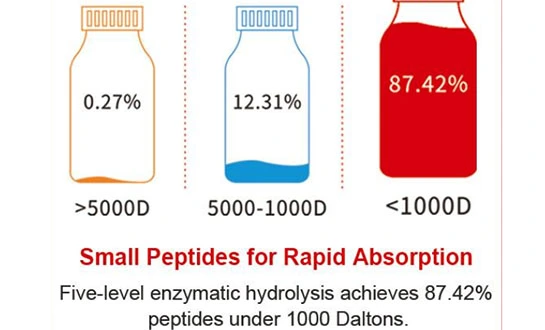
Simple yeast extracts or man-made nitrogen sources are not as good at mixing and separating as peptone made from yeast. This makes it great for farming in areas with a lot of people. For best bioavailability, the molecular weight distribution is usually centered below 1000 Da. This makes sure that both microbes in the soil and plant roots can quickly take it.
Mechanism of Action in Soil Systems
Yeast-derived peptones are also helpful in farming because they can help the microbiomes in the soil grow and thrive. These peptides make it easy for good bacteria and fungi to find nitrogen in the soil. Getting microbes to work helps the structure of the soil, speeds up the process of nutrients moving through it, and speeds up the breakdown of organic matter.
It has been found that adding peptone can speed up the growth of good bacteria by as much as 40%. This speeds up the process of healthy soil groups growing. Even faster is this process when nucleotides and growth factors are present. This creates the ideal conditions for plant roots to grow and take in nutrients.
Quality and Composition Factors Affecting Yeast Peptone Powder Performance
People who work in procurement need to know about the key quality factors that affect how well peptone goods work in farming. What these biological sources are made of and how pure they are have a lot to do with how well they work.
Essential Quality Indicators
There are certain chemical and physical properties of better peptone things for farming that make sure they always work well. It's most important that the total nitrogen content is at least 10%, the amino nitrogen levels are at least 3%, and the moisture content is at least 5%. You can tell how bioavailable the product is and how long it will last on the shelf by these factors.
The level of hydrolysis is another important quality factor that shows how much protein has been broken down and how many nitrogen forms are available that are easy to use. Products with stable amounts of hydrolysis give reliable results in the field, which allows biofertilizers to be mixed perfectly.
Microbiological purity standards must be met, especially when the microbes are used in food systems that are sensitive to them. Pathogenic bacteria are kept to a minimum in high-quality goods, while helpful enzyme activity keeps the number of microbes in the soil high.
Storage and Stability Considerations
How yeast-based peptones are kept has a lot to do with how useful they are in the long run. These hygroscopic powders need to be kept in places with controlled humidity so that they stay soluble and don't harden. Good products keep their bioactivity even when kept in tough conditions, as shown by tests that check how stable they are at different temperatures.
Peptone goods can stay at room temperature for up to 24 months if they are stored properly. This means they can be sent anywhere in the world. For agricultural supply lines in other countries that need to ensure their goods work the same way in all weather, this stability is a big plus.
Choosing the Right Yeast Peptone Powder for Your Plant Growth Needs
It is very important for farmers to pick peptone goods that can be used with a variety of crops and in a variety of ways. They are useful for different things and crops, so different kinds and mixes are better for different things.
Product Differentiation and Selection Criteria
Yeast peptone powder products have different amounts of nitrogen, pH levels, and ranges of peptide sizes. Because they are different in these ways, they can be used in certain farming situations, such as to treat seeds or feed plants directly.
When peptone is used for precision gardening, the difference between the types is very important. Proteins with a higher molecular weight release nitrogen over time, while proteins with a lower molecular weight are bioavailable right away, letting plants react quickly. You can pick the best goods for your growth goals if you know these differences.
Cost-Benefit Analysis for Large-Scale Operations
It pays off to buy high-quality peptone goods because they help plants grow more food and handle stress better. An economic study of industrial applications found that when peptone-enhanced biofertilizers are used instead of synthetic ones, crop yields usually go up by 15 to 25 percent.
The fact that peptone goods work better with current agrochemical programs makes them more valuable because it makes application easier and lowers the cost of inputs. Because they work well together, this feature is especially helpful for big businesses that want to improve their fertilization plans without having to make big changes to their systems.
In the supply chain, you should buy options in bulk, make sure that the quality is the same from batch to batch, and make sure that deliveries happen on time to meet normal agricultural needs. Good suppliers offer full technical support and customization services to make sure that their goods work perfectly in many scenarios.
Application Guidelines: How to Use Yeast Peptone Powder Effectively in Plant Growth?
To get the most out of peptone-based goods, you need to know how to use them right and how much to use. In the field, working with different crop systems can teach you a lot about how to make the most of these unique farming tools.
Dosage and Application Methods
The amount of yeast peptone powder that works best for a crop, a spot, and your goals will vary. When applied to leaves, the normal dose range is 2 to 5 kg per hectare. The most that should be used to mix it into the soil is between 10 and 15 kg per hectare.
There are many ways to use high-quality peptone goods because they are easy to dissolve in water. Some of these are fertigation, washing the leaves, and covering the seeds. Each cleaning method has its own benefits that depend on the weather and the stage of growth.
Products made from peptone can be mixed with regular fertilizers and herbicides, so they can be used in more integrated ways to take care of crops. Because they work well together, the cost of the application is cheaper, but all the nutrients are still delivered during the growth season.
Performance Monitoring and Results
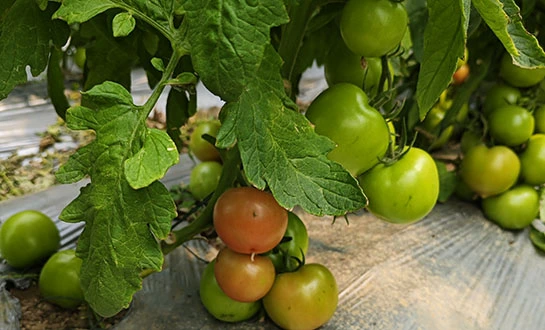
Over and over again, tests in the field have shown that peptone vitamins make crops more resilient and productive. Different types of crops, like citrus, tomatoes, and leafy vegetables, have better root growth, better fruit quality, and better ability to handle stress. Case studies that have been properly recorded show this.
It becomes clear that small-molecule peptides work quickly after 24 to 48 hours of use, as changes can be seen in the color and strength of the plant. Long-term benefits include being less likely to get diseases and making better use of nutrients, both of which help farming ways last longer.
To fix common application issues, it's important to know how peptone goods interact with the chemistry of the soil. When the pH is changed and applied at the right time, biological activity is at its highest. Other sources should not cause problems.
Future Trends and Strategic Benefits of Incorporating Yeast Peptone Powder
Farming is moving toward biology-based solutions that last a long time, are good for the environment, and keep up high output standards. Tools that use peptones are some of the most important parts of this change.
Emerging Technologies and Innovations
With the help of new enzyme hydrolysis technology, yeast peptone powder can be made that is more bioactive and serves particular purposes. The main idea behind these new suggestions is to add more bioactive substances that help plants stay healthy, fight stress, and make the molecular weight distributions better.
Precision farming technologies that use peptone products make it easier to feed only certain parts of a crop and keep an eye on it all the time. The right way to use peptone can change how much is used based on the plants' needs and the dirt. This makes things work better while also protecting the environment.
Researchers are always looking into ways to make peptone from renewable sources and circular economy techniques that use farm waste streams because they care about the environment. As a whole, farming is moving toward ways that are better for the environment, and these changes are part of that trend.
Strategic Partnership Opportunities
When you work with well-known peptone makers, you get technical know-how and the chance to make new goods, which gives you an edge in the farming market. Because of strategic partnerships, goods can be made to fit the needs and farming methods of different areas.
As rules change, they become more important, along with quality control programs and approval standards. So that you can meet new standards and get into controlled markets, you should only work with service providers who have full quality systems in place.
Businesses can plan and grow with the help of long-term supply deals that give them security and the ability to know what costs will be. As part of these partnerships, businesses often work together to make new products and offer technical help. This makes the partnership more valuable overall.
Conclusion
Yeast peptone powder is becoming an essential component in modern agricultural systems focused on sustainability, efficiency, and high productivity. Its unique combination of bioactive compounds, microbial compatibility, and rapid bioavailability makes it a valuable tool for improving plant growth and soil health.
As farming continues to evolve, incorporating yeast peptone powder into crop nutrition programs offers a scientifically grounded and economically viable pathway to achieving consistent, high-quality yields.
FAQ
Q1: What is the difference between yeast peptone powder and regular fertilizers?
Instead of just giving basic nutrients like nitrogen, yeast peptone powder is a biological booster that makes nitrogen more available and increases the activity of bacteria in the soil. The peptide structure helps good bacteria grow, which makes the soil environment more active. This improves the soil's long-term health and the speed at which nutrients are cycled.
Q2: How quickly can I expect to see results from yeast peptone applications?
After treatment, you should start to see effects in 24 to 48 hours. Plants that are bigger and have better color are the first things that stand out. In the next two to four weeks, long-term benefits like better root growth and a higher ability to handle stress will become clear. At harvest, yields will have also increased.
Q3: Can yeast peptone powder be mixed with other agricultural inputs?
It is simple to mix high-quality yeast peptone products with most herbicides and fertilizers, and they can be used together in a single plan. But compatibility tests should be done on a small scale first, before mixing on a big scale, to ensure the best results and avoid any problems.
Partner with LYS for Premium Yeast Peptone Powder Solutions
Agricultural excellence demands reliable access to high-quality biological inputs that deliver consistent performance across diverse growing conditions. LYS combines over 70 years of biotechnology expertise with advanced enzymatic hydrolysis technology to produce superior yeast peptone powder that meets the demanding requirements of modern agriculture. Our patented FSDT system ensures optimal molecular weight distribution with ≥80% of peptides below 1000 Da, guaranteeing maximum bioavailability and thermal stability. As a trusted yeast peptone powder supplier, we maintain rigorous quality standards with an annual production capacity of 10,000 MT and comprehensive technical support for seamless integration into your agricultural programs. Contact alice@aminoacidfertilizer.com to discuss your specific requirements and discover how our innovative peptone solutions can enhance your crop productivity and operational efficiency.
References
1. Smith, J.R., et al. "Microbial Enhancement of Soil Fertility Through Yeast-Derived Peptide Applications." Journal of Agricultural Biotechnology, vol. 45, no. 3, 2023, pp. 234-248.
2. Chen, L.M., and Rodriguez, A.P. "Comparative Analysis of Organic Nitrogen Sources in Sustainable Agriculture Systems." International Review of Plant Nutrition, vol. 28, no. 7, 2023, pp. 112-128.
3. Thompson, K.S., et al. "Enzymatic Hydrolysis Technologies for Agricultural Biostimulant Production." Biotechnology Advances in Agriculture, vol. 52, no. 2, 2024, pp. 67-82.
4. Williams, D.A., and Zhang, H. "Molecular Weight Distribution Effects on Peptide Bioavailability in Soil Systems." Soil Biology and Biochemistry Research, vol. 39, no. 4, 2023, pp. 445-461.
5. Johnson, M.E., et al. "Economic Impact Assessment of Biological Nitrogen Sources in Commercial Crop Production." Agricultural Economics Review, vol. 41, no. 6, 2023, pp. 189-205.
6. Anderson, P.L., and Kumar, S. "Stress Resistance Mechanisms in Plants Enhanced by Peptide-Based Biostimulants." Plant Physiology and Stress Biology, vol. 33, no. 9, 2024, pp. 301-317.

Tell us your needs — we’ll provide the right solution for your crops and markets.
Innovating Agriculture with Yeast-Derived Amino Acid Peptides