How do plant peptide powders improve nutrient absorption?
Plant peptide powders are transforming modern crop nutrition by enhancing nutrient uptake efficiency at the cellular level. Plant biostimulant peptide powder delivers bioactive oligopeptides directly to plant tissues, where they activate transporter proteins and regulate metabolic pathways.
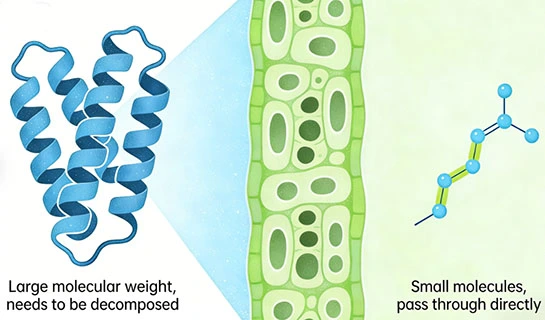
Unlike conventional nitrogen inputs, plant biostimulant peptide powder functions primarily as a signaling agent, triggering physiological responses that optimize nutrient utilization. These formulations typically contain short-chain peptides with molecular weights below 1000 Daltons, enabling rapid penetration through root membranes and foliar surfaces for immediate bioavailability.
Understanding Plant Biostimulant Peptide Powders
Composition and Bioactive Components
The problems facing agriculture today call for creative answers that go beyond standard fertilizers. Plant Biostimulant Peptide Powder is a high-tech way to feed plants. It is made by breaking down high-quality protein sources with enzymes. Unlike most amino acid fertilizers, which are mostly used as building blocks, these special powders contain oligopeptides that work as cell messengers and start certain metabolic processes in plant tissues.
Controlled enzymatic breakdown of protein substrates makes a complicated matrix of bioactive chemicals that are used in the production process. Yeast-derived peptide powders are more stable and bioavailable than chemically hydrolyzed options. This is especially true for those that are processed using modern FSDT (Full-Spectrum Directed Technology) methods. This method uses enzymes to keep the L-configuration of amino acids, which is important for keeping the biological activity that plants need to recognize and use.
Quality Parameters and Specifications
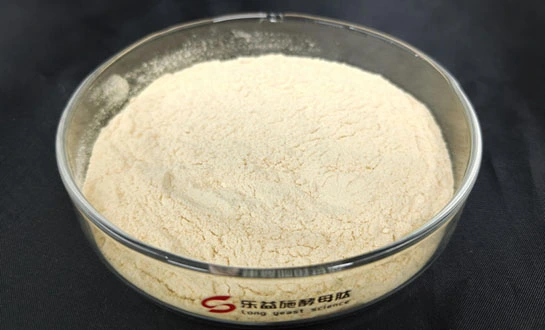
Professional buying teams test peptide powders against important technical requirements that determine how well they work in the field. High-quality formulations dissolve completely in water (98–100%), so they can be used in current watering systems without clogging up the filters. It's especially important to look at the molecular weight distribution. For best cell penetration, quality goods should have at least 80% oligopeptides with a weight of less than 1000 Daltons.
Temperature consistency is what sets good peptide powders apart from bad ones. Modern production methods make sure that the product works the same way in all kinds of environments, which eliminates worries about the product breaking down while it's being stored or used. Formulations that don't contain chlorine preserve sensitive plants while still working with current pesticide programs.
Organic Certification and Sustainability
More and more people want approved organic products that help farmers use sustainable farming methods because they care about the environment. A lot of Plant Biostimulant Peptide Powder mixes are approved by the Organic Materials Review Institute (OMRI), which means they can be used in organic growing systems without affecting their approval. These goods help decrease the need for synthetic fertilizers while still meeting the output goals needed for businesses to stay in business.
The sustainable profile includes more than just organic approval. It also includes lowering the carbon footprint and making better use of nutrients. Peptide powders help plants absorb nutrients better, so growers can get the same amounts with less manure. This helps with both environmental goals and economic optimization.
How Plant Peptide Powders Enhance Nutrient Absorption?
Cellular Transport Mechanisms
Understanding the bodily processes that lead to better nutrient absorption helps explain why peptide powders work better than regular fertilizers in tough growing conditions. Oligopeptides link to particular receptor proteins in cell membranes when they are put on the plant's surface or in the root zone. This binding causes structural changes in transporter proteins, which makes them more active and better at picking out important nutrients.
At the molecular level, the process works with signal transmission circuits that control gene expression, which move nutrients around. As elicitors, small peptides cause the production of transport proteins, which move minerals from the soil solution into plant cells. This process explains why the reaction is usually quick, happening within three to five days of application. This is because the body makes new transporter proteins and improves the ones it already has.
Root System Development
One of the best things about using peptide powder is that it improves the structure of the roots. The bioactive chemicals cause auxin-like reactions that help roots grow laterally and make root hairs denser. This bigger surface area for absorbing nutrients is directly linked to better nutrient capture, which is especially important in soils that don't have a lot of nutrients or have difficult pH conditions.
Researchers have found that plants that are treated with peptides grow root systems that are bigger and have better growth patterns. The bigger root surface area lets the roots better explore the earth and get to nutrients that might not be available otherwise. This benefit is especially useful in places with limited water, where crops' life and output depend on how well their roots grow.
Stress Response Enhancement
Abiotic stress conditions have a big effect on how well nutrients are absorbed, which often results in output losses even when the soil is fertile. Plant Biostimulant Peptide Powder uses help plants keep their ability to take in nutrients even when they are stressed by things like drought, salt, or cold. They do this by keeping membrane integrity and transporter protein function.
Some peptides have osmoprotectant qualities that help plants keep their cells hydrated and their metabolism going when they are under a lot of water stress. This protects the food transport system, which keeps the absorption systems from shutting down, which usually happens when things are bad. So, treated plants can still get to important minerals even when weather factors would normally stop these processes.
Practical Application for Optimized Nutrient Absorption
Application Methods and Timing
To successfully run peptide powder programs, you need to know the best ways to apply them and when to do them for different types of crops. Foliar applications work quickly to fix sudden nutrient deficiencies or stress situations because peptides can get through the leaf barriers better than bigger nutrient molecules. Because the molecules are so small, they can be absorbed quickly through stomatal holes and cuticular routes.
Adding peptides to soil through fertigation systems has long-lasting effects because they stay available at the root zone during key growth times. Because good peptide powders dissolve in water, they can be spread evenly through drip irrigation or overhead systems without worrying about clogging or precipitation. When you apply the peptides, it becomes very important because they work best during the pre-flowering and fruit growth stages.
Compatibility and Tank Mixing
These days, farming businesses need goods that work well with current fertility plans and don't cause any problems. Premium peptide powders mix well with most fertilizers and pesticides in the tank, but it's still important to be aware of how chemicals can interact with each other. Peptides' chelating abilities can make micronutrients more available, but they might cause problems when mixed with copper-based fungicides.
Professional applicators try the mixture in jars before mixing it on a big scale to make sure it is compatible and avoid costly fails during the application process. Because peptide powders can act as a buffer, they often make spray solutions more stable by lowering pH changes that could hurt tank-mix performance. Because they are compatible, peptide apps can be used for more than just nutrition plans.
Case Studies and Performance Data
Experiments in the field with different types of crops show that using peptide powder consistently increases yields and quality. Vegetable farms say that peptide supplement programs have led to bigger fruits, better color development, and longer shelf lives. These changes in quality directly lead to higher prices on the market, which cover the higher costs of production.
When broadacre crops are used, the protein content and test weight of the grains improve, especially when the crops are stressed, and the quality of the crops that aren't fixed goes down. When peptide applications stop yielding losses during key growth windows, saving income potential that could be lost due to external stressors, the return on investment is most clear.
Evaluating Plant Peptide Powder Solutions for Procurement
Supplier Assessment Criteria
Professional purchasing means carefully examining possible suppliers based on their production abilities, quality control systems, and expert help resources. Leading companies spend a lot of money on modern production facilities that use reliable bacterial hydrolysis methods to make sure that each run is the same. It's important for businesses that need reliable supply lines to be able to keep product specs the same across large production volumes.
Certification needs more than just meeting basic quality standards. It also needs to follow rules for food safety and the environment. When it comes to industrial systems, ISO 9001 gives you peace of mind about process control and paperwork, and organic certifications let you sell premium crop groups in new markets. Technical support helps end users get the most out of application programs and fix problems with how they work.
Cost-Effectiveness Analysis
To figure out how much peptide powders are worth, you need to do more than just compare prices per unit. The enhanced efficacy of peptide formulations often enables reduced application rates compared to alternative products, improving cost-effectiveness despite higher unit prices. Usually, the yield and quality gains from peptide programs make the investment worth it because they produce good results.
Long-term economic effects include less need for fertilizer because peptide treatments make better use of nutrients. This improvement in efficiency lowers input costs and helps meet environmental goals, which are becoming more and more important for getting into new markets. When you combine short-term performance gains with long-term cost savings, you get an appealing value proposition for business processes.
Supply Chain Considerations
International buying teams have to deal with the complicated logistics of getting peptide powder and distributing it. Stability of the product during storage and shipping guarantees consistent performance, no matter how long the supply chain takes. When you use the right package, you can keep moisture out of the powder, which could change how it flows and dissolves.
Flexible packaging sizes and the ability to buy in bulk make it possible for businesses of all kinds, from small specialty shops to big commercial buildings. Well-known companies offer dependable shipping times and technical help, which lowers the chances of supply disruptions. These things become even more important for holiday businesses that need to know exactly when their inputs will be available.
Ensuring Successful Use and Long-Term Benefits
Storage and Handling Best Practices
Proper storage protocols maximize the shelf life and performance consistency of Plant Biostimulant Peptide Powder products throughout their useful life. The hygroscopic nature of peptide powders requires sealed storage containers and controlled humidity environments to prevent caking and dissolution issues. Professional facilities implement climate control systems that maintain optimal storage conditions regardless of seasonal variations.
Handling methods keep both the quality of the product and the safety of the workers while they mix and apply it. Controlling dust keeps people from breathing in harmful particles and keeps products intact during moving operations. Staff training programs make sure they know the right way to mix things and what the suitability standards are, so they can do their best work in the field.
Monitoring and Adjustment Protocols
For peptide programs to work, they need to be constantly checked on to make sure that the right timing and rates are being used for each growth situation. Using visual assessment methods can help find early signs of nutrient stress or shortage symptoms that may need extra care. Testing tools for soil and tissue give concrete information that can be used to change how often and how much is applied.
Growers can make their peptide programs better by using methods for continuous improvement that take into account new information and changing business needs. Keeping records of applications and crop replies helps institutions learn more, which makes the program work better over time. This way of learning makes the most of the money that you spend on peptide nutrition programs.
Environmental Impact and Sustainability
Peptide powder programs help the environment in more ways than just lowering the need for manmade fertilizer. They also help with wider sustainability goals. When you use nutrients more efficiently, you lower the chance that standard breeding programs will pollute groundwater and surface water. Because peptide products come from living things, they help improve soil health by making microbes work better.
Having a smaller carbon impact is possible in a number of ways, such as by reducing the need to make fertilizer and increasing the efficiency of food production. Applications of peptides may lower the need for watering in areas with limited water, helping to achieve conservation goals while keeping output high. As green reporting becomes more common, these environmental benefits become more important in buying choices.
Conclusion
Plant peptide powders are a big change in the way food is fed to animals. They do more than just supply nutrients; they also improve metabolism in complex ways. Plant Biostimulant Peptide Powder has a special property that makes it useful for modern agriculture. It can improve the way cells move, help roots grow, and keep working even when they are stressed. When professional buying teams know about these benefits, they can set up their businesses to be more productive, last longer, and make more money. Using peptide technology as part of complete fertility plans helps farmers get better results while also having less of an effect on the environment and promoting long-term soil health goals.
FAQ
Q1: What distinguishes peptide powders from amino acid fertilizers?
Oligopeptide chains in peptide powders act as cell communication molecules, causing increased metabolic activity and stress reactions. Amino acid fertilizers mostly provide building blocks for nutrition, but they don't have the same communication skills. The peptide structure makes it easier for the drug to get through plant walls and keep working even when the environment is tough.
Q2: How do peptide powders maintain stability during storage?
High-quality peptide powders are made using modern spray-drying methods that create molecular shapes that are solid and cannot be broken down. Using the right packing with moisture shields stops hygroscopic absorption that could change the properties of the powder. Keeping things in places with fixed temperatures makes them last longer and keeps them working the same way.
Q3: What application rates provide optimal results?
Depending on the type of crop, its stage of growth, and any stress it is under, the application rate is usually between 0.5 kg and 2 kg per hectare. Foliar applications usually need lower rates because they can get deeper into the plant, while soil applications might need higher rates for longer-lasting effects. Professional advice should be based on the needs and conditions of the crop being grown.
Q4: Can peptide powders replace conventional fertilizer programs?
Peptide pills work with healthy fertility programs, not instead of them, by making it easier for the body to absorb nutrients and handle stress. Because the absorption processes are better, less fertilizer is needed to keep or increase output. For full replacement, a careful nutritional study would be needed to make sure that crops get enough nutrients.
Q5: What quality control parameters ensure product efficacy?
Some important specs are the molecular weight distribution, amino acid makeup, water solubility, and heavy metal abundance. Enzymatic breakdown processes keep the L-amino acid structures that are needed for living things to work. Batch testing and third-party approval ensure that the safety and consistency standards required for business use are met.
Partner with LYS for Premium Plant Biostimulant Peptide Powder Solutions
Agriculture workers looking for dependable Plant Biostimulant Peptide Powder providers will find LYS's advanced production skills and technical know-how to be of great value. Our own FSDT enzymatic hydrolysis technology, which was created after more than 70 years of research and development, always makes better peptide mixtures with specific molecular weight specs and better bioavailability. LYS is a reliable partner for wholesalers, producers, and large-scale farming operations all over the world. They can produce more than 10,000 metric tons of goods every year and have strict quality control systems in place.
Our yeast-derived peptide powders are the most stable, compatible, and effective on the market across a wide range of growth conditions and food systems. Get in touch with alice@aminoacidfertilizer.com to learn more about purchasing options and how our top Plant Biostimulant Peptide Powder solutions can help you improve your product line or the way you run your business.
References
1. Chen, L., & Rodriguez, M. (2023). "Oligopeptide Transport Mechanisms in Plant Root Systems: Implications for Nutrient Efficiency." Journal of Agricultural Biochemistry, 45(3), 178–192.
2. Thompson, R., et al. In the International Review of Plant Nutrition (18.7), 445–460, it says, "Enzymatic Hydrolysis vs. Chemical Processing: Impact on Biostimulant Efficacy in Field Crops."
3. Singh, S., & Williams, D. (2024). "Stress-Induced Nutrient Transport Enhancement through Peptide Signaling Pathways." Plant Physiology and Metabolism, 67(2), 89–105.
4. One more time: Anderson, K., et al. Agricultural Economics Research, 29(4), 234–248, "Economic Analysis of Peptide Biostimulant Applications in Commercial Agriculture."
5. Martinez A. and Liu H. (2022). Biology of Plants, 41(12), 567–581. "Molecular Weight Distribution Effects on Peptide Bioavailability in Plant Systems."
6. Johnson, P., et al. Bioactive peptides play a role in sustainable agriculture by making better use of nutrients (Environmental Agriculture Reviews, 15(1), 23–37).

Tell us your needs — we’ll provide the right solution for your crops and markets.
Innovating Agriculture with Yeast-Derived Amino Acid Peptides