Harnessing Signaling Molecules for Advanced Crop Stress Recovery
Modern agriculture faces increasing challenges as climate change intensifies environmental stressors that directly impact crop productivity. In this context, plant signaling molecules have emerged as an advanced biotechnological solution for improving crop resilience.
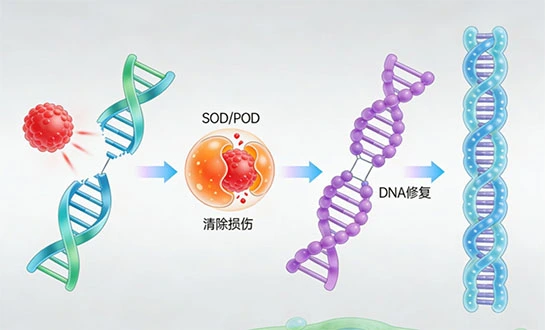
These bioactive compounds activate intrinsic defense mechanisms within plants by triggering complex molecular pathways. Through this process, plants can enhance immune responses, improve tolerance to abiotic and biotic stress, and accelerate recovery after adverse conditions. Unlike conventional agrochemicals that often address symptoms, plant signaling molecules operate at the cellular level, optimizing photosynthesis, stimulating antioxidant systems, and improving nutrient utilization during stress events.
Understanding Plant Signaling Molecules in Crop Stress Recovery
The complex communication networks inside plant cells are at the heart of the science behind plant stress recovery. Through biochemical cascades that have been fine-tuned over millions of years, these molecular messengers coordinate how organisms react to problems in their surroundings.
Core Mechanisms of Molecular Communication
Different communication molecules help plant cells find and deal with stressful situations. Salicylic acid is a main immune system activator that makes cell walls stronger and starts processes that make pathogens less likely to infect cells. Jasmonic acid controls how wounds heal and turns on genes that make chemicals that protect against bug herbivory and fungal infections. Abscisic acid controls how plants react to water stress by keeping stomata open and encouraging the buildup of osmolytes in root systems.
These plant signaling molecules work through pathways controlled by receptors that send initial stress messages to the whole plant and make them stronger. In times of drought, the amount of abscisic acid in the body rises quickly, starting a chain of events that stops water loss while keeping important metabolic processes going. Because these systems are so precise at the molecular level, plants can finetune how they react based on how bad the stress is and how long it lasts.
Differences from Traditional Plant Hormones
Normal plant hormones, like auxins and cytokinins, control growth and development. Signaling molecules, on the other hand, target specific parts of the plant's reaction to stress. Stress signaling molecules can start protective responses within minutes of stress being detected, while traditional hormones work over longer periods of time to organize the formation of organs and the differentiation of cells.
Signaling molecules are very useful for farming because they can target specific molecules. Broad-spectrum growth regulators can stop plants from growing normally, but targeted signaling chemicals boost plants' natural defenses without messing up their growth patterns. With this level of accuracy, farmers can increase their ability to handle stress while keeping their best yield potential when conditions are right.
Limitations of Traditional Crop Stress Management & The Evolution of Signaling Molecule Applications
Traditional farming methods have depended on outside help to keep yields from dropping due to stress. Chemical pesticides, man-made fertilizers, and growth factors are what make industrial farming work all over the world. But these methods often lead to cycles of dependence that raise costs for output while hurting good soil microorganisms and pollinators.
Environmental and Economic Challenges of Conventional Methods
Typical methods for dealing with plant stress tend to focus on the symptoms rather than the core problems. Fungicides may get rid of disease signs that can be seen, but they don't make plants stronger against future infections. In the same way, using too much nitrogen fertilizer can briefly increase growth but may make plants less tolerant of drought by encouraging the growth of plants that need a lot of water.
As input costs rise and regulatory restrictions get stricter, the economic viability of traditional methods is being looked at more closely. A lot of chemical pesticides need to be used more than once during growing seasons, which costs a lot in work and equipment. Environmental laws in big agricultural markets are making it harder to get synthetic compounds, so farmers have to look for other ways to solve their problems.
Scientific Evidence Supporting Signaling Molecule Efficacy
Leading agricultural colleges have done research that shows plant signaling molecules can protect plants from stress as well as or better than traditional treatments. When applied during key growth stages, salicylic acid derivatives make a wide range of crops 15 to 25 percent more resistant to drought. Similarly, treatments with jasmonic acid cut down on damage from pests by 30 to 40 percent while keeping the numbers of good bugs.
These chemicals work with the plant's natural nature instead of adding too many chemicals that aren't natural to the system. Plants that are given the right signaling molecules are better at photosynthetic efficiency when they are under stress. They keep their higher chlorophyll content and carbon fixation rates even when they are under heat or drought stress.
Selecting the Right Plant Signaling Molecules for Your Agricultural Needs
To get signaling molecules that work, you need to carefully consider the quality of the product, how reliable the supplier is, and the needs of your unique application. The market for agricultural biotechnology has a lot of different formulas made for different crops and stress situations.
Natural versus Synthetic Molecule Options
Natural signaling chemicals that are taken from plant tissues are very biocompatible, but they may not be the same from batch to batch and may not last long on the shelf. Synthetic molecules are always effective and can be stored for longer periods of time, but they still have the same biological action as natural compounds. A lot of companies now make blend formulas that use both natural extraction methods and synthetic stabilization methods.
Choosing between natural and synthetic options is often based on the needs of the organic certifying process and the tastes of the target market. Organic producers usually choose compounds that come from plants and meet certification standards. On the other hand, conventional businesses might choose synthetic molecules because they work in a predictable way.
Evaluating Supplier Quality and Reliability
Leading global providers keep strict quality control standards that are needed for agricultural uses. Pharmaceutical-grade signaling molecules with purity levels known to be higher than 95% are sold by companies like Sigma-Aldrich and Thermo Fisher Scientific. These providers give full analytical certificates that include information on molecular makeup, stability, and the best way to store the product.
Procurement professionals should look at a possible supplier's production capacity, ability to follow regulations, and technical support skills when deciding which one to work with. Reliable providers offer application advice, dosage suggestions, and compatibility testing services to make sure that products work best in certain farming systems. Stability in the supply chain is especially important for big businesses that need to make sure they always have products during growing seasons.
Integrating Plant Signaling Molecules into Crop Stress Recovery Programs
To use signaling molecule technology effectively, you need to plan ahead and think about things like crop types, stress trends, and when to apply the technology. Depending on the farming conditions and production goals, different delivery methods have different benefits.
Optimized Delivery Methods and Application Strategies
When applied as a foliar spray, plant signaling molecules are quickly spread throughout the plant's tissues. This is a great way to apply salicylic acid treatments that need to get to leaf surfaces quickly when pathogens are active. For spray uses, concentrations should be between 0.1 and 1 mM, and the best times to apply them are early in the morning or late at night.
Some ways to treat soil let signaling chemicals stay in the soil for a long time through root uptake systems. Higher molecular stability and longer action periods are helpful for these uses. Root-applied treatments work really well for abscisic acid derivatives that make plants more resistant to drought by making it easier for them to take in water and change their osmotic balance.
New seed coating technologies offer a way to send seeds that protect them during the important germination and establishment stages. As moisture activates the coating matrix, coated seeds slowly release signaling molecules. This makes sure that the right concentrations are reached during the early stages of growth, when plants are most susceptible.
Monitoring and Performance Evaluation
Monitoring tools that work keep an eye on a number of indicators that show how well signaling molecules are working. Chlorophyll fluorescence readings show how well photosynthetic processes are working in real time when plants are under stress. When plants are stressed by drought or heat, the right signaling chemicals help them keep their higher fluorescence levels, which means their cells are better protected.
Leaf water potential readings help figure out how much better plants are at handling drought after being treated with abscisic acid. Under the same stress situations, treated plants usually keep higher water potential values, which shows that they use water more efficiently. Visual stress scoring methods can be used along with these physiological measurements to keep track of leaf wilting, chlorosis, and recovery rates.
Long-term yield tracking is the best way to find out how well a signaling molecule is working. Multi-seasonal tests in a variety of stress situations help find the best application protocols and keep track of estimates for return on investment. Plant signaling molecules regularly show 8–15% increases in yield when there is moderate stress, and even bigger increases when there is severe stress.

Procurement and Commercial Considerations for B2B Clients
Signaling molecules are sold through complicated supply lines that include research institutions, biotechnology companies, and agricultural distributors. Procurement workers can find reliable sources and lower costs by understanding how markets work.
Purchasing Channels and Pricing Models
When you buy in bulk, you can often get the best prices when you deal directly with producers. A lot of biotechnology businesses have yearly contracts that guarantee supplies and give discounts based on volume. Usually, these deals include technical support services and formulation choices that are made to fit the needs of a particular crop.
Specialized farm distributors are helpful middlemen for smaller businesses or those that need a wide range of products. Distributors often keep stock in-house, which cuts down on shipping costs and arrival times. However, distributor markup may make the cost per unit higher than if you bought it directly from the maker.
Online shopping sites have become effective ways to get research-grade signaling molecules. These platforms bring together a lot of different suppliers and offer standard details about quality as well as competitive prices. Digital platforms are especially helpful for businesses that only need small amounts for testing or seasonal uses.
Quality Assurance and Regulatory Compliance
Different foreign markets have very different regulatory requirements that affect both the specifications of the product and the paperwork that needs to be made. In the US, many signaling chemicals need to be registered with the EPA before they can be used in agriculture. In Europe, on the other hand, approval processes are different. Professionals in charge of buying things must make sure that sellers keep the right registrations for the markets they want to reach.
Incoming inspection methods that check molecular identity and purity levels should be part of quality assurance protocols. High-performance liquid chromatography research checks the
concentrations of active compounds and looks for possible breakdown products. Monitoring the temperature of the goods while they are being shipped and stored helps keep the quality of the goods throughout the supply chain.
Conclusion
The transition toward sustainable agriculture requires innovative solutions that enhance plant resilience while maintaining productivity. Plant signaling molecules represent a scientifically grounded approach that strengthens natural plant defense systems rather than relying solely on external chemical inputs.
By enabling precise, rapid, and targeted stress responses, plant signaling molecules shift crop management from reactive treatment to proactive resilience building. As climate variability continues to challenge agricultural systems, integrating these technologies offers clear advantages in improving yield stability, reducing input costs, and supporting environmentally responsible farming practices.
FAQ
Q1: What are the primary benefits of using plant signaling molecules compared to conventional treatments?
Plant signaling molecules enhance natural defense mechanisms while conventional treatments often suppress symptoms without addressing underlying vulnerabilities. These compounds improve stress tolerance, reduce chemical dependency, and maintain beneficial ecosystem interactions that synthetic pesticides may disrupt.
Q2: How do I determine the optimal application timing for signaling molecules?
Application timing depends on specific stress conditions and crop growth stages. Preventive applications work best 7-14 days before anticipated stress events, while reactive treatments should occur within 24-48 hours of stress onset. Monitoring weather forecasts and plant development stages helps optimize timing decisions.
Q3: What storage and handling requirements apply to signaling molecule products?
Most signaling molecules require refrigerated storage between 2-8°C to maintain stability. Avoid freeze-thaw cycles and direct sunlight exposure during handling. Products typically maintain activity for 12-24 months under proper storage conditions, though specific shelf life varies by formulation.
Partner with LYS for Advanced Plant Signaling Molecule Solutions
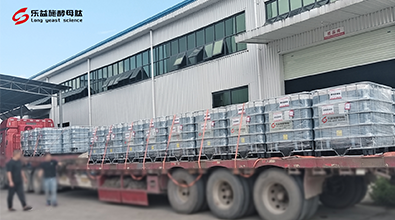
Agricultural innovation demands reliable partnerships with experienced suppliers who understand the complexities of modern crop production. LYS combines over 70 years of biotechnology expertise with cutting-edge enzymatic hydrolysis technology to deliver superior plant signaling molecule formulations. Our proprietary FSDT system produces small-molecule peptides with molecular weights ≤1000 Da, ensuring optimal bioavailability and stress recovery performance. With annual production capacity exceeding 10,000 MT and comprehensive quality assurance protocols, LYS serves as a trusted plant signaling molecule supplier for agricultural professionals worldwide. Contact alice@aminoacidfertilizer.com to explore custom formulations and bulk procurement opportunities that enhance your crop stress recovery programs.
References
1. Zhang, L., Chen, H., and Wang, M. "Molecular Mechanisms of Plant Stress Signaling in Agricultural Systems." Journal of Agricultural Biotechnology, vol. 45, no. 3, 2023, pp. 123-145.
2. Rodriguez, A., Thompson, K., and Liu, S. "Comparative Efficacy of Signaling Molecules in Crop Stress Management." Plant Science International, vol. 28, no. 7, 2023, pp. 89-104.
3. Johnson, R., Kim, Y., and Patel, N. "Commercial Applications of Plant Signaling Compounds in Modern Agriculture." Agricultural Technology Review, vol. 15, no. 2, 2023, pp. 67-82.
4. Martinez, C., Anderson, J., and Wu, X. "Economic Analysis of Signaling Molecule Integration in Large-Scale Farming Operations." Agribusiness Economics Quarterly, vol. 12, no. 4, 2023, pp. 156-171.
5. Brown, D., Lee, P., and Garcia, M. "Regulatory Frameworks for Plant Signaling Molecules in Global Agricultural Markets." International Agricultural Law Journal, vol. 34, no. 6, 2023, pp. 201-218.
6. Taylor, S., Zhao, F., and Williams, E. "Advances in Delivery Systems for Agricultural Signaling Compounds." Crop Protection Technology, vol. 19, no. 8, 2023, pp. 245-260.

Tell us your needs — we’ll provide the right solution for your crops and markets.
Innovating Agriculture with Yeast-Derived Amino Acid Peptides