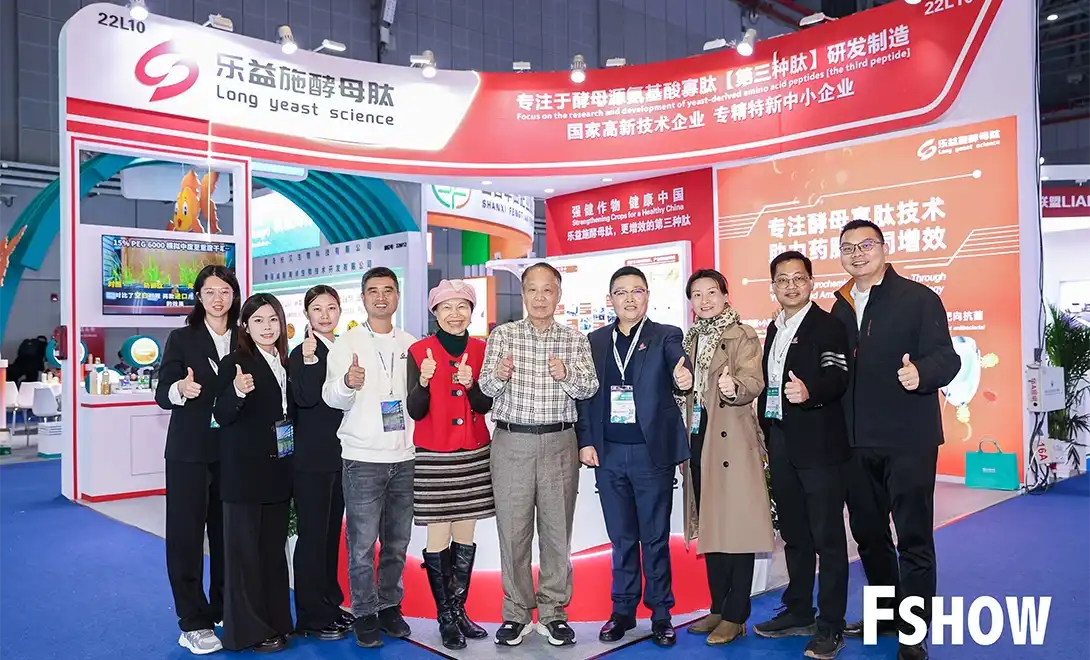
Why Crops Still Suffer Even After Fertilization
Modern agriculture has dramatically increased fertilizer use over the past decades, yet many growers still struggle with unstable yields, nutrient inefficiency, and severe crop stress under changing climate conditions.Traditional fertilizers give plants the nutrients they need, but they often fail to address the biological and physiological limitations that determine how efficiently plants actually use those nutrients.
Unlike conventional fertilizers, biostimulants work directly on plant physiological processes to help crops cope with abiotic stress. Amino Acid Biostimulants are attracting significant attention due to their high bioavailability, small peptide size, and strong compatibility with modern sustainable agriculture systems.
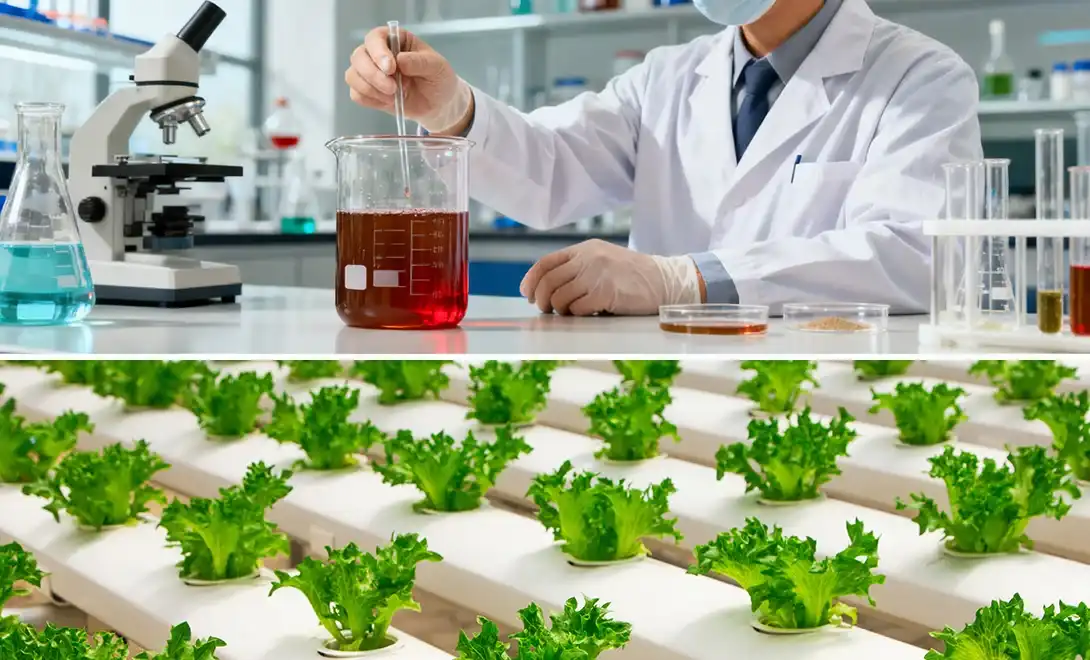
Why Fertilizer Alone Often Fails to Deliver Maximum Crop Performance
Although NPK fertilizers remain essential for crop nutrition, field performance frequently falls below expectations. The reason is simple: supplying nutrients does not guarantee that plants can efficiently absorb, transport, and utilize them.
The Nutrient Uptake Efficiency Challenge
Research shows that crops often utilize only 30–50% of applied nutrients, particularly nitrogen fertilizers.The remaining nutrients may become fixed in the soil, leach away, or volatilize into the atmosphere. Several factors reduce nutrient efficiency, including soil compaction, salinity stress, pH imbalance, root damage, and drought or excessive moisture. Under stress conditions, plants divert energy toward survival rather than nutrient assimilation.
Consequently, even heavily fertilized crops can still show nutrient deficiency symptoms and poor growth performance. This explains why growers increasingly combine fertilizers with amino acid biostimulants to improve nutrient use efficiency (NUE) and maintain metabolic activity during stress periods.
Soil Microbiome Disruption
Healthy soil is not only a nutrient reservoir but also a living biological ecosystem. Excessive dependence on chemical fertilizers may gradually reduce microbial diversity and biological activity in the rhizosphere. Once soil biology weakens, plants become more vulnerable to environmental stress and nutrient imbalances.
Biostimulants derived from yeast peptides and amino acids can help stimulate microbial activity while supporting root development and nutrient transport.
Abiotic Stress Limitations
Drought, heat, cold, salinity, and oxidative stress are now among the biggest causes of global yield loss. Unfortunately, increasing fertilizer dosage does little to solve these physiological problems.
Climate change makes these amino acid biostimulants' problems even worse by making growing conditions unpredictable. This means that standard fertilization methods aren't enough to keep food quality and output stable.
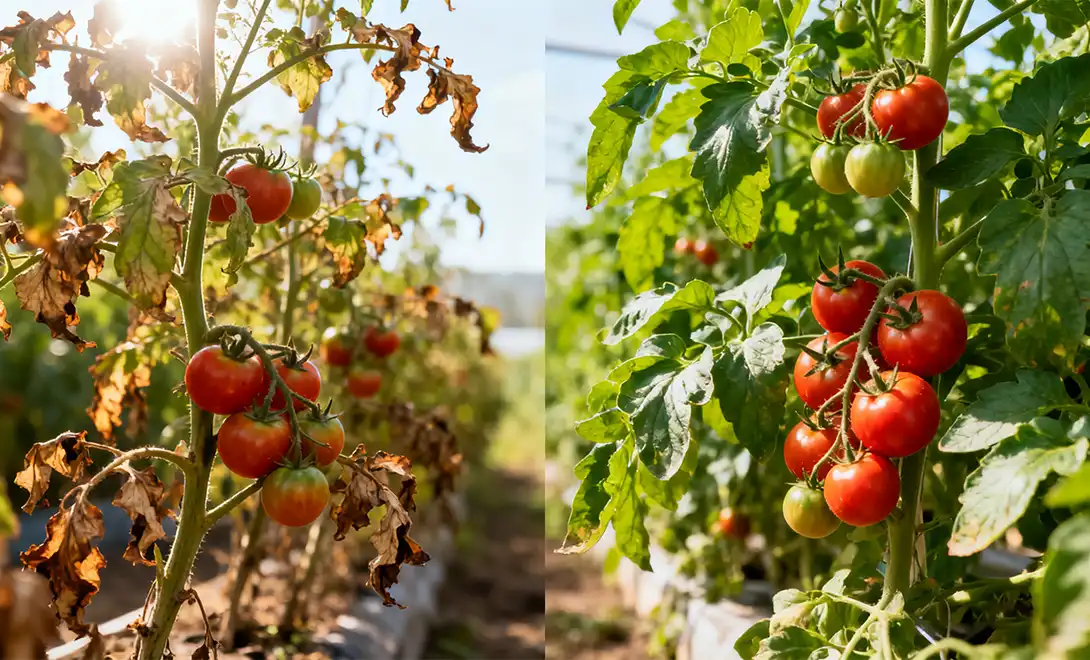
How Amino Acid Biostimulants Improve Crop Performance
Plant biostimulants are a big change from just nutritional methods to tactics for improving metabolism. These specialized goods work at the cellular level to improve the way plants work physiologically and make their natural ways of adapting stronger.
Metabolic Activation Through Small Peptides
Small molecular peptides act as highly efficient metabolic precursors. Because they are already partially hydrolyzed, plants can absorb and utilize them rapidly without consuming excessive energy.
At LYS Biotech, our yeast‑derived peptide technology employs advanced FSDT enzymatic hydrolysis to preserve bioactive compounds and produce highly absorbable peptide fractions. Our peptide formulations typically contain high levels of free amino acids, bioactive oligopeptides, natural nucleotides, and small peptides below 1000 Daltons.
Stress Tolerance Mechanisms
Biostimulants turn on plant defense systems, boost the production of antioxidants, and make it easier for cells to heal themselves. When the climate is tough and nutrients alone aren't enough to keep plants productive, these effects step in.
It is very important to know the molecular weight characteristics of biostimulants that work. Products with peptides smaller than 1000 Daltons make sure that they are quickly absorbed by the leaves and moved to the roots, which increases their accessibility during times of high stress.
Synergistic Application Methods
For biostimulants to work well, they need to be strategically added to the way crops are managed now. Foliar sprays help the plant's metabolism right away during times of stress, while soil applications improve the biology of the root zone and the plant's health in the long run.
For business activities, tank mixing compatibility is a must. Good biostimulants stay stable at different pH levels and work well with fertilizers and crop protection products without clumping or losing their effectiveness.
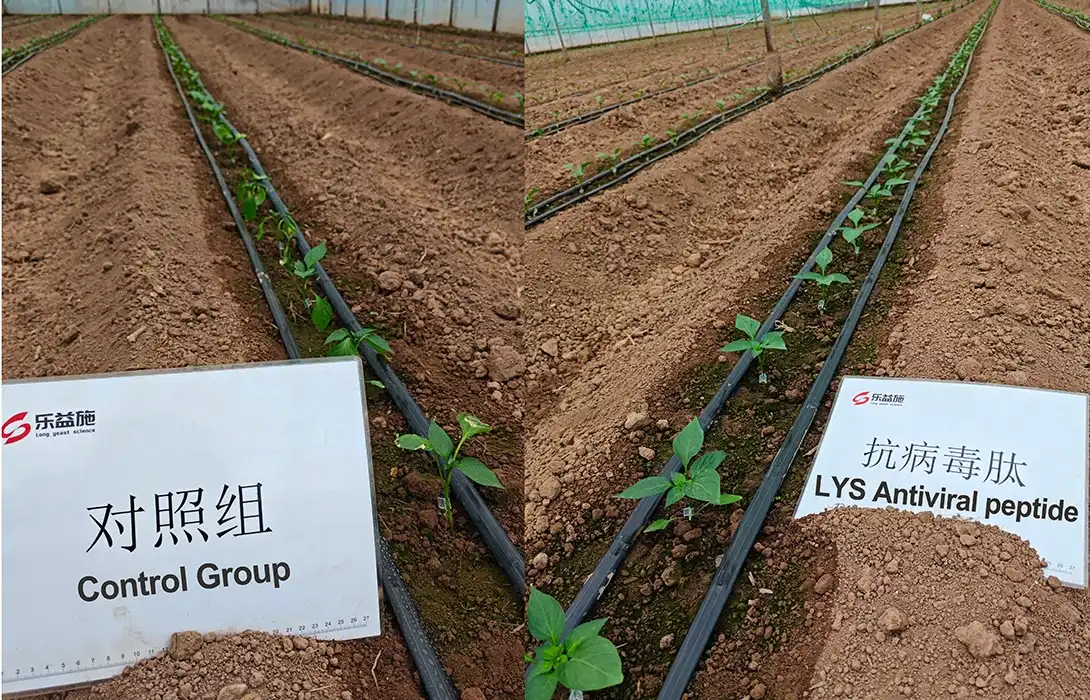
Choosing the Right Amino Acid Biostimulants for Your Procurement Needs
When choosing biostimulant suppliers and goods, procurement workers have to look at a number of factors. Long-term partnership success depends on quality standards, the reliability of the supply chain, and the ability to provide expert assistance.
Product Quality Assessment
To properly evaluate biostimulants, you need to know about certain scientific factors. The aminogram study using HPLC checks the profiles of amino acids and confirms the amounts of bioactive compounds. Degree of hydrolysis testing makes sure that goods have accessible peptides instead of proteins that haven't been processed.
Using racemization tests to tell the difference between chemically inactive D-amino acids and L-amino acids shows how well the production process is working. International safety guidelines set tight limits on the amount of arsenic, lead, and cadmium that can be found in heavy metal analysis.
Supply Chain Considerations
Reliable providers make sure that the quality of their products stays the same across all production batches and give full paperwork to make sure they follow the rules. For large-scale activities, annual production capacity, stable storage, and shipping procedures become very important.
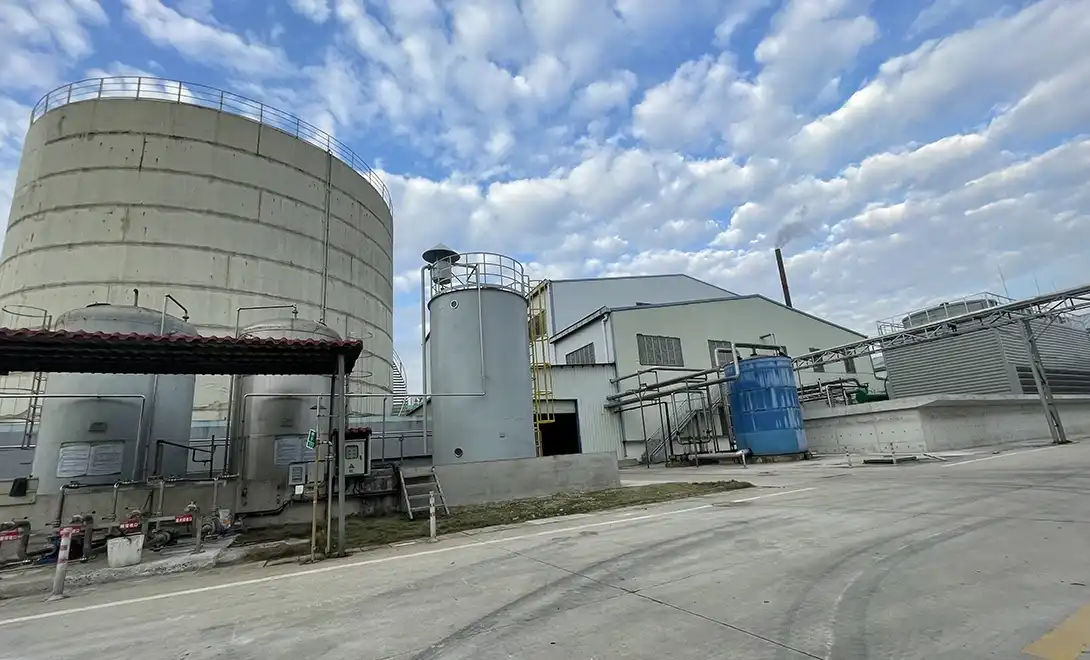
LYS has been making yeast-derived peptides for over 70 years, since its start in 1951. Each year, it makes 10,000 MT. Our chloride-free products stay steady even when the temperature changes, which makes it easier to mix high concentrations of pesticides and nutrients.
Cost-Effectiveness Analysis
Biostimulants usually cost more per unit than regular fertilizers, but the improvements they make to crop growth and the use of inputs often make the extra money worth it. When deciding where to get things, procurement teams should look at the total cost of production instead of the prices of each item.
Integrating Amino Acid Biostimulants into Your Crop Management Program
Timing, application methods, and tracking techniques must all be carefully thought out in order for biostimulant integration to go well. These things decide if businesses get the best return on investment and crop performance gains.
Application Timing Strategies
How well a biostimulant works varies a lot depending on when it is used, how the food is growing, and the weather. When applied early in the season, during times of rapid growth, the metabolic benefits are at their highest. When applied during times of stress, they protect during tough times.
When the weather is warm and stomatal activity is high, treatments that go on the leaves work best. Root zone sprays work best when the soil is moist enough to allow for proper breakdown and uptake.
Monitoring and Optimization
Protocols for monitoring crops with amino acid biostimulants should keep track of both short-term reactions to stress and longer-term success measures. Plant tissue research, yield maps, and quality ratings help growers figure out the best times and amounts to use for their conditions.
Market Differentiation Opportunities
Biostimulant technology can help distributors and original equipment makers stand out in areas where there is a lot of competition. Growers who care about the environment will be interested in these goods because they have interesting stories about sustainability, innovation, and performance.
The growing demand for sustainable agricultural practices creates significant opportunities for companies that can effectively integrate and market advanced biostimulant technologies.
Conclusion
Even though a lot of fertilizer is used, crop stress and poor performance still happen because standard methods don't address the complex biological processes that keep plants healthy. Amino Acid Biostimulants are a new and innovative technology that improves the body's ability to handle stress and use nutrients more efficiently, in ways that chemicals alone can't do. Using these goods in crop management plans has measurable benefits for businesses around the world. This is strong proof for their widespread use in a wide range of agricultural settings.
FAQ
Q1: What makes amino acid biostimulants different from regular fertilizers?
Amino Acid Biostimulants are not just food sources; they also speed up metabolism. They give plants amino acids and peptides that are already made so they can use them right away without having to use a lot of energy to synthesize them. On the other hand, fertilizers only give plants basic nutrients that they have to process through complicated biochemical paths.
Q2: Can Amino Acid Biostimulants reduce fertilizer usage?
Yes. Amino acid biostimulants improve nutrient uptake efficiency and nutrient translocation inside plants. In many field programs, growers are able to partially reduce fertilizer input while maintaining or even improving crop performance. However, biostimulants are generally designed to complement fertilizers rather than completely replace them.
Q3: Why are small molecular peptides important in agriculture?
Small peptides, especially those below 1000 Da, are absorbed much faster by plant tissues compared with large proteins. These peptides can quickly participate in metabolic processes, helping crops respond more efficiently to environmental stress and nutrient demand.
Q4: Can peptide biostimulants be mixed with pesticides and fertilizers?
High-quality yeast peptide products usually have excellent compatibility with most fertilizers and crop protection products. They are commonly used in foliar sprays, fertigation systems, and tank-mix applications.However, compatibility tests are still recommended before large-scale use.
Partner with LYS for Advanced Biostimulant Solutions
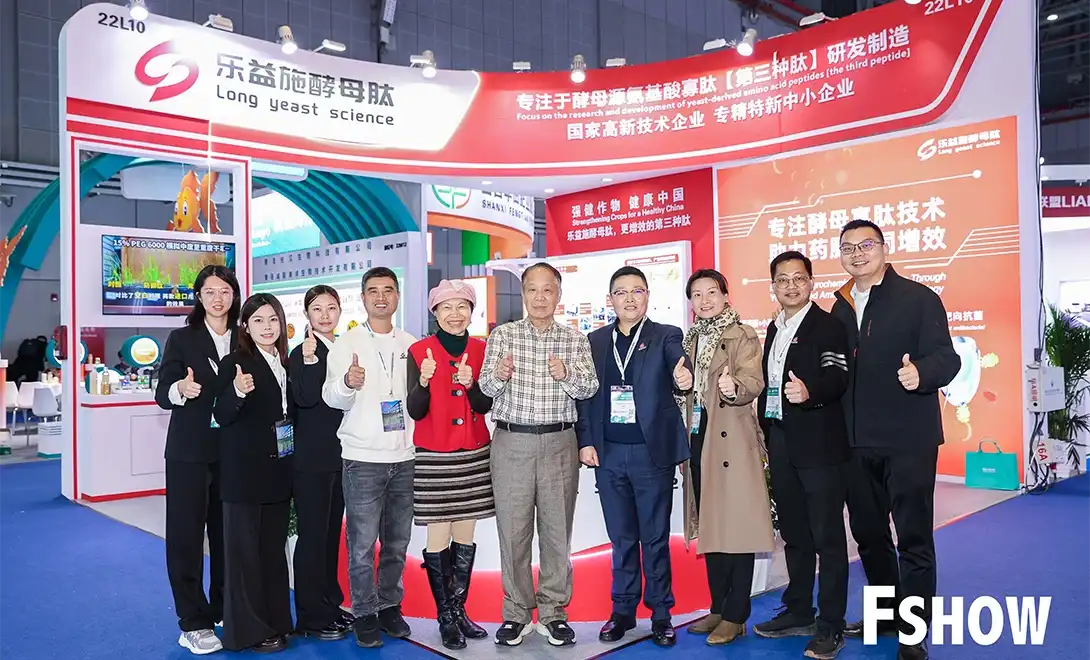
Agricultural innovation needs to work with Amino Acid Biostimulants makers who are reliable and know how to meet the complex needs of current crop production. LYS uses its more than 70 years of experience in biotechnology, along with the latest FSDT enzymatic hydrolysis technology, to provide high-quality biostimulant ingredients produced from yeast.
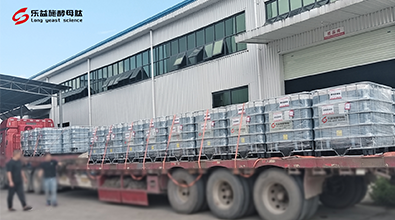
Our high-purity amino acid peptide formulas are more stable, compatible, and bioavailable on the market for tough farming uses. LYS is your reliable source for amino acid biostimulants for custom OEM formulations, large raw materials, and specialized crop improvement solutions. They can produce 10,000 MT of these substances every year and offer full technical support.
Get in touch with alice@aminoacidfertilizer.com to find out how our new biostimulant ingredients can help your products and give your crops better results.
References
1. Calvo, P., Nelson, L., & Kloepper, J.W. (2014). Agricultural uses of plant biostimulants. Plant and Soil, 383(1-2), 3-41.
2. Colla, G., & Rouphael, Y. (2015). Biostimulants in horticulture. Scientia Horticulturae, 196, 1-2.
3. du Jardin, P. (2015). Plant biostimulants: Definition, concept, main categories and regulation. Scientia Horticulturae, 196, 3-14.
4. Ertani, A., Cavani, L., Pizzeghello, D., Brandellero, E., Altissimo, A., Ciavatta, C., & Nardi, S. (2009). Biostimulant activity of two protein hydrolysates in the growth and nitrogen metabolism of maize seedlings. Journal of Plant Nutrition and Soil Science, 172(2), 237-244.
5. Halpern, M., Bar-Tal, A., Ofek, M., Minz, D., Muller, T., & Yermiyahu, U. (2015). The use of biostimulants for enhancing nutrient uptake. Advances in Agronomy, 130, 141-174.
6. Yakhin, O.I., Lubyanov, A.A., Yakhin, I.A., & Brown, P.H. (2017). Biostimulants in plant science: A global perspective. Frontiers in Plant Science, 7, 2049.
Tell us your needs — we’ll provide the right solution for your crops and markets.
Innovating Agriculture with Yeast-Derived Amino Acid Peptides