How do bio-stimulants enhance plant natural defenses?
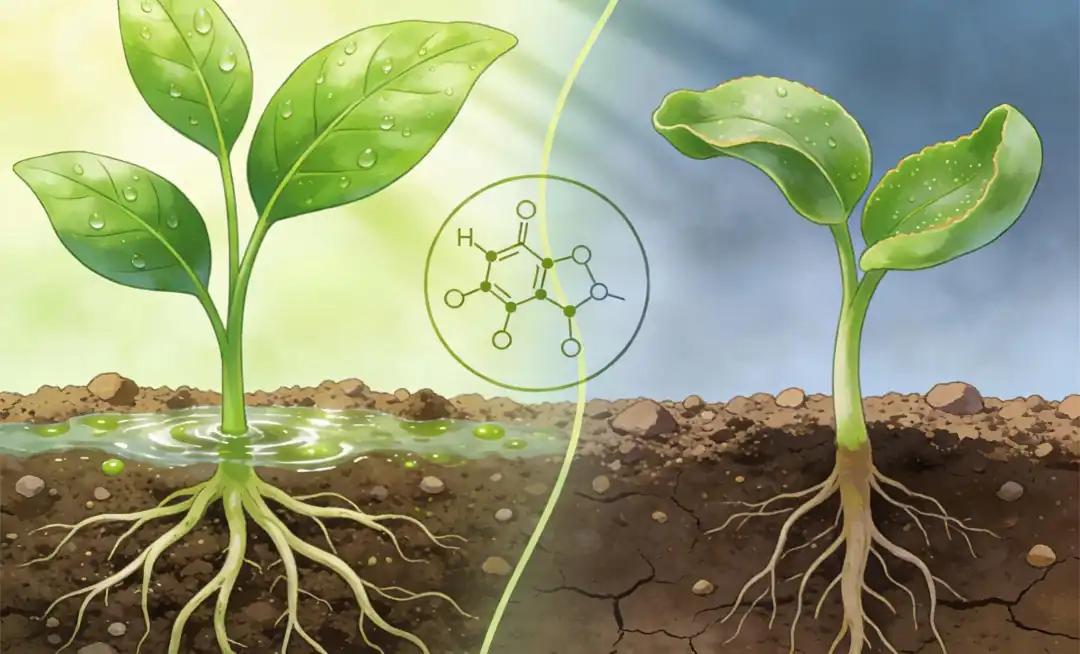
Bio-stimulants enhance plant natural defenses by activating intrinsic immune pathways and strengthening cellular resilience against environmental stresses. These specialized compounds operate at the molecular level to improve plant immunity, optimize metabolic efficiency, and increase tolerance to both biotic and abiotic stress.
Among these technologies, amino acid plant stimulant products have emerged as an important category. They supply bioactive peptides and functional nutrients that support systemic acquired resistance, promote antioxidant synthesis, and reinforce cellular structures against pathogen invasion and environmental challenges.
Understanding Bio-Stimulants and Plant Natural Defense Systems
What Are Bio-Stimulants in Modern Agriculture?
Bio-stimulants are substances or microorganisms that enhance natural plant processes, improving nutrient uptake efficiency, stress tolerance, and crop quality without acting as direct fertilizers. Common categories include protein hydrolysates, humic substances, beneficial microbes, and seaweed extracts.
According to regulatory definitions, bio-stimulants function by improving plant nutrition processes independently of their nutrient content. Their role lies in enhancing nutrient use efficiency, increasing resilience to abiotic stress, and supporting consistent crop performance.
The global bio-stimulant market has expanded rapidly in recent years, reaching approximately $3.2 billion in 2022 and projected to grow at a compound annual rate exceeding 10% through 2030. This growth reflects increasing demand for sustainable agricultural inputs that reduce chemical dependency while maintaining productivity.
How Bio-Stimulants Activate Plant Defense Mechanisms
Plant defense systems are highly complex and can be significantly enhanced by bio-stimulants. These products stimulate the production of pathogenesis-related proteins, increase phytoalexin synthesis, and strengthen physical barriers through lignification and callose deposition.
At the biochemical level, bio-stimulants influence signaling pathways involving salicylic acid, jasmonic acid, and ethylene. By priming these pathways, plants respond more rapidly and effectively to stress conditions. Research indicates that treated plants often show reduced disease incidence and improved tolerance to drought and other environmental pressures.
Amino Acid Plant Stimulant: Composition and Functional Role
Bioactive Composition and Absorption Efficiency
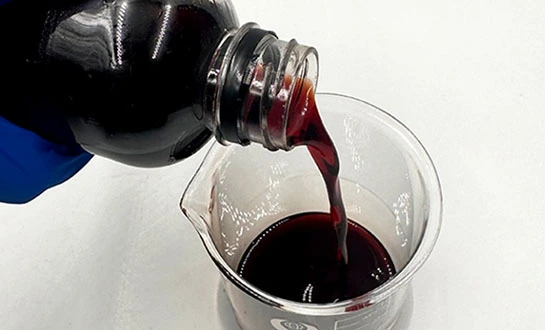
Amino acid plant stimulant formulations typically contain a balanced profile of free L-amino acids, low-molecular-weight peptides, and synergistic bioactive compounds. High-quality products are characterized by molecular weights below 1000 Daltons, allowing rapid absorption through both foliar tissues and root systems.
Key amino acids play specific physiological roles. Glycine contributes to chlorophyll synthesis, while proline supports osmotic regulation and stress signaling. These compounds act not only as nutrients but also as signaling molecules that trigger metabolic and defense responses.
Advanced formulations may also include additional components such as nucleotides and oligosaccharides, which further enhance cellular metabolism and recovery from stress.
Application Strategies and Timing Considerations
The effectiveness of amino acid plant stimulant products depends on proper application timing and method. Foliar applications are most effective during active growth stages or periods of stress recovery, typically at concentrations of 2–5 mL per liter.
Soil or drip irrigation applications provide sustained nutrient availability, particularly during transplanting and early root development. Modern formulations are generally compatible with standard crop management systems and can be integrated with fertilizers and crop protection products, improving operational efficiency.
Benefits Across Crops and Environmental Conditions
Crop Performance and Yield Enhancement
Amino acid plant stimulant applications have demonstrated measurable benefits across a wide range of crops. In horticultural systems, treatments during flowering can improve fruit set, uniformity, and shelf life. In perennial crops such as citrus, consistent application has been associated with improved fruit quality parameters, including higher sugar content.
These benefits are linked to enhanced metabolic activity and improved nutrient utilization, supporting stable crop development throughout the growth cycle.
Stress Mitigation and Environmental Adaptation
One of the most significant advantages of amino acid-based bio-stimulants is their role in stress mitigation. Under drought conditions, treated plants tend to maintain photosynthetic activity for longer periods, helping preserve yield potential.
In saline or degraded soils, improved osmotic regulation supports plant survival and productivity. These characteristics make amino acid plant stimulant products particularly valuable in regions facing climate variability and challenging growing conditions.
Comparison with Other Bio-Stimulant Categories
Performance Differences and Functional Advantages
Compared to seaweed extracts, which primarily provide plant hormones and micronutrients, amino acid plant stimulant products offer more direct metabolic support. They contribute immediately available building blocks for protein synthesis and stress response mechanisms.
Humic substances mainly improve soil structure and nutrient availability, but their effects are generally slower and less targeted at plant metabolism. Synthetic growth regulators provide precise hormonal control but may face regulatory restrictions and risk of misuse.
Amino acid-based products offer a balanced approach by supplying natural precursors that plants can regulate internally, reducing the risk of over-application while maintaining effectiveness.
Quality Considerations and Raw Material Sources
Production methods significantly influence product quality. Enzymatic hydrolysis is widely regarded as superior, as it preserves the biological activity of L-amino acids and minimizes harmful byproducts. In contrast, chemical hydrolysis may introduce unwanted salts and inactive D-amino acids.
Raw material selection is also critical. Yeast-derived proteins are often preferred due to their balanced amino acid composition and lower contamination risks compared to animal-based sources.
Procurement and Implementation for Commercial Agriculture
Sourcing Strategies and Supply Chain Considerations
Effective procurement requires evaluating product quality, supplier reliability, and cost efficiency. Bulk purchasing can reduce unit costs, particularly for large-scale operations, but must be balanced with storage conditions and product shelf life.
Compliance with regulatory requirements is essential for international trade. Products may require registration in destination markets, and certifications such as organic approval can be important for specific agricultural sectors.
Seasonal demand fluctuations also necessitate advanced planning to ensure consistent supply during critical application periods.
Implementation Practices and Return on Investment
Successful implementation begins with baseline assessment through soil and plant tissue analysis. Aligning application timing with key growth stages maximizes effectiveness and resource efficiency.
Field data suggests that amino acid plant stimulant programs can contribute to yield improvements in the range of 8–15%, depending on crop type and environmental conditions. Additional benefits, including improved crop quality and reduced input requirements, contribute to overall return on investment within a single growing season.
Conclusion
Bio-stimulants play a crucial role in enhancing plant natural defenses by activating internal immune systems, improving stress tolerance, and optimizing metabolic performance. Their function extends beyond basic nutrition, influencing complex physiological and biochemical processes that support plant resilience.
Among available options, amino acid plant stimulant products represent a scientifically grounded approach that combines rapid nutrient availability with long-term plant strengthening effects. When properly selected and applied, they can contribute to more stable crop production and support the transition toward sustainable agricultural systems.
FAQ
Q1: What makes amino acid biostimulants more effective than other bio-stimulant types?
Biostimulants that contain amino acids give plants direct metabolic building blocks that they can use right away to start making proteins and activating their stress response. Unlike other bio-stimulants that need to be changed, amino acids have a nutritional effect right away and also act as signaling molecules that start defense pathways.
Q2: How frequently should amino acid stimulants be applied to maximize plant defense enhancement?
When to apply depends on the type of crop and how stressed it is, but it's usually best to do it every 7–14 days during busy growth times. Applying preventative treatments before expected stress events gives plants the most protection, and recovery treatments after stress exposure speed up their healing.
Q3: Are amino acid plant stimulants compatible with organic farming systems?
Most international standards allow high-quality amino acid boosters that come from natural sources and are made by enzymes to be certified as organic. To be organically compliant, products must not contain any man-made ingredients and must be able to be tracked back to their certified source lines.
Q4: What safety considerations apply when using amino acid stimulants on food crops?
Because they are naturally made and break down quickly in plants, premium amino acid boosters don't pose many safety risks. Products made from food-grade sources don't need to be stored before or after harvest, so they can be used throughout the growing season, even in uses close to harvest.
Q5: How do storage conditions affect amino acid stimulant effectiveness?
Products stay stable for two to three years if they are stored properly in cool, dry places. For liquid mixtures, cold temperatures should be avoided, and for powders, moisture protection is needed to keep them from caking and breaking down amino acids.
Partner with LYS for Premium Amino Acid Plant Stimulant Solutions
Agricultural workers looking for dependable Amino Acid Plant Stimulant suppliers can use LYS's track record of making high-quality biostimulants. Our LYS AAPS formula blends more than 70 years of technical progress with patented FSDT enzymatic hydrolysis to provide constant quality that makes crops more resistant to a wide range of growing situations. With a production capacity of more than 10,000 metric tons per year and full professional support, LYS gives agricultural companies the stability and knowledge they need to be successful. Email alice@aminoacidfertilizer.com to talk about unique purchasing options that will help you protect your crops better and gain a long-term competitive edge.
References
1. Du Jardin, P. (2015). Plant biostimulants: Definition, concept, main categories and regulation. Scientia Horticulturae, 196, 3-14.
2. Colla, G., & Rouphael, Y. (2015). Biostimulants in horticulture. Scientia Horticulturae, 196, 1-2.
3. Yakhin, O. I., Lubyanov, A. A., Yakhin, I. A., & Brown, P. H. (2017). Biostimulants in plant science: a global perspective. Frontiers in Plant Science, 7, 2049.
4. Calvo, P., Nelson, L., & Kloepper, J. W. (2014). Agricultural uses of plant biostimulants. Plant and Soil, 383(1-2), 3-41.
5. Rouphael, Y., & Colla, G. (2018). Synergistic biostimulatory action: designing the next generation of plant biostimulants for sustainable agriculture. Frontiers in Plant Science, 9, 1655.
6. Bulgari, R., Cocetta, G., Trivellini, A., Vernieri, P., & Ferrante, A. (2015). Biostimulants and crop responses: a review. Biological Agriculture & Horticulture, 31(1), 1-17.

Tell us your needs — we’ll provide the right solution for your crops and markets.
Innovating Agriculture with Yeast-Derived Amino Acid Peptides