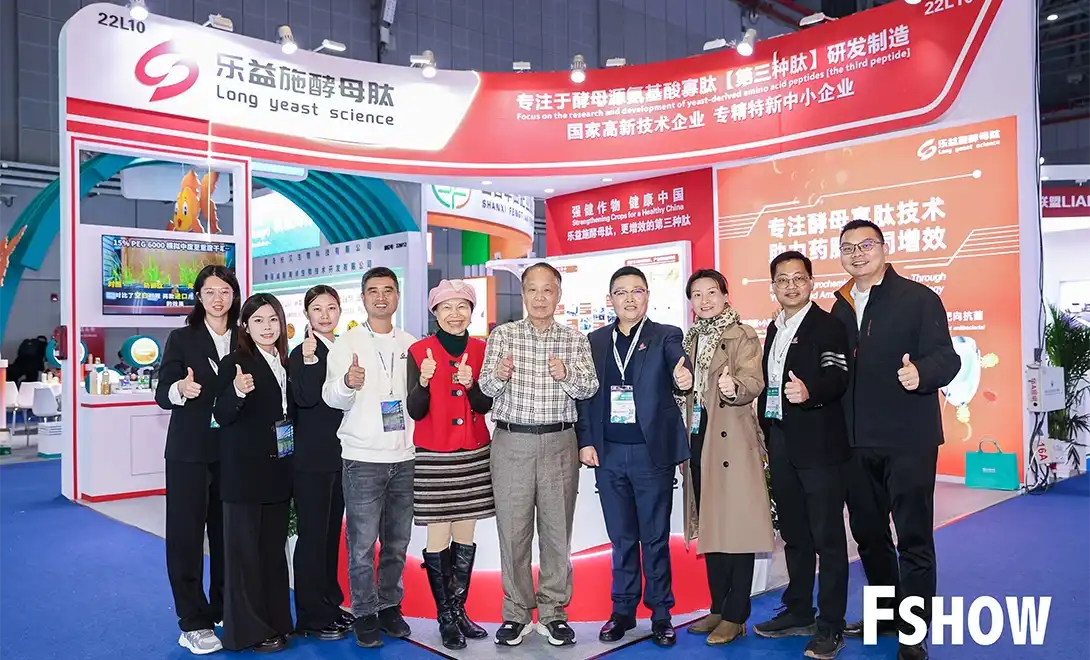
Premium Biostimulant Ingredient Strategies to Improve Nutrient Uptake
Premium Biostimulant Ingredients enhance plants’ nutrient uptake by utilizing highly purified, bioactive compounds. These substances are designed to stimulate the plants’ own metabolic processes rather than merely serving as a direct source of nutrients. Such ingredients include enzymatically hydrolyzed small-molecule peptides, nucleotides, L-amino acids, and oligosaccharides. They help address key challenges in agricultural production, such as low nutrient use efficiency (NUE), insufficient plant tolerance to environmental stress, and yield gaps. Specifically, these biostimulants can optimize plant root architecture, trace element chelation, and stress defense mechanisms. By achieving these improvements, the yield, quality, and sustainability of high-value-added agricultural production can be significantly enhanced.
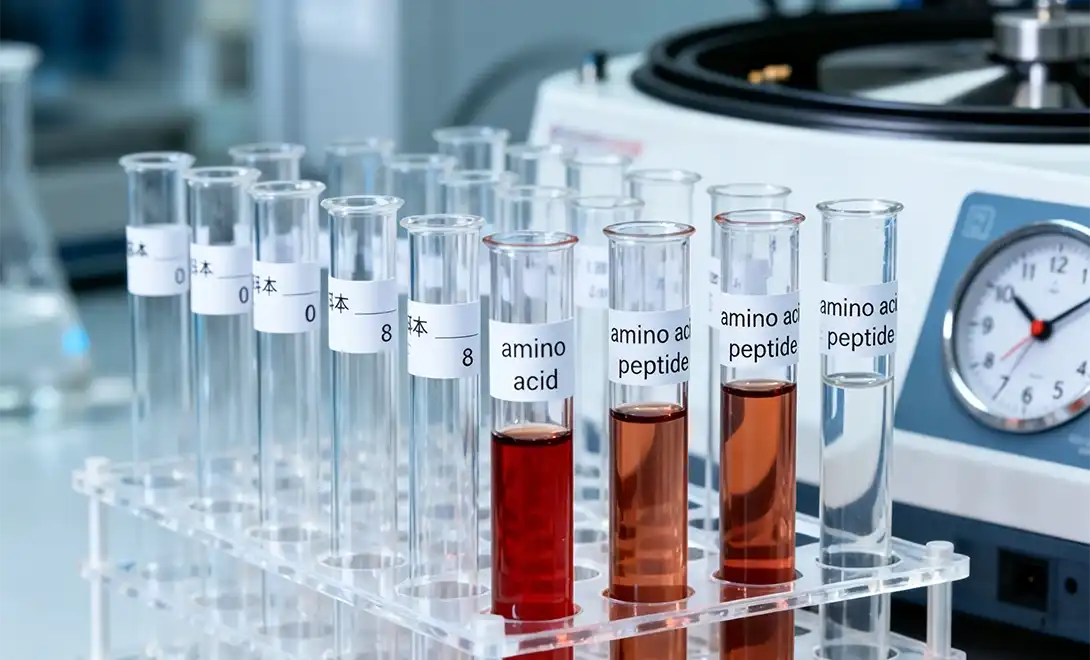
Understanding Premium Biostimulant Ingredients and Their Role in Nutrient Uptake
What Are Premium Biostimulant Ingredients?
Think of standard NPK fertilizers as the "food" your crops need to build strong structures. If that’s the case, then premium biostimulant ingredients are the "vitamins" or "metabolic sparks." These potent agricultural additives don't just provide nutrients; they trigger the biological processes that help the plant actively find and use those nutrients more efficiently. When you see the "premium" label, it guarantees high purity, superior bioactivity, and consistent performance, all backed by strict quality controls and certifications like EU Regulation 2019/1009 and REACH.
Categories and Biological Mechanisms
Several distinct categories of premium biostimulant ingredients are commercially available, each possessing unique modes of action:
Enzymatically Derived Peptides and Amino Acids: Proteolytic enzymes are utilized to hydrolyze protein sources into highly bioavailable, low-molecular-weight peptides and free L-amino acids. These fractions are readily absorbed through root architecture and foliar tissues.
Seaweed Extracts: These products deliver a complex array of phytohormones, mannitol, and alginic acid, which collectively stimulate root hair development and enhance cellular water retention.
Humic and Fulvic Acids: These humic substances are critical for improving soil structure, chelating micronutrients, and maximizing cation exchange capacity (CEC).
Microbial Inoculants: Beneficial bacterial and fungal consortia facilitate phosphorus solubilization, nitrogen fixation, and other synergistic plant-microbe interactions. The selection of a specific biostimulant category depends on target crop requirements and prevailing environmental stressors.
Interaction with Root Systems and Soil Microbiome
Premium biostimulants function because they interact with the rhizosphere in several ways. Peptides with molecular weights below 1000 Da may readily pass through plant cell membranes and deliver signalling chemicals that activate nutrient-absorbing transporter proteins. These substances promote branching roots and root surface area, improving root structure. The plant can better access soil nutrients. Many Premium Biostimulant Ingredients nourish beneficial soil microbes, improving nutrient cycling. Rhizobacteria, which help plants develop, produce organic acids that break down connected nutrients and make them available. Mycorrhizal partnerships increase root zones. This combined influence on plant chemistry and soil biology works together like ordinary fertilisers can't.
Strategies to Optimise Nutrient Uptake Using Premium Biostimulants
Tailoring Selection to Crop Types and Soil Conditions
To improve nutrient intake, make sure the Premium Biostimulant Ingredient qualities suit the agricultural conditions.
- For High-Value Crops (Oranges, Tomatoes, Grapes): During the reproductive phase (flowering/fruiting), plants demand peak Potassium and Calcium. Seaweed-based formulas are excellent, but integrating LYS Biotech’s yeast-derived peptides can further enhance the transport of these cations.
- For Row Crops (Wheat, Maize): Amino acid-based biostimulants are essential during tillering and grain filling to boost Nitrogen Use Efficiency (NUE).
- For Problematic Soils: Alkaline/Iron-poor soils: Use Fulvic Acids or chelating compounds to unlock micronutrients.
- Saline/Drought-stressed soils: High concentrations of Betaines and Proline (found in LYS’s full-spectrum aminogram) act as osmoprotectants, maintaining nutrient flow under osmotic stress.
Comparing Application Methods and Timing
How biostimulants are used affects their efficacy.
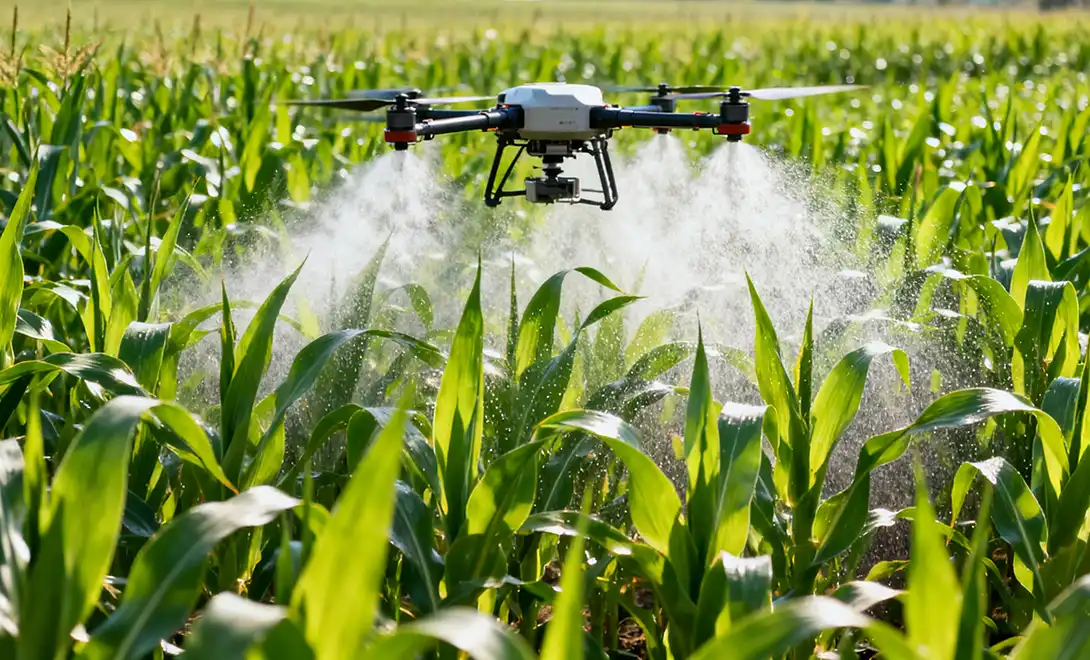
- Foliar Sprays (The "Quick Fix"): Ideal for immediate deficiency correction and heatwave preparation. The small-molecule peptides from LYS Biotech are absorbed by stomata within hours, showing visible "greening" in 3–7 days.
- Fertigation (The "Root-Zone" Strategy): Best for high-tech greenhouses. This method delivers bioactive compounds directly to the rhizosphere during peak growth cycles.
- Seed Treatment: Coating seeds boosts germination and early vigor in cold or dry soils.
Pro Tip: Split treatments (multiple low doses) throughout the vegetative and fertile periods consistently outperform a single high-dose application.
Integration with Existing Fertiliser Regimes
Premium Biostimulant Ingredients supplement fertiliser programs rather than replacing them. Premium biostimulants are "force multipliers" for your existing NPK regime.Reduce Inputs by 20–30%: Properly integrated biostimulants allow for lower synthetic fertiliser rates without sacrificing yield.The LYS Advantage: Our products are pH-stable and designed for tank-mixing.
Warning: Always perform a "jar test" before bulk mixing.
Comparing Premium Biostimulant Ingredients—Making Informed Procurement Decisions
Evaluating ROI: Beyond the Price Tag
Performance metrics should always outweigh commodity pricing. When evaluating premium ingredients, consider the Total Value of Ownership (TVO):
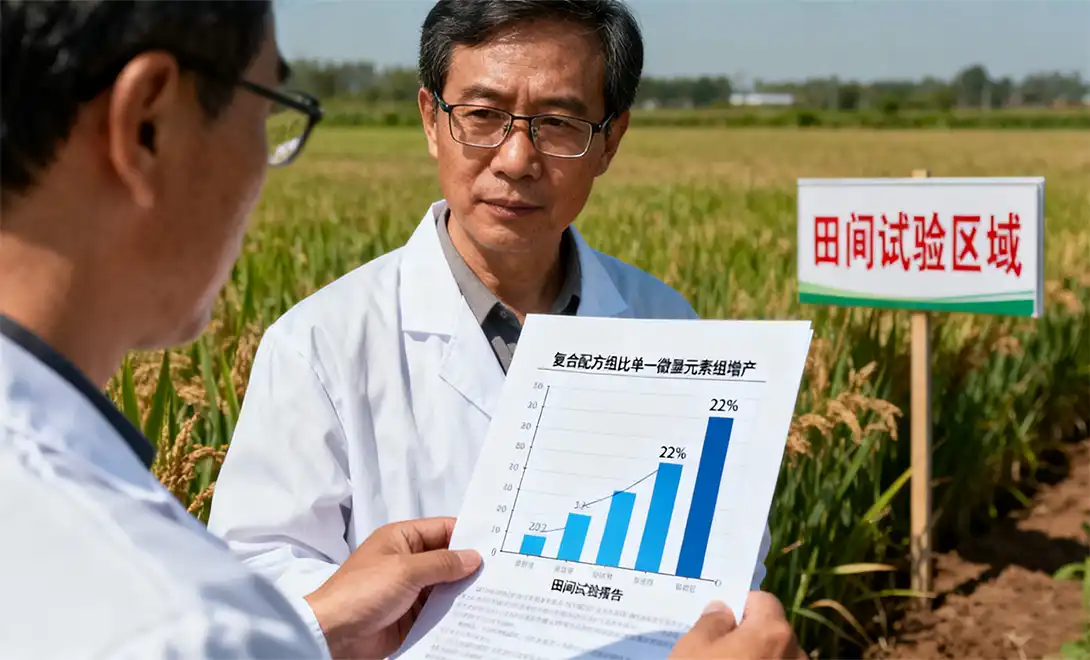
- Nutrient Use Efficiency (NUE): We measure success by comparing treated vs. untreated plot tissues. Premium formulas consistently boost yields by 5–15% across diverse environments.
- The "Concentration" Advantage: High-end formulas require lower application rates. A 1L bottle of concentrated yeast-derived peptide can often outperform 5L of generic liquid amino acids, reducing logistics and storage costs.
- Sustainability & Footprint: Beyond yield, premium products minimize nutrient runoff and reduce the overall carbon footprint per ton of produce—a critical requirement for modern regulatory compliance.
Assessing Supplier Credentials and Technical Support
A supplier’s technical heritage is the best predictor of product consistency.
The Power of FSDT: LYS Biotech’s proprietary 70-year-old Full-Spectrum Directed Enzymatic Hydrolysis (FSDT) is more than just a process; it is a guarantee of molecular stability. Unlike generic fermentation, FSDT ensures a consistent aminogram profile in every batch.
Expert Support Ecosystem: We provide more than a product—we provide a solution. This includes agronomic consultation, precise application guidelines, and technical data sheets that help your sales team close deals with confidence.
Contrasting Market Solutions and Innovative Products
Biostimulants vary from basic materials to high-tech speciality compounds. Commodity items usually have lower active chemical concentrations, requiring more application and producing variable results.
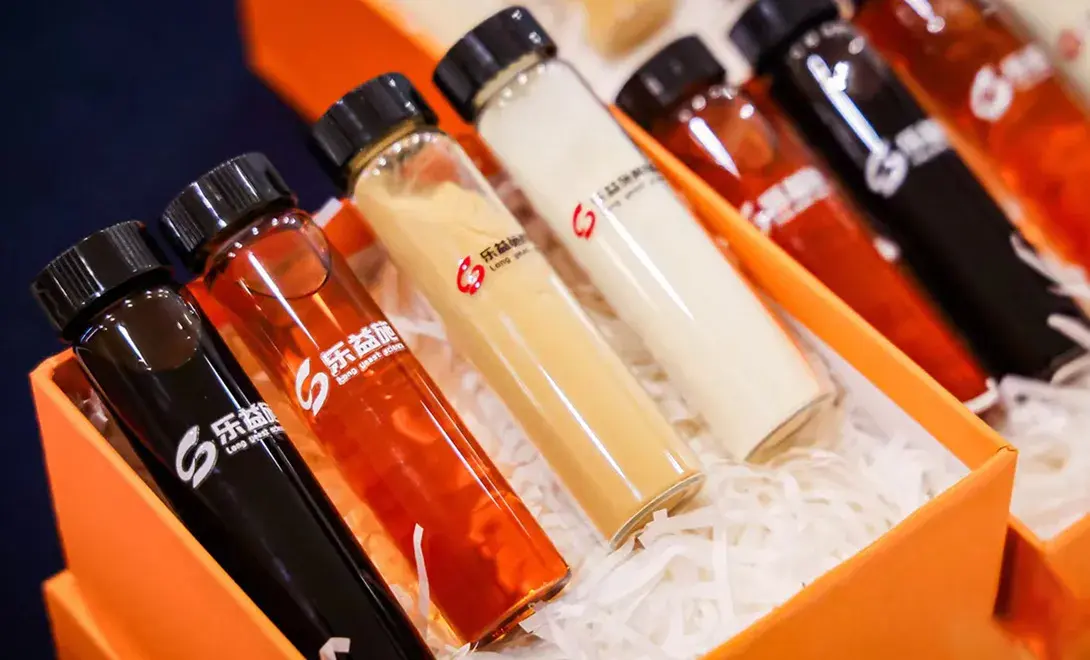
Yeast-derived small-molecule peptides are superior at being bioavailable, stable at high temperatures, and chloride-free, making them ideal for seed coverage and aerial sprays. Nucleotide-containing compounds speed up plant healing and make it more stress-resistant than amino acid products. Modern formulae are stable in different temperatures, making high-concentration tank mixtures of fertilisers and insecticides easy to create. Purchasing teams turn to suppliers with distinctive products supported by scientific evidence and field performance data to acquire a competitive edge. The high-end alternatives enable distributors to access higher-margin markets and manufacturers to design new formulae that satisfy evolving environmental and regulatory criteria.
Case Studies and Research Insights on Premium Biostimulant Ingredient Effectiveness
The Science of Performance: Field Trial Insights
Research from leading agricultural universities confirms that the right biostimulant chemistry can fundamentally alter plant physiology:
Nitrogen Use Efficiency (NUE): Studies show that enzymatically hydrolyzed amino acids (like those produced via LYS’s FSDT process) can boost nitrogen utilization by 18–25% in cereal crops. This allows farmers to maintain yields while significantly reducing synthetic N inputs.
Micronutrient Unlock: In alkaline soils, humic molecules and specific peptides have been proven to increase Iron (Fe) and Zinc (Zn) uptake by 30–40% by acting as natural chelators.
Stress Resilience: Molecular research indicates that seaweed extracts and yeast peptides upregulate "stress-response pathways," increasing the production of antioxidant enzymes and proline, which protect the plant during drought and heatwaves.
Real-World Commercial Applications
Case examples from many sectors demonstrate how advantages may improve all production processes. A huge California tomato farm introduced yeast-based peptide biostimulants to their fertigation. This increased output by 12% and reduced nitrogen inputs by 20%. The farmer stated the fruit was firmer and had a longer shelf life, increased pricing more than compensated for production expenses. An export-oriented Latin American mango plantation employed seaweed extract throughout blooming and fruit development. This improved fruit colour and reduced fruit falling. Quality improvements make it simpler to enter high-end overseas markets with exacting aesthetic demands. A large Midwest wheat farmer employed amino acid seed treatments to improve seed emergence and early-season vigour, closing the canopy earlier and killing weeds better. Real-life examples illustrate how high-quality biostimulants reduce manufactured inputs and boost economic growth while achieving environmental objectives.
Emerging Innovations and Future Potential
Biostimulants change as new technologies promise higher performance. Nanotechnology encloses bioactive compounds in safe matrices that release slowly, prolonging medicinal efficacy. Precision agriculture integrates biostimulant treatments with different rates to adapt local conditions, optimising resource consumption. Microbiome engineering builds microbial communities tailored to diverse crop and soil mixes, boosting the advantages of these groups functioning together. Biostimulants that help plants tolerate heat, water, and weather are being researched to adapt to climate change. These new advances make pricey biostimulants essential for sustainable growth, which entails satisfying food demand with little environmental impact. Regenerative agricultural systems that prioritise soil health and ecosystem benefits are using biostimulants increasingly. More research into plant-microbe interactions and stress physiology should uncover novel mechanisms and applications.
Conclusion
The use of Premium Biostimulant Ingredient strategies has changed the way farmers use inputs, going beyond just giving plants nutrients to improve their internal processes. As climate volatility and resource scarcity redefine farming, the shift toward Premium Biostimulant Ingredients is inevitable. Choosing LYS Biotech’s yeast-derived peptides means choosing 18–25% higher Nitrogen Use Efficiency, superior stress resilience, and a 70-year proven track record of innovation.
Don’t just feed your crops—optimize their future. Partner with LYS Biotech to build a more productive, sustainable, and profitable supply chain today.
Frequently Asked Questions About Premium Biostimulant Ingredients
1. How do premium biostimulants differ from traditional fertilizers?
Traditional fertilizers provide the "fuel" (NPK) for plant growth.Premium Biostimulant Ingredient products (like LYS’s yeast peptides) act as the "engine optimizer." They don't just add nutrients; they trigger metabolic signals that increase nutrient uptake efficiency (NUE). This is critical during abiotic stress (drought, heat), when plants normally stop absorbing nutrients from traditional fertilisers.
2. What factors should B2B buyers prioritise when selecting suppliers?
Buyers should check the quality of the product using data from third-party tests, make sure that the company is following the rules for farming standards, and see how consistent the making is across different batches. A supplier's professional support skills are very important, and should include agronomic knowledge and application advice. Companies that have their own tools and have been in business for a long time are usually more reliable. Clear paperwork, prompt contact, and a desire to offer samples for validation testing are all signs of reliable relationships that help with long-term procurement success.
Partner with LYS for Advanced Biostimulant Solutions
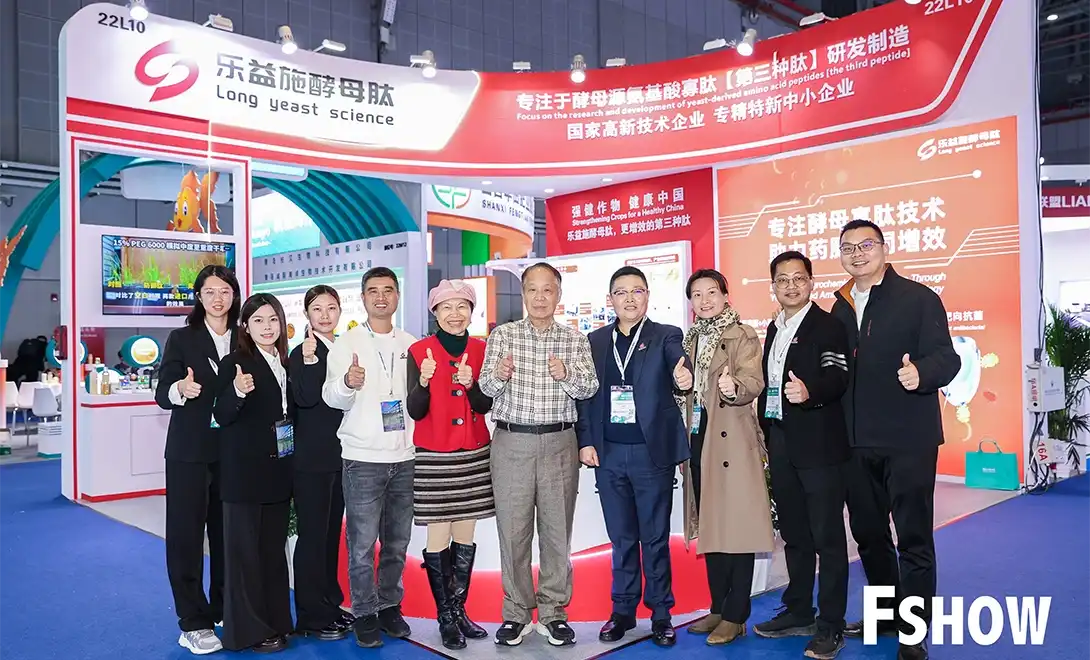
LYS has more than seventy years of experience using its own FSDT enzymatic hydrolysis technology to make small molecules obtained from yeast. Our best biostimulant ingredients have molecular weights below 1000 Da and solubility levels above 80%, which means they are quickly absorbed and keep working for a long time. With a production capacity of 10,000 metric tons per year, we provide reliable, high-quality materials to companies around the world that make agrochemicals, speciality fertilisers, and agricultural supplies. Our chloride-free formulations stay steady at different temperatures, so they can be mixed safely with herbicides and fertilisers without the risk of precipitation. Our technical advice services and custom formulation development can help procurement teams find a reliable source of Premium Biostimulant Ingredient. Email alice@aminoacidfertilizer.com to talk about your particular needs.
References
1. Du Jardin, P. (2015). "Plant biostimulants: Definition, concept, main categories and regulation." Scientia Horticulturae, 196, 3-14.
2. Yakhin, O.I., Lubyanov, A.A., Yakhin, I.A., & Brown, P.H. (2017). "Biostimulants in Plant Science: A Global Perspective." Frontiers in Plant Science, 7, 2049.
3. Rouphael, Y., & Colla, G. (2018). "Synergistic Biostimulatory Action: Designing the Next Generation of Plant Biostimulants for Sustainable Agriculture." Frontiers in Plant Science, 9, 1655.
4. Calvo, P., Nelson, L., & Kloepper, J.W. (2014). "Agricultural uses of plant biostimulants." Plant and Soil, 383(1-2), 3-41.
5. Colla, G., Nardi, S., Cardarelli, M., Ertani, A., Lucini, L., Canaguier, R., & Rouphael, Y. (2015). "Protein hydrolysates as biostimulants in horticulture." Scientia Horticulturae, 196, 28-38.
6. Van Oosten, M.J., Pepe, O., De Pascale, S., Silletti, S., & Maggio, A. (2017). "The role of biostimulants and bioeffectors as alleviators of abiotic stress in crop plants." Chemical and Biological Technologies in Agriculture, 4(1), 5.

Tell us your needs — we’ll provide the right solution for your crops and markets.
Innovating Agriculture with Yeast-Derived Amino Acid Peptides