Why Biostimulants Are Moving from “Optional” to “Essential
In the past, biostimulants were often viewed as supplementary inputs used to enhance crop performance under specific conditions. Today, they are becoming integral components of modern crop management systems. This transition reflects a broader turning point in agriculture driven by climate change, regulatory pressure for environmentally responsible practices, and the urgent need to improve crop resilience.
As global food security challenges intensify, biological solutions are gaining recognition for their ability to support plant productivity while reducing environmental impact. By strengthening plant physiology and improving resource efficiency, biostimulants are increasingly regarded as strategic tools rather than optional enhancements in competitive agricultural markets.
Understanding Biostimulants and Their Agricultural Role
Biostimulants are designed to enhance plant development by stimulating natural biological processes rather than supplying nutrients directly. They may contain bioactive compounds, beneficial microorganisms, or organic extracts that influence plant metabolism, soil interactions, and stress responses.
Unlike conventional fertilizers that focus on delivering nitrogen, phosphorus, and potassium, biostimulants improve the plant’s ability to absorb nutrients, tolerate stress, and optimize growth efficiency.
How Plant Growth Stimulants Transform Agricultural Systems
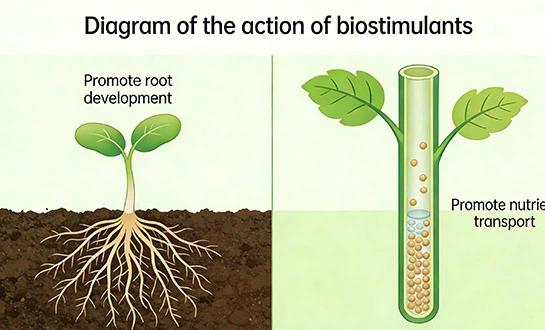
Biostimulants operate through multiple physiological pathways. They activate dormant metabolic processes, enhance root development, and improve nutrient uptake efficiency. At the same time, they help plants cope with environmental stressors such as drought, salinity, and temperature fluctuations.
Different categories of biostimulants address different agronomic needs:
- Microbial inoculants introduce beneficial bacteria and fungi that colonize roots, improving nutrient availability and disease resistance.
- Humic and fulvic substances enhance soil structure and nutrient retention.
- Seaweed extracts provide natural hormones and trace elements that regulate plant growth.
- Botanical and protein hydrolysate formulations supply bioactive molecules that stimulate plant responses.
Distinguishing Features of Advanced Agricultural Solutions
The primary distinction between biostimulants and traditional nutrients lies in their mode of action. Fertilizers supply raw materials for growth, whereas biostimulants optimize how plants use those materials.
Advanced peptide-based biostimulants, for example, contain small-molecule compounds that are rapidly absorbed and metabolized. Yeast-derived peptide technologies produced through enzymatic hydrolysis generate bioactive fractions with molecular weights typically below 1000 Da, enabling fast physiological responses and compatibility with conventional agrochemical programs.
Limitations of Traditional Crop Management and the Rise of Biostimulants
Conventional crop management systems built on intensive fertilizer and pesticide use face increasing limitations. Decades of heavy chemical inputs have contributed to soil degradation, reduced microbial diversity, and rising pest resistance.
At the same time, tightening environmental regulations require growers to reduce synthetic input reliance without compromising yield.
Addressing Agricultural Sustainability Challenges
Traditional input-heavy systems often create dependency cycles. As soil health declines, higher fertilizer volumes are required to maintain productivity. Similarly, pesticide resistance drives increased application frequency and cost.
Biostimulants help break these cycles by restoring biological interactions between plants and soil ecosystems. Rather than overwhelming natural systems, they enhance existing physiological and microbial processes, aligning productivity goals with sustainability principles.
Real-World Applications and Benefits
Field applications across diverse crop sectors demonstrate measurable benefits from integrating biostimulants into crop programs:
- Fruit crops show improved size, uniformity, and shelf life.
- Grain systems report enhanced stress tolerance during critical growth stages.
- Specialty crops benefit from improved flowering and fruit set.
When integrated with precision agriculture technologies, targeted biostimulant use further improves return on investment while minimizing environmental load.
Key Factors Driving the Shift from Optional to Essential Use
Multiple structural forces are accelerating the adoption of biostimulants across global agriculture. These include regulatory reform, consumer demand, and climate adaptation needs.
Regulatory and Market Pressures
Environmental policies in major agricultural economies increasingly favor biological solutions. For example, sustainability frameworks such as the EU Farm to Fork strategy aim to significantly reduce chemical pesticide usage by 2030.
Similar regulatory trajectories are emerging in North America and Asia-Pacific markets, expanding commercial opportunities for biological crop inputs.
Consumer demand also plays a role. Markets for organic and sustainably produced food continue to grow, incentivizing producers to adopt inputs that support certification and reduce chemical residues.
Climate Adaptation and Resilience
Climate volatility introduces complex stress combinations that traditional protection tools struggle to address. Biostimulants enhance plant adaptive capacity by strengthening antioxidant systems, improving osmotic balance, and accelerating cellular repair.
Advanced formulations containing peptides, amino acids, and nucleotide compounds help plants recover more rapidly after stress events, stabilizing yield and quality under unpredictable weather conditions.
Selecting and Sourcing the Right Biostimulants for Agricultural Operations
Effective adoption requires careful product selection and supplier evaluation. Performance depends not only on formulation but also on quality control, compatibility, and technical support.
Evaluating Product Quality and Compatibility
Key evaluation criteria cover clearly defined active ingredients, documented mechanisms of action, stability under storage and field conditions, and compatibility with fertilizers and crop protection products; certification standards further provide assurance, especially for organic or sustainable production systems, while verified products gain broader regulatory acceptance and greater market flexibility.
Supplier Assessment and Partnership Development
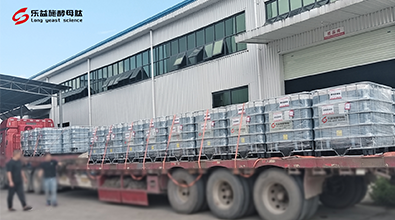
Reliable suppliers are characterized by consistent manufacturing quality, scalable production capacity, professional technical advisory capabilities and sustained investment in research. For example, producers of yeast-derived peptides that adopt advanced enzymatic hydrolysis technologies can provide standardized small-molecule fractions on an industrial scale while ensuring consistent formulations for global markets.
Embedding Biostimulants into Business Operations
Successful integration requires structured implementation strategies:
- Pilot trials to establish performance baselines
- KPI monitoring (yield, quality, input reduction)
- Staff training on handling and application
- Documentation systems for continuous optimization
These practices ensure measurable ROI and operational consistency.
Future Outlook: Biological Inputs in Next-Generation Agriculture
Agricultural systems are steadily transitioning toward biologically integrated production models. Advances in microbial science, peptide chemistry, and plant signaling research continue to expand the functional scope of biostimulants.
Organizations that incorporate biological enhancers into long-term planning gain strategic advantages through improved sustainability metrics, regulatory alignment, and product quality differentiation.
As innovation accelerates, biostimulants are expected to play a foundational role in resilient, resource-efficient farming systems.
Conclusion
Biostimulants have evolved from optional supplements into essential components of modern agriculture. Driven by regulatory change, climate stress, and sustainability imperatives, their adoption reflects a structural shift in crop management philosophy.
By enhancing nutrient efficiency, strengthening plant resilience, and supporting soil health, biostimulants enable producers to maintain productivity while reducing environmental impact. Their integration—supported by sound sourcing, scientific validation, and precise application—positions agricultural enterprises for long-term success in an increasingly demanding global landscape.
FAQ
Q1: What differentiates biostimulants from traditional fertilizers?
Biostimulants stimulate natural plant processes that improve nutrient uptake, stress tolerance, and metabolic efficiency, whereas fertilizers primarily supply nutrients required for growth.
Q2: Are biostimulants suitable for all crops?
Most formulations are broadly applicable, though performance may vary by crop type, growth stage, and environmental conditions. Crop-specific guidance is recommended.
Q3: How can businesses identify reliable biostimulant suppliers?
Key indicators include certification compliance, technical support capacity, production scale, research investment, and transparent manufacturing standards.
Partner with LYS for Advanced Biostimulant Solutions
LYS delivers cutting-edge biological crop enhancement solutions through our proprietary FSDT enzymatic hydrolysis technology and comprehensive product portfolio. Our yeast-derived small-molecule peptides provide superior stability, compatibility, and efficacy across diverse agricultural applications. With annual production capacity exceeding 10,000 metric tons and over 70 years of technical expertise, we support agricultural professionals worldwide with reliable biostimulant supply and custom formulation capabilities. Contact alice@aminoacidfertilizer.com to explore how our premium biostimulant manufacturer solutions can optimize your crop performance and sustainable production goals.
References
1. Agricultural Biostimulants Market: Global Industry Analysis and Opportunity Assessment 2019-2029. Future Market Insights, 2019.
2. Brown, Sarah M., et al. "Regulatory Framework Development for Biostimulants in North American Agriculture." Journal of Agricultural Policy Research, vol. 45, no. 3, 2023, pp. 178-195.
3. Chen, Liu, and Maria Rodriguez. "Climate Resilience Through Biological Crop Enhancement: A Meta-Analysis of Field Studies." International Journal of Sustainable Agriculture, vol. 28, no. 7, 2023, pp. 445-462.
4. European Commission Directorate-General for Agriculture and Rural Development. "Farm to Fork Strategy: Implications for Biostimulant Adoption in EU Agriculture." Brussels: European Commission Publications, 2022.
5. Johnson, Robert K. "Economic Analysis of Biostimulant Integration in Large-Scale Farming Operations." Agricultural Economics Review, vol. 67, no. 2, 2023, pp. 89-104.
6. World Agricultural Biotechnology Council. "Global Trends in Biological Agriculture: Technology Adoption and Market Development." Annual Report on Agricultural Innovation, 2023.

Tell us your needs — we’ll provide the right solution for your crops and markets.
Innovating Agriculture with Yeast-Derived Amino Acid Peptides