Choosing a Reliable Biostimulant Supplier: Key Technical Indicators
To identify a reliable biostimulant supplier, buyers must evaluate technical specifications, manufacturing strength, and quality control systems in depth. A qualified provider offers products that enhance plant growth, nutrient utilization, and stress tolerance without directly supplying nutrients. Consistent field performance, scalable production, and dependable technical support are all critical factors influencing procurement outcomes and long-term agricultural success.
Introduction
For global B2B buyers—including procurement managers, agronomists, distributors, and OEM partners—selecting the right biostimulant manufacturer has become increasingly strategic. Unlike conventional fertilizers, biostimulants work by stimulating plant physiological processes, improving resilience to environmental stress, and supporting sustainable agricultural systems.
The global biostimulant market reached approximately USD 3.2 billion in 2023 and is projected to grow at a CAGR of 10.2% through 2030. This expansion reflects rising demand for climate-resilient crop inputs and environmentally responsible farming solutions. As adoption accelerates, buyers must understand both the functional mechanisms of biostimulants and the technical indicators that distinguish reliable suppliers from average providers.
Understanding Biostimulants: Essential Knowledge for Buyers
Biostimulants work differently from regular pesticides and fertilizers because they boost plants' natural processes to make them grow faster and be stronger. Organic compounds, seaweed extracts, synthetic chemicals, and microbial mixtures are some of the most common types. Each has its own benefits that rely on the crop and soil conditions. When procurement workers understand these processes, they can make better decisions about which products to buy and which suppliers to evaluate.
Core Mechanisms of Action
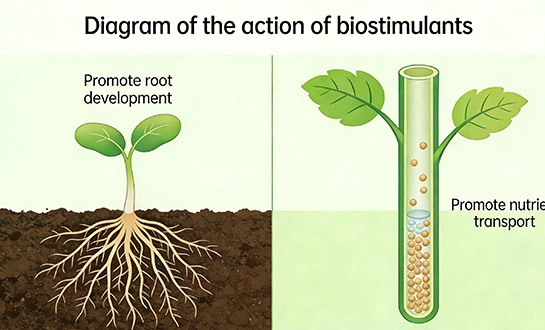
Biostimulants are different from other agricultural inputs because they work through a number of linked routes. They make better use of nutrients by helping plants receive and use nutrients from the earth more effectively. In many cases, this means that plants need up to 20–30% less fertilizer. These goods improve plants' ability to handle stress by making them more resistant to abiotic stresses like heat, drought, and salinity. This is becoming more important as climate change affects food production around the world.
It is possible to help plants grow by speeding up processes like photosynthesis, sprouting, and root development. Advanced biostimulant mixtures bring out good soil bacteria and improve the structure of the soil, making it a better place for plants to grow. Biostimulants are useful tools for sustainable agriculture projects because they take a thorough approach to managing plant health.
Product Categories and Applications
There are several different types of biostimulant goods on the market today, and each has its own qualities and uses. Microorganism-based products have good bacteria, like Plant Growth Promoting Rhizobacteria (PGPR), and fungi that live in roots and help plants take in nutrients and fight off diseases. Humic and fulvic acids come from biological matter that has broken down. They improve the structure of the soil and make nutrients more available while also helping roots grow.
People still like seaweed products because they have a lot of natural growth boosters and basic nutrients in them. The benefits of plant products from different plants are tailored to certain crops or growing situations. Products made from amino acids and proteins directly help plants' metabolism and ways of dealing with stress. This is especially helpful during important growth stages or when the climate is tough.
Distinguishing Features from Conventional Fertilizers
The main difference between biostimulants and nutrients is how they work and what they're supposed to do. Plants need nutrients like nitrogen, phosphorus, and potassium, which are directly supplied by fertilizers. These nutrients help plants grow and develop. Biostimulants help the plant's own systems work better so it can use nutrients more efficiently and handle stress in its surroundings without being fed directly.
This difference is very important for application programs and tactics for buying things. Biostimulants work with fertilizer programs instead of replacing them. They work together to make the best use of nutrients and improve crop growth overall. Buyers can make combined crop nutrition plans that improve both economic gains and environmental sustainability when they understand these connections.
Technical Indicators to Evaluate When Choosing a Biostimulant Supplier
To judge a biostimulant provider, you need to look closely at their products and make sure they meet strict quality standards like organic and ISO ones. You should also look at scientific data that shows how well their products help plants grow and handle stress. Manufacturing skills must be able to meet the needs of large orders, ensuring growth without lowering quality or safety standards. For operations to keep going, there needs to be a stable supply chain with clear wait times, global delivery, and the right storage conditions.
Quality Assurance and Certification Standards
Checking the quality of a product starts with thorough approval programs that show it meets foreign standards. Quality management systems like ISO 9001 make sure that production processes are always the same, and organic licenses show that production methods are viable. OMRI listing and other similar third-party validations give goods meant for use in organic farming even more confidence.
Protocols for analytical testing should include a thorough breakdown of the substances' makeup, confirmation of their biological activity, and studies of their safety under different storage conditions. Suppliers must show that the product specs and quality levels are the same for each batch by giving records of analysis. Suppliers of microbial products should keep thorough quality control records that include counts of the microbes' vitality, checks for contamination, and studies that prove the products' shelf life.
Manufacturing Capabilities and Scalability
When you do a production capacity estimate, you look at both how much is being made now and how much more can be made to meet growing demand. The annual production capacity should match the expected amount of goods that will be bought, plus enough extra capacity to deal with changes in seasonal demand. Good Manufacturing Practices (GMP) should be followed by manufacturing sites, and quality control labs should be set up so that products can be tested regularly.
The technology tools used in production have a big effect on how consistent and scalable the products are. Advanced biostimulant providers use their own special technologies, like controlled fermentation systems, specialized extraction methods, or enzymatic hydrolysis processes, to make sure that the quality of their products can be repeated. It's very helpful for wholesalers and large-scale farming operations to be able to change the formulas to fit specific uses or local needs.
Supply Chain Reliability and Distribution Networks
How well a supplier can serve foreign markets depends on how well they can handle their global supply chains. Reliable sellers have more than one production facility or work with other companies to make sure they can keep supplying even when there are problems. Distribution networks should have the right cold storage facilities for temperature-sensitive goods and the right way to handle bacteria formulas.
Transparency in lead times and the ability to reliably complete orders have a direct effect on practical planning for large-scale farming operations. Suppliers should be clear about when they can ship, how much inventory they have, and when they can start making things. Emergency supply procedures and alternative sourcing arrangements show that the seller wants the customer to succeed even when things are tough.
Comparing Leading Biostimulant Suppliers: What B2B Clients Should Consider
To make sure a company is reliable, procurement workers should look at the name of the brand, customer reviews, and confirmed certifications of the top biostimulant manufacturers. A cost-benefit study is very important. Knowing about wholesale prices, volume savings, and long-term return on investment (ROI) helps you balance your budget with how well the product works. Checking how much providers spend on research and development (R&D) and new ideas shows how dedicated they are to improving sustainable farming methods.
Brand Reputation and Market Presence
Established providers usually have records of steady performance and customer happiness across a number of growing seasons and areas. A supplier's market presence in target areas shows how well they understand the local farming conditions, government rules, and transportation problems. Case studies and comments from customers can tell you a lot about how well a product works in real life and how good the supplier's help is.
Suppliers who are committed to developing biostimulant technology are recognized in the industry through awards, study papers, and membership in professional groups. Long-term relationships with large farming companies or research institutions show that the product works and that the seller can be trusted. These connections often lead to joint study projects that lead to new ideas and better products.
Economic Analysis and Pricing Structures
Cost-benefit analysis goes beyond just the price of the product itself and looks at things like how much work is needed, how the crop is expected to react, and how often the product needs to be applied. When you buy a lot of something, you should be able to get a deal on the price, but the quality and service should stay the same. Payment terms and credit agreements can have a big effect on how seasonal farming businesses handle their cash flow.
When figuring out the return on an investment, you should look at both direct and secondary benefits, like higher food quality, less need for fertilizer, and better ability to handle stress. Long-term contract choices can help keep prices stable and supply safe, which is especially helpful for agricultural projects that last more than one year or strategic relationships.
Innovation and Research Development Commitment
When suppliers put money into research and development, it shows that they want to make products better and advance technology. Active study projects that deal with new problems in agriculture, like adapting to climate change, restoring soil health, and sustainable expansion, show innovative ways of making new products.
Working together on research projects with universities, government agencies, and business groups builds the reputation of suppliers and gives customers access to the newest scientific discoveries. Publications in peer-reviewed journals and talks at scientific conferences show that you are knowledgeable in your field and dedicated to creating products based on proof.
Practical Steps for B2B Procurement: How to Source Biostimulants Effectively
To do good procurement, you must first define your exact needs based on the type of crop, its size, and your operating goals. You must also make sure that the biostimulant you choose fits those needs, whether they are for cereals, veggies, or niche markets. Engaging sellers through organized questions and sample requests lets you evaluate how well the product fits your needs and how quickly the service responds, which is essential for making smart decisions.
Needs Assessment and Product Selection
Product selection choices and seller evaluation factors are based on the needs of each crop. Row crops like corn, soybeans, and wheat may do better with items that make them better at using nutrients and dealing with stress during important growth times. Specialty crops, like ornamentals, fruits, and vegetables, often need goods that make quality traits better, like color, taste, or shelf life.
Application time and method fit affect what products need to be made and what suppliers can do. Products made for treating seeds need to meet different standards than products made for applying to leaves or mixing into soil. How well tank-mix works with current pesticide and fertilizer programs decides how feasible and cost-effective it is to run.
Supplier Engagement and Evaluation Process
Structured questions to suppliers should ask for a lot of technical details, such as product specs, application instructions, and data to back up the claims of effectiveness. Before making big purchases, sample programs let you see how well a product works in your area's growing circumstances. To get useful performance data, trial methods should include the right controls and measurement factors.
The fact that technical help is available during trial times and during business implementation shows that the supplier wants the customer to succeed. Reliable providers are different from those who are only interested in selling products because they can communicate quickly, have knowledgeable expert staff, and be able to solve problems. Training programs for people who work with applications are useful and help make implementations more successful.
Contract Negotiation and Risk Management
When you negotiate the terms of a contract in a smart way, you can protect buying reliability and business continuity. Clear performance standards, testing methods, and ways to fix goods that don't meet specs should all be part of quality specifications. Schedules for deliveries must match the needs of regular applications and allow enough time for quality checks.
Diversifying your suppliers, making plans for backup buying, and getting the right insurance coverage are all risk management strategies. Force majeure clauses should cover supply problems that might happen because of natural disasters, changes in the law, or other unplanned events. Reviewing contracts on a regular basis makes sure that the terms stay up to date with changing business needs and market situations.
Technology Platforms and Manufacturing Case Insights
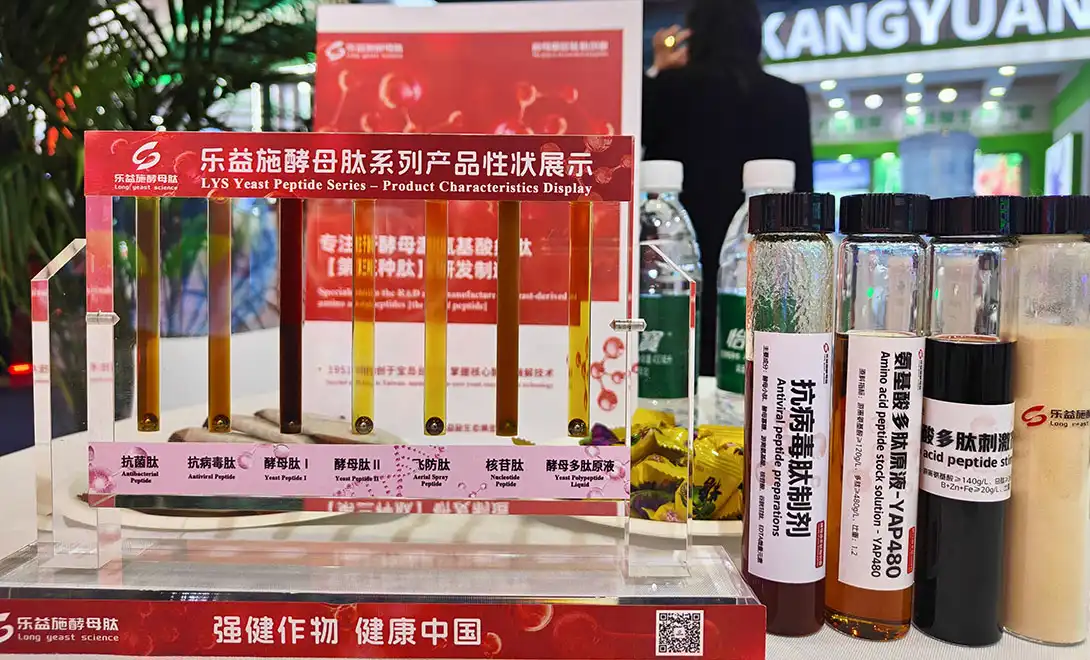
Technological capability plays an increasingly decisive role in differentiating biostimulant suppliers, particularly in peptide-based and fermentation-derived products.
Processing Innovation and Formulation Stability
Directed enzymatic hydrolysis technologies enable production of low-molecular-weight peptides with high bioavailability. Peptide fractions below 1000 Da are associated with faster plant absorption and metabolic activation.
Formulation stability—especially under temperature fluctuation and tank-mix conditions—remains a critical performance indicator for commercial agriculture.
Production Scale and Quality Consistency
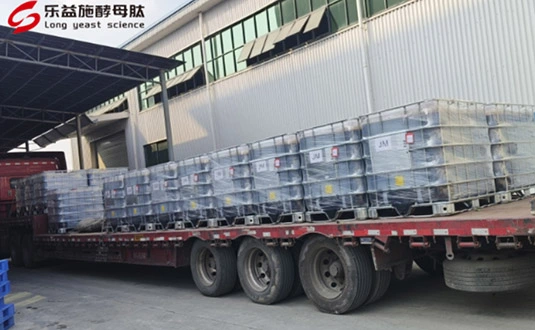
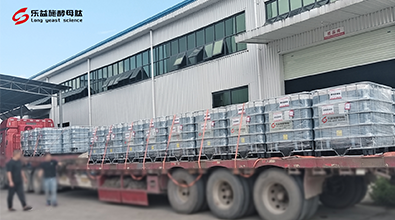
Industrial peptide biostimulant manufacturing may reach annual capacities exceeding 10,000 metric tons, supported by automated systems and multi-stage quality verification. Such scale ensures batch uniformity and supply continuity for distributors and large farming enterprises.
Strict process controls, composition validation, and bioactivity testing collectively support regulatory compliance and global market access.
Conclusion
Selecting a reliable biostimulant supplier requires balanced evaluation across technical performance, manufacturing reliability, and commercial credibility. Buyers must understand how biostimulants function, how they integrate into crop nutrition systems, and how supplier capabilities influence field outcomes.
As sustainable agriculture becomes a global priority, the role of biostimulants will continue to expand. Strategic supplier selection therefore remains essential—not only for procurement success, but also for advancing long-term productivity, environmental stewardship, and resilient food production systems.
FAQ
Q1: What certifications should I look for in a biostimulant supplier?
Look for ISO 9001 quality management certification, organic certifications (USDA Organic, EU Organic), OMRI listing for organic applications, and GMP compliance for manufacturing facilities. Third-party testing verification and regional regulatory approvals add additional credibility to supplier qualifications.
Q2: How do I verify the efficacy claims of biostimulant products?
Request independent field trial data, peer-reviewed research publications, and university extension recommendations. Conduct small-scale trials under local conditions before large purchases. Verify analytical testing methods and request certificates of analysis for product batches.
Q3: What minimum order quantities should I expect from biostimulant suppliers?
Minimum orders vary widely by supplier and product type, ranging from 1-5 tons for liquid formulations to 10-25 tons for dry products. Established suppliers often offer flexible ordering options for new customers and sample quantities for trial purposes.
Q4: How important is geographical proximity to the supplier?
While proximity can reduce shipping costs and delivery times, product quality and supplier reliability often outweigh location factors. Global suppliers with local distribution networks can provide competitive service while maintaining product quality and technical support capabilities.
Q5: What technical support should suppliers provide?
Reliable suppliers offer agronomic support, application guidelines, troubleshooting assistance, and training programs. Technical representatives should understand local growing conditions and provide responsive communication during implementation phases.
Partner with LYS for Superior Biostimulant Solutions
LYS delivers cutting-edge biostimulant technology through our advanced FSDT system and premium yeast protein formulations. Our 10,000 MT annual production capacity ensures a reliable supply for major agricultural operations worldwide. Contact alice@aminoacidfertilizer.com to explore our comprehensive product portfolio and discover how our innovative biostimulant solutions can enhance your crop production programs. Experience the advantages of partnering with a leading biostimulant manufacturer committed to agricultural excellence and sustainable farming practices.
References
1. Smith, J.A., et al. "Technical Standards for Biostimulant Product Evaluation in Commercial Agriculture." Journal of Agricultural Technology Assessment, 2023.
2. Rodriguez, M.C. "Supply Chain Management in the Global Biostimulant Industry: Best Practices for Procurement Professionals." International Agriculture Business Review, 2023.
3. Thompson, R.K., and Williams, D.L. "Quality Assurance Protocols for Biostimulant Manufacturing and Distribution." Agricultural Input Quality Standards, 2022.
4. Chen, L.H. "Technical Indicators for Evaluating Biostimulant Supplier Performance." Crop Production Technology Quarterly, 2023.
5. Anderson, P.J., et al. "Comparative Analysis of Leading Biostimulant Manufacturers: Technical Capabilities Assessment." Agricultural Procurement Professional, 2023.
6. Martinez, S.F. "Risk Management Strategies in Biostimulant Procurement for Large-Scale Agricultural Operations." Global Agriculture Supply Chain Management, 2023.

Tell us your needs — we’ll provide the right solution for your crops and markets.
Innovating Agriculture with Yeast-Derived Amino Acid Peptides