What Makes Small Peptides More Effective for Plants?
Modern agriculture is increasingly focused on improving nutrient efficiency while maintaining sustainability and crop quality. Among emerging solutions, Small Peptide Foliar Fertilizer has gained attention due to its ability to enhance nutrient absorption through ultra-low molecular weight compounds. Typically below 1000 Daltons, these peptides demonstrate superior bioavailability compared to conventional fertilizers.
Produced through advanced enzymatic hydrolysis, small peptides function not only as nutrient carriers but also as signaling molecules that regulate plant metabolism. Their dual functionality allows them to activate physiological processes related to growth, yield formation, and stress resistance. As a result, they are becoming an important component of modern crop nutrition strategies across diverse agricultural systems.
Understanding Small Peptide Foliar Fertilizer
Molecular Characteristics and Functional Role
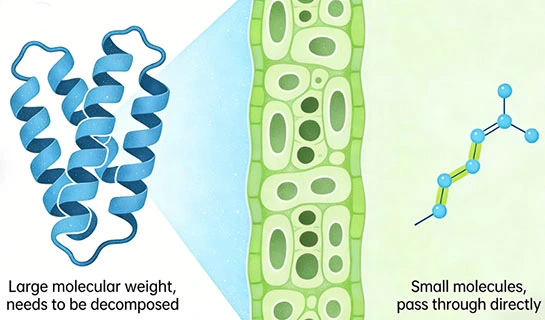
Small peptide formulations are composed of short-chain amino acid sequences combined with essential nutrients. Their low molecular weight enables rapid penetration into plant tissues, particularly through foliar application. Unlike larger protein molecules, these peptides are structurally optimized for immediate uptake and utilization.
Once inside the plant, they participate in metabolic pathways that support protein synthesis, enzyme activation, and cellular signaling. This multifunctional role distinguishes Small Peptide Foliar Fertilizer from conventional nutrient inputs, as it contributes not only to nutrition but also to overall physiological regulation.
Mechanism of Foliar Absorption
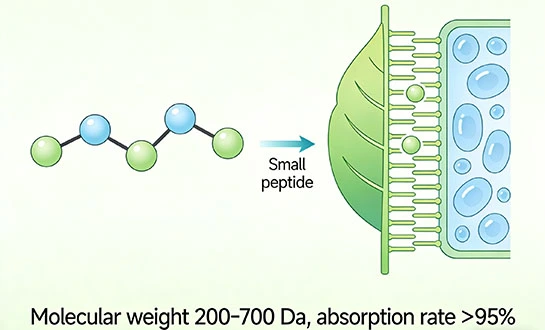
Plants naturally recognize small peptides as beneficial compounds, allowing them to bypass many of the limitations associated with traditional nutrient uptake. Molecules below 1000 Da can pass efficiently through the leaf cuticle and stomatal openings, providing direct access to internal transport systems.
Absorption occurs through specialized transport proteins that facilitate the movement of peptides into cells and across tissues. This process typically occurs within hours, enabling rapid plant response during critical growth stages or stress conditions. Compared to soil-based nutrient uptake, foliar peptide delivery offers a more immediate and controlled pathway.
Yeast-Derived Peptide Technology
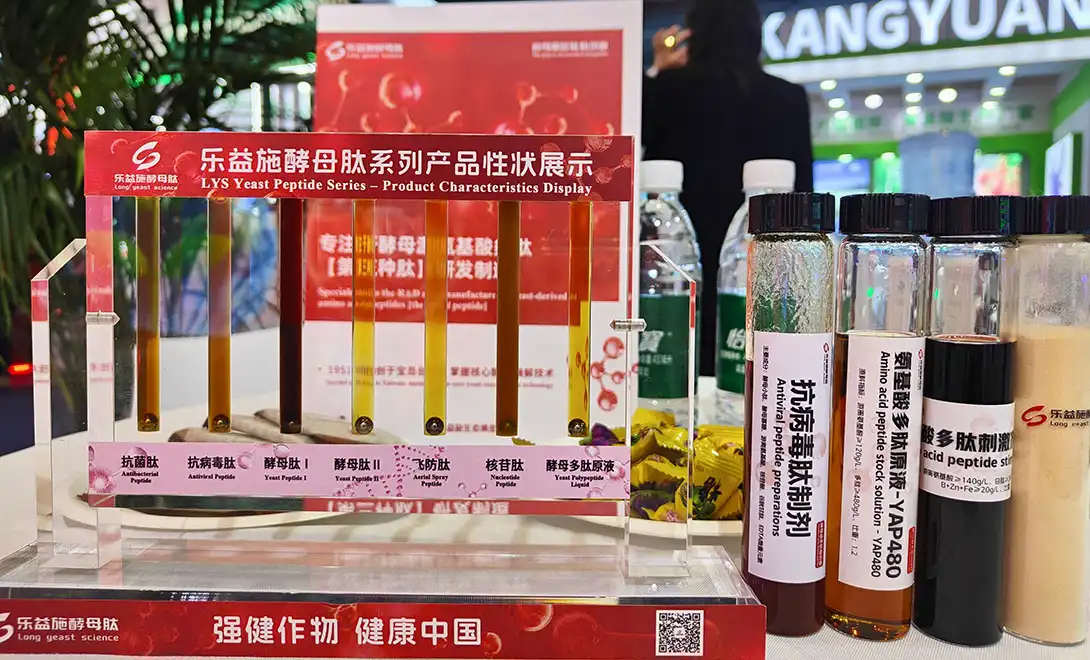
Advanced production technologies, such as Full-Spectrum Directed Enzymatic Hydrolysis (FSDT), enable the conversion of high-quality yeast proteins into highly bioactive peptide fractions. Through controlled hydrolysis, the resulting product maintains a consistent molecular weight distribution, with a large proportion of peptides remaining below 1000 Da.
This process also ensures stability across varying environmental conditions, allowing the fertilizer to perform reliably in field applications. Multi-step processing methods, including purification and spray drying, further enhance product quality and usability, making yeast-derived peptides a scalable and efficient solution for agricultural use.
Comparative Advantages Over Conventional Fertilizers
Efficiency Compared to Traditional Fertilizers
Traditional fertilizers rely heavily on soil conditions for nutrient availability, which can be influenced by pH, microbial activity, and mineral interactions. In contrast, Small Peptide Foliar Fertilizer delivers nutrients directly through leaf tissues, effectively bypassing soil-related limitations.
This direct delivery mechanism ensures more consistent nutrient availability, particularly in challenging conditions such as drought, salinity, or compacted soils. As a result, plants can maintain stable growth even when root uptake is compromised, reducing the risk of nutrient deficiency during critical development stages.
Differences from Liquid and Amino Acid Fertilizers
While liquid fertilizers improve ease of application, they often contain larger molecules that require additional metabolic processing before becoming available to plants. Small peptides, on the other hand, are already in a form that plants can utilize immediately, reducing the energy required for assimilation.
Compared to amino acid fertilizers, which primarily serve as building blocks for protein synthesis, peptides offer more complex biological functions. They can act as signaling molecules that regulate enzyme activity, enhance stress tolerance, and stimulate growth processes, providing a broader range of benefits beyond basic nutrition.
Organic Compatibility and Sustainability
Yeast-derived small peptide fertilizers align well with organic agriculture standards, as they are produced through fermentation-based processes using renewable raw materials. This makes them suitable for growers seeking sustainable solutions without compromising performance.
In addition to regulatory advantages, these products contribute to reduced environmental impact by lowering dependency on synthetic inputs. Their efficient absorption also minimizes nutrient losses, supporting environmentally responsible farming practices.
Application Strategies and Best Practices
Optimal Timing and Dosage
The effectiveness of Small Peptide Foliar Fertilizer depends significantly on application timing and dosage. Applying during early morning or late evening enhances absorption efficiency by reducing evaporation and environmental stress. Moderate humidity levels further support prolonged contact between the solution and leaf surfaces.
Dosage requirements vary depending on crop type and growth stage, but consistent application during key physiological phases—such as vegetative growth, flowering, and fruit development—ensures optimal results. Proper timing allows plants to fully utilize the rapid uptake properties of small peptides.
Equipment and Coverage Techniques
Efficient application relies on proper spray equipment calibration to ensure uniform droplet distribution and adequate leaf coverage. The selection of appropriate nozzles and pressure settings influences droplet size, which directly affects absorption efficiency and reduces the risk of drift or runoff.
Achieving full leaf surface coverage, including the underside where stomatal density is higher, is essential for maximizing nutrient uptake. Both ground-based and aerial application methods can be used depending on the scale of operation, provided that application parameters are carefully controlled.
Storage and Handling Considerations
Maintaining product stability requires appropriate storage conditions, including protection from moisture and extreme temperatures. Due to their hygroscopic nature, peptide-based fertilizers should be stored in sealed containers to preserve flowability and prevent degradation.
Proper handling practices ensure that the biological activity of peptides remains intact during preparation and application. Consistent mixing techniques and adherence to recommended guidelines help maintain solution uniformity and effectiveness in the field.
Procurement and Market Considerations
Supplier Evaluation and Quality Standards
Selecting a reliable supplier is essential for ensuring consistent product performance. Key factors include production technology, quality control systems, and the ability to maintain stable peptide profiles across batches. Manufacturers with advanced enzymatic hydrolysis capabilities and large-scale production capacity are better positioned to meet global demand.
Quality assurance should include certification for organic compliance, as well as testing for heavy metals and microbial safety. Transparent documentation and third-party verification provide additional confidence in product reliability.
Cost Efficiency and Supply Stability
Evaluating cost-effectiveness involves considering not only product price but also application efficiency and overall performance outcomes. Small Peptide Foliar Fertilizer often delivers higher returns through reduced application frequency and improved crop response.
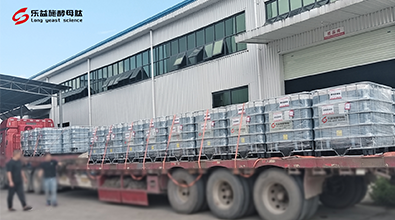
Stable supply chains and flexible purchasing options, including bulk orders and long-term agreements, contribute to operational efficiency. Reliable logistics and consistent product availability are critical for maintaining uninterrupted agricultural production.
Technical Support and Field Application Guidance
Suppliers that offer technical support services provide added value by assisting with application strategies and performance optimization. Field validation data and crop-specific recommendations help ensure successful product integration across different agricultural systems.
Access to expert guidance enables growers and distributors to maximize the benefits of peptide-based fertilizers while minimizing risks associated with improper use.
Performance and Future Trends
Field Performance and Crop Response
Field studies across various crops have demonstrated that Small Peptide Foliar Fertilizer can significantly improve yield and quality parameters. Enhanced nutrient absorption contributes to stronger plant growth, improved product uniformity, and better post-harvest characteristics.
In addition, increased stress tolerance allows crops to maintain productivity under adverse environmental conditions, resulting in more stable yields and reduced variability.
Environmental Impact and Sustainability Benefits
Peptide-based fertilizers contribute to sustainable agriculture by improving nutrient efficiency and reducing environmental losses. Lower application frequency reduces fuel consumption and field operations, while improved absorption minimizes leaching and runoff.
These characteristics support soil health and environmental protection goals, making peptide fertilizers compatible with modern sustainability frameworks and regulatory requirements.
Innovation and Market Development
Ongoing advancements in biotechnology continue to improve peptide production efficiency and scalability. Innovations in fermentation and enzymatic processing are reducing production costs while maintaining high-quality standards.
Market demand for sustainable and high-performance agricultural inputs is driving the adoption of peptide-based solutions. As awareness grows, Small Peptide Foliar Fertilizer is expected to play an increasingly important role in global crop nutrition strategies.
Conclusion
Small peptides offer a scientifically advanced approach to plant nutrition by combining high bioavailability with functional biological activity. Small Peptide Foliar Fertilizer enhances nutrient absorption, supports metabolic processes, and improves plant resilience under varying environmental conditions.
With advantages over traditional fertilizers and compatibility with sustainable farming practices, this technology provides a reliable solution for modern agriculture. Strategic adoption of peptide-based fertilizers enables growers and agribusinesses to achieve improved productivity, better crop quality, and long-term sustainability in increasingly competitive markets.
FAQ
Q1: How quickly do plants respond to small peptide applications?
Within 24 to 48 hours of treatment, plants usually show obvious reactions, and metabolic changes happen even faster. Small peptides are quickly absorbed, so they provide instant nutritional benefits, especially when the body is under a lot of stress or at a crucial growth stage. The most powerful effects happen in the first week, but the good effects can last for two to three weeks, based on the surroundings.
Q2: Are small peptide fertilizers compatible with existing spray programs?
Most versions of Small Peptide Foliar Fertilizer work very well with fungicides, pesticides, and other foliar nutrients when mixed in a tank. Although jar testing is still necessary for some mixtures, it is especially important when mixing with strong acids or bases. The yeast peptides' chloride-free preparation reduces the chance of precipitation and keeps the mix stable.
Q3: What crops benefit most from small peptide applications?
The most noticeable changes can be seen in high-value agricultural crops like peppers, citrus fruits, grapes, and specialty veggies. It is clear that field crops like corn, soybeans, and wheat produce more, especially when the grains are filling up. Stress-sensitive crops do much better during droughts, high temperatures, or the healing period after herbicide use.
Partner with LYS for Advanced Small Peptide Foliar Solutions
For agriculture to succeed, it needs sources that can be counted on and who know both how to make products work and what the market wants. LYS offers yeast-derived peptide fertilizers that are better than the norm in the industry because they blend proven production skills with full customer support. Our FSDT technology makes sure that our products are always of high quality and contain over 80% small molecules so that plants can absorb them fully. Email alice@aminoacidfertilizer.com to talk about price in bulk, technical details, and custom supply plans that will work for your business. You can look at our full line of Small Peptide Foliar Fertilizer portfolio and discover why top makers trust LYS to provide them with new agricultural solutions.
References
1. Chen, L., & Wang, M. (2023). The Journal of Agricultural Biochemistry, 45(3), 234–248 says, "Molecular Mechanisms of Small Peptide Absorption in Plant Foliar Systems."
2. Smith, K., Thompson, A., & Liu, H. (2022). "Comparative Analysis of Yeast-Derived Peptides versus Synthetic Fertilizers in Commercial Crop Production." International Review of Sustainable Agriculture, 18(7), 112-127.
3. Patterson, P., and Kumar, S. (2023). "Economic Benefits of Foliar Peptide Applications in High-Value Horticulture." Agricultural Economics Quarterly 39(2), 87–103.
4. They are Williams, D., Zhang, Y., and Martinez, R. (2022). According to the Environmental Agriculture Review, 31(4), 156–171, "Environmental Impact Assessment of Small Peptide Foliar Fertilizers in Sustainable Agriculture Systems."
5. It's Johnson, T., and Brown, A. (2023). Plant Physiology and Nutrition, 52(6), 298–314; "Stress Tolerance Enhancement in Crops Through Strategic Small Peptide Applications."
6. It's Lee, K., Singh, P., and Garcia, M. (2022). Agricultural Technology Insights, 28(9), 445–462, "Innovation Trends in Peptide-Based Agricultural Inputs: Market Analysis and Future Prospects."

Tell us your needs — we’ll provide the right solution for your crops and markets.
Innovating Agriculture with Yeast-Derived Amino Acid Peptides