How do LYS yeast peptide fertilizers enhance nutrient absorption in plants?
Modern agriculture faces increasing pressure to improve crop productivity while maintaining environmental sustainability. One of the key challenges is enhancing nutrient use efficiency under diverse and often stressful growing conditions. LYS Yeast Peptide Fertilizer represents an advanced biostimulant solution designed to improve how plants absorb and utilize nutrients at the physiological and molecular levels.
Produced through controlled enzymatic hydrolysis of high-quality yeast, this fertilizer delivers bioactive compounds—including small peptides, free amino acids, lipids, and enzymes—directly to plant tissues. These components are rapidly absorbed and metabolized, enabling plants to overcome traditional nutrient uptake limitations.
This article provides a comprehensive overview for global B2B buyers, agrochemical manufacturers, and agronomic professionals. It explores the scientific mechanisms, practical applications, and sourcing considerations of LYS Yeast Peptide Fertilizer, with a focus on improving nutrient absorption efficiency and sustainable crop production.
Challenges in Nutrient Absorption in Modern Agriculture
Bioavailability Constraints of Conventional Fertilizers
In conventional fertilization systems, nutrient availability is often restricted by soil chemistry and environmental conditions. Factors such as pH imbalance, mineral fixation, and low organic matter content can significantly limit nutrient mobility and uptake by plant roots. Even when nutrients are applied in sufficient quantities, their conversion into plant-available forms is not always efficient.
Research indicates that traditional NPK fertilizers typically achieve only 30–50% utilization efficiency under optimal conditions, with performance declining further under stress. Conditions such as high salinity, clay-heavy soils, and alkaline pH exacerbate nutrient immobilization, ultimately increasing input costs and reducing overall fertilization efficiency.
Soil Microbiome Degradation
Modern agricultural practices, including excessive chemical fertilizer use, monocropping, and intensive tillage, have disrupted soil microbial ecosystems. These microbial communities play a fundamental role in nutrient cycling, organic matter decomposition, and root interaction.
As microbial diversity declines, plants lose access to natural nutrient transformation processes and become increasingly dependent on external inputs. This shift not only raises production costs but also contributes to long-term soil degradation and reduced resilience of cropping systems.
Nutrient Antagonism and Chemical Interactions
Nutrient uptake is further complicated by antagonistic interactions within the soil. Elements such as calcium and magnesium often compete for the same uptake pathways, while phosphorus may become fixed in iron-rich soils, reducing its availability. Similarly, imbalances between potassium and sodium can affect ionic equilibrium in plant tissues.
These interactions highlight the limitations of traditional fertilization strategies that focus on individual nutrients without considering system-wide dynamics, often resulting in suboptimal plant nutrition.
Scientific Mechanisms of LYS Yeast Peptide Fertilizer
Molecular Composition and Bioactivity
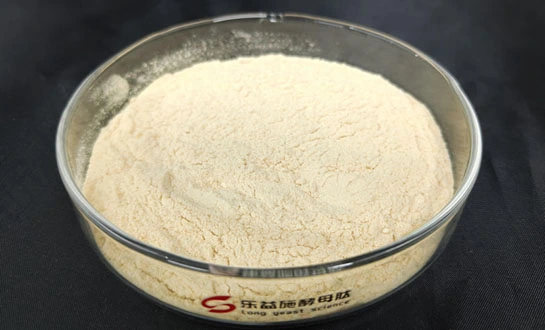
LYS Yeast Peptide Fertilizer is produced using advanced enzymatic hydrolysis technology, resulting in bioactive compounds with molecular weights below 1000 Daltons. The formulation contains a high proportion of small peptides, along with free amino acids, nucleotides, vitamins, and yeast-derived metabolites.
Through the proprietary FSDT (Full-Spectrum Directed Enzymatic Hydrolysis) process, the product maintains consistent peptide profiles while eliminating potentially harmful substances. This ensures stability, safety, and high bioavailability, making it suitable for diverse agricultural applications.
Cellular Uptake and Transport Pathways
Unlike conventional nutrients that require transformation within the soil before absorption, small peptides can be directly taken up by plant cells via peptide transporters and amino acid carriers. This mechanism enables faster nutrient delivery, particularly during critical growth stages when plant demand exceeds conventional uptake capacity.
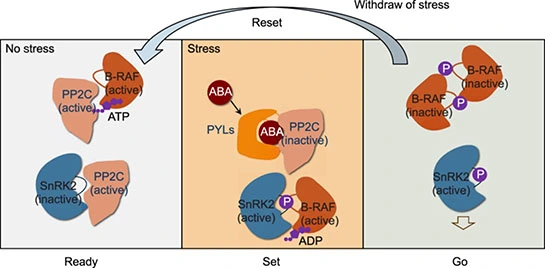
In addition to improving nutrient absorption, peptide-based formulations have been associated with the activation of systemic acquired resistance (SAR), enhancing plant tolerance to abiotic stresses such as drought, salinity, and temperature fluctuations. These physiological responses contribute to sustained crop performance under variable environmental conditions.
Rhizosphere and Microbial Interactions
LYS Yeast Peptide Fertilizer also plays a role in improving soil biological activity by supporting beneficial microbial populations in the rhizosphere. Acting as a nutrient source for microorganisms, it promotes microbial diversity and enhances nutrient cycling processes.
This improved biological environment strengthens root–soil interactions and contributes to long-term soil fertility. At the same time, the balanced composition helps suppress harmful organisms, supporting healthier crop growth and more stable agricultural systems.
Application Strategies and Best Practices
Foliar Application for Rapid Uptake
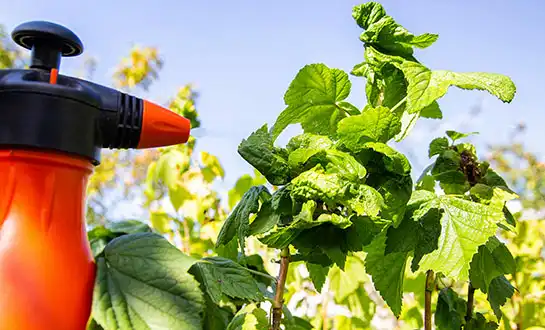
Foliar application provides a direct pathway for nutrient absorption through leaf tissues, making it particularly effective during periods of stress or rapid growth. The small molecular structure of yeast peptides allows for quick penetration and utilization, enabling plants to respond efficiently to environmental challenges.
Applying the product during early morning or late evening can improve absorption efficiency while reducing the risk of leaf damage. When combined with other agrochemicals, compatibility testing is recommended to ensure stability and effectiveness.
Soil Application and Root Zone Optimization
When applied to the soil, LYS Yeast Peptide Fertilizer enhances root activity and improves nutrient availability within the rhizosphere. Uniform application during soil preparation supports consistent nutrient distribution, while targeted placement near the root zone can optimize early-stage plant development.
Its high solubility also makes it suitable for fertigation systems, allowing precise nutrient delivery without compromising irrigation efficiency.
Integration with Fertilization Programs
LYS Yeast Peptide Fertilizer is compatible with most conventional fertilizers and crop protection products, making it easy to integrate into existing agricultural practices. Its chloride-free formulation minimizes salinity risks and maintains stability under varying environmental conditions.
As nutrient uptake efficiency improves, growers may be able to reduce the use of traditional fertilizers, particularly during vegetative growth stages, thereby optimizing input costs and improving overall system efficiency.
Environmental and Economic Benefits
Sustainability and Environmental Impact
The use of LYS Yeast Peptide Fertilizer contributes to more sustainable agricultural practices by improving nutrient use efficiency and reducing dependency on synthetic inputs. Enhanced absorption reduces nutrient losses, minimizing environmental risks such as leaching and greenhouse gas emissions.
In addition, improved soil biological activity supports carbon sequestration and biodiversity, aligning with global trends toward regenerative agriculture.
Economic Value and Return on Investment
From an economic perspective, improved nutrient efficiency and stress tolerance lead to more stable yields and better crop quality. This reduces the risk of production losses and enhances market value, particularly in high-quality crop segments.
The combined effect of reduced input costs and improved output quality creates a favorable return on investment, making yeast peptide fertilizers an attractive option for commercial agriculture.
Organic Compliance and Market Opportunities
LYS Yeast Peptide Fertilizer meets the requirements of major organic certification standards, enabling its use in organic farming systems. This provides access to premium markets while maintaining productivity levels comparable to conventional systems.
As demand for sustainably produced food continues to grow, such inputs offer strategic advantages for producers seeking to differentiate their products.
Procurement and Quality Evaluation
Supplier Selection Criteria
Selecting a reliable supplier is essential for ensuring consistent product performance. Key considerations include production technology, quality control systems, and the consistency of peptide and amino acid profiles. Suppliers should also demonstrate compliance with international safety standards, including testing for heavy metals and pathogens.
Strong technical support capabilities, including agronomic guidance and field validation data, further enhance supplier value.
Supply Chain and Logistics Considerations
Global sourcing requires careful attention to regulatory compliance, transportation conditions, and storage requirements. Due to their hygroscopic nature, yeast peptide products must be stored under controlled conditions to maintain stability during distribution.
Well-structured procurement agreements should include clear specifications for quality, delivery timelines, and technical support.
Technical Support and Field Validation
Suppliers that provide crop-specific recommendations and field trial data can help ensure successful product integration. Access to technical expertise allows buyers to optimize application strategies and maximize agronomic benefits across different cropping systems.
Conclusion
LYS Yeast Peptide Fertilizer offers a scientifically advanced approach to improving nutrient absorption in plants. By utilizing small-molecule peptide technology, it enhances nutrient uptake efficiency, supports soil health, and strengthens plant resilience under stress conditions.
Its compatibility with existing agricultural systems, combined with environmental and economic advantages, makes it a valuable tool for modern farming. For B2B buyers and agricultural professionals, adopting LYS Yeast Peptide Fertilizer provides a practical pathway toward higher productivity, improved sustainability, and long-term agricultural success.
FAQ
Q1: What crops benefit most from yeast peptide fertilizer applications?
Yeast peptide fertilizers work well for many types of crops, but they work especially well for high-value specialty crops, veggies that are sensitive to stress, and fruit trees. Crops experiencing transplant shock, abiotic stress, or fast growth phases show the most noticeable effects of peptide feeding.
Q2: Can yeast peptide fertilizers replace conventional fertilizer programs entirely?
Even though yeast peptides make it much easier for plants to absorb nutrients, they work best as part of overall nutrition plans rather than as an alternative to regular fertilizers. Because it works better, standard fertilizer rates can often be lowered while crop yield stays the same or gets better.
Q3: How quickly can growers expect to see results from yeast peptide applications?
Foliar treatments usually show results on plants in 24 to 48 hours, especially when they are stressed. When applied to soil, the results can be seen in 5 to 7 days, and the benefits last throughout the growing season as the activity of microbes in the soil rises.
Q4: Are there any compatibility issues with common agricultural chemicals?
LYS Yeast Peptide Fertilizer works well with most other fertilizers and chemicals. Copper-based fungicides and high-salt solutions, on the other hand, need to be tested for suitability to make sure they don't react chemically in ways that could make them less effective.
Q6: What storage conditions ensure product stability and effectiveness?
Properly keeping it in covered cases with low humidity keeps it stable and stops it from caking. Different temperatures don't have a big effect on how well a product works, but keeping it in the same storage settings makes it easier to handle and better at its job.
Partner with LYS for Advanced Agricultural Solutions
LYS Yeast Peptide Fertilizer isn't just another tool for farmers; it's a complete nutrition platform that can change how productive and long-lasting crops are. Our FSDT technology, which is based on more than 70 years of experience, consistently produces results that farmers all over the world trust for their most important tasks.
Our manufacturing skills include the ability to produce 10,000 MT per year, which guarantees a steady supply for large-scale buying needs. We help wholesalers and producers by giving them full technical support, application advice, and flexible terms for buying that can fit a wide range of business needs.
Contact alice@aminoacidfertilizer.com to talk to our scientific team about your particular needs. Whether you're seeking bulk quantities as a LYS Yeast Peptide Fertilizer supplier or exploring integration opportunities, our experts provide tailored solutions that maximize your agricultural investment returns.
References
1. Chen, M., et al. "Molecular Mechanisms of Peptide-Enhanced Nutrient Uptake in Crop Plants." Journal of Agricultural Biotechnology, 2023.
2. Rodriguez, A., and Thompson, K. "Small-Molecule Peptides as Biostimulants: Effects on Root Development and Stress Tolerance." Plant Nutrition Research, 2022.
3. Williams, J., et al. "Yeast-Derived Agricultural Amendments: Impact on Soil Microbial Communities and Crop Productivity." Soil Biology and Biochemistry, 2023.
4. Kumar, S., and Lee, H. "Enzymatic Hydrolysis Technology in Agricultural Applications: A Comprehensive Review." Agricultural Technology Advances, 2022.
5. Martinez, L., et al. "Economic Analysis of Biostimulant Integration in Commercial Agriculture Systems." Agricultural Economics Journal, 2023.
6. Anderson, R., and Zhang, Y. "Sustainable Agriculture Through Enhanced Nutrient Use Efficiency: The Role of Peptide-Based Fertilizers." Environmental Agriculture, 2022.

Tell us your needs — we’ll provide the right solution for your crops and markets.
Innovating Agriculture with Yeast-Derived Amino Acid Peptides