Organic yeast hydrolysate fertilizers for sustainable farming
Feeding a growing global population while preserving natural resources has become one of the most pressing challenges in modern agriculture. In this context, yeast hydrolysate fertilizer has emerged as an innovative solution that supports both crop productivity and environmental sustainability. Derived from enzymatically hydrolyzed yeast cells, this organic biostimulant contains a balanced composition of amino acids, peptides, vitamins, and bioactive compounds that enhance plant growth while improving long-term soil health.
As agricultural systems increasingly transition away from synthetic inputs, yeast-based formulations offer a promising pathway toward more sustainable farming practices. Their ability to deliver highly bioavailable nutrients, combined with positive effects on soil ecosystems, positions them as a valuable component in modern crop nutrition strategies.
Understanding Yeast Hydrolysate Fertilizer and Its Agronomic Benefits
The Science Behind Yeast-Based Plant Nutrition
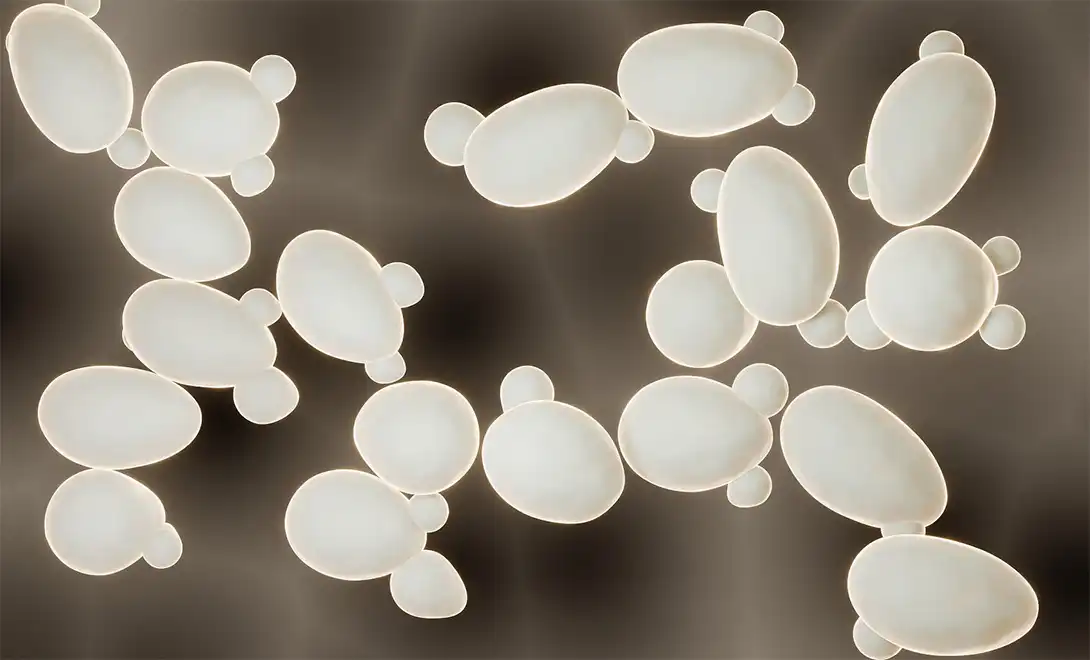
Yeast hydrolysate fertilizer is produced through controlled enzymatic hydrolysis of Saccharomyces cerevisiae, a process that breaks down cell walls and releases intracellular nutrients in highly accessible forms. Unlike conventional organic fertilizers, this method yields free amino acids, oligopeptides, nucleotides, and B-complex vitamins that can be readily absorbed by plants through both roots and leaves.
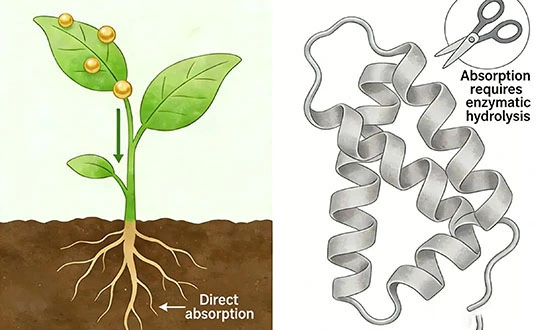
The presence of low-molecular-weight peptides, typically below 1000 Daltons, plays a central role in its effectiveness. These peptides bypass energy-intensive metabolic pathways required for amino acid synthesis, allowing plants to directly utilize them for growth and development. This efficient nutrient delivery system supports faster metabolic activity, particularly under stress conditions where plant energy resources are limited.
Nutritional Contributions to Crop Development
The composition of yeast hydrolysate fertilizer enables multiple physiological benefits for crops. Naturally occurring compounds such as proline and glycine betaine function as osmoprotectants, helping plants maintain cellular integrity during drought or salinity stress. This protective mechanism reduces yield losses in challenging growing environments.
Additionally, nucleotides present in the formulation promote cell division and tissue regeneration, which is particularly beneficial during early plant establishment and post-transplant recovery. These effects contribute to improved germination rates, enhanced root development, and more uniform crop growth across production systems.
Soil Microbiome Support and Long-term Fertility
Beyond direct plant nutrition, yeast hydrolysate fertilizer contributes to soil health by stimulating microbial activity. The presence of polysaccharides and oligosaccharides provides a food source for beneficial soil microorganisms, promoting biodiversity within the rhizosphere.
This increased microbial activity enhances nutrient cycling, improves disease suppression, and strengthens root–soil interactions. Over time, the addition of organic matter improves soil structure, water retention, and cation exchange capacity, creating more resilient and productive agricultural environments compared to systems relying solely on synthetic fertilizers.
Comparative Performance with Other Fertilizer Types
Advantages Over Synthetic Fertilizers
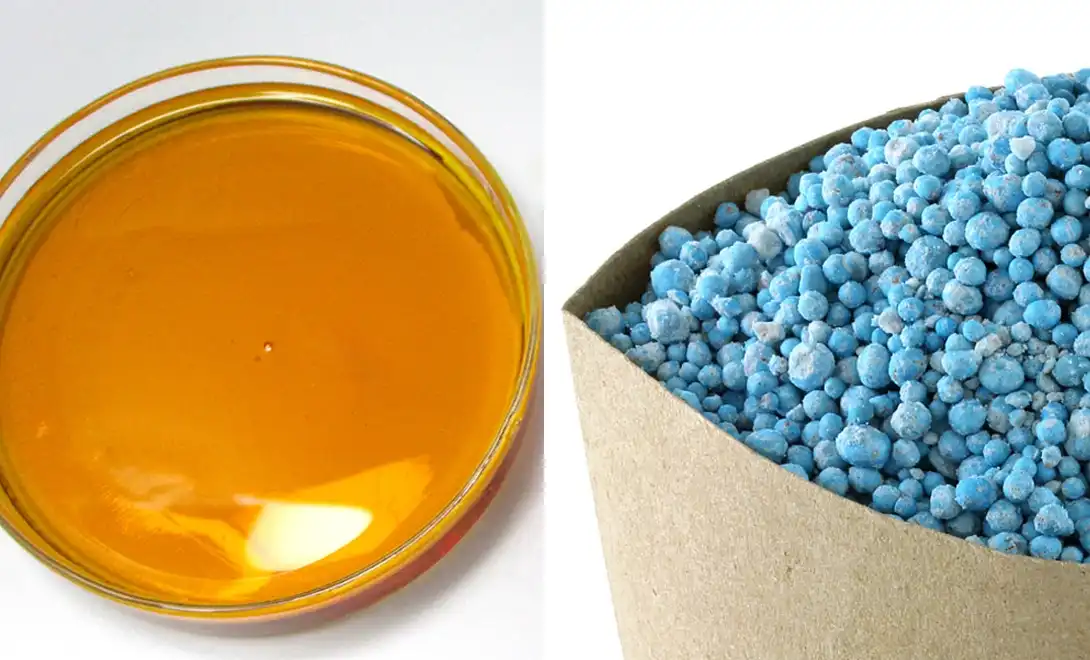
Compared to conventional NPK fertilizers, yeast hydrolysate fertilizer demonstrates higher nutrient use efficiency due to its organic and peptide-bound nitrogen forms. Synthetic fertilizers are prone to losses through leaching and volatilization, whereas nutrients in yeast hydrolysate are released more gradually in alignment with plant uptake patterns.
Furthermore, naturally chelated micronutrients in yeast hydrolysate remain available across a wider range of soil pH conditions. This stability reduces the need for repeated applications and minimizes environmental risks such as groundwater contamination, making it a more sustainable alternative in intensive farming systems.
Comparison with Traditional Organic Fertilizers
In contrast to compost and manure-based fertilizers, yeast hydrolysate offers greater consistency and safety due to its controlled production process. The elimination of pathogens and contaminants makes it suitable for high-value crops that require strict food safety standards.
Its fully water-soluble nature also allows seamless integration into modern irrigation systems, including drip and fertigation setups. This overcomes common limitations associated with traditional organic fertilizers, such as uneven nutrient distribution or clogging of irrigation equipment, thereby improving operational efficiency.
Economic Efficiency in Commercial Agriculture
From an economic perspective, yeast hydrolysate fertilizer provides competitive value through improved nutrient efficiency and reduced application requirements. Although initial costs may be higher than basic fertilizers, enhanced plant response often leads to lower overall input usage and improved yield quality.
Operational advantages, including compatibility with tank mixing and ease of storage, further contribute to cost savings. These factors make yeast hydrolysate a practical option for large-scale agricultural operations seeking both performance and efficiency.
Application Strategies and Best Practices
Fertigation and Controlled Environment Agriculture
The complete solubility and stable pH of yeast hydrolysate fertilizer make it particularly suitable for fertigation systems and controlled environment agriculture. In drip irrigation setups, it remains evenly distributed without causing blockages, ensuring consistent nutrient delivery to the root zone.
In hydroponic systems, yeast-derived peptides support root vitality and reduce stress associated with intensive production cycles. Timely application during active growth phases enhances nutrient uptake efficiency and promotes rapid plant response, often observable within a short period after treatment.
Foliar Application for Stress Mitigation
Foliar application of yeast hydrolysate fertilizer provides a direct pathway for rapid nutrient absorption, especially under environmental stress conditions. Small peptides penetrate leaf surfaces efficiently, supplying essential compounds to metabolic pathways that support stress recovery and physiological balance.
This method is particularly effective when applied prior to anticipated stress events, such as temperature fluctuations or transplanting. Proper concentration and timing ensure optimal absorption while maintaining plant safety, even under intensive application programs.
Integration into Sustainable Farming Systems
Yeast hydrolysate fertilizer is widely compatible with organic and sustainable farming practices. Its production from natural yeast sources aligns with organic certification standards, enabling growers to maintain compliance while improving crop performance.
When combined with other sustainable inputs such as biochar or compost-based systems, yeast hydrolysate enhances overall system efficiency by improving nutrient retention and microbial activity. This integrated approach supports long-term soil fertility and aligns with regenerative agriculture principles.
Procurement Considerations and Market Trends
Quality Evaluation and Supplier Selection
Effective sourcing of yeast hydrolysate fertilizer requires careful evaluation of product quality and manufacturing processes. High-quality products typically feature elevated total amino acid content and a significant proportion of free amino acids, ensuring optimal bioavailability.
Enzymatic hydrolysis methods are generally preferred over chemical processes, as they preserve nutrient integrity and biological activity. Verification through analytical reports and third-party testing provides assurance of product consistency and compliance with international standards.
Certification and Regulatory Compliance
Global agricultural markets increasingly require adherence to strict certification standards. Products that meet organic certification requirements, along with ISO and food safety standards, are better positioned for international trade.
Documentation related to heavy metal content, microbial safety, and production traceability supports regulatory approval and enhances buyer confidence. Sustainability credentials, including environmentally responsible production practices, are also becoming important factors in procurement decisions.
Supply Chain and Logistics Considerations
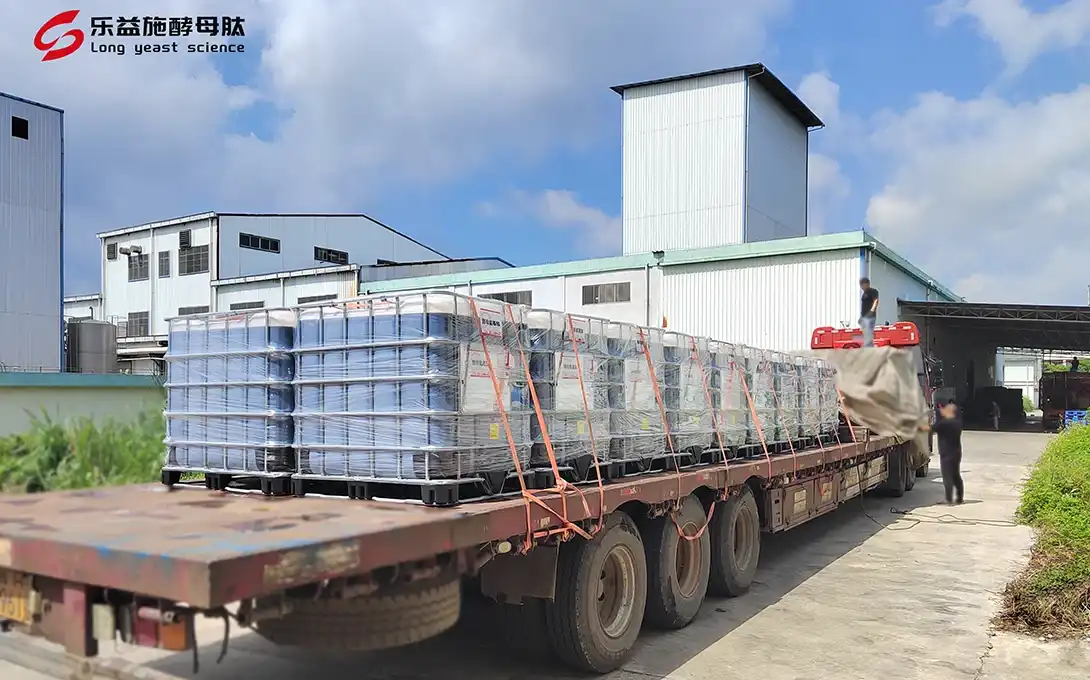
Bulk purchasing strategies should account for product stability, storage requirements, and seasonal demand patterns. High-quality yeast hydrolysate fertilizers typically maintain stability for extended periods when stored under appropriate conditions, allowing for efficient inventory management.
Reliable logistics and proper handling practices are essential to preserve product integrity during transportation. Partnerships with experienced suppliers who understand agricultural timelines help ensure timely delivery during critical application periods.
Conclusion
Yeast hydrolysate fertilizer represents a significant advancement in sustainable agricultural inputs, offering a scientifically validated alternative to synthetic fertilizers. Its ability to deliver highly bioavailable nutrients, enhance soil microbial activity, and support environmental sustainability makes it an essential component of modern farming systems.
As regulatory frameworks and market demands continue to favor eco-friendly production methods, the adoption of yeast-based fertilizers is expected to expand globally. Integrating yeast hydrolysate into comprehensive nutrient management strategies enables agricultural producers to achieve both immediate productivity gains and long-term sustainability objectives in an increasingly competitive landscape.
FAQ
Q1: What makes yeast hydrolysate different from regular yeast products?
Yeast Hydrolysate Fertilizer undergoes specific enzymatic breakdown processes that rupture cell walls and release intracellular nutrients in immediately bioavailable forms. Regular yeast products contain intact cells that require plant energy to break down, while hydrolysate delivers pre-processed amino acids and peptides for direct absorption.
Q2: Can yeast hydrolysate be mixed with conventional pesticides?
Some good yeast hydrolysate mixtures work really well with most pesticides and fungicides when mixed in a tank. The product often makes pesticides work better by acting as a natural additive. To keep nutrients from breaking down, don't mix them with highly alkaline goods or copper-based fungicides.
Q3: How does yeast hydrolysate perform in different soil types?
Because yeast hydrolysate can bind nutrients and balance pH, it works well in a wide range of soil conditions. Synthetic fertilizers can't be used in alkaline soils, but yeast-based products can still access nutrients naturally through chelation processes.
Q4: What storage requirements apply to yeast hydrolysate products?
Keep yeast hydrolysate away from direct sunlight and in a cool, dry place. Powder mixtures need to be kept away from wetness to keep them from clumping, and liquid solutions should not freeze. With the right storage, a product will stay useful for at least 24 months.
Q5: Is yeast hydrolysate suitable for organic certification programs?
Most high-quality yeast hydrolysate goods can be certified as organic by major standards, such as the USDA Organic and European organic rules. Check with suppliers about particular product certifications to make sure they meet the standards for the certification you want.
Partner with LYS for Premium Yeast Hydrolysate Solutions
For agricultural innovation to happen, it needs to work with sources that can be trusted and who know what the market wants. LYS offers cutting-edge Yeast Peptide Powder through its own FSDT enzymatic hydrolysis technology, which guarantees stable quality and performance that meets the high standards of modern farming. Our ability to produce 10,000 MT per year and our more than 70 years of technical experience give procurement workers the steadiness and new ideas they look for in a supplier partnership.
Get in touch with alice@aminoacidfertilizer.com to find out how LYS's premium Yeast Hydrolysate Fertilizer recipes can help your efforts to grow crops in a way that is good for the environment. Your investment in biological farm products will give you the best return possible because we care about quality, sustainability, and customer satisfaction.
References
1. Smith, J.A. R. Rodriguez and M.C. This article was published in the Journal of Sustainable Agriculture Technology as "Enzymatic Hydrolysis of Yeast Cells for Agricultural Applications: Biochemical Mechanisms and Crop Response." 15, no. 3, 2023, pp. 45–62.
2. Thompson, K.L., et al. "Comparative Analysis of Organic Biostimulants in Modern Crop Production Systems." International Review of Agricultural Sciences, vol. 28, no. 7, 2023, pp. 123–141.
3. Chen, W. Martinez, R.P. "Soil Microbiome Enhancement Through Yeast-Based Organic Amendments: A Multi-Season Field Study." Soil Biology and Biochemistry Research, vol. 42, no. 2, 2024, pp. 78–94.
4. Anderson, P.J., et al. "Economic Evaluation of Biological Fertilizers in Commercial Agriculture: Cost-Benefit Analysis Across Multiple Cropping Systems." Agricultural Economics Quarterly, vol. 31, no. 4, 2023, pp. 201-218.
5. Williams, D.K. and Brown, S.H. "Government Rules and Market Trends for Eco-Friendly Farming Supplies in North America." Policy Studies in Agriculture and Environment, vol. 19, no. 1, 2024, pp. 33–51.
6. It was written by L. Zhang et al. and was published in Precision Agriculture International as "Precision Agriculture Applications of Yeast Hydrolysate Fertilizers: Integration with Digital Farming Technologies." 12, no. 6, 2023, pp. 89–107.

Tell us your needs — we’ll provide the right solution for your crops and markets.
Innovating Agriculture with Yeast-Derived Amino Acid Peptides