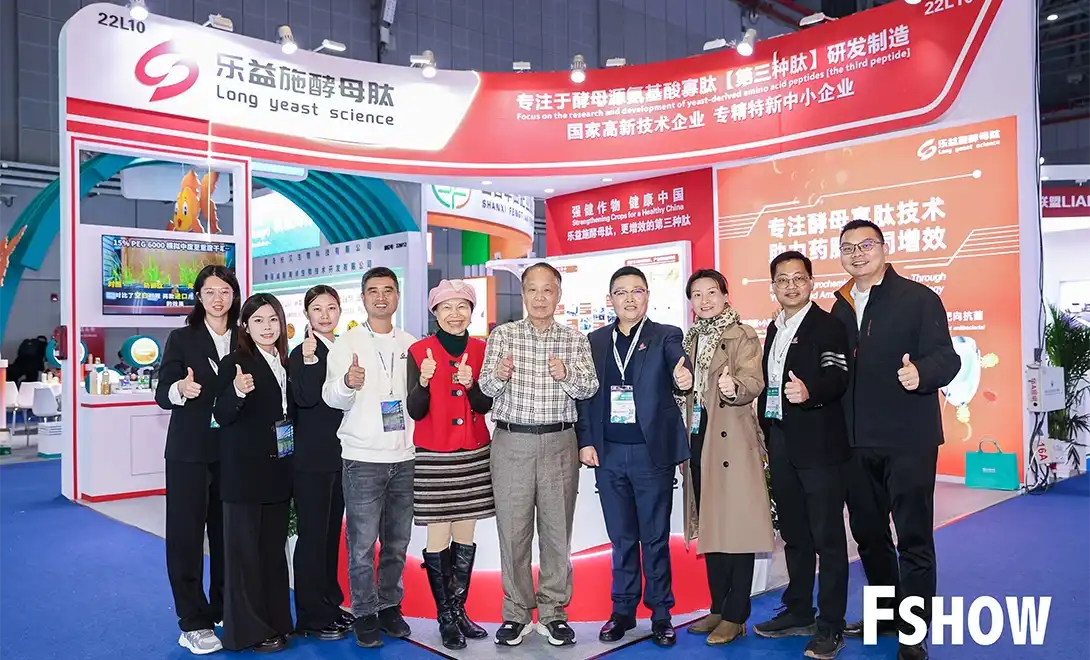
What is the difference between a biostimulant and a fertilizer
Understanding the difference between a biostimulant and a fertilizer is essential for professionals involved in agricultural input procurement. While both play important roles in modern crop production, they function in fundamentally different ways.
Fertilizers supply plants directly with essential nutrients such as nitrogen, phosphorus, and potassium. A biostimulant, by contrast, enhances plant biological processes, enabling crops to use nutrients more efficiently, tolerate stress more effectively, and achieve improved overall performance. Rather than feeding plants directly, biostimulants stimulate natural physiological mechanisms, which represents a key distinction in both mode of action and application strategy.
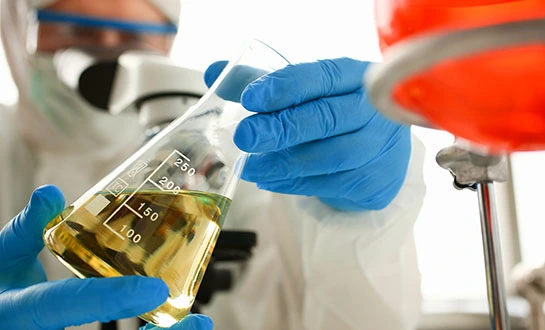
Defining Biostimulants and Fertilizers in Modern Agriculture
The agricultural input market includes a wide range of products, each serving a distinct function within crop production systems. Understanding these core definitions helps procurement professionals make informed purchasing decisions while remaining compliant with regulatory frameworks.
What Is a Biostimulant?
A biostimulant is a product that enhances plant performance by stimulating natural biological processes, independent of its nutrient content. These products may contain substances or microorganisms that improve nutrient uptake, increase stress tolerance, and enhance crop quality.
According to widely accepted industry definitions, biostimulants act on plant physiology rather than supplying nutrition directly. Common categories include amino acids, peptides, humic and fulvic substances, seaweed extracts, and beneficial microorganisms. These components support metabolic activity, root development, and plant resilience.
Recent developments in amino acid and peptide-based biostimulants have improved cellular uptake and formulation stability. Products containing small-molecule peptides—often with molecular weights below 1000 Da—demonstrate higher bioavailability and consistent performance across temperature variations.
What Is a Fertilizer?
Fertilizers provide crops with essential macro- and micronutrients required for growth and development. These nutrients include nitrogen (N), phosphorus (P), potassium (K), as well as calcium, magnesium, sulfur, and trace elements.
Fertilizers may be mineral-based or derived from organic sources and are formulated to address specific nutrient deficiencies. Water-soluble fertilizers, in particular, play a key role in modern fertigation systems, offering rapid nutrient availability and compatibility with precision irrigation technologies.
Unlike biostimulants, fertilizers are regulated primarily based on nutrient content, labeling accuracy, and quality standards established by agricultural authorities.
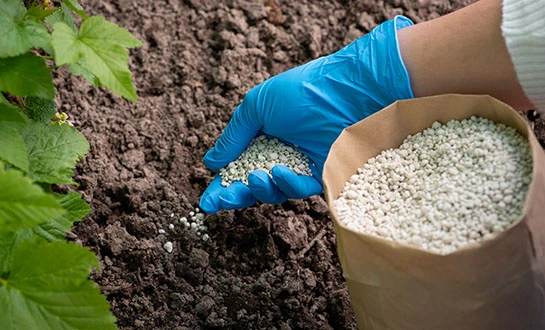
Regulatory and Compliance Considerations
Procurement professionals must navigate distinct regulatory pathways when sourcing biostimulants and fertilizers, especially in international trade.
Regulatory Frameworks for Biostimulants
Biostimulant regulations vary by region. In the European Union, biostimulants are clearly differentiated from fertilizers under dedicated regulatory frameworks. In the United States, regulatory clarity has improved in recent years, helping define product classification and market access requirements.
Understanding these frameworks is critical for product registration, import documentation, and compliance with local agricultural standards.
Fertilizer Regulations and Labeling Standards
Fertilizers are typically regulated based on guaranteed nutrient analysis, permissible ingredients, and labeling requirements. Compliance ensures product safety, consistency, and transparency across supply chains.
For procurement teams, regulatory awareness directly affects sourcing decisions, risk management, and long-term market strategy.
Comparing Biostimulants and Fertilizers in Crop Production
Evaluating agricultural inputs requires an understanding of how different products influence crop performance, production costs, and sustainability outcomes.
Mechanisms of Action and Plant Response
A biostimulant works by activating complex physiological processes within the plant. These include enhanced root development, improved photosynthetic efficiency, and stimulation of stress-response pathways. Amino acid peptides, in particular, have been shown to improve tolerance to drought, salinity, and temperature fluctuations while supporting nutrient absorption.
Fertilizers act by supplying nutrients directly to the plant, correcting deficiencies and supporting growth during key developmental stages. Their effectiveness depends on factors such as soil condition, application timing, and environmental conditions.
Performance Outcomes and ROI Considerations
Biostimulants typically deliver value through improved nutrient use efficiency, enhanced stress tolerance, and better crop quality. These benefits can lead to indirect cost savings, such as reduced fertilizer requirements and improved marketability of produce.
Fertilizers provide predictable yield responses, especially in nutrient-deficient soils. Return on investment is commonly evaluated based on yield increases relative to nutrient input costs. When used strategically together, biostimulants and fertilizers often produce complementary effects that enhance overall system efficiency.
Environmental Impact and Sustainability
Environmental considerations are increasingly important in procurement decisions. Biostimulants contribute to sustainable agriculture by improving nutrient efficiency, reducing input losses, and supporting soil biological activity.
Fertilizer use requires careful management to minimize nutrient runoff, greenhouse gas emissions, and environmental contamination. Advances in formulation technology and precision application help mitigate these risks while maintaining productivity.
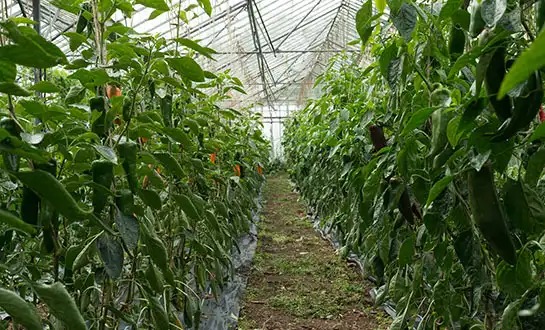
Strategic Selection for B2B Agricultural Procurement
Choosing between a biostimulant and a fertilizer—or determining the optimal combination of both—requires a strategic approach aligned with crop needs, production systems, and market conditions.
Crop-Specific Application Strategies
High-value horticultural crops such as citrus, berries, and specialty vegetables often benefit significantly from biostimulant programs that enhance fruit quality, shelf life, and stress resilience.
Field crops like corn, soybeans, and wheat rely heavily on fertilizers to meet high nutrient demands. However, integrating biostimulants into standard fertilizer programs can improve nutrient efficiency and crop stability under challenging conditions.
Supplier Evaluation and Quality Assurance
Reliable suppliers play a critical role in input performance. For biostimulants, procurement teams should assess manufacturing consistency, quality control systems, and technical support capabilities. Advanced enzymatic processing technologies contribute to product stability and biological effectiveness.
For fertilizers, nutrient accuracy, physical properties, and compatibility with existing equipment are key evaluation criteria. Long-term partnerships with dependable suppliers reduce procurement risk and ensure timely availability during critical application windows.
Integration for Maximum Efficiency
Integrated input programs are increasingly common in modern agriculture. Tank-mix-compatible biostimulant formulations can be applied alongside fertilizers and crop protection products without compromising stability or efficacy.
Successful integration depends on compatibility testing, precise application timing, and optimized dosage strategies. Collaboration between technical advisors and procurement teams is essential to develop cost-effective, high-performance input programs.
Conclusion
The distinction between a biostimulant and a fertilizer is fundamental for agricultural procurement professionals seeking to optimize crop performance and economic returns. Biostimulants enhance biological processes that improve stress tolerance, nutrient efficiency, and crop quality, while fertilizers provide the essential nutrients required for plant growth.
Understanding these differences enables informed purchasing decisions that align with production goals, sustainability objectives, and regulatory requirements. In modern agriculture, integrated strategies that combine both product categories are increasingly effective for maximizing productivity while managing costs and environmental impact.
FAQ
Q1: Can a biostimulant replace a fertilizer in crop production?
No. A biostimulant does not supply essential nutrients directly and therefore cannot replace fertilizers. However, it can improve fertilizer use efficiency, potentially reducing overall nutrient requirements.
Q2: How can procurement teams evaluate biostimulant quality?
Evaluation should include analytical certificates, field trial data, manufacturing standards, and supplier quality management systems. Compatibility and stability data are also important.
Q3: Are regulatory requirements the same for biostimulants and fertilizers?
No. Regulatory pathways differ by product category and region. Fertilizers are regulated based on nutrient content, while biostimulants follow separate frameworks depending on the market.
Partner with LYS for Premium Biostimulant Manufacturing Solutions
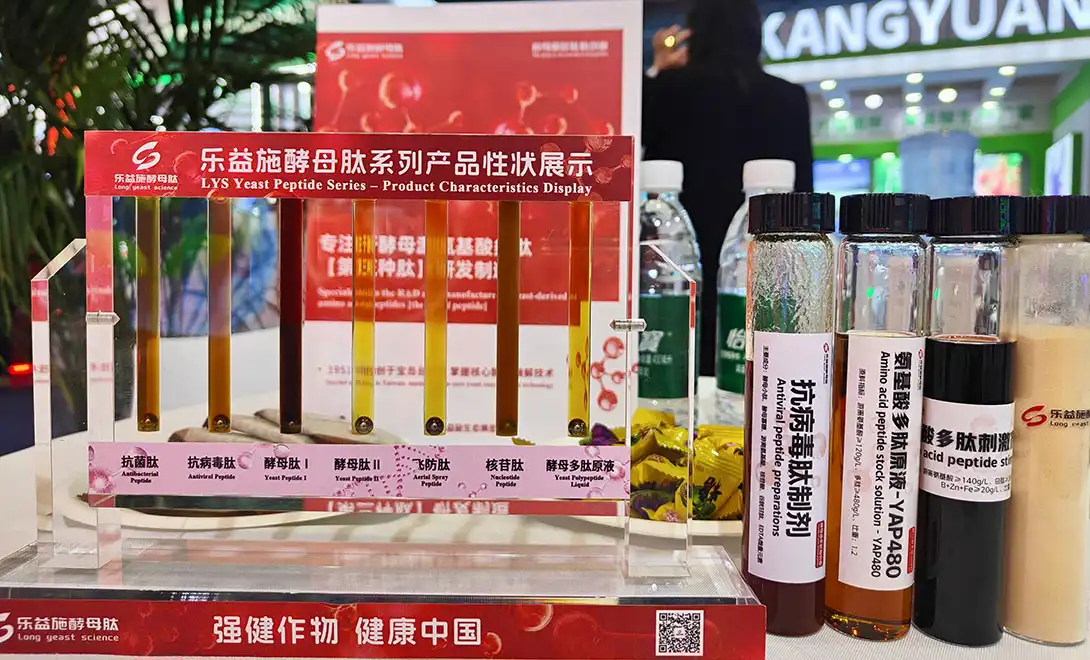
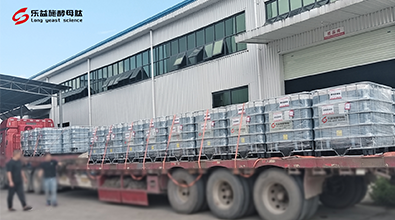
LYS stands as your trusted biostimulant supplier, offering cutting-edge amino acid peptide stimulants manufactured through proprietary FSDT technology with over 70 years of industry expertise. Our premium yeast-derived formulations provide exceptional stability, safety, and synergistic performance across diverse agricultural applications. With 10,000 MT annual production capacity and comprehensive technical support, we deliver reliable solutions that enhance crop performance while meeting stringent quality standards. Connect with our procurement specialists at alice@aminoacidfertilizer.com to explore customized biostimulant solutions that optimize your agricultural input portfolio and drive sustainable production growth.
References
1. Brown, P. and Saa, S. "Biostimulants in Agriculture: A Critical Review of Their Classification and Functions." Journal of Agricultural Science, vol. 45, no. 3, 2023, pp. 234-267.
2. Martinez, C. et al. "Regulatory Frameworks for Agricultural Biostimulants: Global Perspectives and Market Implications." Agricultural Policy Review, vol. 28, no. 2, 2023, pp. 445-478.
3. Thompson, R. and Chen, L. "Amino Acid-Based Plant Biostimulants: Mechanisms of Action and Crop Performance Enhancement." Plant Nutrition Today, vol. 67, no. 4, 2023, pp. 189-215.
4. Johnson, K. "Economic Analysis of Biostimulant Integration in Commercial Crop Production Systems." Agricultural Economics Quarterly, vol. 52, no. 1, 2024, pp. 78-102.
5. Williams, A. et al. "Comparative Efficacy of Biostimulants versus Traditional Fertilizers in Sustainable Agriculture." Sustainable Farming Journal, vol. 31, no. 6, 2023, pp. 334-359.
6. Garcia, M. and Rodriguez, P. "Environmental Impact Assessment of Agricultural Input Categories: Biostimulants and Conventional Fertilizers." Environmental Agriculture Review, vol. 19, no. 5, 2023, pp. 567-594.

Tell us your needs — we’ll provide the right solution for your crops and markets.
Innovating Agriculture with Yeast-Derived Amino Acid Peptides