What Makes a Biostimulant Truly Effective in Agriculture
A high-performing biostimulant goes beyond incremental improvements—it fundamentally enhances agricultural productivity by strengthening plant stress tolerance, improving nutrient use efficiency, and increasing crop resilience. Rather than simply supplying nutrients, a truly effective biostimulant activates a plant’s own metabolic pathways, enabling it to reach its genetic potential while responding more efficiently to environmental constraints.
Unlike conventional fertilizers, which focus primarily on nutrient delivery, biostimulants operate at a physiological and biochemical level. The most effective solutions combine precise molecular design with validated field performance, delivering consistent improvements in yield, quality, and stress protection across diverse growing conditions.
Understanding Biostimulants: Definitions, Types, and Modes of Action
Biostimulants are substances or microorganisms applied to plants, seeds, or soil to stimulate natural processes that enhance nutrient uptake, stress tolerance, and crop quality. By definition, biostimulants differ from fertilizers, which supply nutrients, and from crop protection products, which target pests and diseases.
For agricultural procurement professionals and growers evaluating input products across multiple production systems, understanding this functional distinction is essential for selecting appropriate solutions.
Primary Categories of Agricultural Biostimulants
Modern biostimulants encompass several formulation categories, each addressing specific agronomic challenges:
- Microbial inoculants, containing beneficial bacteria or fungi, improve nutrient availability through biological interactions in the rhizosphere.
- Humic and fulvic substances enhance soil structure, nutrient mobility, and root absorption efficiency.
- Seaweed extracts contain complex bioactive compounds that activate plant stress response pathways.
Among these categories, amino acid- and peptide-based biostimulants are gaining increasing attention due to their high bioavailability and multifunctional physiological effects.
Amino Acids and Peptides: Molecular Precision Matters
Biostimulants produced through advanced enzymatic processes deliver small-molecule peptides that plants can readily absorb and utilize. These peptides provide both direct building blocks for protein synthesis and indirect metabolic signaling effects. Research consistently shows that molecular weight distribution is a key factor influencing performance, with peptides below 1000 Da demonstrating superior uptake and mobility within plant tissues.
Biological Mechanisms Behind Effective Biostimulants
An effective biostimulant simultaneously activates multiple physiological processes that support plant growth and resilience.
Enhanced Root Development and Nutrient Uptake
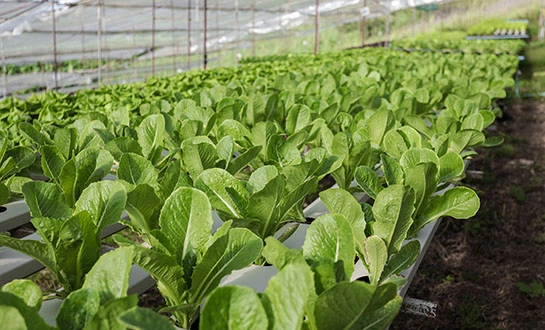
Biostimulants promote root elongation and branching, increasing the absorptive surface area available for water and nutrient acquisition. Improved root architecture is particularly critical under conditions of limited water availability or suboptimal soil fertility.
Stress Mitigation and Antioxidant Activation
Plants exposed to drought, salinity, temperature extremes, or disease pressure generate reactive oxygen species that damage cellular structures. High-quality biostimulants activate antioxidant defense systems, helping maintain membrane stability and cellular integrity during stress events.
Photosynthetic Efficiency and Metabolic Stability
By supporting chlorophyll synthesis and stabilizing photosynthetic machinery, biostimulants help maintain energy production even under adverse conditions. This contributes directly to sustained biomass accumulation and yield formation.
Systemic Acquired Resistance and Stress Priming
Some advanced biostimulants trigger systemic acquired resistance (SAR), a natural plant defense mechanism that primes crops to respond more effectively to future stress. This priming effect often persists well beyond the application period, providing season-long benefits.
Evaluating Biostimulant Effectiveness: Performance Indicators and Best Practices
Assessing biostimulant performance requires a multidimensional approach that goes beyond yield alone.
Quantitative Performance Metrics
Field trials remain the foundation of performance evaluation. Under standard growing conditions, effective biostimulants commonly deliver 8–15% yield increases compared with untreated controls. Additional indicators include:
- Improved fruit size, uniformity, and nutritional content
- Enhanced shelf life and post-harvest quality
- Greater tolerance to drought, salinity, and heat stress
Amino acid peptide-based formulations often demonstrate superior consistency due to their physical stability. Resistance to crystallization at low temperatures and stratification at high temperatures ensures reliable performance across varying climates and application conditions.
Application Methods and Integration into Farming Systems
Effective biostimulants offer flexibility in application:
- Foliar applications provide rapid physiological responses and stress mitigation
- Soil applications support sustained root activity and nutrient availability
- Seed treatments improve germination and early vigor under challenging conditions
Compatibility with fertilizers and crop protection products in tank mixes is a critical advantage, reducing application costs while maintaining integrated nutrition and defense strategies.
Selecting the Right Biostimulant for Specific Crops and Systems
Choosing an appropriate biostimulant requires aligning product characteristics with crop type, growth stage, and environmental conditions.
Crop-Specific Responses and Benefits
- Vegetable crops such as tomatoes, peppers, and leafy greens respond strongly to amino acid-based biostimulants that support rapid cell division and protein synthesis.
- Cereal crops benefit from formulations that enhance nutrient efficiency and stress tolerance during critical developmental stages.
- Tree crops require long-term metabolic support, favoring biostimulants with sustained physiological activity.
In fruit production, targeted biostimulant programs consistently improve sugar accumulation, color development, and post-harvest storage quality. Fiber crops such as cotton and tobacco benefit from improved stress tolerance and quality consistency.
Supplier Evaluation and Quality Assurance
Beyond product formulation, supplier capabilities play a significant role in long-term performance reliability. Key considerations include:
- Robust quality control systems ensuring batch-to-batch consistency
- Transparent technical documentation supported by field data and peer-reviewed research
- Scalable manufacturing capacity, with production volumes exceeding 10,000 metric tons annually indicating strong industrial infrastructure
Industry Applications and Emerging Trends in Biostimulants
Documented Field Performance
Large-scale commercial applications continue to validate the role of biostimulants in modern agriculture. For example, vegetable producers in California reported double-digit yield improvements alongside reduced water use when integrating amino acid peptide biostimulants into standard programs. Similarly, citrus growers observed enhanced fruit quality and reduced post-harvest losses linked to improved antioxidant activity.
Innovation in Enzymatic Processing Technologies
Recent advances in enzymatic hydrolysis have enabled precise control over peptide molecular weight profiles. Technologies such as Full-Spectrum Directed Enzymatic Hydrolysis (FSDT) allow manufacturers to optimize biological activity and plant absorption while maintaining product stability across temperature ranges.
The industry trend is moving toward multifunctional biostimulants that combine physiological efficacy with improved formulation stability and application convenience.

Conclusion
Biostimulants have become essential tools in modern agriculture, supporting crop productivity, stress resilience, and resource efficiency. Their effectiveness depends on scientifically validated biological activity, consistent field performance, and reliable manufacturing standards.
Among available solutions, amino acid peptide-based biostimulants represent a next-generation approach, combining molecular precision with broad agronomic applicability. As climate variability and resource constraints continue to challenge agricultural systems, investing in proven, science-based biostimulant technologies will be increasingly important for maintaining competitiveness and sustainability.
FAQ
Q1: How do biostimulants differ from traditional fertilizers?
Biostimulants enhance plant physiological processes and stress tolerance rather than simply providing nutrients. While fertilizers supply essential elements like nitrogen, phosphorus, and potassium, biostimulants activate natural plant mechanisms that improve nutrient uptake efficiency, stress resistance, and overall crop performance through biological pathway optimization.
Q2: What timeline should be expected for visible biostimulant results?
Most biostimulants produce measurable effects within 7-14 days of application, with stress tolerance improvements often visible within 48-72 hours. However, maximum benefits typically develop over 4-6 weeks as plants integrate biostimulant compounds into metabolic processes. Sustained applications throughout the growing season provide cumulative improvements in yield and quality.
Q3: Are biostimulants safe for organic production systems?
Many biostimulants qualify for organic certification, particularly those derived from natural sources through biological processes. Amino acid peptides produced through enzymatic hydrolysis of yeast proteins typically meet organic standards. Always verify specific product certifications and consult certification bodies regarding approved input lists for organic operations.
Q4: Can biostimulants be tank-mixed with other agricultural chemicals?
High-quality biostimulants demonstrate excellent compatibility with fertilizers, pesticides, and other agricultural inputs. Advanced formulations maintain stability across temperature ranges while preventing chemical reactions that could reduce efficacy. Always conduct small-scale compatibility tests before large-scale mixing and follow manufacturer recommendations for optimal results.
Transform Your Agricultural Operations with LYS Biostimulant Solutions
LYS delivers industry-leading amino acid peptide biostimulants engineered for maximum crop performance and operational efficiency. Our FSDT technology produces thermally stable, chloride-free formulations that integrate seamlessly with existing agricultural programs while providing measurable improvements in yield, quality, and stress tolerance. Connect with our technical team at alice@aminoacidfertilizer.com to explore customized biostimulant supplier solutions tailored to your specific crop requirements and operational goals.
References
1. European Biostimulants Industry Council. "Biostimulants and their Role in Crop Physiology: Scientific Mechanisms and Agricultural Applications." Journal of Agricultural Science and Technology, 2023.
2. Rodriguez-Garcia, M., et al. "Amino Acid-Based Biostimulants: Molecular Mechanisms and Field Performance Evaluation in Diverse Crop Systems." Frontiers in Plant Science, 2023.
3. Thompson, K.L., and Chen, W. "Economic Impact Assessment of Biostimulant Applications in Commercial Agriculture: A Multi-Regional Analysis." Agricultural Economics Review, 2023.
4. International Federation of Organic Agriculture Movements. "Regulatory Framework for Biostimulants in Sustainable Agriculture: Global Standards and Certification Protocols." Organic Agriculture Standards, 2023.
5. Liu, X., et al. "Enzymatic Hydrolysis Technologies for Biostimulant Production: Process Optimization and Product Characterization." Food and Bioprocess Technology, 2023.
6. Agricultural Productivity Enhancement Initiative. "Stress Tolerance Mechanisms in Crop Plants: Role of Biostimulants in Climate-Resilient Agriculture." Climate-Smart Agriculture Journal, 2023.

Tell us your needs — we’ll provide the right solution for your crops and markets.
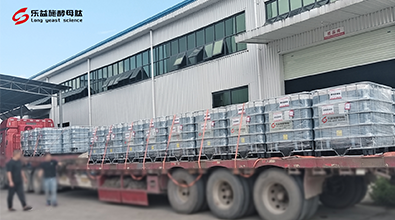
Innovating Agriculture with Yeast-Derived Amino Acid Peptides