What Is a Biostimulant? Definition, Mechanisms & Market Trends
Biostimulants represent an advanced category of agricultural inputs designed to enhance plant growth, stress resilience, and crop productivity without directly supplying nutrients. Unlike conventional fertilizers, which provide essential elements such as nitrogen, phosphorus, and potassium, a biostimulant works by stimulating natural plant physiological processes. These products improve nutrient use efficiency, increase tolerance to abiotic stress, and support overall crop performance.
As global agriculture faces mounting pressure from climate change, soil degradation, and sustainability regulations, biostimulants are increasingly recognized as strategic tools within modern farming systems. Understanding biostimulant technology has become essential for agricultural professionals seeking to balance productivity, environmental responsibility, and long-term soil health.
Understanding Biostimulants: Definitions and Core Principles
Regulatory Definitions and Industry Frameworks
From a regulatory perspective, biostimulants are clearly distinguished from fertilizers and crop protection products. According to the European Union, a plant biostimulant is defined as a product that stimulates plant nutrition processes independently of its nutrient content, with the sole aim of improving nutrient uptake efficiency, tolerance to abiotic stress, crop quality traits, or the availability of confined nutrients in soil or the rhizosphere.
This definition highlights a fundamental characteristic of any biostimulant: its function is biological and physiological rather than nutritional or pesticidal. Unlike biofertilizers, which primarily provide nutrients through microbial mineralization, biostimulants focus on enhancing the plant’s internal processes and soil–plant interactions.
How Biostimulants Differ from Fertilizers and Agrochemicals
A biostimulant does not replace fertilizers or pesticides. Instead, it complements existing crop management programs by improving how plants use available resources. Fertilizers supply nutrients, pesticides manage pests and diseases, while biostimulants optimize plant efficiency and resilience. This distinction is critical for proper product selection, regulatory compliance, and agronomic planning.
Primary Categories of Biostimulants
Microbial Biostimulants
Microbial biostimulants include beneficial bacteria and fungi that enhance root development, nutrient solubilization, and nutrient cycling. These microorganisms form symbiotic relationships with plant roots, improving phosphorus availability, nitrogen assimilation, and overall rhizosphere activity.
Humic and Fulvic Substances
Derived from the decomposition of organic matter, humic and fulvic acids improve soil structure, water retention, and cation exchange capacity. As biostimulants, they support nutrient availability and root growth, particularly in degraded or low-organic-matter soils.
Seaweed Extracts
Seaweed-based biostimulants contain naturally occurring compounds such as polysaccharides, phytohormone-like substances, and osmoprotectants. These compounds help plants cope with environmental stress, regulate growth, and improve crop uniformity.
Protein Hydrolysates and Amino Acid–Based Biostimulants
Protein hydrolysates, including amino acid and peptide formulations, provide readily available organic compounds that support plant metabolism. These biostimulants are particularly effective during critical growth stages, transplant stress, and periods of abiotic stress such as drought, salinity, or temperature extremes.
Mechanisms of Action in Plant and Soil Systems
Enhancing Nutrient Use Efficiency
A core function of any biostimulant is improving nutrient uptake and utilization. By stimulating root architecture, membrane transporters, and enzymatic activity, biostimulants allow plants to absorb nutrients more efficiently from soil and fertilizers.
Improving Abiotic Stress Tolerance
Biostimulants activate physiological pathways that enhance tolerance to drought, salinity, heat, and nutrient imbalance. These mechanisms include osmotic regulation, antioxidant enzyme activation, and improved water-use efficiency.
Supporting Soil Microbial Activity
Many biostimulants indirectly benefit crops by promoting a healthy soil microbiome. Increased microbial diversity and activity improve nutrient cycling, soil structure, and long-term soil fertility, forming a biologically resilient production system.
Agronomic and Environmental Benefits of Biostimulant Use
Measurable Crop Performance Improvements
Numerous field studies indicate that properly applied biostimulants can increase crop yields by approximately 5–15%, depending on crop type, environmental conditions, and management practices. Improvements in crop quality—such as sugar content, protein levels, color, and shelf life—are also frequently reported.
Key Practical Benefits for Growers
- Enhanced Stress Resilience: Crops maintain productivity under adverse environmental conditions.
- Improved Nutrient Efficiency: Reduced fertilizer input without compromising crop nutrition.
- Accelerated Root Development: Stronger root systems improve water and nutrient uptake.
- Improved Crop Quality: Better post-harvest performance and market value.
Together, these benefits contribute to improved farm profitability while supporting sustainable and regenerative agricultural practices.
Soil Health and Ecosystem Sustainability
By reducing reliance on synthetic inputs and supporting biological soil processes, biostimulants contribute to improved soil health, carbon sequestration, and environmental protection. This aligns well with global sustainability goals and evolving regulatory frameworks.

Biostimulant Market Trends and Industry Innovation
Global Market Growth and Adoption
The global biostimulant market has shown consistent growth, reaching an estimated value of approximately USD 3.2 billion in 2023, with projected compound annual growth rates exceeding 10% through 2030. Europe and North America currently lead adoption, while the Asia-Pacific region is experiencing rapid expansion driven by sustainable agriculture policies and intensifying crop production systems.
Technological Innovation and Product Development
Industry innovation focuses on:
- Organic-certified biostimulants
- Environmentally friendly formulations and biodegradable carriers
- Advanced microbial consortia
- Integration with precision agriculture and data-driven application strategies
Emerging Applications and Integrated Solutions
A growing trend involves combining biostimulants with fertilizers and crop protection products. Amino acid peptide-based biostimulants, for example, demonstrate strong formulation stability, compatibility with high-concentration tank mixes, and adaptability across diverse application methods, including fertigation, foliar sprays, seedling treatments, and aerial application.
Selecting and Sourcing Biostimulants for Agricultural Operations
Key Selection Criteria
Successful biostimulant selection requires evaluation of:
- Crop-specific efficacy
- Cost-performance ratio
- Compatibility with existing agronomic programs
- Product stability and storage requirements
Field data, certifications, and technical documentation are essential for informed decision-making.
Supplier Evaluation and Procurement Considerations
Professional procurement teams assess suppliers based on product consistency, quality control systems, regulatory compliance, supply reliability, and availability of technical support. Comprehensive technical data sheets and ongoing agronomic guidance are critical for effective product deployment.
Logistics and Regulatory Compliance
International trade in biostimulants requires careful attention to registration status, customs documentation, shelf life, and local regulatory approval. Working with experienced suppliers ensures smoother logistics and compliance across different markets.
Conclusion
Biostimulants are reshaping modern agriculture by providing sustainable solutions to enhance crop performance, stress tolerance, and soil health. As regulatory frameworks and market demand increasingly favor biological inputs, a clear understanding of biostimulant mechanisms and applications is essential for agricultural professionals. When carefully selected and properly integrated into existing farm management systems, biostimulants deliver measurable agronomic benefits while supporting long-term environmental sustainability.
FAQ
Q1: Are biostimulants safe for all crops?
High-quality biostimulants undergo extensive safety testing and generally demonstrate strong compatibility across a wide range of crops. Crop-specific recommendations should always be verified through product documentation and field trials.
Q2: How often should biostimulants be applied?
Application frequency depends on the biostimulant type, crop, and growth stage. Most programs involve 2–4 applications per season during critical developmental phases.
Q3: Can biostimulants replace fertilizers?
No. A biostimulant improves nutrient efficiency but does not supply essential nutrients. Optimal results are achieved through integrated nutrient management combining fertilizers and biostimulants.
Partner with LYS for Advanced Biostimulant Solutions
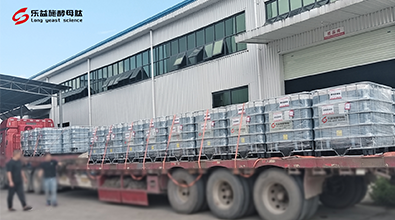
LYS delivers cutting-edge amino acid peptide stimulants engineered for superior agricultural performance through our proprietary FSDT enzymatic hydrolysis technology. Our chloride-free formulations provide exceptional stability and compatibility with existing agricultural systems while enhancing crop stress resistance and yield quality. As a trusted biostimulant supplier with over seven decades of expertise, we offer comprehensive technical support and reliable supply chain solutions for agricultural professionals worldwide. Contact alice@aminoacidfertilizer.com to explore our product portfolio and request technical datasheets tailored to your specific crop requirements.
References
1. Yakhin, O.I., Lubyanov, A.A., Yakhin, I.A., & Brown, P.H. (2017). Biostimulants in plant science: A global perspective. Frontiers in Plant Science, 8, 2049-2065.
2. Du Jardin, P. (2015). Plant biostimulants: Definition, concept, main categories and regulation. Scientia Horticulturae, 196, 3-14.
3. Calvo, P., Nelson, L., & Kloepper, J.W. (2014). Agricultural uses of plant biostimulants. Plant and Soil, 383, 3-41.
4. Rouphael, Y., & Colla, G. (2020). Toward a sustainable agriculture through plant biostimulants: From experimental data to practical applications. Agronomy, 10, 1461-1485.
5. Bulgari, R., Cocetta, G., Trivellini, A., Vernieri, P., & Ferrante, A. (2015). Biostimulants and crop responses: A review. Biological Agriculture & Horticulture, 31, 1-17.
6. Ricci, M., Tilbury, L., Daridon, B., & Sukalac, K. (2019). General principles to justify plant biostimulant claims. Frontiers in Plant Science, 10, 494-508.

Tell us your needs — we’ll provide the right solution for your crops and markets.
Innovating Agriculture with Yeast-Derived Amino Acid Peptides