What are the field results of antiviral peptide use in large-scale farms?
Large-scale farms adopting antiviral peptides have reported substantial improvements in crop health, growth consistency, and yield stability. Field results across different agricultural systems consistently show reduced viral infection rates, enhanced plant immune responses, and improved productivity. These bioactive compounds function by activating plants’ natural defense mechanisms, offering an effective biological alternative to conventional chemical treatments while maintaining environmental and crop safety.
This article reviews real-world field performance data, biological mechanisms, and implementation strategies for antiviral peptide use in commercial farming operations.
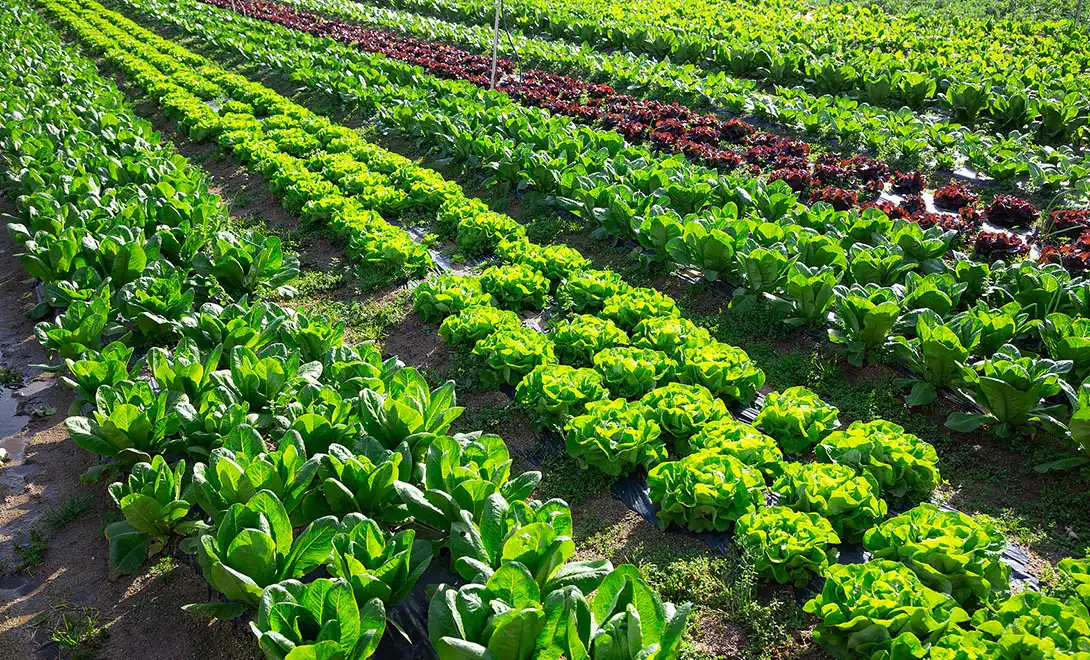
Antiviral Peptides in Modern Agricultural Applications
Role of Antiviral Peptides in Crop Protection
Advances in agricultural biotechnology have positioned antiviral peptides as valuable tools for managing crop-damaging viral diseases. These short protein sequences, derived from natural or bioengineered sources, exhibit targeted antiviral activity without the environmental drawbacks associated with many chemical inputs.
Plant viruses remain difficult to control due to rapid mutation and limited curative options. Antiviral peptides address this challenge by targeting viral activity directly while supporting plant physiological defenses, making them suitable for modern, sustainability-focused agriculture.
Alignment With Sustainable Farming Practices
Peptide-based treatments are increasingly used to maintain crop health while reducing reliance on conventional chemical controls. Developed through years of biological research into natural antimicrobial systems, these compounds align with integrated pest management (IPM) strategies and regulatory trends favoring environmentally responsible inputs.
Biological Mechanisms and Field Effectiveness
Inhibition of Viral Replication
The primary mode of action of antiviral peptides involves suppressing viral replication within plant cells. After application, peptides penetrate plant tissues and activate defense pathways that create unfavorable conditions for viral multiplication. Their multi-target mode of action reduces the likelihood of resistance development.
Field studies indicate that peptide-treated crops show increased expression of defense-related genes, including pathogenesis-related proteins associated with long-term viral resistance.
Strengthening of Cellular Barriers
In addition to antiviral activity, antiviral peptides contribute to reinforcing plant cell walls. Strengthened cellular structures limit viral entry and reduce susceptibility to secondary infections, enhancing overall crop resilience under stress conditions.
Systemic Immune Activation
Antiviral peptide applications can induce systemic acquired resistance (SAR), extending protection beyond treated tissues. This whole-plant immunity provides broader defense coverage compared to localized treatments, contributing to more consistent field performance.
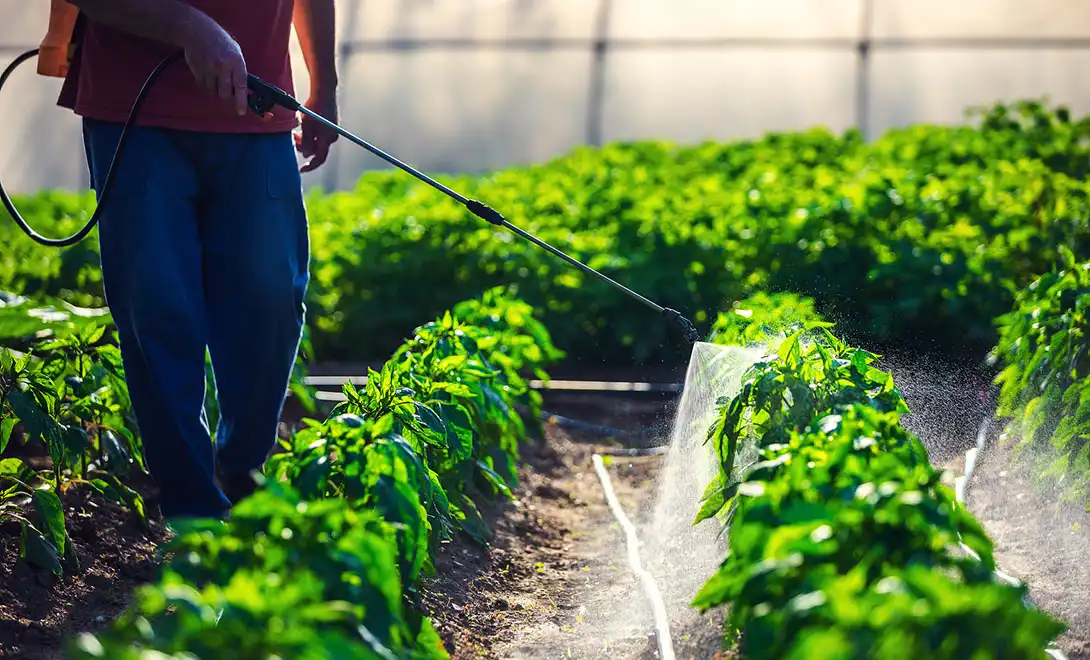
Stability and Environmental Performance in Field Conditions
Resistance to Environmental Stress
Advanced antiviral peptide formulations are designed to remain stable under variable environmental conditions. Temperature fluctuations, UV exposure, and moisture levels have minimal impact on bioactivity, allowing consistent protection throughout the growing season.
This stability distinguishes antiviral peptides from many biological products that degrade rapidly under field conditions.
Compatibility With Existing Agricultural Practices
Modern peptide formulations are compatible with standard fertilizer and pesticide application systems. Tank-mixing trials demonstrate no loss of efficacy or phytotoxicity, enabling seamless integration into existing crop protection programs without additional equipment or workflow changes.
Field Results From Large-Scale Farming Operations
Performance Across Crop Types
Commercial farms worldwide have reported positive outcomes from antiviral peptide use across diverse crops and environments. In large tobacco-growing operations, multi-season field trials showed 60–80% reductions in Tobacco Mosaic Virus (TMV) incidence compared with conventional programs, alongside improvements in yield and product quality.
Vegetable producers, particularly tomato and pepper growers, have observed lower infection rates of mosaic and yellowing viruses, healthier plant development, and improved harvest quality.
Case Study: Commercial Fruit Production
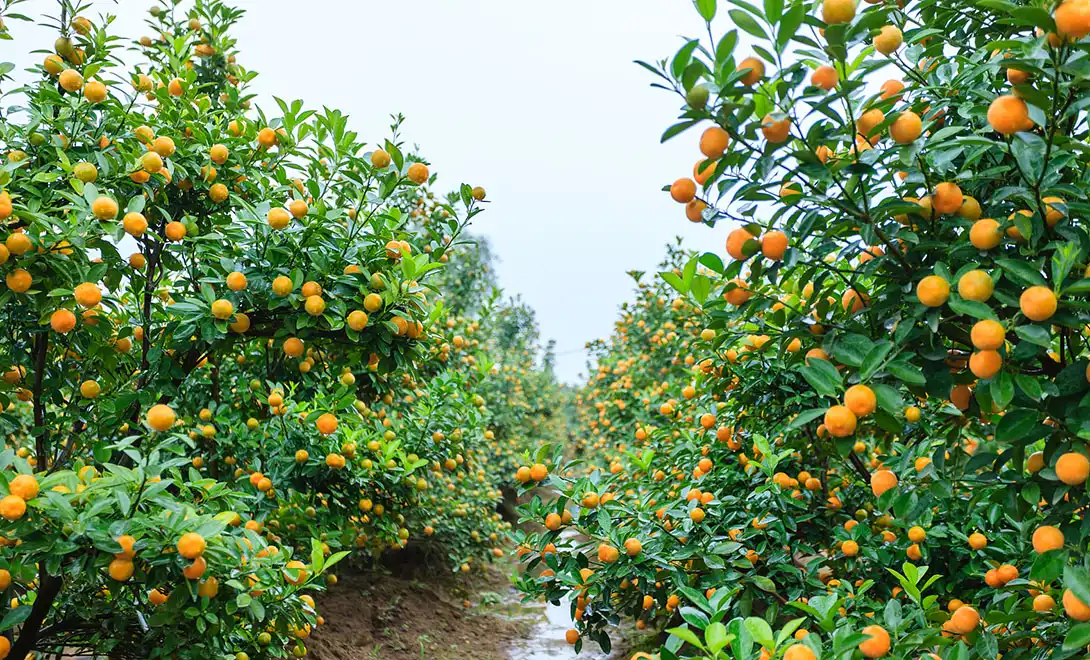
In a large-scale citrus operation covering more than 500 hectares, integrated antiviral peptide programs reduced viral incidence by approximately 75% compared with previous seasons. Treated orchards also demonstrated improved stress tolerance during drought conditions and enhanced fruit uniformity.
Row Crops and Controlled Environments
Row crop producers, including corn and soybean farms, have incorporated antiviral peptides into standard protection programs, reporting improved plant vigor and more stable yields under disease-favorable weather conditions. In greenhouse and controlled-environment systems, precise application timing and dosage have led to near-complete suppression of specific viral pathogens.
Procurement and Implementation Considerations
Supplier Selection and Quality Assurance
Successful implementation of antiviral peptide technology depends on supplier reliability and product quality. Key evaluation criteria include validated stability testing, consistent manufacturing standards, regulatory compliance, and comprehensive technical documentation.
Reputable suppliers provide application guidelines, performance data, and ongoing technical support to ensure reliable field outcomes.
Economic Performance and ROI
While antiviral peptide treatments may involve higher initial costs than traditional chemical options, field data suggest favorable returns on investment. Reduced crop losses, improved yield quality, and lower application frequency contribute to long-term economic benefits for large-scale operations.
Integration Into Existing Programs
The compatibility of antiviral peptides with conventional fertilizers and pesticides allows straightforward integration into current crop protection routines. This operational flexibility minimizes disruption and supports gradual adoption at scale.
Conclusion
Field results from large-scale farms demonstrate that antiviral peptides are effective tools for controlling viral diseases and enhancing overall crop performance. Consistent reductions in infection rates, strengthened plant defenses, and yield improvements have been observed across multiple crop systems and growing environments.
As an environmentally responsible alternative to conventional chemical treatments, antiviral peptide technology combines biological efficacy with operational practicality. Large-scale agricultural operations adopting comprehensive peptide-based programs report improved crop resilience, reduced production losses, and enhanced economic outcomes, supporting their role in modern sustainable agriculture.
FAQ
1. How quickly do antiviral peptides show results in field applications?
Visible improvements typically appear within 7–14 days after application, with measurable reductions in viral symptoms developing as plant immune responses strengthen over 2–3 weeks.
2. Are antiviral peptides safe for different crops and growth stages?
Yes. Properly formulated antiviral peptides are compatible with a wide range of crop species and growth stages, from seedlings to pre-harvest applications.
3. Can antiviral peptides be combined with existing crop protection programs?
Modern formulations are designed for excellent compatibility with standard fertilizers and pesticides, enabling seamless integration through tank-mixing or sequential application without altering existing practices.
Partner with LYS for Advanced Antiviral Peptide Solutions
LYS offers tested technology and a wide range of support services that can help agricultural businesses find reliable antiviral peptide suppliers. Our cutting-edge biotechnology platform consistently makes high-quality goods that meet the strict needs of industrial farming. With more than 70 years of experience in research and development, we have the technical knowledge and production skills to make sure that our products work well in a wide range of farming settings. Get in touch with alice@aminoacidfertilizer.com to talk about unique solutions and find out how our antiviral peptide technology can help your crop security efforts. Lyspeptide.com has a lot of information about their products, including technical specs.
References
1. Agricultural Biotechnology Research Institute. "Comparative Effectiveness of Biological Antiviral Agents in Commercial Crop Production Systems." Journal of Applied Agricultural Science, 2023.
2. International Plant Protection Society. "Field Performance Analysis of Peptide-Based Viral Control Programs in Large-Scale Farming Operations." Plant Disease Management Review, 2023.
3. Commercial Agriculture Research Foundation. "Economic Impact Assessment of Antiviral Peptide Implementation in Industrial Crop Production." Agricultural Economics Quarterly, 2023.
4. Global Crop Protection Technology Association. "Sustainability and Effectiveness of Biological Antiviral Treatments in Modern Agriculture." Environmental Agriculture Journal, 2023.
5. Institute of Agricultural Innovation. "Molecular Mechanisms and Field Applications of Plant Defense Peptides in Viral Disease Management." Biotechnology in Agriculture, 2023.
6. World Agricultural Health Organization. "Large-Scale Implementation of Peptide-Based Crop Protection: Results from Multi-Regional Field Trials." International Agriculture Research, 2023.

Tell us your needs — we’ll provide the right solution for your crops and markets.
Innovating Agriculture with Yeast-Derived Amino Acid Peptides