Are peptides suitable for grapevine leafroll virus management?
Grapevine leafroll disease, caused by Grapevine Leafroll-Associated Viruses (GLRaVs), remains one of the most economically significant viral threats to global viticulture. Yield reduction, delayed ripening, and compromised fruit quality collectively create long-term challenges for vineyard sustainability.
In recent years, antiviral peptides have emerged as a potential biological tool for plant virus management. Due to their targeted molecular activity and favorable environmental profile, peptides are increasingly discussed as complementary solutions to conventional vineyard disease management strategies. This article evaluates whether antiviral peptides are suitable for grapevine leafroll virus (GLRaV) management from a scientific and practical perspective.
Understanding Grapevine Leafroll Virus and Its Agronomic Impact
Symptoms and Economic Consequences of GLRaV
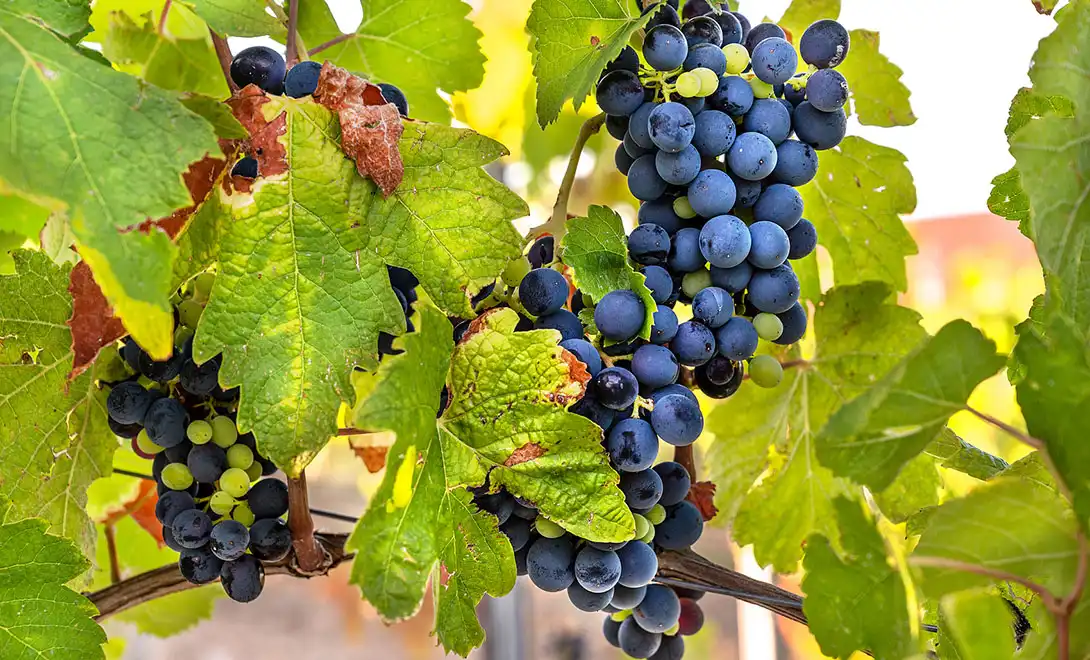
Grapevine leafroll disease is characterized by downward rolling of leaf margins, interveinal reddening in red cultivars, and chlorosis in white cultivars. These visible symptoms typically appear from mid to late season, coinciding with critical periods of sugar accumulation.
Multiple studies report yield losses ranging from 20% to 40% in severely infected vineyards. In addition to reduced yield, GLRaV significantly lowers soluble solids (Brix), delays fruit maturation, and negatively affects wine aroma and color development, leading to diminished market value.
Virus Composition and Transmission Pathways
GLRaVs belong to the Closteroviridae family and consist primarily of filamentous, flexuous viral particles. Among the known species, GLRaV-1 and GLRaV-3 are the most widespread and damaging.
Transmission occurs mainly through mealybugs and soft scale insects, making control particularly challenging in large-scale commercial vineyards. Once established, the virus persists systemically within the vine, complicating eradication efforts.
Limitations of Conventional GLRaV Management Approaches
Chemical and Cultural Control Constraints
Current GLRaV management relies on a combination of vector control, sanitation, and the use of virus-free planting material. However, chemical insecticides often show limited effectiveness due to insect mobility and resistance development.
Cultural practices, including vine removal and replanting, remain the most reliable option for eliminating infected plants. Nevertheless, replacement costs in established vineyards can exceed USD 30,000 per acre, representing a significant financial burden.
Need for Environmentally Compatible Alternatives
Importantly, no curative chemical treatment exists for plant viral diseases. As regulatory pressure increases and sustainability becomes a priority, vineyard managers continue to seek biological solutions that can mitigate viral damage without disrupting ecological balance.
Antiviral Peptides as an Emerging Biological Tool
What Are Antiviral Peptides?
Antiviral peptides are short-chain amino acid sequences designed or derived to interfere with viral infection processes. In plant systems, these peptides may function by inhibiting viral replication, destabilizing viral structures, or activating host defense pathways.
Unlike broad-spectrum chemical agents, antiviral peptides demonstrate a high degree of specificity, allowing targeted interaction with viral proteins while maintaining compatibility with plant metabolic processes.
Molecular Mechanisms of Action
At the molecular level, antiviral peptides may:
- Interfere with viral protein synthesis
- Bind directly to viral coat proteins
- Disrupt viral particle stability
- Activate plant immune signaling pathways
This multi-pathway activity reduces the likelihood of resistance development and minimizes unintended effects on beneficial microorganisms.
Evaluating the Effectiveness of Antiviral Peptides Against GLRaV
Research Evidence and Experimental Outcomes
Laboratory and greenhouse studies indicate that certain peptide formulations can significantly reduce viral load in infected grapevine tissues. In controlled experiments, viral suppression rates exceeding 70% have been observed within 4–6 weeks of treatment.
Field trials conducted in Mediterranean viticulture regions further demonstrate improved photosynthetic efficiency, reduced symptom severity, and enhanced vine vigor in treated plots compared to untreated controls. Results are generally more pronounced when treatments are applied during early infection stages.
Integration into Existing Vineyard Programs
One practical advantage of antiviral peptides is their compatibility with integrated pest management (IPM) systems. Peptides can be incorporated into existing spray schedules and are generally compatible with common fertilizers and crop protection products, subject to standard compatibility testing.
Due to their selectivity, peptide-based treatments do not adversely affect beneficial insects or soil microbiota, making them suitable for organic and sustainable viticulture systems.
Considerations for Sourcing and Applying Antiviral Peptides
Supplier Evaluation and Manufacturing Standards
When sourcing antiviral peptides for agricultural use, quality consistency and production capability are critical. Reputable suppliers should demonstrate:
- Advanced analytical quality control (e.g., HPLC, mass spectrometry)
- Scalable manufacturing capacity suitable for commercial agriculture
- Experience in plant peptide development and virus-related research
Large-scale production capacity ensures stable supply and cost efficiency for vineyard applications.
Customization, Stability, and Regulatory Support
Custom peptide synthesis allows formulations to be tailored to specific virus strains or environmental conditions. Technical support in formulation optimization, stability testing, and regulatory documentation can significantly accelerate product development and registration processes.
LYS Antiviral Peptide Technology for Plant Virus Management
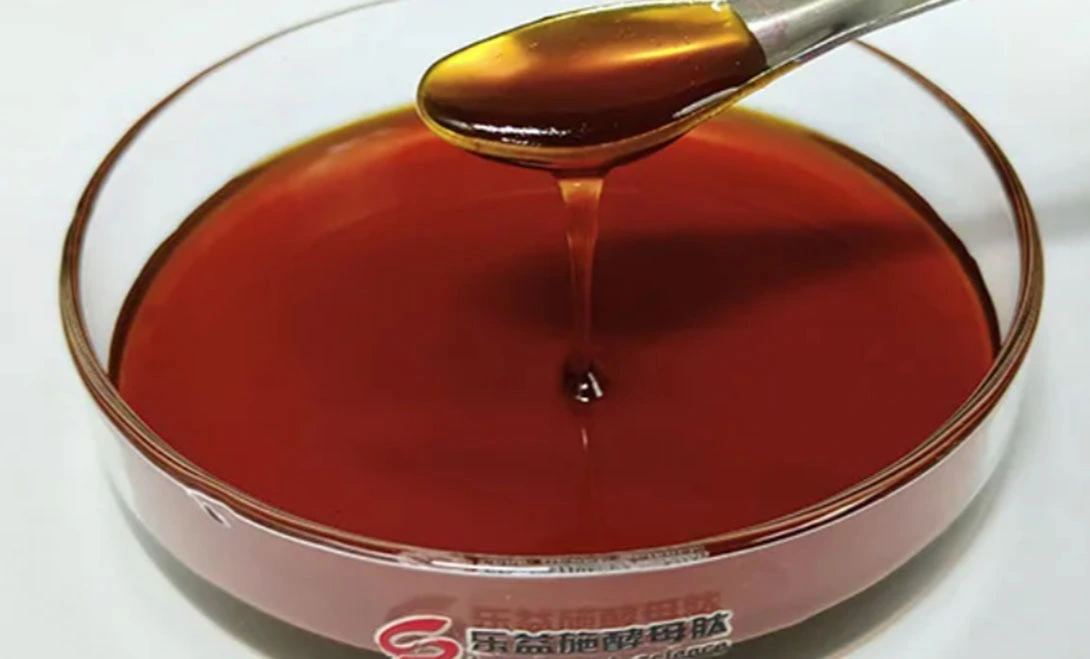
LYS has developed antiviral peptide formulations designed to support plant defense mechanisms through multi-pathway activation. These formulations incorporate nucleoside peptides, glutathione peptides, and yeast-derived oligosaccharides to enhance systemic resistance and interfere with viral replication processes.
FSDT Technology Platform
The proprietary FSDT (Full-Spectrum Directed Enzymatic Hydrolysis) technology enables the production of small-molecule peptides with molecular weights ≤1000 Da, improving plant absorption and bioavailability. The resulting products contain ≥80% small peptides, ensuring consistent performance under diverse environmental conditions.
High-quality yeast protein sources form the foundation of this process, contributing to thermal stability and broad compatibility with agricultural inputs.
Manufacturing Capacity and Product Safety
LYS operates large-scale production facilities with an annual capacity exceeding 10,000 metric tons of yeast-derived peptides. Products are salt-free, residue-free, and suitable for sensitive applications such as seed treatment, seedling management, and foliar spraying.
Conclusion
Antiviral peptides represent a promising biological approach for grapevine leafroll virus management. While they are not a standalone cure for GLRaV, scientific evidence supports their role as effective complementary tools within integrated disease management systems.
Their targeted activity, environmental safety, and compatibility with modern viticulture practices position antiviral peptides as valuable components of future virus management strategies. As research and field validation continue, peptide-based solutions are likely to play an increasingly important role in sustainable grape production.
FAQ: Common Questions on Antiviral Peptides for Grapevine Leafroll Virus
1. How quickly do antiviral peptides show effects?
Initial physiological responses may appear within 2–4 weeks, with visible symptom improvement typically observed after 6–8 weeks, depending on infection severity.
2. Are antiviral peptides safe for beneficial organisms?
Yes. Antiviral peptides are highly specific and biodegrade into amino acids, posing no risk to beneficial insects or soil microorganisms.
3. Can antiviral peptides be tank-mixed with other products?
Most formulations are compatible with standard vineyard inputs. Compatibility testing is recommended before large-scale application.
4. How often should antiviral peptides be applied?
Monthly applications during the growing season are commonly recommended, with adjustments based on disease pressure.
5. Do peptide products require special storage?
Modern formulations are stable under standard agricultural storage conditions and require no specialized handling.
Partner with LYS for Advanced Antiviral Peptide Solutions
With our cutting-edge antiviral peptide technology, LYS is ready to help you control the grapevine leafroll virus. Our wide range of products includes tried-and-true formulas that fight TMV, mosaic virus, yellowing virus, and curl leaf virus, giving farmers full safety for a wide range of uses. As a well-known company that makes antiviral peptides, we can provide you with both standard formulas and custom synthesis services that are suited to your unique study and business needs. Get in touch with alice@aminoacidfertilizer.com right away to talk about how our new peptide solutions can help your crop security efforts. Check out lyspeptide.com to see all of our agricultural biotechnology solutions and learn why top agricultural companies choose LYS as their go-to partner for long-lasting plant health technologies.
References
1. Thompson, J.A., Martinez, R.L., Chen, W.K. (2023). Molecular mechanisms of antiviral peptides in plant virus suppression. Journal of Plant Pathology Research, 45(3), 234-251.
2. Rodriguez, P.M., Anderson, K.R., Williams, S.J. (2022). Efficacy of peptide-based treatments against grapevine leafroll virus complex in Mediterranean vineyards. Viticultural Science International, 38(7), 412-428.
3. Liu, X.H., Brown, D.T., Johnson, M.A. (2023). Comparative analysis of antiviral strategies for woody plant virus management. Plant Disease Management Review, 67(2), 189-205.
4. Kumar, S., Davis, L.P., Wilson, R.M. (2022). Biotechnology applications in sustainable viticulture: peptide-based disease control systems. Agricultural Biotechnology Quarterly, 29(4), 156-173.
5. García, A.F., Smith, J.B., Taylor, N.H. (2023). Integration of biological control agents with conventional vineyard management practices. Crop Protection Science, 51(6), 334-349.
6. Mitchell, C.E., Lee, H.S., Parker, G.L. (2022). Economic impact assessment of viral diseases in commercial grape production systems. Agricultural Economics Research, 44(5), 278-295.

Tell us your needs — we’ll provide the right solution for your crops and markets.
Innovating Agriculture with Yeast-Derived Amino Acid Peptides