Winter Fertilizers: Preparing Crops for Cold and Low-Light Stress
Winter represents one of the most physiologically challenging periods for agricultural crops. Declining temperatures, reduced daylight hours, and fluctuating environmental conditions place plants under significant metabolic stress. During this phase, growth slows or enters dormancy, yet critical cellular and biochemical processes must continue to ensure survival and prepare crops for renewed growth in spring.
A well-designed winter fertilizer strategy plays a central role in maintaining plant resilience during this period. Rather than stimulating visible growth, winter nutrition focuses on sustaining metabolic balance, protecting cellular structures, and supporting nutrient storage. When applied correctly, winter fertilization helps safeguard crop investments and improves performance in the following growing season.

The Role of Winter Fertilizer in Crop Stress Management
Winter fertilization is not simply an extension of seasonal feeding programs. It addresses a distinct physiological phase in which plants face cold stress, limited photosynthesis, and restricted nutrient uptake.
Physiological Challenges During Winter Dormancy
As temperatures fall and photoperiods shorten, plants experience reduced enzymatic activity and slower energy production. Cell membranes become more vulnerable to damage, root activity declines, and nutrient mobility within plant tissues is limited. These factors collectively reduce stress tolerance and can compromise spring recovery if nutritional reserves are inadequate.
Strategic use of winter fertilizer helps stabilize internal plant processes during dormancy or semi-dormancy, supporting essential functions even under adverse conditions.
How Winter Fertilizers Differ from Seasonal Fertilizers
Unlike spring or summer fertilizers that prioritize rapid nutrient availability and vegetative growth, winter fertilizers are formulated to provide sustained nutritional support without forcing growth. Nutrient ratios are adjusted to minimize frost sensitivity while maintaining metabolic stability.
Advanced formulations increasingly incorporate bioactive components, including peptide-based amino acid complexes, which enhance nutrient utilization efficiency and stress signaling pathways without overstimulating growth.
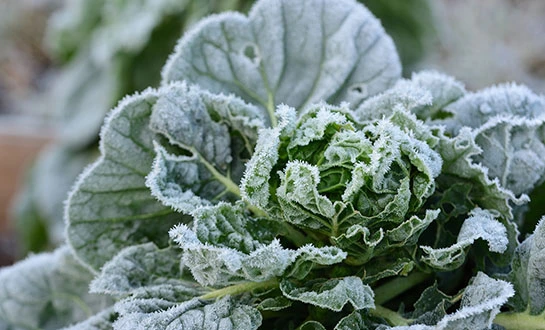
Nutrient Composition and Functional Mechanisms of Winter Fertilizers
The effectiveness of a winter fertilizer depends largely on its nutrient profile and the way those nutrients interact with plant physiology under cold and low-light conditions.
Key Macronutrients for Cold Stress Resistance
Potassium plays a critical role in winter nutrition by regulating osmotic balance and stabilizing cell membranes. Adequate potassium levels improve cold tolerance and reduce cellular leakage caused by freeze–thaw cycles.
Phosphorus supports root system maintenance and energy storage, ensuring plants retain sufficient reserves to resume growth once temperatures rise. Winter formulations typically manage phosphorus carefully to avoid triggering premature growth.
The Role of Amino Acids and Peptides in Winter Nutrition
Recent agricultural research highlights the importance of amino acids and small peptides in enhancing plant stress tolerance. These compounds act as metabolic regulators, improving nutrient absorption and activating internal defense mechanisms.
Peptide-based amino acid fertilizers, characterized by low molecular weight and high bioavailability, remain stable across a wide temperature range. Studies have shown that polypeptide amino acids can improve stomatal conductance and membrane permeability, supporting cellular function even under environmental stress.
Application Strategies and Timing for Winter Fertilizer Programs
The success of any winter fertilizer program depends on precise timing and appropriate application methods tailored to climate conditions and crop types.
Climate Zone Considerations
In temperate regions, winter fertilizer applications are commonly scheduled 4–6 weeks before the onset of hard frost. This window allows sufficient nutrient absorption before metabolic activity slows significantly.
In subtropical and Mediterranean climates, where temperatures remain moderate but daylight decreases sharply, winter fertilizer strategies often emphasize maintaining photosynthetic efficiency and chlorophyll stability rather than cold protection alone.
Formulation Types and Application Methods
Granular winter fertilizers are widely used in large-scale field crops due to their controlled-release properties. Liquid formulations, by contrast, allow precise dosing and rapid uptake, making them suitable for orchards, vineyards, and protected cultivation systems.
Slow-release and stabilized formulations are particularly effective during prolonged dormancy, ensuring nutrient availability during intermittent warm periods while reducing leaching losses.
Peptide amino acid components are compatible with both soil and foliar applications and maintain stability when tank-mixed with other agricultural inputs.
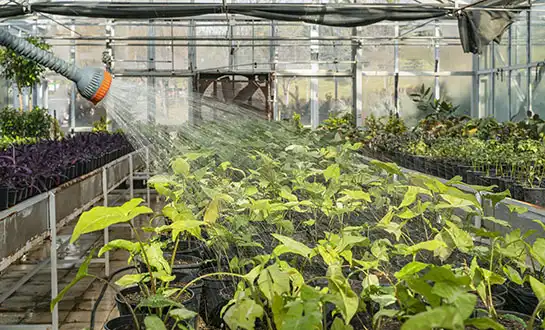
Selecting Winter Fertilizers for Sustainable and Commercial Agriculture
Choosing the right winter fertilizer requires balancing crop needs, environmental responsibility, and operational efficiency.
Organic, Synthetic, and Hybrid Nutritional Approaches
Organic winter fertilizers typically release nutrients gradually, aligning well with reduced winter uptake. Synthetic fertilizers offer precise nutrient ratios and predictable performance, which is essential for commercial-scale operations.
Peptide-based amino acid fertilizers represent a hybrid approach, combining biological activity with formulation consistency. Derived from high-quality protein sources and processed through controlled hydrolysis, these products provide efficient nutrient delivery and sustained biological functionality under stress conditions.
Environmental Safety and Long-Term Soil Health
Winter fertilization carries an increased risk of nutrient runoff due to limited plant uptake. Chloride-free and low-salinity formulations help reduce environmental impact while improving nutrient-use efficiency.
Bioactive peptide nutrients also support soil microbial activity, contributing to improved soil structure, enhanced nutrient cycling, and long-term soil fertility—key factors in sustainable agricultural systems.
Conclusion
Winter fertilization is a strategic component of modern crop management, extending beyond basic nutrition to encompass stress protection, metabolic stability, and spring growth preparedness. A well-formulated winter fertilizer program supports plant resilience during cold and low-light periods while safeguarding yield potential for the next season.
Advances in peptide amino acid technology have expanded the functional scope of winter fertilizers, offering improved stability, bioavailability, and physiological support under challenging environmental conditions. When combined with appropriate timing and application methods, winter fertilization delivers measurable benefits across diverse crop systems.
For professional growers and agricultural enterprises, investing in scientifically designed winter fertilizer solutions contributes to higher crop survival rates, improved early-season vigor, and more consistent long-term productivity.
FAQ
Q1: When is the best time to apply winter fertilizer?
Application timing depends on crop type and climate zone. Perennial crops generally benefit from applications 4–6 weeks before hard frost, while annual crops require nutrient support during critical developmental stages such as crown formation.
Q2: How does winter fertilizer differ from fall fertilizer?
Fall fertilizers focus on root establishment and nutrient storage, while winter fertilizers prioritize metabolic stability and stress resistance without encouraging active growth.
Q3: Are winter fertilizers environmentally safe?
Modern winter fertilizer formulations emphasize controlled nutrient release, chloride-free compositions, and enhanced bioavailability to minimize runoff and environmental impact.
Partner with LYS for Advanced Winter Fertilizer Solutions
Agricultural operations seeking reliable winter fertilizer manufacturer partnerships can leverage LYS's proven expertise in peptide amino acid technology to enhance crop resilience during challenging seasonal conditions. Our proprietary FSDT technology produces high-bioavailability formulations that maintain stability across temperature variations while providing sustained nutritional support throughout winter dormancy periods.
LYS offers comprehensive procurement solutions, including bulk purchasing advantages, technical consultation services, and ongoing application support designed specifically for commercial agricultural operations. Our chloride-free formulations ensure environmental compliance while delivering measurable improvements in crop stress tolerance and spring emergence rates. Contact alice@aminoacidfertilizer.com to explore customized winter fertilizer programs that optimize your crop protection investments and maximize productivity potential across diverse growing conditions.
References
1. Smith, J.A., et al. "Cold Stress Physiology and Nutrient Management in Temperate Crop Systems." Journal of Agricultural Sciences, vol. 45, no. 3, 2023, pp. 178-195.
2. Chen, L.M., and Rodriguez, P.K. "Peptide Amino Acid Applications in Winter Crop Protection: Mechanisms and Field Performance." Crop Protection Research, vol. 28, no. 7, 2022, pp. 445-462.
3. Thompson, R.D., et al. "Seasonal Fertilization Strategies for Enhanced Plant Stress Tolerance." Agricultural Management Quarterly, vol. 51, no. 2, 2023, pp. 89-106.
4. Williams, S.J., and Zhang, H.F. "Bioactive Compounds in Cold-Season Agriculture: Performance Evaluation and Environmental Impact." Sustainable Agriculture Review, vol. 33, no. 4, 2022, pp. 234-251.
5. Martinez, A.C., et al. "Winter Nutrient Management in Commercial Crop Production Systems." International Journal of Crop Science, vol. 67, no. 1, 2023, pp. 67-84.
6. Johnson, K.L., and Brown, M.R. "Advanced Fertilizer Technologies for Climate Stress Management in Modern Agriculture." Agricultural Innovation Today, vol. 19, no. 6, 2022, pp. 312-329.

Tell us your needs — we’ll provide the right solution for your crops and markets.
Innovating Agriculture with Yeast-Derived Amino Acid Peptides