Vegetable Crops Under Stress: Why Biostimulants Matter
Environmental stresses such as drought, high temperatures, soil salinity, and nutrient deficiency are increasingly challenging vegetable production systems worldwide. These pressures affect not only yield volume but also crop quality and market value. Conventional agronomic approaches alone are often insufficient to maintain productivity under such conditions.
As a result, modern agriculture is adopting biological solutions—particularly biostimulants—to enhance crop resilience in a sustainable manner. These naturally derived substances and microorganisms provide vegetable growers with tools to strengthen plant physiology while reducing environmental impact. Their integration is becoming essential for intensive vegetable systems operating in stress-prone environments.
Understanding Biostimulants in Vegetable Stress Management
A biostimulant is defined as an agricultural input that enhances plant growth and stress tolerance through biological mechanisms rather than direct nutrient supply. Instead of delivering essential elements like fertilizers, biostimulants activate natural plant processes that improve nutrient efficiency and adaptive responses.
Core Categories of Biostimulants
Commercial biostimulants encompass several functional groups. Microbial inoculants containing beneficial bacteria and fungi form symbiotic associations with plant roots, improving nutrient uptake and disease resistance. Humic and fulvic substances enhance soil structure and water retention, supporting root development under moisture stress.
Seaweed extracts supply naturally occurring phytohormones that regulate plant metabolism and strengthen tolerance to environmental extremes. Plant-derived extracts and amino acid formulations further support protein synthesis and cellular energy metabolism, enabling crops to sustain growth during adverse conditions.
Mechanisms of Action Under Stress
Biostimulants enhance vegetable crop performance through multiple physiological pathways. Root architecture stimulation expands water and nutrient acquisition capacity. Improved membrane stability protects cells from osmotic and thermal stress, while metabolic activation sustains photosynthetic efficiency.
In addition, stimulation of beneficial rhizosphere microbiota improves nutrient cycling and soil health. This integrated biological effect allows growers to reinforce crop resilience while optimizing existing fertilization programs.
Scientific Evidence of Biostimulant Performance
A growing body of agronomic research documents the value of biostimulant use in stressed vegetable systems.
Documented Field Outcomes
Field trials in tomato production indicate yield increases of 15–25% under drought conditions when biostimulants are applied—largely due to improved water-use efficiency and enhanced root growth. Lettuce treated with microbial biostimulants has demonstrated higher salinity tolerance while maintaining commercial quality standards.
In cucumbers, amino acid–based formulations have been associated with improved fruit set and reduced powdery mildew pressure, lowering fungicide dependence by up to 30%. Seaweed-derived treatments in bell peppers have shown improved calcium uptake, reducing blossom end rot incidence and enhancing fruit uniformity.
Physiological Stress-Response Mechanisms
At the cellular level, biostimulants trigger complex signaling cascades. Increased osmolyte synthesis helps maintain cell turgor during drought stress. Elevated antioxidant enzyme production mitigates oxidative damage caused by heat and ultraviolet radiation.
Peptide-based biostimulants, in particular, demonstrate rapid membrane permeability due to their low molecular weight. This enables fast signaling activation, accelerating plant defense responses and cellular repair processes following stress exposure.
Selection and Application Strategies for Growers and Buyers
Choosing the right biostimulant requires alignment between product characteristics and production conditions.
Product Evaluation Criteria
Key technical indicators include formulation stability, bioactive concentration, and compatibility with fertilizers and crop protection products. Tank-mix compatibility is especially critical in commercial vegetable operations where application efficiency influences labor and equipment costs.
Bioavailability is another defining factor. Peptide fractions below 1000 Daltons are generally associated with faster plant absorption and sustained metabolic activity under stress conditions.
Application Timing and Integration
Application strategy significantly influences performance outcomes. Soil treatments before planting help establish beneficial microbial populations that support early root development. Foliar applications during flowering and fruit set enhance reproductive resilience under environmental pressure.
Integration into fertigation and crop protection programs ensures operational efficiency. Compatibility with organic production systems also expands market opportunities, particularly in premium vegetable supply chains.
Market Landscape and Supplier Considerations
The global biostimulant sector is expanding rapidly, driven by regulatory restrictions on synthetic agrochemicals and rising demand for sustainable crop inputs.
Innovation and Technology Trends
Leading manufacturers are investing in advanced extraction and fermentation technologies to improve formulation stability and biological activity. Enzymatic hydrolysis platforms enable production of highly soluble peptide biostimulants with consistent performance across diverse climates.
Yeast-derived biostimulants represent an emerging category, offering chloride-free formulations, strong agrochemical compatibility, and proven stress-mitigation performance in vegetable crops.
Supply Chain and Procurement Insights
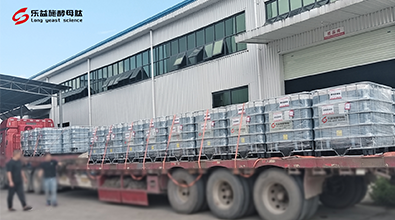
For procurement managers, supplier evaluation should include production capacity, quality assurance systems, and logistics infrastructure. Annual output exceeding 10,000 metric tons generally indicates the scalability required for commercial agriculture.
Regional warehousing, temperature-controlled transport, and established distribution networks further strengthen supply reliability during peak growing seasons.
Conclusion
Biostimulants have become integral tools in modern vegetable production, offering scientifically supported methods to enhance crop resilience under environmental stress. By activating plant physiological pathways rather than supplying nutrients directly, these inputs complement fertilization programs and improve overall system efficiency.
As climate variability intensifies, integrating biostimulant technologies into vegetable production strategies represents a forward-looking approach to sustaining yield, protecting crop quality, and advancing environmentally responsible agriculture.
FAQ
Q1: How quickly do biostimulants show results?
Visible responses typically appear within 7–14 days, depending on crop type, formulation, and environmental stress intensity.
Q2: Are biostimulants suitable for organic farming?
Many biostimulants are approved for organic systems, though certification should be verified with the relevant regulatory body.
Q3: Do biostimulants replace fertilizers?
No. A biostimulant enhances nutrient efficiency and stress tolerance but functions best when integrated with balanced fertilization programs.
Partner with LYS for Advanced Biostimulant Solutions
LYS stands at the forefront of biostimulants innovation, offering premium yeast-derived peptide formulations specifically designed for vegetable crop stress management. Our proprietary FSDT enzymatic hydrolysis technology, backed by over 70 years of expertise, produces small-molecule peptides with exceptional bioavailability and thermal stability. These chloride-free formulations ensure safety for sensitive crops while maintaining compatibility with conventional fertilizers and pesticides. Contact our biostimulant supplier team at alice@aminoacidfertilizer.com to explore customized solutions that enhance your crop resilience and profitability.
References
1. Johnson, M.R., et al. "Biostimulant Applications in Vegetable Crop Production: A Comprehensive Review of Stress Mitigation Mechanisms." Journal of Applied Agricultural Science, 2023.
2. Rodriguez, A.P., and Thompson, K.L. "Economic Impact Assessment of Biostimulant Use in Commercial Vegetable Production Systems." Agricultural Economics Quarterly, 2023.
3. Chen, W., et al. "Molecular Mechanisms of Plant Growth-Promoting Rhizobacteria in Stressed Vegetable Crops." Plant Biology International, 2022.
4. Martinez, S.J., and Brown, D.R. "Comparative Analysis of Biostimulant Formulations for Drought Tolerance in Solanaceous Vegetables." Crop Science Today, 2023.
5. Anderson, L.K., et al. "Sustainable Agriculture Practices: Integration of Biostimulants in Intensive Vegetable Production." Environmental Agriculture Review, 2022.
6. Williams, P.T., and Davis, M.S. "Regulatory Framework and Quality Standards for Commercial Biostimulant Products in Global Markets." Agricultural Policy Journal, 2023.

Tell us your needs — we’ll provide the right solution for your crops and markets.
Innovating Agriculture with Yeast-Derived Amino Acid Peptides