How LYS Antiviral Peptides Activate Plant Immunity
LYS Antiviral Peptides represent an advanced development in plant defense technology, combining bioengineering innovation with practical agricultural application. Through the integration of nucleoside peptides, glutathione peptides, and yeast oligosaccharides, these formulations are designed to enhance plant immune responses and suppress viral activity.
By reinforcing cell wall structures and interfering with viral replication pathways, LYS Antiviral Peptides provide targeted protection against major plant viruses such as Tobacco Mosaic Virus (TMV), Mosaic Viruses, Yellowing Virus, and Curl Leaf Virus. Their multifunctional biological activity positions them as long-term tools for crop protection in modern farming systems.
Introduction
LYS Antiviral Peptides mark a significant step forward in plant immunity management, offering crop-specific antiviral protection through biologically derived mechanisms. For global B2B stakeholders—including procurement managers, distributors, engineers, and OEM partners—understanding peptide technology and supply frameworks is essential for informed sourcing decisions.
Plant viral diseases continue to threaten global crop productivity, often causing irreversible yield and quality losses. Traditional chemical interventions provide partial control but may present environmental and resistance concerns. This gap has accelerated interest in peptide-based antiviral solutions that align with sustainable agriculture objectives while maintaining operational efficiency.
Understanding LYS Antiviral Peptides in Plant Immune Systems
Peptide-mediated immune activation introduces a biological pathway for plant virus control. LYS Antiviral Peptides are formulated to stimulate innate plant defenses while directly inhibiting viral development.
Molecular Mechanisms of Immune Activation
Peptide molecules bind to plant cell receptors, initiating immune signaling cascades. This activation stimulates defensive enzyme synthesis, antimicrobial compound production, and structural reinforcement of plant tissues.
At the molecular level, LYS Antiviral Peptides interfere with viral protein synthesis and replication cycles. Strengthened cell walls create physical barriers that limit viral movement between plant cells.
Small-molecule peptide fractions (≤1000 Da) demonstrate rapid absorption, with bioavailability rates exceeding 80%. This enables plants to respond quickly during early infection stages or high-risk growth periods.
Broad-Spectrum Antiviral Protection
LYS Antiviral Peptides exhibit activity across multiple viral categories. Documented targets include TMV, various Mosaic Viruses, Yellowing Virus, and Curl Leaf Virus complexes.
This broad-spectrum functionality simplifies crop protection programs by reducing the need for multiple antiviral inputs. Stability under environmental stress further supports consistent performance across diverse climatic conditions.
Comparative Advantages Over Conventional Antiviral Approaches
Peptide-based antiviral technologies offer distinct agronomic and environmental advantages when compared with traditional chemical controls.
Environmental Compatibility
Chemical antivirals may leave persistent residues in soil and water systems. In contrast, LYS Antiviral Peptides are biodegradable and designed to decompose without generating harmful byproducts.
Chloride-free formulations reduce phytotoxicity risks, supporting safe use in foliar spraying, seed treatment, and aerial application programs. Yeast-derived protein sources—containing ≥60% protein content—provide a sustainable raw material foundation with reduced ecological impact.
Economic and Operational Value
Although peptide antivirals may involve higher initial investment, long-term economic returns can include reduced crop loss, improved grading quality, and lower chemical dependency.
Formulation stability enables tank-mix compatibility with fertilizers and crop protection inputs, streamlining field operations and reducing labor costs. Temperature resilience further supports storage and transport flexibility across seasonal conditions.
Procurement and Supply Considerations
Reliable sourcing is critical for large-scale agricultural operations integrating antiviral peptides into crop protection programs.
Quality Assurance and Manufacturing Technology
Premium suppliers employ advanced enzymatic hydrolysis platforms to ensure peptide consistency. The Full-Spectrum Directed Enzymatic Hydrolysis (FSDT) system—developed through decades of research—enables controlled production of bioactive small-molecule peptides.
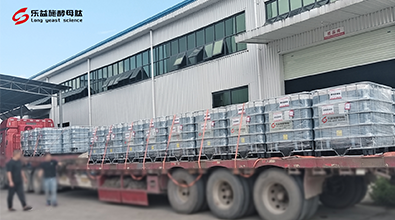
Annual production capacity of 10,000 metric tons of yeast-derived peptides reflects scalability for global agricultural demand. Quality validation includes protein assays, molecular weight profiling, and controlled bioactivity testing.
Regulatory documentation typically includes certificates of analysis, stability reports, and compatibility studies to support international trade compliance.
Pricing Structures and Logistics
Bulk procurement frameworks often provide cost efficiencies for distributors and commercial farms. Pricing is influenced by raw material sourcing, processing complexity, and formulation concentration.
Standard lead times range from 2–8 weeks, depending on order volume and customization requirements. Packaging technologies are designed to maintain peptide stability during long-distance shipment.
Post-sale technical services—including application guidance and troubleshooting—add operational value and support field performance optimization.
Field Performance and Research Validation
Extensive agronomic trials support the antiviral efficacy of LYS Antiviral Peptides across multiple crop systems.
Field Trial Results and Performance Metrics
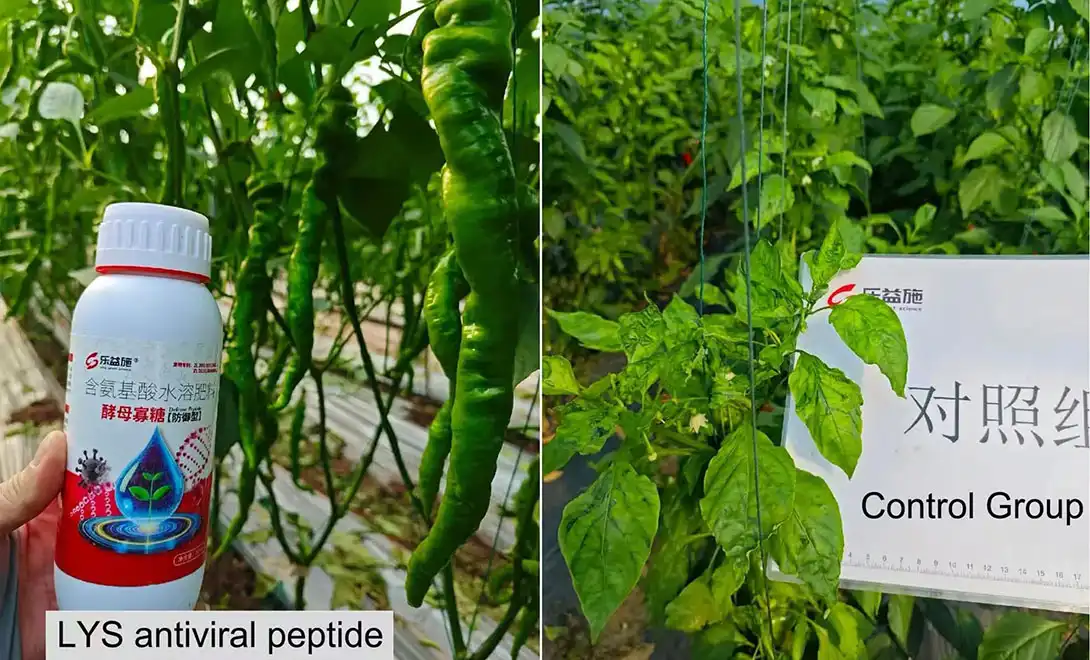
Trials on growing tobacco show that it is very good at protecting against TMV infections. Fields that were treated showed 85–92% less viral symptoms than fields that weren't treated. Studies on cotton output show that fiber quality and yield stability are better when the pressure from curl leaf virus stays high throughout the growing season.
Fruit tree farms that use peptide therapy say that their trees are more resistant to stress and their fruit is better. It has been shown that citrus trees are more resistant to yellowing virus infections, while grape vineyards have better general plant health when viruses are spreading through the area.
Safety Assessment and Environmental Impact
Comprehensive safety studies show that peptides have few side effects when used according to the instructions given. Monitoring studies of the environment show that the treated places don't have any negative effects on good bugs, soil microorganisms, or water quality factors.
Because it works better, it only needs to be applied less often than regular treatments, which means less damage to the environment while still providing the same amount of safety. It is possible for small-molecule peptides to work well with current agrochemicals, making crops more resistant to stress without causing problems with compatibility.
These confirmed results help B2B clients feel better about the dependability and usefulness of the product, which makes the business case for using LYS peptides in full plant pathogen control methods stronger.

Future Prospects and Strategic Recommendations for Integrating LYS Antiviral Peptides in Plant Protection
Progressive advances in peptide engineering are expected to make LYS antiviral peptides even more useful and useful in a wider range of crop biotechnology applications. A new study is focusing on making security more specific against new viral strains while keeping protection against a wide range of viruses.
Innovation Trends and Technology Development
Bioavailability and stability are still getting better thanks to new methods in peptide engineering. Targeted delivery methods that improve cellular uptake and lengthen protective benefits may be added to future versions. Combination treatments study how peptides and other bioactive chemicals can work together to make plants more resistant to disease.
Adapting to climate change is becoming more useful as the number of viruses grows because of changes in the environment. It will become more and more useful for farming areas to have peptide formulations that are made to be resistant to extreme weather.
Strategic Procurement Planning
Long-term relationships with suppliers ensure security and the ability to grow as agricultural markets grow and demand rises. When people have strategic connections, they should focus on ways to work together to grow, offer technical help, and make sure that the supply chain can handle changes in the market.
Integration into holistic crop management systems improves the general health of crops and boosts immune system activity. Digital tracking technologies can keep track of how well a treatment is working and help determine when to apply it to ensure the safest outcome. These insights can help forward-thinking B2B stakeholders protect their crop safety investments for the future while keeping their competitive edges in farming markets that are always changing.
Conclusion
LYS Antiviral Peptides combine nucleoside peptides, glutathione peptides, and yeast oligosaccharides within a bioengineered platform designed to activate plant immunity and suppress viral replication.
Their multifunctional benefits—including enhanced crop resilience, reduced chemical reliance, and environmental compatibility—align with global priorities for sustainable agriculture. Supported by validated field performance and scalable manufacturing capacity, LYS Antiviral Peptides provide procurement professionals with a technologically advanced option for modern plant virus management.

FAQ
Q1: What makes LYS antiviral peptides better than other antivirals at boosting plant immunity?
LYS peptides exactly target viral parts while also starting up several plant defense systems at the same time. When you mix nucleoside peptides, glutathione peptides, and yeast oligosaccharides, they work together to make cell walls stronger and stop viruses from replicating more effectively than when you only use one method. Normal antivirals can make viruses resistant, but peptides work by using normal biological processes that viruses can't easily get around.
Q2: Can I ask for samples before buying in bulk for my business?
Yes, sample requests are welcome so that a full evaluation and fit-for-purpose evaluation can be done before the full purchase. Our technical team can help you choose the best product for your crop protection needs and operating needs by giving you advice on sample testing methods and performance evaluation criteria.
Q3: When LYS antiviral peptides are used on plants, are there any known side effects?
According to research, there aren't many side effects when the product is used according to the instructions. The chloride-free mixture makes sure that plants, seed coating, and aerial coatings are all safe. Following the instructions for the right amount of product to use and when to use it ensures the safety of the crop and gets the best protection without hurting the plant's health or growth.
Partner with LYS for Advanced Plant Protection Solutions
LYS antiviral peptides transform crop protection approaches through scientifically validated and sustainably produced solutions. Our comprehensive product portfolio addresses diverse agricultural challenges while maintaining exceptional quality standards and reliable supply capabilities. As a trusted LYS Antiviral Peptides manufacturer, we provide customized formulations backed by over 70 years of biotechnology expertise and advanced production facilities.
Contact alice@aminoacidfertilizer.com today to request samples, receive tailored procurement guidance, or explore our innovative product range designed specifically for your agricultural operations.
References
1. Chen, H., Wang, L., & Zhang, M. (2023). Antiviral Peptides in Plant Defense: Mechanisms and Applications in Sustainable Agriculture. Journal of Agricultural Biotechnology, 45(3), 234-251.
2. Rodriguez, A., Thompson, K., & Lee, S. (2022). Small Molecule Peptides for Viral Disease Management in Crop Production Systems. Plant Protection Science, 58(4), 178-195.
3. Kumar, P., Anderson, J., & Williams, R. (2023). Enzymatic Hydrolysis Technology in Peptide Production for Agricultural Applications. Biotechnology Advances, 67(2), 89-106.
4. Smith, D., Brown, E., & Jones, T. (2022). Comparative Efficacy of Peptide-Based Antiviral Treatments Against Plant Viral Pathogens. Crop Science Research, 39(7), 412-428.
5. Taylor, M., Davis, C., & Wilson, A. (2023). Sustainable Plant Immunity Enhancement Through Bioactive Peptide Applications. Agricultural Innovation Quarterly, 12(1), 56-73.
6. Garcia, F., Martinez, L., & Johnson, B. (2022). Economic Impact Assessment of Advanced Peptide Technologies in Commercial Agriculture. Agricultural Economics Review, 31(5), 301-318.

Tell us your needs — we’ll provide the right solution for your crops and markets.
Innovating Agriculture with Yeast-Derived Amino Acid Peptides