Using Signaling Molecules to Fix Stunted Crop Metabolism
In modern agriculture, one of the major barriers to crop productivity is the disruption of essential biological processes inside plants. When metabolic pathways are impaired, crops often fail to reach their genetic potential. This condition is commonly described as stunted crop metabolism, where plants lose the ability to efficiently process nutrients, respond to environmental changes, and maintain stable growth.
Recent advances in agricultural biotechnology have highlighted the importance of the plant signaling molecule in restoring metabolic balance. These specialized bioactive compounds regulate communication between plant cells and activate key biochemical pathways that support growth and stress adaptation.
By influencing plant metabolism at the molecular level, signaling molecules can help restore disrupted physiological processes, improve nutrient efficiency, and strengthen plant resilience under challenging environmental conditions.
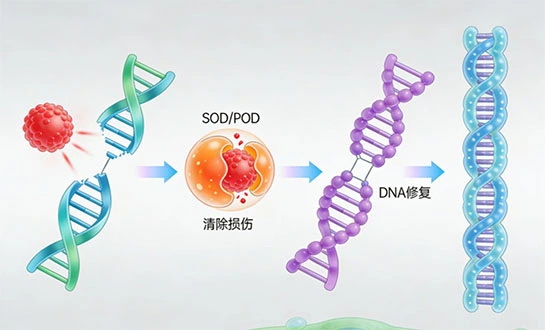
Understanding Stunted Crop Metabolism and Its Causes
Stunted crop metabolism is a significant challenge for modern farming systems because it directly affects yield potential and crop quality. Plant metabolism consists of complex biochemical reactions that enable photosynthesis, nutrient assimilation, respiration, and growth.
When these processes are disrupted, plants may display symptoms such as reduced photosynthetic efficiency, poor nutrient uptake, slower respiration, and limited protein synthesis. These metabolic disturbances often appear as visible field symptoms, including chlorosis, slow growth, weak root development, and poor fruit formation.
Understanding the underlying causes of metabolic disruption is essential for developing effective crop management strategies.
Environmental Stress Factors
Environmental stress is one of the most common triggers of metabolic dysfunction in crops. Drought conditions, for example, force plants to redirect energy from growth toward water conservation mechanisms, which slows metabolic activity.
High temperatures can also interfere with plant metabolism by destabilizing enzymes and damaging cellular membranes. These effects reduce the efficiency of key biochemical reactions that sustain plant growth.
Soil salinity represents another major stress factor. Excess salts disturb osmotic balance and restrict nutrient transport within plant tissues. Under saline conditions, plants often reduce metabolic activity in order to maintain cellular stability.
Nutrient Deficiency Effects
Nutrient availability is another critical factor influencing metabolic performance. Deficiencies in essential nutrients can create metabolic bottlenecks that disrupt normal physiological processes.
For instance, nitrogen deficiency limits chlorophyll production and protein synthesis, while phosphorus deficiency restricts energy transfer and root development. Micronutrient deficiencies, although required in smaller amounts, can also halt essential enzymatic reactions necessary for plant growth.
Under such conditions, the regulation of plant metabolism through plant signaling molecules becomes increasingly important for maintaining crop health.
How Plant Signaling Molecules Restore Metabolic Activity
A plant signaling molecule functions as a biochemical messenger that coordinates cellular responses throughout plant tissues. These molecules regulate metabolic processes by transmitting signals between cells and activating genes responsible for growth, stress tolerance, and nutrient use.
At the molecular level, signaling molecules interact with receptor proteins located on cell membranes. When binding occurs, a signaling cascade is triggered inside the cell, leading to changes in gene expression, enzyme activity, and metabolic pathway regulation.
Through these mechanisms, signaling molecules help plants recover from metabolic stress and restore normal physiological functions.
Hormone-Driven Growth Recovery
Certain plant hormones act as key signaling molecules that regulate growth and development.
Auxin signaling pathways promote cell elongation and division by activating enzymes that modify cell walls and support protein synthesis. This process stimulates dormant growth tissues and reactivates plant development in metabolically suppressed crops.
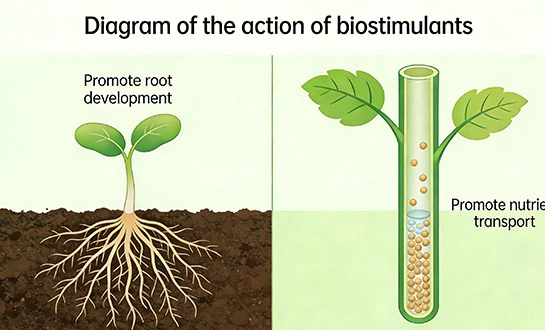
Cytokinin signaling molecules play a major role in nutrient transport and cell division, particularly in root systems where nutrient uptake occurs. These molecules stimulate root hair development and improve nutrient absorption efficiency.
Gibberellin pathways regulate stem elongation and flowering by controlling carbohydrate metabolism and cell wall modification enzymes. Crops treated with gibberellin-related signaling molecules often show improved vegetative growth and reproductive performance.
Stress Response Activation
Other signaling molecules are responsible for coordinating plant stress responses.
Abscisic acid regulates plant responses to drought by controlling stomatal closure and activating water conservation pathways. This allows plants to maintain metabolic stability during periods of water shortage.
Ethylene signaling pathways contribute to stress adaptation by promoting antioxidant enzyme production and strengthening cellular defense systems.
Jasmonic acid signaling molecules activate protective metabolic pathways and stimulate the production of secondary metabolites that enhance plant resilience against environmental and biological stresses.
Comparing Natural and Synthetic Plant Signaling Molecules
Selecting an appropriate plant signaling molecule often involves comparing natural and synthetic options. Each type offers unique advantages depending on crop requirements, environmental conditions, and agricultural practices.
Advantages of Synthetic Signaling Molecules
Synthetic signaling molecules are designed with precise chemical structures that provide consistent biological activity. Their standardized composition allows predictable performance under a wide range of environmental conditions.
In commercial agriculture, synthetic molecules are often valued for their long shelf life, uniform potency, and stable formulation characteristics. Large-scale production methods also allow reliable supply chains and cost-effective manufacturing.
These features make synthetic signaling molecules suitable for intensive farming systems where consistency and scalability are essential.
Benefits of Natural Signaling Molecules
Natural signaling molecules are typically derived from plant extracts or microbial fermentation processes. Because they originate from biological systems, these compounds often integrate well with natural plant metabolism.
Natural formulations frequently contain multiple bioactive components that act synergistically to support metabolic recovery. This complex composition may provide broader physiological benefits compared with single-compound synthetic products.
Another advantage is environmental compatibility. Natural signaling molecules are often favored in sustainable and organic farming systems due to their lower ecological impact.
Field observations from commercial farms suggest that appropriate signaling molecule treatments can improve plant metabolic indicators by 15–30% within one to two weeks, resulting in stronger crop growth and improved yield performance.
Application Strategies and Future Outlook for Signaling Molecules
Successful use of a plant signaling molecule requires careful attention to application methods, timing, and integration with overall crop management practices.
Effective Application Methods
Foliar spraying is one of the most common application methods for signaling molecules. Through stomatal openings and cuticle penetration, plants can quickly absorb these compounds, allowing rapid metabolic activation.
Soil drench applications focus on root systems and provide gradual absorption of signaling molecules. This method supports long-term metabolic regulation and is often used to address soil-related stress factors.
Seed treatments represent another effective strategy. Applying signaling molecules during seed preparation can improve germination rates, enhance seedling vigor, and strengthen early stress tolerance.
Monitoring Crop Responses
To maximize effectiveness, growers often monitor key physiological indicators such as chlorophyll levels, photosynthetic activity, and nutrient uptake efficiency.
Regular monitoring allows adjustments in treatment schedules and helps optimize signaling molecule use under different environmental conditions.
It is also important to ensure compatibility between signaling molecules and other agricultural inputs. Proper sequencing of fertilizers, biostimulants, and crop protection products helps avoid negative interactions.
Emerging Innovations
The development of plant signaling molecule technologies continues to evolve alongside advancements in biotechnology and precision agriculture.
Future innovations may include:
- bio-derived signaling compounds
- peptide-based signaling technologies
- nano-delivery systems for improved uptake
- integration with precision farming platforms
These innovations aim to enhance the efficiency of plant metabolic regulation while reducing unnecessary agricultural inputs.
Conclusion
The plant signaling molecule represents a promising tool for addressing metabolic disruption in crops. By regulating communication between plant cells and activating essential biochemical pathways, signaling molecules help restore normal metabolic activity and support healthy plant growth.
Research and field applications indicate that these compounds can improve stress tolerance, enhance nutrient utilization, and promote stronger crop development under a variety of environmental conditions.
As agricultural systems face increasing pressure from climate variability and resource limitations, technologies based on plant signaling molecules are likely to become an important component of modern crop management strategies, supporting both productivity and sustainability in global agriculture.
FAQ
1. What types of communication chemicals boost metabolism the most?
Auxin-based chemicals are great at helping crops that aren't growing properly divide and lengthen their cells, while cytokinin molecules help plants take in nutrients and grow roots. Gibberellin signaling molecules help plants deal with not having enough growth hormone, and stress-responsive molecules like abscisic acid help plants survive in harsh environments.
2. How quickly can plants' metabolisms get better after being treated?
After signaling molecules are applied, most plants' metabolisms start to improve within 7–14 days. Full healing usually happens within 3–4 weeks, but this depends on how stressed the plants are and their environment. Monitoring the amount of chlorophyll and the rate of photosynthesis gives early signs of how well the treatment is working.
3. Are manufactured signaling molecules just as good as wild ones?
Both manmade and natural signaling molecules work just as well for metabolic recovery. Manmade chemicals are better at being consistent and stable, while natural molecules work better across a wider range of conditions thanks to how they interact with other molecules. When choosing a product, you should think about what the crop needs, what the application needs, and what the practical tastes are.
Partner with LYS for Advanced Plant Signaling Molecule Solutions
Agricultural professionals seeking reliable plant signaling molecule suppliers can benefit from LYS's cutting-edge yeast-derived peptide technology and full range of technical support services. Our special FSDT enzyme hydrolysis system creates high-bioavailability peptides with molecular weights of ≤1000 Da. These peptides are quickly absorbed and continue to help the metabolism even when the body is under a lot of stress. With over 70 years of technical experience and the ability to produce 10,000 MT per year, LYS gives industrial agriculture activities reliable quality supplies. Email alice@aminoacidfertilizer.com to learn more about our full line of metabolic enhancement products and to talk about custom formulation choices that are made to fit your crop needs and practical goals.
References
1. Zhang, L., et al. "Molecular mechanisms of plant hormone signaling in stress tolerance and metabolic regulation." Journal of Agricultural Biochemistry, vol. 45, no. 3, 2023, pp. 123-145.
2. Rodriguez, M.A., and Chen, K.W. "Comparative analysis of natural and synthetic plant growth regulators in crop metabolism enhancement." Agricultural Science Review, vol. 28, no. 7, 2023, pp. 289-305.
3. Thompson, R.J., et al. "Small molecule peptides and their role in plant stress response and metabolic recovery." Plant Molecular Biology International, vol. 52, no. 12, 2023, pp. 445-467.
4. Williams, S.P., and Kumar, A. "Economic evaluation of plant signaling molecules in commercial agriculture applications." Agricultural Economics Quarterly, vol. 19, no. 4, 2023, pp. 78-92.
5. Martinez, C.L., et al. "Enzymatic hydrolysis technology for bioactive peptide production in agricultural applications." Biotechnology in Agriculture, vol. 33, no. 9, 2023, pp. 234-251.
6. Johnson, D.R., and Lee, H.S. "Field trials of plant signaling molecules for stunted crop recovery in diverse environmental conditions." Crop Science and Technology, vol. 67, no. 6, 2023, pp. 178-194.

Tell us your needs — we’ll provide the right solution for your crops and markets.

Innovating Agriculture with Yeast-Derived Amino Acid Peptides