Pesticide Synergist: Enhancing Efficacy While Reducing Crop Stress
Modern agriculture faces an increasingly complex challenge: maintaining effective pest control while minimizing environmental impact and crop stress. Farmers must balance productivity, sustainability, and regulatory compliance, all while responding to evolving pest resistance.
One solution gaining growing attention is the use of pesticide synergists. These compounds are designed to enhance the performance of pesticide active ingredients without having direct pesticidal activity themselves. By improving the efficiency of existing crop protection products, pesticide synergists can help reduce application frequency, optimize chemical use, and improve overall pest management outcomes.
When used appropriately, synergistic agents support more efficient pest control while reducing unnecessary chemical load. They also help delay the development of pest resistance, contributing to more sustainable crop protection systems that balance productivity with environmental responsibility.
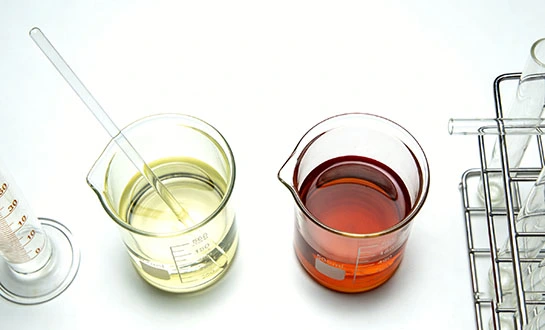
Understanding Pesticide Synergists and Their Functional Role
What Are Pesticide Synergists?
Pesticide synergists are substances that enhance the effectiveness of pesticide active ingredients. Unlike conventional pesticides, synergists typically do not kill pests on their own. Instead, they work by improving the biological performance of existing crop protection compounds.
In many cases, synergists function by inhibiting metabolic pathways that pests use to detoxify pesticides. When these defense mechanisms are suppressed, the active ingredient remains effective for a longer period and at lower application rates.
As a result, synergists help maximize pesticide performance without necessarily increasing the amount of active ingredient applied in the field.
Benefits for Crop Protection Systems
The integration of pesticide synergists into crop protection programs offers several potential advantages, including improved pesticide efficiency, reduced application frequency, lower overall chemical input, better resistance management, and more stable pest control results. These benefits are particularly important in modern agricultural systems where pest resistance and environmental regulations continue to evolve.
Types of Pesticide Synergists: Natural and Synthetic Approaches
Natural Synergistic Compounds
Natural synergists are often derived from plant-based or biological sources. These materials are typically considered environmentally friendly and may face fewer regulatory barriers in some markets.
Plant-derived compounds can enhance pesticide performance by stabilizing active ingredients or improving their penetration into pest tissues. Because of their biological origin, natural synergists are often explored in sustainable and organic farming systems.
However, environmental conditions such as temperature, sunlight exposure, and microbial activity may influence their stability and field performance.
Synthetic Synergistic Solutions
Synthetic pesticide synergists are designed through chemical engineering to target specific pest resistance mechanisms. Their molecular structures allow them to consistently interfere with pest detoxification enzymes, improving pesticide activity under a wide range of environmental conditions.
In large-scale agricultural systems, synthetic synergists are frequently valued for their stability, predictable performance, and compatibility with various pesticide formulations.
Both natural and synthetic synergists play important roles in modern crop protection strategies, and the appropriate choice often depends on crop type, pest pressure, and regulatory considerations.
Mechanisms of Action and Crop Protection Benefits
Enhancing Pesticide Bioavailability
A primary function of pesticide synergists is improving the bioavailability of active ingredients. Certain synergistic compounds can increase pesticide solubility or improve penetration through pest cuticles, allowing the active ingredient to reach its target site more effectively.
By improving absorption and distribution, synergists enable pesticides to perform more efficiently even at lower concentrations.
Inhibiting Pest Detoxification Systems
Many insect pests possess enzyme systems that allow them to metabolize and neutralize pesticides. These detoxification pathways can significantly reduce pesticide effectiveness and accelerate resistance development.
Synergists often work by inhibiting these enzymes. When the detoxification process is slowed or blocked, the active ingredient remains biologically active for longer periods, improving pest control outcomes.
Reducing Crop Stress Through Lower Chemical Input
Another indirect benefit of pesticide synergists is the reduction of crop stress associated with repeated pesticide applications.
Because synergists improve pesticide performance, farmers may be able to achieve effective pest control with fewer treatments or lower active ingredient doses. This can reduce chemical exposure to crops, supporting healthier plant growth while maintaining pest suppression.
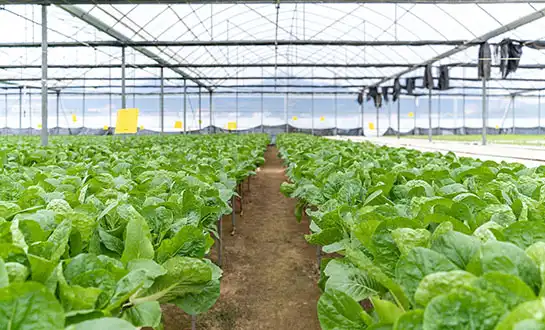
Selecting the Right Pesticide Synergist for Agricultural Applications
Crop Compatibility Considerations
Different crops respond differently to pesticide formulations, making compatibility evaluation an important step when selecting synergistic solutions.
For example:
- Leafy vegetables may require gentle formulations to avoid phytotoxicity.
- Root crops often benefit from synergists that enhance soil persistence.
- Fruit trees and perennial crops may require longer-lasting protection.
Ensuring compatibility between synergists, pesticide active ingredients, and crop physiology is essential for maintaining both crop safety and pest control performance.
Formulation Stability and Tank-Mix Compatibility
Modern agricultural practices often rely on tank-mix applications that combine multiple crop protection products. As a result, formulation stability becomes a critical factor when evaluating pesticide synergists.
High-quality synergist formulations are designed to remain stable under varying temperatures and water conditions. Stable formulations help maintain uniform distribution in spray solutions and ensure consistent field performance.
Economic Evaluation and Return on Investment
From a procurement perspective, evaluating the economic impact of pesticide synergists involves more than just comparing product prices. Key considerations include reductions in pesticide usage, improved pest control efficiency, potential yield improvements, and a lower risk of pest resistance development. Although some synergist products may come with higher initial costs, their enhanced efficiency and reduced application frequency can deliver strong long-term value.
Application Practices and Future Trends in Pesticide Synergists
Optimizing Application Timing and Dosage
Successful implementation of pesticide synergists requires careful attention to application timing, dosage, and environmental conditions.
Early-season applications during vegetative growth stages may provide preventive protection, while applications during reproductive stages are often used to protect crop yield and quality.
Accurate pest monitoring and field scouting can help determine the optimal timing for synergist use, ensuring that treatments are applied when pest populations are most vulnerable.
Safety and Environmental Considerations
Responsible use of pesticide synergists requires adherence to established safety protocols. Proper equipment calibration, protective equipment, and label compliance are essential components of safe pesticide application.
Environmental stewardship practices may include:
- Avoiding spray drift
- Maintaining buffer zones near sensitive ecosystems
- Rotating pest control strategies to slow resistance development
Modern synergist formulations are also increasingly designed to minimize environmental impact while maintaining high performance.
Innovation and Precision Agriculture Integration
The future of pesticide synergists is closely linked to advancements in biotechnology and precision agriculture.
New developments include:
- Bio-based synergistic formulations
- Advanced peptide or enzyme-derived compounds
- Nano-scale delivery technologies
- Precision application systems integrated with digital agriculture platforms
These innovations allow farmers to apply crop protection inputs more precisely, reducing unnecessary chemical use while maintaining effective pest management.
Conclusion
Pesticide synergists represent an important advancement in modern crop protection strategies. By improving the efficiency of pesticide active ingredients, these compounds help farmers achieve more reliable pest control while reducing overall chemical input.
Their benefits include improved pesticide performance, reduced application frequency, and support for resistance management programs. At the same time, synergists contribute to more sustainable agricultural systems by helping balance crop productivity with environmental responsibility.
As agricultural technologies continue to evolve, pesticide synergists are likely to play an increasingly important role in integrated pest management programs, supporting both economic and environmental goals for modern farming.

FAQ
1. What makes pesticide synergists different from regular pesticides?
When combined with active insecticide ingredients, synergistic chemicals make them work better instead of killing pests directly. They work by making it easier for pesticides to be absorbed, stopping resistance mechanisms, and making the chemicals more bioavailable at target sites. This means that lower treatment rates are needed to get the same level of pest control effectiveness.
2. How do synergists reduce crop stress compared to conventional approaches?
Synergists make it possible to use less herbicide by making the active ingredients work better, which lowers the amount of chemicals that crops have to deal with. This method keeps protection levels high while lowering the chance of phytotoxicity. New versions are still gentle enough for sensitive uses like treating seedlings and spraying the leaves without hurting the plants.
3. What factors should I consider when selecting synergists for my crops?
Crop type and growing stage, target bug species, environmental factors, and compatibility with current pesticide programs are some of the things that are used to choose which pesticides to use. Costs of the product, how often it is used, and the expected return on investment through higher output and lower input needs are all economic factors.
Partner with LYS for Advanced Pesticide Synergist Solutions
LYS's new peptide-based formulas blend over 70 years of biotechnology knowledge with cutting-edge production technologies to provide better synergistic performance for agricultural workers. Our special FSDT enzyme hydrolysis method makes small, bioavailable peptides that improve the effectiveness of pesticides while lowering crop stress. These products don't contain chloride and are stable at high temperatures. With a production capacity of 10,000 metric tons per year and consistent quality standards, LYS is a trusted seller of pesticide synergists to makers, distributors, and large-scale farming operations around the world. Get in touch with alice@aminoacidfertilizer.com to talk about business possibilities and find out how our advanced synergistic solutions can help you protect your crops better.
References
1. Smith, J.R., et al. "Mechanisms of Pesticide Synergism in Modern Crop Protection." Journal of Agricultural Chemistry, Vol. 45, 2023.
2. Thompson, M.K. "Economic Analysis of Synergistic Compounds in Integrated Pest Management Systems." Agricultural Economics Review, Vol. 38, 2024.
3. Chen, L., et al. "Biotechnology Applications in Pesticide Synergist Development." International Journal of Agricultural Biotechnology, Vol. 22, 2023.
4. Rodriguez, A.P. "Environmental Impact Assessment of Synergistic Pesticide Formulations." Environmental Agriculture Science, Vol. 31, 2024.
5. Williams, D.T., et al. "Crop Stress Reduction Through Enhanced Pesticide Delivery Systems." Plant Protection Research, Vol. 19, 2023.
6. Johnson, R.E. "Supply Chain Management for Agricultural Input Procurement." Global Agriculture Trade Journal, Vol. 42, 2024.

Tell us your needs — we’ll provide the right solution for your crops and markets.
Innovating Agriculture with Yeast-Derived Amino Acid Peptides