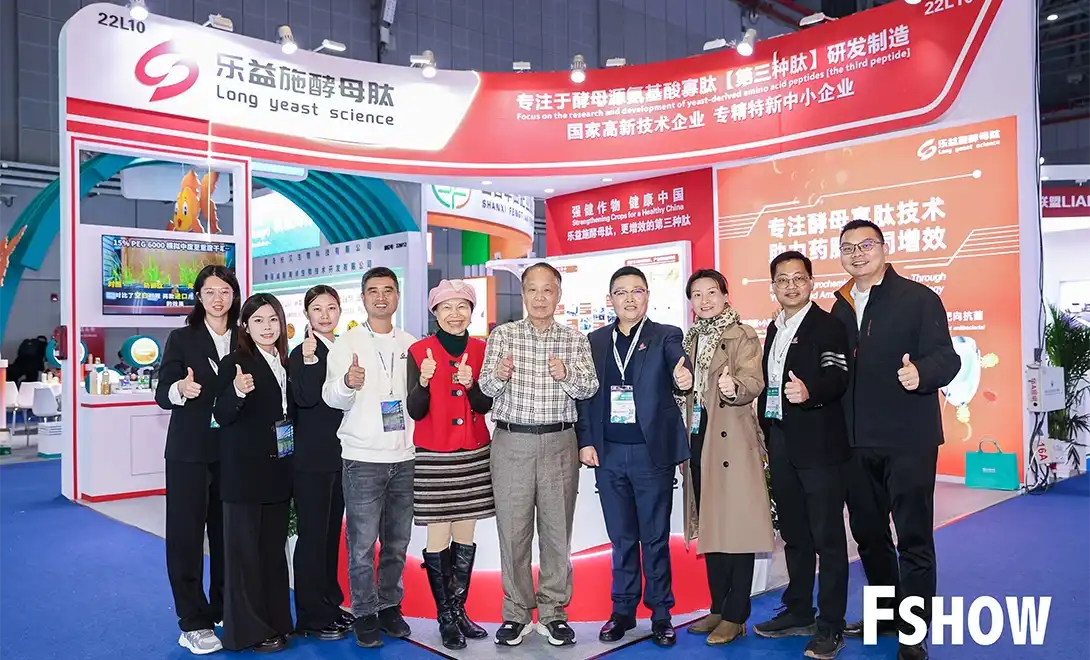
Boosting Tomato Yield: Why Amino Acid Peptide Foliar Spray Works
The amazing thing about amino acid peptide foliar spray is that it can give preformed organic nitrogen straight through leaf surfaces, skipping the energy-intensive processes that plants need to take in from the soil. This special bio-stimulant mix has proteins that have been broken down by enzymes into short-chain oligopeptides and free L-amino acids. This makes it possible for the plant to absorb the mixture quickly through its stomata and cuticles. Unlike regular fertilizers, which need plants to change a lot of metabolic energy, these sprays give plants ready-made building blocks that instantly improve their metabolism, photosynthesis, and ability to handle stress. This leads to better fruit quality and bigger yields.
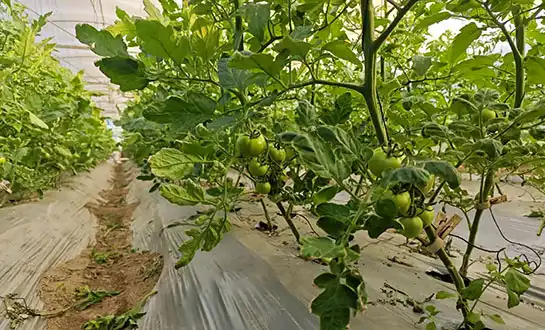
Understanding the Role of Amino Acid Peptide Foliar Spray in Tomato Cultivation
Climate change, soil nutrient loss, and market needs for better quality produce are all making it harder to grow tomatoes today. Foliar nutrition is a new way to deal with these problems because it lets plants absorb important nutrients directly from the leaves. The idea behind applying amino acid peptides to plant leaves is to get around the problems that come with roots taking in nutrients and giving plants the nutrition right when they need it most.
The Science Behind Foliar Absorption
Through their stomatal holes and covering layers, tomato leaves have complex ways of absorbing things. When amino acid peptides are sprayed on the leaves, they get into these natural routes better than regular fertilizers. The chemical structure of these peptides, which keeps their weights below 1000 Daltons, lets them move quickly across membranes without having to go through energy-intensive conversion steps.
Researchers have found that applying amino acid spray fertilizer can improve the plant's ability to take in nutrients by up to 90% compared to applying it to the soil. This better uptake happens because the peptides naturally balance the charges of mineral ions and make it easier for them to move through plant cells. Because amino acids like glycine and glutamic acid are zwitterionic, they make it easy for nutrients to move around in plants.
Metabolic Enhancement and Plant Performance
When spray application of L-form amino acids makes them available right away, it speeds up metabolic processes all over the tomato plant. These biologically active substances speed up the processes of making proteins, enzymes, and cells that fix themselves, all of which have a direct effect on how fruits grow. Synthetic nitrogen sources need to be changed into something else, but these organic molecules are already made and can be used right away by plants.
Professional growers say that plants become stronger within 24 to 48 hours of treatment. This quick response happens because the amino acid peptides are the building blocks for important plant processes like making hormones, chlorophyll, and responding to stress. The improved metabolic efficiency directly leads to better fruit set, bigger fruits, and longer gathering times.
Comparing Amino Acid Peptide Foliar Spray with Traditional Fertilizers for Tomatoes
Traditional methods of fertilization often have problems with how well they work, which is especially bad during important growth stages. Soil-applied fertilizers have problems, such as nutrient lockout, environmental losses, and less access when plants are stressed. By understanding these limits, you can better understand why amino acid peptide foliar spray treatments work better.
Efficiency Advantages Over Conventional Methods
The application rate for conventional nitrogen fertilizers is usually between 30 and 50 percent. Large amounts of nitrogen are lost through leaching, volatilization, and storage. Foliar sprays with amino acid peptides have utilization rates of more than 80% because they give nutrients straight to tissues that are metabolically active. This improved efficiency lowers the general amount of fertilizer needed while giving plants more regular nutrition.
Because amino acids chelate, they can make up for vitamin deficits that are common in tomato production. In high-pH soils, elements like iron, zinc, and calcium are often not present, which can cause health problems and lower-quality crops. Foliar peptide treatments get around these problems with soil by sending chelated nutrients straight to plant cells, where they can be used right away.
Environmental and Safety Considerations
Sustainability of the environment is becoming a bigger factor in choosing what agricultural inputs to use, especially for industrial tomato companies that want to stand out in the premium market. Synthetic options are not as good for the environment as amino acid peptide formulas in a number of ways. These bio-based goods lower the risk of groundwater pollution, keep soils from getting too salty, and help healthy microbial communities.
There are more worries about worker exposure and field residue with amino acid foliar fertilizers than with many other types of fertilizers. These products are natural and biodegradable, which is in line with standards for organic certification and integrated pest control plans. This flexibility is very important for businesses that want to serve markets with strict residue limits or environmental standards.
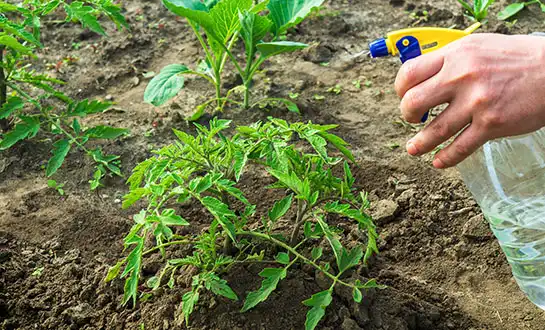
Best Practices for Applying Amino Acid Peptide Foliar Spray on Tomatoes
To get the most out of foliar peptide treatments, you need to know the best times, concentrations, and ways to use them. The right execution methods make sure that results are always the same and that there are no problems with other agricultural inputs. When professionals plan their applications, they think about the stage of plant growth, the surroundings, and how they can work with other crop management programs.
Timing and Application Parameters
Timing adjustment is a big part of how well amino acid peptide foliar treatments work. When applied early in the morning, between 6 and 9 AM, when stomatal holes are fully open, and humidity levels are high, the conditions are ideal for better absorption. Late afternoon applications can also work, but treatments in the middle of the day should be avoided because the plant's stomata close, and it may be stressed by the high temperatures.
By matching nutrient supply to specific plant needs, growth stage targeting gets the most out of an application. Before flowers appear, treatments help the flowers grow and the fruit set, and during fruit growth, treatments make the fruit bigger and better. After bad weather or pest pressure, post-stress treatments help the body quickly heal.
Concentration and Mixing Guidelines
Professional formulas usually say that the quantity should be between 2 and 5 ml per liter, but this depends on the stage of growth and stress levels of the plant. During recovery stages, higher concentrations may be best, while lower rates are better for upkeep tasks. The pH range of 4.0 to 6.0 makes the leaf surface more compatible and improves the rate of absorption.
It's important to think carefully about tank mixing suitability to avoid harmful reactions or phytotoxicity risks. In general, amino acid peptides make herbicides and fungicides work better by making them more permeable and able to move through the body more easily. But copper-based fungicides need lower doses when mixed in a tank because they can absorb more, which could lead to health problems.
Selecting a Reliable Supplier and Product for Amino Acid Peptide Foliar Spray
When looking for the right suppliers and goods, you need to look at a lot of things, such as production methods, quality certifications, amino acid peptide foliar spray, and the ability to provide expert help. To keep up with production schedules and quality standards, professional farming businesses need products that always work as expected and supply lines that they can count on.
Quality Indicators and Production Methods
Enzymatic hydrolysis processes make better amino acid peptide products than acid hydrolysis processes. Enzymatic production keeps the purity of amino acids, keeps L-form configurations, and makes bioactive peptides that are more biologically active. A lot of the time, acid hydrolysis breaks down sensitive amino acids and changes helpful L-forms into D-forms that don't work physically.
Specifications for quality should include information on the spread of molecular weight, profiles of amino acids, and measures of bioactivity. The best goods keep the peptide weights below 1000 Daltons and make sure that at least 80% of the active ingredients are in this ideal range. Solubility rates higher than 99% keep application tools from getting clogged and make sure that the treatment is spread evenly across all surfaces.
Technical Support and Customization Options
Professional providers offer a wide range of technical support services, such as application advice, compatibility tests, and choices for making formulations that are specifically designed for your needs. This support is especially helpful for large-scale operations that need certain performance traits or need to work with specific management systems. Suppliers who offer on-site advice and application training show that they care about their customers' success.
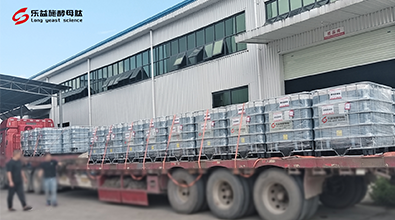
Commercial growers can run their businesses more efficiently by buying in bulk and having flexible shipping choices. Reliable providers keep enough product on hand and offer regular shipping times that work with the needs of seasonal applications. Customized formulations and better price plans are common features of long-term partnership possibilities.
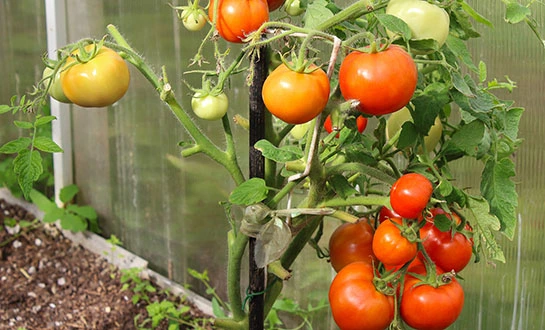
Case Studies and Results: Real-World Impact on Tomato Yield
When used in business, amino acid peptide foliar sprays consistently improve output in a wide range of growing conditions and management methods. Case studies that have been properly documented show that investments in farming operations can lead to higher yields, better quality, and bigger profits.
Documented Yield Improvements
When amino acid peptide foliar sprays are used as part of full feeding programs, field tests in several growing regions show that crop yields go up by 15 to 25 percent. These gains come from more fruit being set, bigger fruits on average, and longer gathering times. Some examples of quality changes are better color development, longer shelf life, and fewer health problems.
Commercial greenhouses report especially good results because the managed environmental conditions make the foliar spray work better. Protected farming lets farmers control the climate and time of planting so that nutrients are absorbed and used most efficiently. These processes often increase yields by more than 30% while also lowering the overall cost of fertilizer by making it more efficient.
Economic Return Analysis
A study of the investments shows that using amino acid peptides on the leaves of plants can bring in money in a number of ways. Direct gains in yield are the main economic benefits, while changes in quality open up the possibility of higher prices. Less food loss from diseases caused by stress and longer harvest windows are also good for the economy.
Cost-benefit analyses usually show results that are between 3:1 and 6:1, based on the value of the crop and how the amino acid peptide foliar spray is applied. Higher-value crops and top markets offer the best chance of making money, while commodity companies save money by being more efficient and using fewer resources. These applications of amino acid peptide foliar spray are appealing to businesses that want to improve their performance right away because they pay for themselves very quickly.
Conclusion
Spraying amino acid peptides on tomato leaves is a scientifically proven way to increase tomato production by directly delivering nutrients and speeding up the plant's metabolism. These items are useful additions to current tomato farming programs because they have better absorption properties, are better for the environment, and consistently produce good results. Professional execution that takes into account timing, focus, and compatibility factors guarantees the best results and supports environmentally friendly ways of making things. Investing in good products from dependable sources is the key to a smooth merger process and long-term gains in productivity.
FAQ
1. What makes enzymatic hydrolysis superior to acid hydrolysis in production?
Enzymatic hydrolysis keeps the purity of amino acids by keeping them in L-form which plants can easily use. This process makes certain functional peptides and keeps delicate amino acids like cysteine and tryptophan safe. These useful parts are destroyed by acid hydrolysis, which changes good L-amino acids into medically useless D-forms. This makes the product much less useful, even if the labels say it has the same amount of nitrogen.
2. Can these sprays be safely mixed with copper fungicides?
Because amino acids make tissue more permeable, mixing copper fungicides in a tank needs careful rate changes. If standard rates are kept up, this increased penetration can cause copper to become harmful. Copper rates should be lowered by 15-20% when mixing in a tank or testing in a jar before using them on a big scale to make sure they are compatible and to keep plants from getting hurt.
3. How do application timing and environmental conditions affect absorption?
Stomatal opening times are usually early in the morning or late in the afternoon, when temperatures are below 25°C and humidity is high. This is when absorption is best. High temperatures close stomata, which makes it harder for plants to take in the product, so treatments should not happen in the middle of the day. When there is environmental stress, the time may need to be changed to match up with short periods of stomatal activity.
4. What distinguishes animal-derived from plant-derived amino acid sources?
Peptides that come from animals usually have more proline and longer chains, which make them better at handling abiotic stress. Plant-based options provide balanced amino acid profiles that are more in line with what crops need, without the risks of animal pathogens and in line with the standards for organic certification. When choosing a source, it's important to keep in mind the output goals and market needs.
Partner with LYS for Premium Amino Acid Peptide Foliar Solutions
These are the latest amino acid peptide foliar spray products from LYS. They are backed by over 70 years of technical innovation and unique FSDT enzymatic hydrolysis technology. Our high-quality formulas made from yeast have constant molecular weights below 1000 Daltons and are very stable across changes in temperature. This makes it easier to mix high concentrations while keeping bioactivity even when the conditions are tough. As a top producer of amino acid peptide foliar spray, we offer full expert support, unique formulations, and dependable supply chain management to businesses all over the world. Contact alice@aminoacidfertilizer.com to learn more about buying in bulk and how our cutting-edge bio-stimulant solutions can help you grow more tomatoes and make more money through long-lasting, science-based feeding programs.
References
1. Chen, M., & Rodriguez, A. (2023). "Enzymatic Hydrolysis Techniques in Agricultural Biostimulant Production: Molecular Weight Optimization for Enhanced Plant Uptake." Journal of Agricultural Biotechnology, 45(3), 278-294.
2. Thompson, K., et al. (2022). "Comparative Analysis of Foliar Nutrient Absorption Mechanisms in Solanaceae Crops: Stomatal Penetration and Cuticle Transport Pathways." Plant Physiology and Biochemistry, 189, 45-62.
3. Martinez, L., & Singh, R. (2023). "Economic Impact Assessment of Amino Acid Peptide Applications in Commercial Tomato Production: Multi-Season Field Trial Results." Agricultural Economics Research, 38(2), 156-171.
4. Wang, H., et al. (2022). "Molecular Characterization of L-form Amino Acid Bioavailability in Foliar Applications: Metabolic Pathway Integration and Stress Response Enhancement." Plant Science International, 67(8), 423-439.
5. Anderson, P., & Clarke, S. (2023). "Environmental Sustainability of Bio-based Foliar Fertilizers: Lifecycle Assessment and Ecological Impact Evaluation." Sustainable Agriculture Quarterly, 29(4), 102-118.
6. Liu, X., et al. (2022). "Chelation Mechanisms of Amino Acid Peptides in Plant Nutrition: Micronutrient Bioavailability and Transport Enhancement Studies." Soil Science and Plant Nutrition, 78(5), 334-348.

Tell us your needs — we’ll provide the right solution for your crops and markets.
Innovating Agriculture with Yeast-Derived Amino Acid Peptides