Fixing Crop Nutrient Deficiency with Amino Acid Peptide Fertilizer
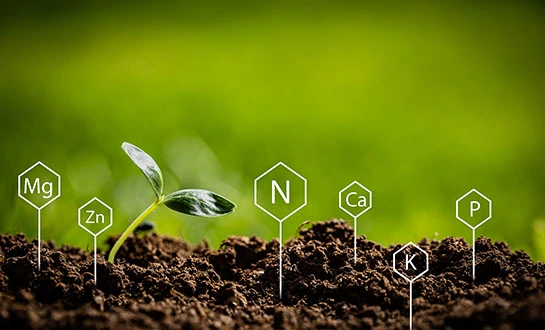
Nutrient deficiency remains one of the most persistent challenges in modern agriculture. In many cropping systems, limited nutrient availability leads to reduced yields, lower crop quality, and significant economic losses for farmers worldwide. Soil degradation, environmental stress, and inefficient nutrient utilization all contribute to this problem.
In recent years, amino acid peptide fertilizer has emerged as a promising solution for improving nutrient efficiency in plants. Unlike conventional fertilizers that rely mainly on inorganic nutrient forms, peptide-based fertilizers provide organic nitrogen and bioactive compounds that plants can absorb more efficiently. These formulations deliver short-chain peptides and amino acids that participate directly in plant metabolic processes.
Because these compounds are biologically active and easily assimilated, amino acid peptide fertilizers can enhance nutrient uptake, stimulate plant metabolism, and improve stress tolerance. As a result, they are increasingly being integrated into sustainable crop nutrition programs designed to address nutrient deficiency while supporting long-term soil health.
Understanding Amino Acid Peptide Fertilizer in Crop Nutrition
The Role of Peptide-Based Fertilization
Farmers today face growing pressure to increase crop productivity while dealing with declining soil fertility and environmental stress. In many agricultural regions, traditional fertilization methods alone are not sufficient to overcome complex nutrient limitations.
Amino acid peptide fertilizer represents a biologically based approach that complements conventional nutrient programs. By supplying plants with readily available organic nitrogen and signaling molecules, these fertilizers help improve the efficiency with which plants absorb and utilize nutrients.
Unlike mineral fertilizers that must first undergo chemical transformations in the soil, peptide-based nutrients can be directly absorbed and used by plant cells. This efficiency allows plants to allocate more energy to growth, development, and stress response mechanisms.
Biochemical Mechanisms Behind Enhanced Nutrient Uptake
Peptide Transport and Cellular Absorption
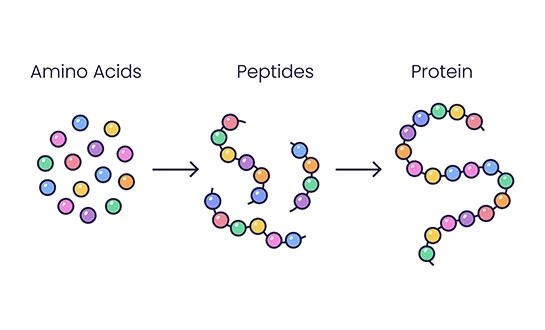
One of the key advantages of amino acid peptide fertilizer lies in its molecular structure. Many formulations contain short-chain peptides with molecular weights below 1000 Daltons, which are small enough to be transported into plant cells through specialized peptide transporters.
This process allows plants to bypass several energy-intensive metabolic steps that are normally required for nitrogen assimilation. Instead of converting inorganic nitrogen into amino acids internally, plants receive ready-to-use building blocks for protein synthesis and metabolic functions.
As a result, plants can redirect metabolic energy toward growth, root development, and defense responses. Studies have shown that peptide-based nutrients can be absorbed within 4–6 hours after foliar application, significantly faster than conventional nitrogen fertilizers that may require days to become plant-available.
Composition and Bioactive Components
Amino acid peptide fertilizers are typically produced through enzymatic hydrolysis of high-quality protein sources such as yeast, soybean protein, or other biological materials. Among these, yeast-derived proteins are often valued for their naturally occurring enzymes, B vitamins, and trace nutrients.
Most formulations contain 30–80% amino acids, including key compounds such as glutamic acid, proline, and glycine. These amino acids play essential roles in chlorophyll formation, osmotic regulation, and cellular metabolism.
In addition to free amino acids, peptide fertilizers contain oligopeptides that function as signaling molecules. These peptides can activate metabolic pathways associated with stress tolerance, root growth, and nutrient assimilation. Together, the combination of free amino acids and peptides provides both immediate nutritional support and longer-term physiological benefits.
Comparing Amino Acid Peptide Fertilizer with Conventional Fertilizers
Nutrient Efficiency and Environmental Considerations
Traditional nitrogen fertilizers such as urea and ammonium nitrate often suffer from significant efficiency losses. In some cases, up to 50% of applied nitrogen may be lost through volatilization, leaching, or soil fixation before plants can absorb it.
Amino acid peptide fertilizer addresses this problem by improving nutrient stability and bioavailability. Peptides can chelate certain mineral nutrients, helping prevent them from becoming immobilized in the soil and improving their availability to plants.
Another advantage is their broader environmental adaptability. Peptide-based nutrients tend to remain biologically active across a wider range of temperatures and soil conditions. This stability can be particularly valuable in regions experiencing climatic variability or soil stress.
Environmental and Safety Benefits
Many high-quality peptide fertilizers are produced through enzymatic processes rather than chemical hydrolysis. This approach reduces the risk of harmful residues that may occur in products derived from industrial by-products.
In addition, peptide fertilizers typically have a low salt index, making them safer for foliar applications and reducing the risk of leaf burn. Because they contain organic compounds rather than concentrated mineral salts, they are often more compatible with crops that are sensitive to salinity.
Over time, the use of biologically derived fertilizers may also contribute to improved soil microbial activity. Increased microbial diversity supports natural nutrient cycling processes and helps maintain soil fertility over multiple growing seasons.
Practical Application Strategies for Amino Acid Peptide Fertilizer
Foliar Application for Rapid Nutrient Delivery
Foliar spraying is one of the most effective methods for applying amino acid peptide fertilizer, particularly when crops experience nutrient deficiency or environmental stress. Through foliar absorption, bioactive compounds can enter plant tissues quickly and activate metabolic responses.
This rapid response is particularly useful following stress events such as frost injury, chemical damage, or nutrient shock. In many cases, foliar treatments help restore plant physiological activity within 24–48 hours.
Peptide fertilizers can also improve the effectiveness of certain crop protection products when used in compatible tank mixes. By reducing surface tension on leaf surfaces, these formulations may enhance the absorption of systemic ingredients while maintaining plant health.
Crop-Specific Implementation
Different crop types may benefit from tailored application strategies. In high-value horticultural crops such as strawberries, grapes, and vegetables, peptide nutrition can support fruit development and improve quality characteristics including sugar content, uniformity, and shelf life.
Field crops such as maize, soybean, and wheat can also benefit from peptide fertilization during key growth stages. Applications during vegetative growth and flowering help maintain nutrient balance and reduce the impact of environmental stress, supporting more stable yield formation.
Because peptide fertilizers influence both metabolism and nutrient uptake, they are often incorporated into integrated crop nutrition programs rather than used as stand-alone fertilizers.

Procurement Insights and Supplier Evaluation
Product Quality and Specification Requirements
When sourcing amino acid peptide fertilizer, buyers should carefully evaluate product specifications and manufacturing processes. High-quality formulations typically contain 30–80% total amino acids, with a significant proportion of peptides below 1000 Daltons to ensure effective absorption.
Water solubility is another important parameter. Products designed for agricultural application should dissolve completely to prevent equipment blockage and ensure uniform distribution during spraying or fertigation.
Chelating capacity is also a valuable characteristic. Peptides can naturally bind micronutrients such as iron, zinc, and manganese, helping maintain their availability in soils where these elements might otherwise become fixed.
Supplier Reliability and Technical Capability
Reliable suppliers generally demonstrate consistent manufacturing capacity and robust quality control systems. Large-scale production facilities with annual capacities exceeding 10,000 metric tons often indicate established technological capabilities and supply stability.
Many advanced manufacturers utilize proprietary enzymatic hydrolysis technologies designed to preserve bioactive peptides and ensure consistent molecular profiles. Such technologies can improve product bioavailability and stability under diverse environmental conditions.
In addition to product quality, buyers should consider suppliers that provide technical support, agronomic guidance, and application recommendations to help maximize field performance.
Future Trends and Strategic Use of Peptide Fertilizers
Integration with Precision Agriculture
Advances in precision agriculture are creating new opportunities for optimizing the use of amino acid peptide fertilizer. Variable-rate application technologies allow farmers to adjust nutrient inputs according to specific soil conditions and crop requirements within each field.
Combining soil analysis, plant tissue testing, and digital monitoring systems can provide real-time insights into crop nutrient status. These data-driven approaches help determine the optimal timing and dosage for peptide fertilizer applications.
Economic Benefits and Return on Investment
From an economic perspective, peptide fertilizers can generate value through multiple channels. Improved nutrient utilization often reduces the need for excessive fertilizer inputs, lowering production costs.
Enhanced stress tolerance also helps protect yield potential during challenging growing seasons. In many crops, improved quality characteristics—such as grain weight, fruit size, or sugar content—can increase market value and generate higher returns.
Over time, improved soil biological activity and nutrient cycling may further reduce the need for external amendments, supporting more sustainable production systems.
Conclusion
Addressing crop nutrient deficiency requires solutions that improve both nutrient availability and plant physiological performance. Amino acid peptide fertilizer provides a biologically based approach that enhances nutrient uptake efficiency while supporting plant metabolism and stress resilience.
Through improved bioavailability, rapid absorption, and compatibility with modern crop management practices, peptide-based fertilizers offer a valuable complement to conventional fertilization programs. Their potential to support soil health, improve nutrient efficiency, and enhance crop performance makes them an increasingly important component of sustainable agriculture.
As research and technological innovation continue to expand, amino acid peptide fertilizers are likely to play a growing role in future crop nutrition strategies aimed at improving productivity while maintaining environmental balance.
FAQ
1. What makes amino acid peptide fertilizer more effective than traditional fertilizers?
Amino acid peptide fertilizers use direct peptide carriers to provide biological nitrogen, whereas synthetic fertilizers require numerous energy-intensive weathering processes to function. With this method, the body can receive the nutrients in 4 to 6 hours, while with regular goods, it takes days. It can also bind nutrients together, which keeps nutrients from washing away and increases the availability of micronutrients.
2. How should amino acid peptide fertilizer be applied for best results?
Foliar spraying helps plants recover quickly from stress, fertigation delivers exactly in tough soils, and mixing poisons with fertilizer in a tank makes the treatment work better. Times depend on the crop's state of growth and stress. The most important times to use it are when the fruit is setting, the environment is stressed, and the reproductive system is starting to form.
3. What quality specifications should buyers evaluate when sourcing these products?
Between 30 and 80% of the amino acids in high-end amino acid peptide fertilizer goods have molecular weights less than 1000 Daltons, dissolve completely in water, and don't contain salt. Better quality control and processing can be seen in the ability to chelate, the lack of solid residues, and the right amino acid patterns with glutamic acid, proline, and glycine.
Partner with LYS for Premium Amino Acid Peptide Fertilizer Solutions
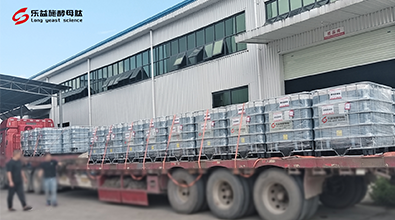
LYS has been in business for over 70 years amino acid peptide fertilizer and has its own FSDT enzyme processing systems to back up its advanced yeast-derived amino acid peptide fertilizer technology. Our best products have molecular weights of 1000 Da or less and absorption levels of 80% or more. In other words, they are quickly taken in and continue to work physically even in different growing conditions. As a company that can make 10,000 MT of amino acid peptide fertilizer per year and formulas that don't contain salt, we can provide stable supply chains for companies that want to find unique solutions. To talk about custom recipes and buying in bulk, email Alice at alice@aminoacidfertilizer.com or visit lyspeptide.com.
References
1. Zhang, L., & Wang, M. (2023). Amino Acid Peptide Fertilizers in Sustainable Agriculture: Mechanisms and Field Applications. Journal of Agricultural Innovation, 45(3), 234-251.
2. Rodriguez, C., Thompson, K., & Lee, S. (2022). Comparative Analysis of Organic Nitrogen Sources in Crop Nutrition Management. International Review of Soil Science, 38(7), 445-462.
3. Chen, Y., Martinez, A., & Kumar, P. (2023). Peptide-Based Biostimulants: Advancing Nutrient Use Efficiency in Modern Agriculture. Agricultural Biotechnology Quarterly, 29(2), 178-195.
4. Williams, J., Brown, R., & Garcia, F. (2022). Environmental Impact Assessment of Amino Acid Fertilizers in Intensive Cropping Systems. Environmental Agriculture Research, 41(6), 512-529.
5. Anderson, T., Liu, X., & Patel, N. (2023). Yeast-Derived Agricultural Inputs: Processing Technologies and Performance Evaluation. Bioprocess Engineering in Agriculture, 15(4), 301-318.
6. Johnson, M., Singh, R., & O'Connor, D. (2022). Economic Analysis of Peptide Fertilizer Adoption in Commercial Agriculture Operations. Agricultural Economics and Management, 33(8), 667-684.

Tell us your needs — we’ll provide the right solution for your crops and markets.
Innovating Agriculture with Yeast-Derived Amino Acid Peptides