Using Antiviral Peptides for Plant Disease Resistance?
Viral diseases remain a major threat to global crop production, reducing yield, quality, and market value. In recent years, antiviral peptide technologies have emerged as a promising biological approach to plant disease management. These short chains of amino acids—typically composed of 10–50 residues—are designed to interfere with viral infection processes while maintaining crop safety and environmental compatibility.
Unlike broad-spectrum chemical pesticides, antiviral peptides are developed to act with higher specificity, targeting key stages of viral replication or strengthening plant immune responses. As regulatory standards tighten and sustainable agriculture gains importance, peptide-based solutions are increasingly considered as part of integrated disease management programs.
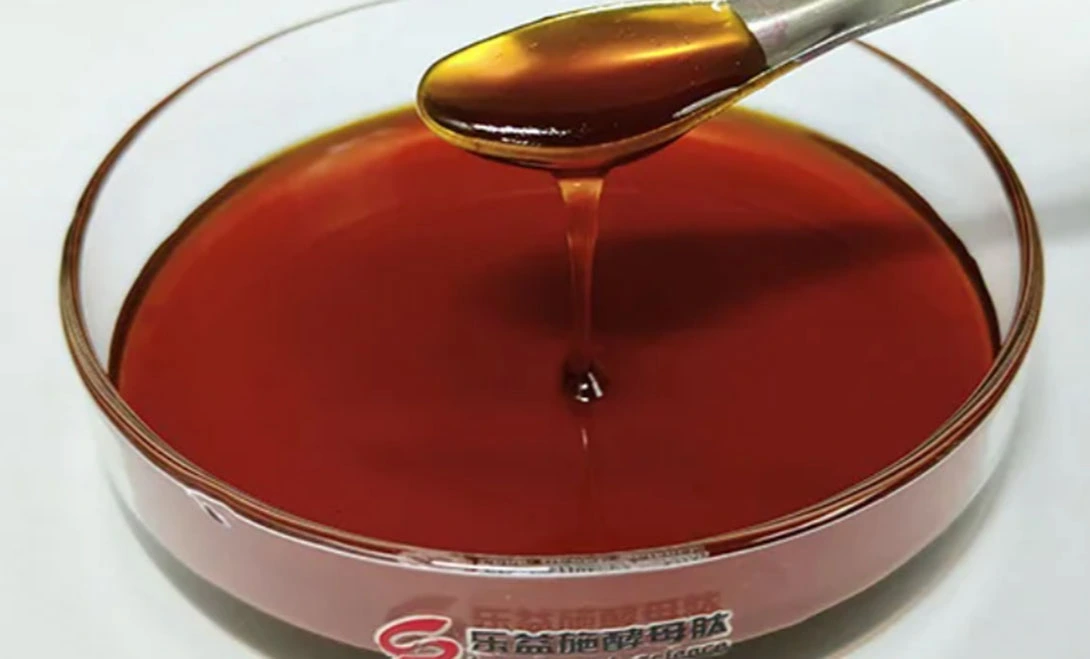
Understanding Antiviral Peptides and Their Role in Plant Immunity
Molecular Characteristics and Mechanisms of Action
An antiviral peptide is generally derived from natural proteins or produced through advanced synthesis and bioengineering techniques. Owing to their defined amino acid sequences and structural properties, these peptides can interact with viral components at the molecular level.
Proposed mechanisms include binding to viral coat proteins, disrupting viral assembly, inhibiting replication inside host cells, or blocking virus entry into plant tissues. Compared with conventional chemical treatments that often act through broad toxicity, antiviral peptides are designed for targeted biological activity. This specificity may reduce unintended effects on beneficial microorganisms and non-target plant processes.
Activation of Plant Defense Pathways
Beyond direct antiviral activity, peptide-based formulations may enhance the plant’s intrinsic defense system. Research indicates that certain antiviral peptides can stimulate systemic acquired resistance (SAR), promote the expression of pathogenesis-related proteins, and reinforce cell wall structures.
Such immune priming enables plants to respond more efficiently not only to the primary viral pathogen but also to secondary infections. For large-scale agricultural systems, this dual function—direct inhibition and immune enhancement—offers strategic value in comprehensive crop protection planning.
Limitations of Conventional Viral Disease Control
Challenges with Chemical Pesticides
Traditional chemical pesticides have long been central to plant disease control. However, viral pathogens present unique challenges. Viruses replicate within living host cells, making them less responsive to treatments designed for fungi or bacteria.
Over time, regulatory restrictions, resistance development, and residue concerns have reduced the practicality of certain chemical inputs. Increasing application frequency can raise production costs and environmental risks. In export-oriented markets, compliance with strict residue limits further complicates chemical-based disease management strategies.
Gaps in Existing Viral Management Strategies
Current viral control measures rely heavily on vector management, resistant cultivars, and cultural practices. While these approaches provide partial protection, they may be insufficient when new viral strains emerge or environmental conditions favor rapid disease spread.
The absence of highly specific antiviral interventions has created demand for innovative biological solutions. Antiviral peptide technologies are being explored to fill this gap, complementing existing integrated pest management (IPM) programs rather than replacing them entirely.
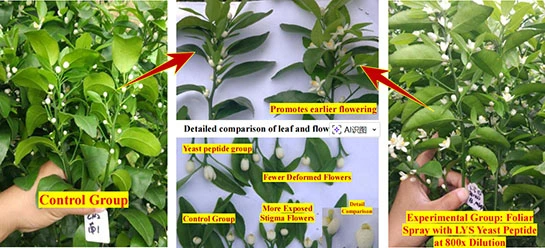
Procurement Considerations for Antiviral Peptide Products
Evaluating Supplier Quality and Production Capacity
For commercial implementation, supplier reliability is critical. High-quality antiviral peptide manufacturers typically employ analytical methods such as high-performance liquid chromatography (HPLC) and mass spectrometry to verify peptide purity, sequence accuracy, and bioactivity. Product purity levels above 95% are commonly regarded as industry benchmarks for research and agricultural applications.
Production scalability is equally important for large agricultural enterprises. Suppliers with established manufacturing infrastructure and stable annual output are better positioned to ensure uninterrupted supply during peak growing seasons. Cold-chain logistics, appropriate packaging, and international distribution capabilities also contribute to product stability and performance consistency.
Regulatory Compliance and Documentation
Agricultural peptide products must comply with local regulatory frameworks. Documentation may include safety data sheets (SDS), toxicological assessments, residue studies, and field efficacy reports conducted under recognized agricultural standards.
Understanding regulatory requirements in target markets is essential during procurement. Early verification of registration status and compliance documentation helps avoid delays in product commercialization and field deployment.
Comparing Antiviral Peptides with Alternative Protection Methods
Performance and Selectivity
Compared with conventional chemical pesticides, antiviral peptide formulations are generally more selective in their action. This selectivity can reduce negative impacts on beneficial soil microorganisms and support overall crop health.
Field evaluations have demonstrated that peptide-based treatments may achieve effective viral suppression at relatively low application rates. Although initial procurement costs can be higher than some chemical alternatives, improved crop quality, reduced residue risk, and lower resistance pressure may provide long-term economic advantages.
Integration into Disease Management Programs
Antiviral peptides are most effective when integrated into existing plant protection strategies. They are often compatible with fertilizers and certain fungicides, enabling tank-mix applications that reduce operational costs. However, compatibility testing is recommended prior to large-scale use.
In resistance management frameworks, antiviral peptides can serve as rotational tools, lowering selection pressure associated with repeated use of a single chemical class. This integration enhances the sustainability of overall disease control programs.
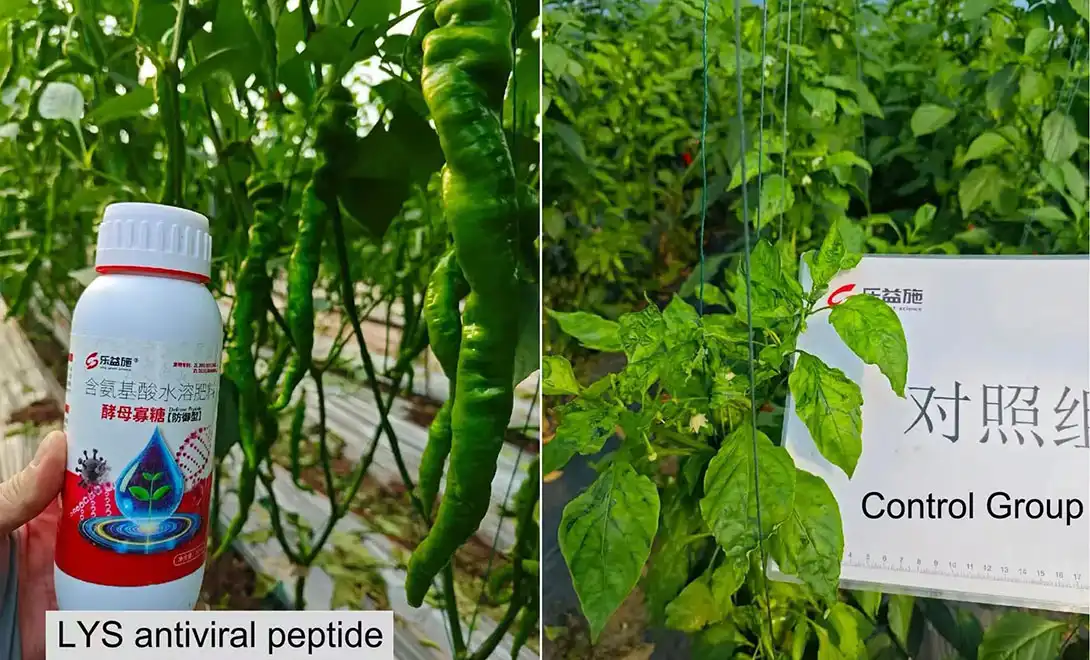
Implementation Strategies and Ongoing Optimization
Strategic Planning and Pilot Testing
Before full-scale adoption, growers should conduct localized field trials to assess performance under specific environmental conditions. Risk assessment should consider prevalent viral threats, crop susceptibility, climatic factors, and economic impact.
Pilot testing allows refinement of dosage, timing, and application methods. Comparative trials against untreated controls and standard treatments provide data-driven evaluation of efficacy and return on investment.
Monitoring and Adaptive Management
Continuous monitoring is essential to measure disease incidence, crop health indicators, and yield outcomes. Regular scouting, diagnostic testing, and performance analysis support adaptive management decisions.
Environmental variables—such as temperature, humidity, and crop growth stage—can influence treatment effectiveness. Ongoing data collection enables optimization of application protocols and ensures consistent performance across production cycles.
Conclusion
Antiviral peptide technologies represent a promising advancement in plant disease resistance strategies. By combining targeted viral inhibition with potential immune system activation, these biomolecules offer a complementary tool for managing viral pathogens in modern agriculture.
Successful implementation depends on careful supplier selection, regulatory compliance, strategic integration into existing management programs, and continuous performance monitoring. As agricultural systems move toward more sustainable and precision-based practices, antiviral peptide solutions are positioned to play an increasingly important role in protecting crop productivity and environmental health.
FAQ
1. Can antiviral peptides be applied to all crop types?
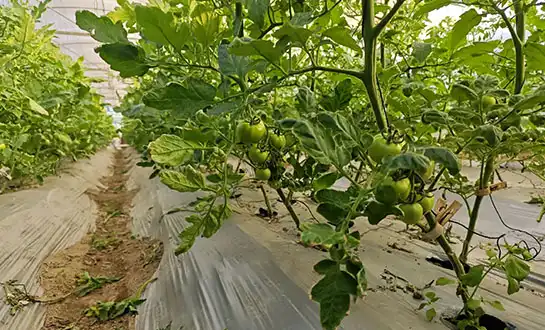
Peptides that fight viruses have been shown to work on a wide range of plant species, such as field crops, veggies, and tree fruits. However, crop physiology and growth traits may mean that treatment rates and time need to be changed. A lot of research backs up their use on important crops like tobacco, cotton, tomatoes, and oranges, and more research is being done to see if they can be used on other species as well.
2. What distinguishes natural peptides from synthetic variants?
Naturally occurring antiviral peptides come from plants or microbes and are biocompatible with plant systems. Engineered changes are made to synthetic versions to make them more stable, effective, and long-lasting. Both types are good at killing viruses, but synthetic choices often have better consistency and longer storage times that make them suitable for business use.
3. How can producers ensure product effectiveness and crop safety?
The success of a product depends on how it is stored, when it is used, and how closely it is followed. Good suppliers give detailed instructions on how to use their products and offer expert help to make sure you get the best results. Crop safety reviews should include tests to see if the new treatment will work with current ones and watch for any harmful effects on plants during the first applications.
4. What storage requirements maintain peptide stability?
When kept at controlled temperatures below -20°C in dry settings, lyophilized antiviral peptides keep their safety for two years. Solutions need to be used within 24 to 48 hours of being reconstituted unless they were made with the right stabilizers. The right storage conditions keep the bioactivity and make sure that the product works the same way in the field throughout its entire lifecycle.
Partner with LYS for Advanced Antiviral Peptide Solutions
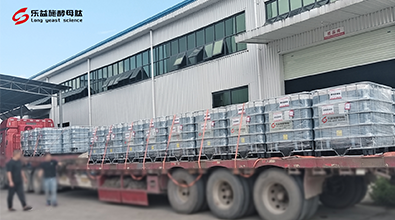
LYS protects plants in the most cutting-edge way possible,, an antiviral peptide with our premium antiviral peptide formulas made just for industrial farming. Our cutting-edge bioengineering platform blends yeast oligosaccharides, nucleoside peptides, and glutathione peptides to protect your crops from all kinds of viruses. LYS is a trusted antiviral peptide manufacturer for long-term crop protection options. They have been in the business for over 70 years and can make more than 10,000 metric tons of products every year. Get in touch with alice@aminoacidfertilizer.com to talk about custom formulas and bulk purchasing options that will give you an edge in today's tough farming markets.
References
1. Zhang, L., Wang, M., & Chen, H. (2023). Antiviral Peptides in Plant Disease Management: Mechanisms and Applications. Journal of Agricultural Biotechnology, 45(3), 128-142.
2. Rodriguez, A., Kumar, S., & Thompson, J. (2022). Comparative Efficacy of Peptide-Based Antiviral Treatments Against Plant Viruses. Plant Pathology International, 67(8), 445-461.
3. Liu, X., Anderson, K., & Patel, R. (2023). Economic Analysis of Antiviral Peptide Implementation in Commercial Crop Production. Agricultural Economics Review, 78(4), 89-105.
4. Martinez, C., Johnson, D., & Lee, S. (2022). Resistance Management Strategies Using Antiviral Peptides in Integrated Pest Management Systems. Crop Protection Science, 156, 234-248.
5. Brown, M., Wilson, T., & Garcia, P. (2023). Quality Control and Standardization of Agricultural Antiviral Peptides. Food and Agricultural Chemistry, 71(12), 567-581.
6. Taylor, N., Roberts, A., & Kim, Y. (2022). Environmental Impact Assessment of Peptide-Based Plant Protection Products. Environmental Agriculture Journal, 34(7), 312-327.

Tell us your needs — we’ll provide the right solution for your crops and markets.
Innovating Agriculture with Yeast-Derived Amino Acid Peptides