Organic Rooting Biostimulants for Deeper and Stronger Root Systems
The use of rooting biostimulants represents an important shift toward biologically based solutions for improving root development in modern agriculture. Unlike conventional synthetic growth regulators, organic rooting biostimulants rely on naturally derived compounds—such as amino acids, peptides, plant extracts, and beneficial microorganisms—to stimulate plant physiological processes.
These formulations are designed to enhance root growth through environmentally responsible mechanisms, making them suitable for field crops, horticulture, nurseries, and specialty crop production across diverse growing conditions. As sustainability and efficiency become central to agricultural management, rooting biostimulants are increasingly integrated into professional crop programs.
Understanding Organic Rooting Biostimulants and Their Biological Functions
Natural Components and Mechanisms of Action
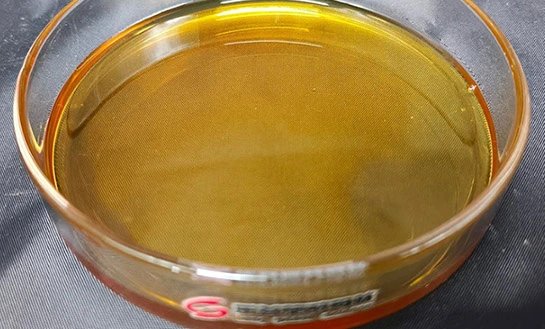
Organic rooting biostimulants typically contain bioactive substances derived from plant or microbial sources, including amino acids, low–molecular weight peptides, seaweed extracts, humic substances, and fermentation products. These components function by stimulating endogenous plant pathways rather than directly supplying nutrients.
Peptides with molecular weights below 1000 Daltons are particularly valued for their high bioavailability and rapid absorption. Once absorbed, they may enhance cell division in root meristems, promote lateral root initiation, and improve nutrient uptake efficiency. Some yeast-derived protein hydrolysates, containing high levels of soluble organic nitrogen, contribute to early root establishment and metabolic activity.
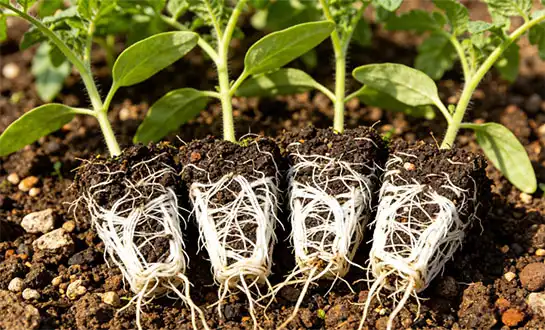
Controlled field trials have reported measurable increases in root biomass—often ranging between 20% and 40% compared with untreated controls—depending on crop type and environmental conditions. Improved root architecture supports better anchorage, nutrient acquisition, and stress tolerance.
Commercial Applications and Agronomic Benefits
In commercial agriculture, rooting biostimulants are commonly applied during seedling establishment, transplanting, and early vegetative growth. Nurseries and greenhouse operations frequently use them to enhance rooting in cuttings and reduce transplant shock.
Stronger root systems are associated with improved drought resilience, enhanced nutrient-use efficiency, and greater resistance to soil-borne stress factors. Many high-quality formulations are designed for thermal stability and tank-mix compatibility, allowing integration into existing fertilization and crop protection programs. Their compatibility with sustainable and organic farming systems further expands their practical application.
Comparing Organic and Synthetic Rooting Biostimulants
Environmental and Regulatory Considerations
Organic rooting biostimulants offer advantages in sustainability and regulatory acceptance. Because they are derived from natural sources and typically biodegradable, they have lower risks of soil accumulation or environmental persistence compared to certain synthetic inputs.
They may also support soil microbial diversity, contributing to long-term soil health. For producers targeting organic certification or environmentally conscious markets, organic formulations align more closely with regulatory and consumer expectations.
Performance and Supplier Evaluation
For B2B buyers, product consistency and supplier reliability are critical. Reputable manufacturers invest in controlled enzymatic hydrolysis or fermentation technologies to ensure consistent peptide profiles and bioactivity. Production capacity, traceability of raw materials, and third-party quality testing are important indicators of supplier credibility.
Advanced manufacturing methods—such as directed enzymatic hydrolysis—allow better control of molecular weight distribution, ensuring stable performance across batches. Suppliers that provide technical documentation, field trial data, and application guidance contribute to more predictable agronomic outcomes.
Application Strategies for Optimal Root Development
Methods and Timing
Rooting biostimulants can be applied through soil drench, fertigation, seed treatment, or foliar spray, depending on crop type and production system. Soil-based applications directly target root zones, while foliar applications may provide rapid systemic signaling effects.
Timing is essential. Applications are most effective during early developmental stages, transplanting, or periods of anticipated stress. Environmental conditions—including soil moisture, temperature, and pH—can influence absorption efficiency and should be considered in scheduling treatments.
Dosage and Safety
Optimal dosage varies according to formulation, crop species, and environmental conditions. Due to their high bioactivity, organic rooting biostimulants are often effective at relatively low application rates. Excess application does not necessarily enhance performance and may reduce cost efficiency.
From a safety perspective, most organic formulations present low toxicity risks when handled according to label instructions. Proper storage conditions—protected from excessive heat, light, or contamination—help maintain product stability and efficacy.
Procurement Considerations and Industry Trends
Strategic Supplier Partnerships
Long-term procurement strategies should prioritize suppliers with demonstrated technical expertise, stable production capacity, and transparent quality assurance systems. Manufacturers with decades of research experience often possess proprietary technologies that enhance formulation consistency.
Indicators such as annual production capacity, export experience, and compliance with international standards provide additional assurance for large-scale buyers. OEM and ODM services may also support customized branding or crop-specific solutions.
Innovation and Market Development
Technological innovation continues to drive the development of more efficient rooting biostimulants. Advances in peptide refinement, microbial fermentation, and controlled-release delivery systems are improving stability and bioactivity. Integration with precision agriculture tools allows more targeted application based on crop growth stages and soil conditions.
Market demand for sustainable agricultural inputs is expanding globally, supported by regulatory frameworks that increasingly recognize biostimulants as distinct product categories. As awareness of soil health and resource efficiency grows, organic rooting biostimulants are expected to play a larger role in integrated crop management systems.
Conclusion
Organic rooting biostimulants provide a scientifically grounded approach to enhancing root architecture and overall crop performance. By stimulating natural physiological processes, they contribute to improved nutrient uptake, stress resilience, and long-term soil health.
For agricultural enterprises, successful implementation depends on selecting reliable suppliers, applying products at appropriate growth stages, and integrating them into comprehensive crop management strategies. As agricultural systems continue to evolve toward sustainability and efficiency, rooting biostimulants are positioned as a valuable component of modern production practices.
FAQ
1. What distinguishes organic rooting biostimulants from synthetic growth hormones?
Organic rooting biostimulants use substances that come from nature, like amino acids, peptides, and plant products, to speed up the growth of roots through biological processes. Synthetic growth hormones send direct chemical messages to plants, but organic biostimulants work by improving plant metabolism and food uptake while also helping good microorganisms in the soil.
2. Can organic rooting biostimulants be used effectively in hydroponic systems?
When made correctly for soilless growing conditions, organic rooting biostimulants work great in hydroponic systems. High-quality goods that are bioavailable and stable at high temperatures stay effective in nutrient solutions and keep improving roots throughout the growing cycle.
3. What safety measures must be taken for large-scale commercial applications?
For organic rooting biostimulants to be used in commercial settings, they need to be stored, handled, and application tools maintained according to standard farm safety rules. Formulations without chlorine lower the risk of plant sensitivity, and natural ingredients lower the risk of harm to the environment and workers compared to manufactured ones.
Partner with LYS for Premium Organic Rooting Biostimulant Solutions
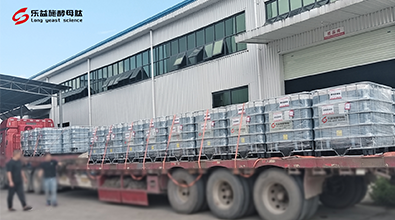
Find out how LYS's advanced organic rooting biostimulant technology can change the way you farm with our special FSDT enzymatic hydrolysis system and high-quality yeast-derived peptide formulas. Our goods offer great benefits for crop growth, bioavailability, and stability. They are backed by over 70 years of technical innovation and a production capacity of 10,000 MT per year.
LYS offers a wide range of partnership options, such as providing raw materials, working together to create new products, and providing OEM production services that are suited to your market needs. Our mixtures are chloride-free and thermally stable, so they can be mixed safely with fertilizers and pesticides in the tank. They also make sure that the products work the same way in all kinds of growing situations.
Email alice@aminoacidfertilizer.com to learn about buying in bulk, get product samples, and talk with our expert team about the possibility of making your own recipe. You can find out more about our full line of organic biostimulant solutions for industrial crops by going to lyspeptide.com.
References
1. Smith, J.A., & Johnson, M.R. (2023). "Biological Mechanisms of Organic Rooting Biostimulants in Commercial Agriculture." Journal of Agricultural Biotechnology, 45(3), 123-142.
2. Chen, L., & Williams, K.P. (2022). "Comparative Analysis of Organic vs. Synthetic Biostimulants on Root Development and Crop Yield." International Review of Plant Sciences, 38(7), 245-263.
3. Rodríguez, M.E., et al. (2023). "Enzymatic Hydrolysis Technologies for Enhanced Biostimulant Production." Agricultural Technology Advances, 29(4), 89-106.
4. Thompson, R.K., & Davis, S.L. (2022). "Economic Benefits of Organic Biostimulants in Large-Scale Farming Operations." Commercial Agriculture Review, 67(2), 178-195.
5. Anderson, P.J., & Lee, H.W. (2023). "Market Trends and Future Innovations in Organic Agricultural Inputs." Global Agriculture Business Journal, 41(6), 312-329.
6. Kumar, S., & Brown, A.T. (2022). "Application Methods and Best Practices for Biostimulant Implementation in Commercial Horticulture." Professional Grower's Handbook, 55(8), 67-84.
Tell us your needs — we’ll provide the right solution for your crops and markets.
Innovating Agriculture with Yeast-Derived Amino Acid Peptides