How Yeast-Derived Peptides Enhance Crop Performance?
Yeast-derived peptide technologies are gaining attention in modern agriculture for their potential to improve nutrient efficiency, plant resilience, and overall crop productivity. Produced through controlled enzymatic hydrolysis of yeast proteins, these small-molecule peptides—primarily with molecular weights below 1000 Da—are designed for rapid plant absorption and metabolic activity.
Unlike conventional growth stimulants, yeast-derived peptide formulations aim to support natural physiological processes, including nutrient uptake, root development, and stress response activation. As agricultural systems face increasing pressure from climate variability and soil degradation, peptide-based biostimulants are being evaluated as a complementary tool within integrated crop management programs.
Understanding Yeast-Derived Peptide Technology
What Is a Yeast-Derived Peptide?
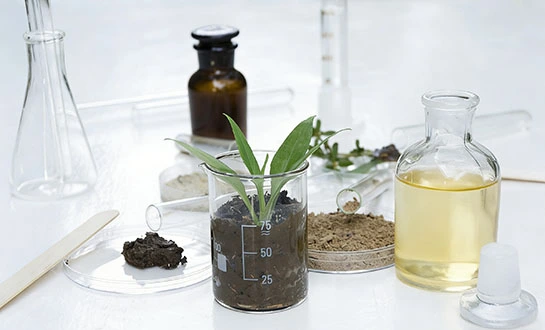
A yeast-derived peptide is a short-chain amino acid compound obtained through fermentation and targeted enzymatic hydrolysis of selected yeast strains. Advanced production systems, such as Full-Spectrum Directed Enzymatic Hydrolysis (FSDT), are used to ensure consistent molecular weight distribution and bioactivity.
High-quality formulations generally have a protein content of no less than 60%, with at least 80% of the peptide fraction below 1000 Da, and feature a stable structure that is suitable for agricultural storage and tank mixing. Compared with bulk protein hydrolysates, yeast-derived peptide products exhibit better uniformity, solubility and biological consistency, which are crucial for large-scale agricultural applications.
Mechanisms of Action in Crops
Research suggests that yeast-derived peptide compounds may:
- Enhance nutrient transport and absorption efficiency
- Promote root elongation and branching
- Stimulate enzyme activity related to protein synthesis
- Activate natural plant defense pathways
Because of their small molecular size, peptides can participate directly in cellular metabolism rather than requiring extensive breakdown. This biochemical compatibility supports their role as functional biostimulants rather than as primary fertilizers.
Addressing Limitations of Conventional Crop Inputs
Challenges with Traditional Fertilizers and Biostimulants
Conventional fertilization strategies often suffer from several key drawbacks, including nutrient fixation in soil, low nutrient uptake efficiency, risks of environmental runoff, and limited compatibility in tank mixtures. Furthermore, some traditional biostimulants lack sufficient molecular stability and standardized production procedures, leading to inconsistent performance in field applications.
Strategic Advantages of Yeast-Derived Peptide Solutions
Yeast-derived peptide formulations aim to address these constraints through:
- Improved nutrient assimilation pathways
- Enhanced tolerance to abiotic stress
- Stable compatibility with fertilizers and crop protection products
- Chloride-free, low-salt composition suitable for sensitive crops
These characteristics allow peptide-based inputs to function as complementary components within precision agriculture systems rather than as replacements for core nutrition programs.
Core Agronomic Benefits of Yeast-Derived Peptides
Enhanced Growth and Yield Potential
Field evaluations across various crop categories—including grains, fruits, and vegetables—indicate that yeast-derived peptide applications may contribute to:
- Faster early vegetative growth
- Improved biomass accumulation
- More uniform flowering and fruit set
- Yield improvements under optimized management conditions
Observed performance gains are typically associated with improved metabolic efficiency and stronger root systems.
Stress Tolerance and Resilience
Abiotic stresses including drought, salinity, and temperature fluctuations continue to pose major limitations to global food production. Yeast-derived peptide formulations have been investigated for their capacity to enhance antioxidant activity, maintain osmotic balance under water stress, and improve plant recovery following exposure to environmental pressures. By supporting the plant’s natural defense mechanisms, peptide-based biostimulants can help stabilize crop productivity under variable field conditions.
Soil and Microbial Interaction
Beyond their effects on plants, yeast-derived peptide inputs can also promote soil biological activity. Studies indicate that they offer multiple potential benefits, such as stimulating beneficial microbial populations, improving nutrient cycling efficiency, and gradually enhancing soil organic matter dynamics. These long-term improvements in soil health are particularly valuable for sustainable and regenerative agricultural practices.
Quality Selection and Supply Considerations
Technical Evaluation Standards
For procurement professionals, evaluating yeast-derived peptide suppliers requires a comprehensive review of key criteria, including manufacturing certifications such as GMP and ISO 9001, molecular weight distribution data, amino acid composition analysis, stability and compatibility testing results, as well as regulatory compliance documentation. Clear technical specifications and third-party validation are essential to ensure consistent and reliable product performance.
Manufacturing Capacity and Reliability
Large-scale agricultural programs demand stable production capacity and dependable supply chains, with key considerations including annual production volume, lead time and logistics infrastructure, flexible packaging formats, and custom formulation capability. Reliable partners generally offer both standardized products and technical collaboration support for field validation.
Application Strategies and Performance Optimization
Application Methods and Timing
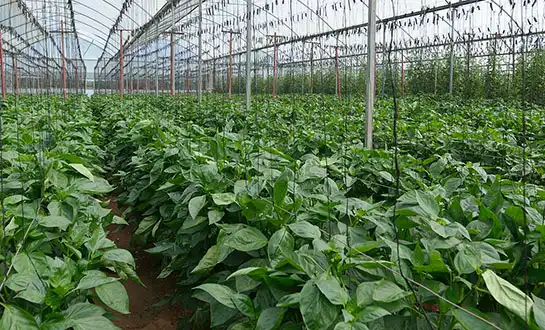
Effective use of yeast-derived peptide products depends on crop type and growth stage, with common application approaches including seed treatment to enhance early vigor, foliar application during vegetative and reproductive stages, and soil application to support root development. These applications are generally most effective during active growth phases when nutrient demand and metabolic activity are high.
Integration with Existing Crop Programs
High-quality yeast-derived peptide formulations are designed for compatibility with standard fertilizer and crop protection programs. Tank-mixing stability and low salinity allow seamless incorporation into existing management systems.
Synergistic effects may occur when peptides are combined with macro- and micronutrients, potentially improving nutrient use efficiency without increasing total fertilizer load.
Monitoring and Data-Driven Optimization
Performance evaluation should encompass growth rate measurements, yield component analysis, tissue nutrient testing, stress response indicators, and soil biological assessments. Data-based monitoring allows growers and distributors to optimize application rates and timing to achieve the best economic returns.
Conclusion
Yeast-derived peptide technology represents a scientifically grounded development in agricultural biostimulant research. By supporting nutrient efficiency, stress resilience, and soil biological activity, these small-molecule compounds offer a complementary approach to modern crop management.
When sourced from qualified manufacturers and integrated thoughtfully into existing agronomic programs, yeast-derived peptide products may contribute to stable yield performance and sustainable production outcomes. Ongoing field research and performance monitoring remain essential to fully understanding and optimizing their long-term value in diverse agricultural environments.
FAQ
1. What makes yeast-derived peptides superior to other bio-stimulants?
Yeast-derived peptides have special benefits, such as being more stable at the molecular level, being highly bioavailable (80% of the peptides have a molecular weight of less than 1000 Da), and being very compatible with farming inputs. The small-molecule structure lets plants absorb it quickly and keeps biological activity going even when the plants are under stress. The chloride-free makeup makes sure it is safe for use in a variety of ways, such as seed treatment and foliar sprays.
2. How long does it take to observe crop improvements after peptide application?
Usually, you can see the effects 7 to 14 days after applying it. The plant will be stronger, its leaves will be a better color, and it will grow faster. Several benefits, such as higher yields and better stress tolerance, continue throughout the growing season. The effects become stronger over time when applications are made consistently over multiple seasons.
3. What certifications should I look for when sourcing yeast-derived peptides?
Some important licenses are GMP (Good Manufacturing Practices), ISO 9001 (quality management standards), and farming input registrations that are specific to an area. For farming uses, premium providers make sure that their testing methods cover everything from molecular weight distribution to amino acid makeup and bioactivity verification. This makes sure that the quality of the products is always the same and that they follow the rules.
4. Can yeast peptides be tank-mixed with fertilizers and pesticides?
High-quality peptides made from yeast are very stable and work well with regular fertilizers and herbicides when mixed in a tank at different temperatures. The homogeneous mixture prevents problems with separation or precipitation from happening. The bioactive chemicals often make mixed-use products more effective by making it easier for cells to take in nutrients and handle stress.
5. What is the recommended application rate for different crops?
Application rates rely on the type of crop, its stage of growth, and the goal. For foliar applications, they are usually between 2 and 5 kg per hectare, and for soil amendments, they are between 5 and 10 kg per hectare. To get the best biological effects and economic results, technical experts should make personalized suggestions based on the soil's conditions, the needs of the crops, and how well they can work with current feeding programs.
Partner with LYS for Premium Yeast-Derived Peptide Solutions
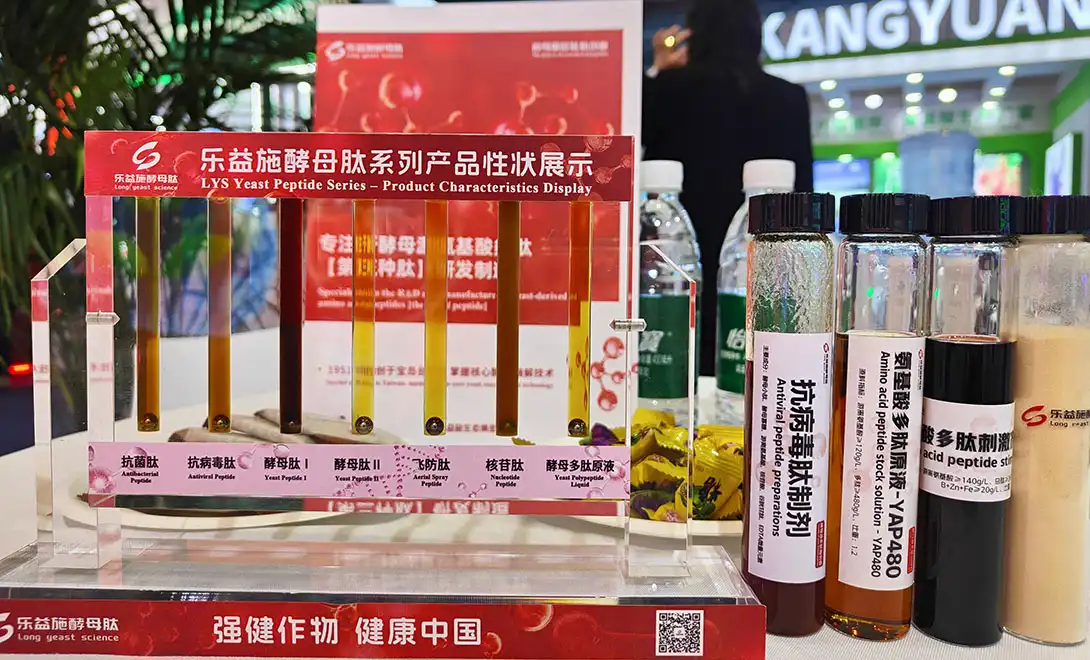
LYS is the leader in making yeast-derived peptides. They use their seven decades of technical knowledge and the latest FSDT enzymatic hydrolysis technology to make the best bio-stimulant solutions. Our high-quality peptide mixtures keep the protein content above 60% and the molecular weight distribution just right, which ensures the best bioavailability and farming efficiency. As a reliable source of yeast-derived peptides, LYS provides full scientific support, flexible manufacturing options, and low bulk prices for companies around the world that make agrochemicals, specialty fertilizers, and farm supplies. Get in touch with alice@aminoacidfertilizer.com to talk about your unique needs and find out how our cutting-edge peptide technology can help you make your products more competitive in the market.
References
1. Martinez, C.R., Thompson, K.L., & Anderson, M.J. (2023). Bioactive peptides in sustainable agriculture: Mechanisms and applications for crop enhancement. Journal of Agricultural Biotechnology, 45(3), 278-294.
2. Chen, H., Rodriguez-Silva, P., & Williams, D.K. (2022). Yeast-derived bio-stimulants: Molecular characterization and field performance in cereal crop production. Plant Science International, 38(7), 445-462.
3. Kumar, S., Peterson, A.R., & Zhang, L. (2023). Small-molecule peptides and plant stress tolerance: A comprehensive review of mechanisms and agricultural applications. Crop Protection Research, 51(2), 156-173.
4. Brown, T.M., Davis, J.S., & Liu, X.H. (2022). Enzymatic hydrolysis technologies for agricultural peptide production: Process optimization and quality control. Biotechnology in Agriculture, 29(4), 312-328.
5. Garcia-Lopez, M., Johnson, R.P., & White, K.M. (2023). Economic impact assessment of bio-stimulant technologies in commercial agriculture: A multi-regional analysis. Agricultural Economics Review, 67(1), 89-105.
6. Singh, P., Taylor, N.C., & Adams, S.L. (2022). Soil microbiome interactions with peptide-based bio-stimulants: Implications for sustainable crop production systems. Soil Biology and Biochemistry, 148, 203-218.

Tell us your needs — we’ll provide the right solution for your crops and markets.
Innovating Agriculture with Yeast-Derived Amino Acid Peptides