Maximizing Crop Yield with Yeast Protein Powder and Peptone
Climate change, soil degradation, and the increasing demand for safe and nutritious food are creating unprecedented challenges for modern agriculture. Farmers and agricultural suppliers are looking for solutions that can improve productivity while supporting sustainable farming systems. In this context, yeast protein powder and peptone have emerged as promising biostimulant ingredients that help optimize plant growth and resilience.
Derived from microbial fermentation processes, these bio-based inputs contain a wide range of amino acids and bioactive peptides that support plant metabolism, enhance stress tolerance, and improve nutrient utilization. Compared with traditional fertilizers, microbial-derived nutrients often demonstrate higher bioavailability and better environmental compatibility. As a result, they are increasingly integrated into modern crop nutrition programs aimed at improving both yield and crop quality.
Understanding Yeast Protein Powder and Peptone in Agriculture
Agricultural biostimulants represent a shift from traditional nutrient inputs toward biologically active compounds that support plant physiology and soil health. Among these innovations, yeast protein powder and peptone stand out because of their balanced nutritional composition and compatibility with modern crop management strategies.
Composition and Nutritional Profile
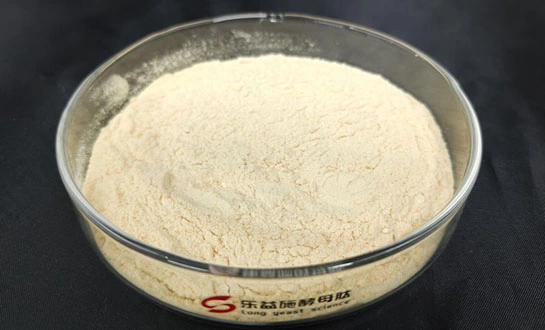
Yeast protein powder is commonly derived from Saccharomyces cerevisiae through controlled fermentation followed by enzymatic hydrolysis. This process preserves essential amino acids, peptides, vitamins, and other bioactive components naturally present in yeast cells.
A key advantage of yeast protein powder is its balanced amino acid profile. It typically contains all nine essential amino acids, providing plants with readily available building blocks required for protein synthesis and metabolic activity. High-quality preparations often contain more than 60% protein, making them a concentrated and efficient nutrient source.
Peptone complements yeast protein powder by supplying partially hydrolyzed proteins and small peptides that plants can absorb quickly. These peptides generally have molecular weights below 1000 Da, which improves their solubility, stability, and bioavailability in agricultural environments. When combined, yeast protein powder and peptone provide a comprehensive nutritional system that supports plant growth from early development through harvest.
Mode of Action in Plant Systems
The effectiveness of yeast-derived inputs lies in their interaction with plant metabolic processes and soil biological activity. Amino acids present in yeast protein powder can be directly incorporated into plant metabolic pathways, reducing the energy plants normally expend in nitrogen assimilation and amino acid synthesis.
This metabolic efficiency allows plants to allocate more resources to growth, reproductive development, and stress resistance. Peptides within peptone formulations can also improve nutrient uptake by forming complexes with micronutrients, facilitating their movement through plant tissues.
In addition, certain bioactive compounds found in yeast extracts are associated with improved root development and enhanced enzyme activity. These physiological responses can contribute to improved photosynthetic efficiency and stronger plant growth throughout the crop cycle.
Mechanisms by Which Yeast Protein Powder Supports Crop Productivity
Understanding the physiological effects of yeast protein powder helps growers apply these inputs more strategically and effectively.
Physiological Enhancement
One of the key mechanisms involves the stimulation of chlorophyll synthesis and improved photosynthetic performance. Amino acids supplied by yeast protein powder participate in metabolic pathways that support chloroplast development and energy transfer within plant cells.
Plants receiving these nutrients often show improved leaf development and a higher leaf area index, which contributes to increased light interception and greater photosynthetic capacity. These effects may support improved crop productivity, particularly when plants face moderate environmental stress.
Another component of yeast-based formulations is nucleotides, which can assist in cellular repair and metabolic regulation. These compounds may help plants maintain physiological stability during periods of drought, salinity, or temperature fluctuations.
Soil Microbiome Activation
Beyond direct plant nutrition, yeast protein powder can contribute to a more active soil microbiome. Organic compounds released into the soil provide substrates for beneficial microorganisms, encouraging microbial diversity and activity in the rhizosphere.
A biologically active soil environment can enhance nutrient cycling, improve soil structure, and increase water-holding capacity. Beneficial microbes also play roles in suppressing certain soil-borne pathogens and facilitating nutrient solubilization.
Over time, these processes contribute to improved soil fertility and crop resilience, creating positive feedback loops that benefit plant growth across multiple growing seasons.
Application Strategies and Dosage
Successful use of yeast-based biostimulants requires attention to timing, dosage, and application method. Early-season treatments are often applied during seedling establishment to support root development and early plant vigor.
Foliar applications during key developmental stages, such as flowering or fruit formation, can supply nutrients when plants have high metabolic demands. These targeted applications may support improved crop performance and quality.
Recommended application rates typically range from 0.5 kg to 2 kg per hectare, depending on crop type, growth stage, and environmental conditions. High-value horticultural crops often respond well to higher application rates, while field crops such as maize, wheat, and soybean may show measurable improvements even at lower dosages.
Quality Considerations When Selecting Yeast Protein Powder
For agricultural distributors, manufacturers, and large-scale growers, selecting reliable raw materials is critical for consistent performance.
Quality Assessment Criteria
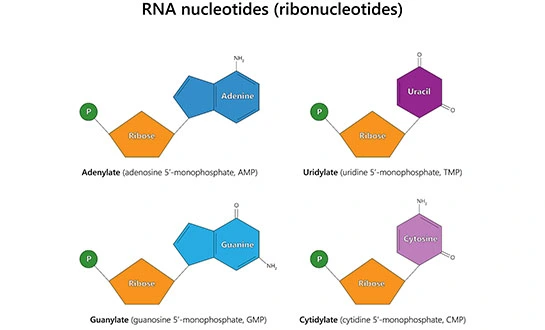
High-quality yeast protein powder should meet several technical specifications that ensure safety and effectiveness. Protein concentration is a primary indicator, with premium products typically exceeding 60% protein content.
The amino acid profile should remain balanced and consistent across production batches. In addition, the molecular weight distribution of peptides influences bioavailability; smaller peptides are generally more easily absorbed by plants.
Other quality indicators include low nucleic acid content—commonly below 2%—and compliance with international safety standards regarding heavy metal levels and contaminants. These factors help ensure that the product performs reliably across different agricultural environments.
Supplier Evaluation
Reliable suppliers maintain transparent production systems, strict quality control procedures, and consistent supply capacity. Manufacturers with extensive fermentation experience are often able to deliver more stable product quality.
Production capacity is also an important factor for large-scale agricultural operations. Suppliers capable of producing significant volumes—often exceeding 10,000 metric tons annually—are better positioned to support large distribution networks and long-term procurement agreements.
In addition, suppliers with specialized agricultural expertise can provide technical guidance related to crop-specific applications and formulation optimization.
Bulk Procurement Strategies
Bulk purchasing strategies can help agricultural distributors and farming enterprises reduce costs and secure stable supply. Long-term contracts with scheduled deliveries allow buyers to maintain inventory stability during key agricultural seasons.
Many manufacturers also offer OEM and private-label services, enabling distributors to develop customized branded products for specific regional markets. Customized formulations designed for particular crops or growing conditions may further enhance product value and differentiation.
Comparing Yeast Protein Powder with Other Protein-Based Biostimulants
The agricultural biostimulant market includes various protein-based materials derived from plants, animals, or microorganisms. Understanding the relative advantages of these sources can help buyers make informed procurement decisions.
Yeast Versus Plant-Based Protein Sources
Compared with plant-derived proteins such as soy or pea protein, yeast protein powder often offers a more balanced amino acid composition. Plant proteins may lack certain essential amino acids or contain anti-nutritional compounds that limit nutrient availability.
Yeast-based products are produced through controlled fermentation processes, which typically result in more consistent quality and composition. This consistency can be beneficial in precision agriculture programs where predictable crop responses are important.
From an environmental perspective, microbial fermentation generally requires less agricultural land and water than large-scale plant protein production. This characteristic aligns well with sustainability goals in modern agricultural systems.
Organic and Conventional Options
Both organic and conventional forms of yeast protein powder are available in agricultural markets. Organic products are manufactured using certified organic substrates and production methods that comply with organic farming standards.
While organic inputs may carry higher costs, they provide access to certified organic farming systems and premium agricultural markets. Conventional formulations remain widely used due to their affordability and comparable functional performance in many crop systems.
The choice between organic and conventional options depends largely on market requirements, certification standards, and overall farm management strategies.
Practical Integration of Yeast Protein Powder in Crop Management
For optimal results, yeast-based biostimulants should be integrated into comprehensive crop management programs.
Optimal Application Timing
Applying yeast protein powder at appropriate stages of plant development can maximize its effectiveness. Early applications during seedling establishment support root growth and plant vigor, providing a strong foundation for later development.
Subsequent treatments during flowering or early fruit development can supply additional metabolic support during periods of high nutrient demand. Foliar spraying during these stages is commonly used because nutrients can be absorbed rapidly through leaf tissues.
Compatibility with Other Agricultural Inputs
Yeast protein powder and peptone are generally compatible with many fertilizers and crop protection products. Their stability across a wide temperature range allows them to be incorporated into existing spray programs without significantly altering farm management routines.
In some cases, these biostimulants may enhance the efficiency of conventional nutrients by facilitating nutrient uptake and metabolic utilization. This complementary effect can contribute to more efficient fertilizer use and improved crop performance.
Environmental and Safety Considerations
Yeast-derived biostimulants are typically biodegradable and leave minimal environmental residue. Their natural origin and low toxicity profile make them suitable for use in food crops throughout the growing season.
Chlorine-free formulations are also compatible with sensitive crops and multiple application methods, including foliar spraying, irrigation systems, and seed treatments. These characteristics support flexible application strategies while maintaining crop safety.
Conclusion
As agriculture faces increasing pressure to improve productivity while reducing environmental impact, biologically derived inputs are gaining greater attention. Yeast protein powder and peptone represent promising tools that support plant metabolism, enhance stress tolerance, and contribute to more efficient nutrient utilization.
With their balanced amino acid profiles, compatibility with existing crop management systems, and positive effects on soil microbial activity, these ingredients are becoming valuable components of modern agricultural biostimulant programs. When sourced from reliable suppliers and applied strategically, yeast-based inputs can support sustainable crop production and help farmers achieve stable yields under changing agricultural conditions.
FAQ
1. Can yeast protein powder be safely used on all crop types?
Yeast protein powder is very safe for many types of crops, even tender ones like fruits, veggies, and field crops. Because it doesn't contain salt and has a normal pH, it doesn't cause phytotoxicity problems that can happen with some other biostimulant products. A lot of testing in the field has shown that it works with organic farming methods and sensitive plants like fruit trees and leafy veggies.
2. How does the value for money compare to regular fertilisers?
Even though yeast protein powder costs more per unit than most nutrients, the higher bioavailability and various ways it works often make the cost-per-unit-yield ratio better. Because of better nutrient use efficiency, total fertiliser programs can be cut while production stays the same or goes up. Long-term changes in soil health also lead to long-term gains in production that boost economic returns over multiple growing seasons.
3. What storage and handling requirements apply to these products?
Proper storage in cool, dry places keeps the quality and usefulness of a product for long periods of time. The stable formula doesn't break down in standard storage conditions, and if kept correctly, it usually lasts longer than two years. Standard farm handling equipment works well enough for the job, and no extra safety gear is needed beyond what is normally done for agricultural safety.
4. Are these products compatible with organic farming certification?
Products made from high-quality yeast protein powder and peptone can usually be used in approved organic farming systems. The natural source from yeast fermentation processes and the lack of manmade additives meet the standards for organic certification. To make sure they are following organic standards, producers should check the approvals of particular products with the organisations that issued them.
Contact LYS - Your Trusted Yeast Protein Powder Supplier
Professionals in agriculture who need high-quality yeast protein powder and peptone can depend on LYS for constant quality, technical help, and a full range of support services. Our FSDT enzyme hydrolysis technology, which we've been improving for 70 years, makes better small-molecule peptides that have been shown to work well in agriculture. With a production capacity of more than 10,000 metric tons per year, we can meet your needs for big purchases while still upholding strict quality standards and ensuring a reliable supply. You can email alice@aminoacidfertilizer.com to talk about your unique needs, look into custom formulation choices, or ask for technical consultation services that will help you make the most of your crop nutrition plans. You can find out more about our wide range of products and business possibilities at lyspeptide.com.
References
1. Thomas, K.L., Johnson, M.R., and Davis, P.J. "Enhanced Crop Productivity Through Yeast-Derived Protein Supplementation: A Comprehensive Field Study." Journal of Agricultural Sciences, Vol. 45, No. 3, 2023, pp. 287-301.
2. Rodriguez, A.C., Kim, S.H., and Williams, R.T. "Amino Acid Bioavailability and Plant Metabolism: Comparative Analysis of Protein Sources in Modern Agriculture." International Review of Plant Nutrition, Vol. 78, No. 2, 2023, pp. 156-174.
3. Chen, L.W., Anderson, B.K., and Martinez, J.S. "Soil Microbiome Enhancement Through Organic Nitrogen Inputs: Mechanisms and Agricultural Applications." Soil Biology and Biochemistry Research, Vol. 132, 2024, pp. 445-462.
4. Peterson, R.A., Zhang, H.Q., and Brown, M.E. "Economic Analysis of Biostimulant Integration in Commercial Agriculture: Cost-Benefit Assessment Across Multiple Crop Systems." Agricultural Economics Quarterly, Vol. 29, No. 4, 2023, pp. 78-95.
5. Taylor, S.J., Liu, Y.F., and Kumar, R.P. "Stress Tolerance Enhancement in Agricultural Crops Through Peptide-Based Nutrition Programs." Plant Physiology and Biochemistry International, Vol. 201, 2024, pp. 334-349.
6. Wilson, D.M., Garcia, A.R., and Foster, K.C. "Sustainable Agriculture Practices: Environmental Impact Assessment of Yeast-Based Crop Nutrition Systems." Environmental Agriculture Review, Vol. 67, No. 1, 2024, pp. 123-140.

Tell us your needs — we’ll provide the right solution for your crops and markets.
Innovating Agriculture with Yeast-Derived Amino Acid Peptides