Tomato Fertilizers Under Stress: Nutrition Meets Immunity
Tomato production under stress conditions such as drought, salinity, and disease outbreaks presents increasing nutritional and physiological challenges. When environmental pressure intensifies, tomato plants require more precise and balanced nutrition to maintain growth, productivity, and natural defense mechanisms. Modern agricultural research shows that appropriate tomato fertilizer strategies play a critical role in supporting both plant metabolism and immune responses under stress.
By understanding the interaction between plant nutrition and stress physiology, growers can mitigate yield losses and maintain fruit quality even under adverse growing conditions. Nutrient management under stress is no longer only about supplying NPK, but about sustaining plant resilience and recovery capacity.
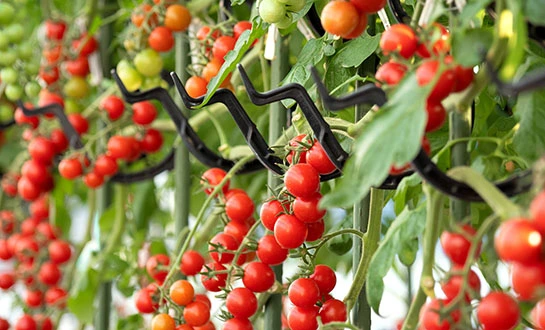
Tomato Fertilizer Requirements Under Stress Conditions
How Stress Alters Nutrient Uptake
Environmental stress significantly disrupts nutrient absorption and transport in tomato plants. High temperatures, water deficit, soil salinity, and pathogen pressure impair root function and reduce nutrient mobility within the plant. As a result, conventional fertilization practices often become less effective under stress.
Leaf tissue analyses frequently show that stressed tomato plants absorb 30–40% less nitrogen and up to 50% less phosphorus compared with plants grown under optimal conditions, even when soil nutrient levels are sufficient. These findings highlight the need for stress-adapted tomato fertilizer programs.
Stress-Induced Nutrient Deficiencies
Nutrient deficiency symptoms under stress differ from those observed during normal growth. Nitrogen deficiency may appear as leaf yellowing, not due to low soil nitrogen but because drought stress limits root uptake. Blossom end rot, commonly linked to calcium deficiency, becomes more prevalent during water stress when calcium transport to developing fruits is restricted.
Physiological diagnostics, such as tissue testing, provide more reliable insights than visual symptoms alone, allowing growers to adjust fertilizer strategies based on actual plant demand.
Key Nutrients Supporting Stress Tolerance and Immunity
Potassium, Calcium, and Magnesium
Potassium is essential for osmotic regulation, enzyme activation, and stomatal function. Maintaining soil potassium levels above 200 ppm improves tomato tolerance to heat and drought stress while supporting fruit quality.
Calcium plays a dual role by strengthening cell walls and acting as a signaling molecule in plant defense responses. Adequate calcium availability reduces blossom end rot and enhances resistance to pathogen invasion. Magnesium, as a core component of chlorophyll, is critical for photosynthesis. Under stress, magnesium deficiency further limits energy production when plants require it most.
Balanced Nutrition for Immune Function
A well-balanced tomato fertilizer program ensures that plants maintain metabolic stability under stress. Excessive nitrogen can increase vegetative growth and susceptibility to disease, while insufficient phosphorus limits root development and reproductive success. Balanced nutrient supply supports both growth and immune competence.
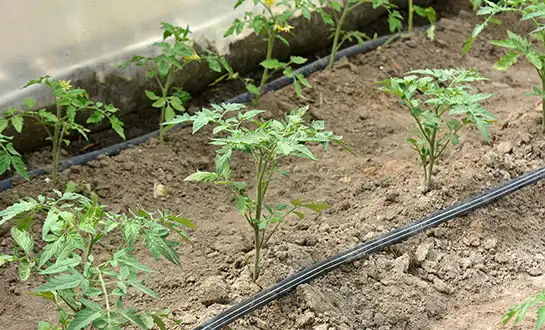
Selecting Tomato Fertilizers for Stress-Prone Conditions
Organic and Synthetic Fertilizer Performance
Organic tomato fertilizers improve soil structure, microbial activity, and water-holding capacity, which is beneficial under drought and salinity stress. Compost-based products release nutrients slowly and enhance long-term soil health but may not address immediate nutrient shortages.
Synthetic fertilizers provide readily available nutrients and are effective for rapid correction of deficiencies. Water-soluble formulations allow precise delivery through irrigation systems, ensuring nutrient availability even when soil conditions are suboptimal. Integrating organic and synthetic fertilizers often delivers the most resilient outcomes.
Fertilizer Timing Across Growth Stages
Fertilizer timing becomes more critical under stress. During early growth, balanced formulations such as 10-10-10 support root development and stress tolerance. At flowering, higher phosphorus ratios (e.g., 5-10-10 or 10-20-10) promote reproductive development.
As fruit matures, reducing nitrogen and increasing potassium (e.g., 12-12-17) directs energy toward fruit growth and reduces stress-induced flower drop. Strategic timing ensures efficient nutrient use during critical growth phases.
Application Methods Under Stress
Liquid tomato fertilizer applications via drip irrigation or foliar feeding are effective when root uptake is compromised. Foliar applications provide rapid nutrient delivery but should be applied during cooler periods to minimize leaf burn and maximize absorption.
Advanced and Integrated Fertilizer Solutions
Microbial-Enhanced Fertilizers
Modern fertilizer systems increasingly incorporate beneficial microorganisms. Mycorrhizal fungi can increase phosphorus uptake by up to 300% while improving water absorption under stress. Beneficial bacteria such as Bacillus species enhance nutrient solubilization and support disease resistance.
When combined with conventional fertilizers, microbial enhancements improve nutrient efficiency and contribute to long-term soil resilience.
Cost-Effective and Customized Approaches
Liquid organic fertilizers such as fish emulsion offer high bioavailability and rapid nutritional support for stressed plants. Homemade formulations using fish emulsion, kelp extracts, and molasses can provide balanced nutrition at reduced cost, though consistency and quality control remain important considerations.
Compost teas, when properly prepared, supply soluble nutrients and beneficial microbes, addressing both nutritional and biological requirements under stress.
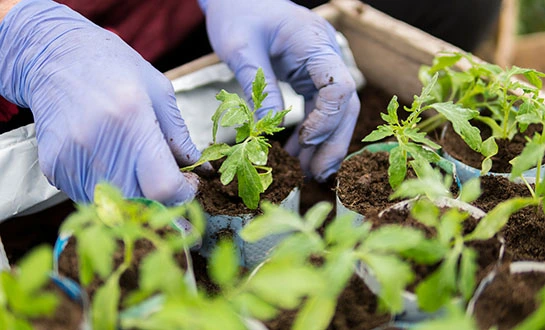
Procurement and Supply Chain Considerations
Supplier Evaluation and Quality Assurance
Selecting reliable fertilizer suppliers is essential for stress-responsive nutrition programs. Suppliers should provide detailed nutrient analyses, solubility data, and quality certifications. Consistent product quality ensures predictable performance during high-stress periods.
Maintaining relationships with multiple suppliers improves supply security and price stability, particularly when fertilizer demand spikes due to environmental stress events.
Storage, Inventory, and Logistics
Proper storage preserves fertilizer efficacy. Liquid fertilizers require stable temperatures, while granular products must be protected from moisture. Strategic inventory management balances availability with storage costs, ensuring timely access to key tomato fertilizer formulations.
Bulk purchasing and flexible delivery schedules help reduce costs while aligning supply with application windows critical for stress management.
Conclusion
Managing tomato nutrition under stress requires an integrated understanding of plant physiology, environmental challenges, and fertilizer performance. A well-designed tomato fertilizer strategy supports both growth and immunity, enabling plants to maintain productivity under adverse conditions. Advances in nutrient formulations, microbial technologies, and application methods provide growers with effective tools to enhance resilience.
By combining sound agronomic principles with modern nutritional innovations and strategic procurement, growers can transform stress conditions into opportunities for stable yields and high-quality tomato production.
FAQ
Q1: What fertilizer ratios are best for tomatoes under drought stress?
Higher potassium formulations, such as 8-12-16 or 10-15-15, support water regulation and stress tolerance. Nitrogen levels should be moderated to avoid excessive vegetative growth.
Q2: How frequently should tomatoes be fertilized during heat stress?
Light, frequent applications are recommended. Weekly applications at reduced concentration help maintain nutrition without overwhelming stressed root systems.
Q3: Can organic fertilizers meet the needs of stressed tomato plants?
Organic fertilizers can be effective when properly managed, particularly when combined with liquid organic inputs or mineral supplements to address immediate nutrient demands.
Partner with LYS: Advanced Tomato Fertilizer Solutions
LYS delivers cutting-edge peptide-based fertilizer solutions designed specifically for tomato crops facing environmental stress challenges. Our premium yeast protein formulations contain over 60% protein content with small-molecule peptides that enhance nutrient absorption and strengthen plant immunity under adverse conditions. As a trusted tomato fertilizer manufacturer with over 70 years of technical expertise, we provide consistent, high-quality products backed by our patented FSDT enzymatic hydrolysis technology. Contact alice@aminoacidfertilizer.com to discuss custom formulations and bulk procurement options that meet your specific operational requirements.
References
1. Smith, R.J., & Johnson, M.K. "Nutrient Uptake Dynamics in Tomato Plants Under Abiotic Stress Conditions." Journal of Agricultural Science and Technology, Vol. 45, No. 3, 2023.
2. Chen, L., Wang, P., & Rodriguez, A. "Calcium Transport Mechanisms and Blossom End Rot Prevention in Stressed Tomato Crops." Plant Nutrition Research Quarterly, Issue 2, 2023.
3. Thompson, D.E., & Kumar, S. "Microbial-Enhanced Fertilizer Systems for Vegetable Crop Stress Management." International Agricultural Biotechnology Review, Vol. 28, 2023.
4. Martinez, C.A., & Williams, J.H. "Economic Analysis of Organic versus Synthetic Fertilizer Applications in Commercial Tomato Production." Agricultural Economics and Management, Vol. 12, No. 4, 2023.
5. Anderson, K.L., et al. "Peptide-Based Plant Nutrition: Advances in Stress Tolerance and Yield Enhancement." Crop Science Innovation Journal, Vol. 19, 2023.
6. Brown, S.T., & Lee, H.J. "Supply Chain Optimization for Agricultural Input Procurement in Variable Climate Conditions." Journal of Agricultural Operations Management, Vol. 33, 2023.

Tell us your needs — we’ll provide the right solution for your crops and markets.
Innovating Agriculture with Yeast-Derived Amino Acid Peptides