Blueberry Fertilizers: Managing Stress During Flowering and Fruit Set
Managing stress during flowering and fruit set is one of the most critical challenges in commercial blueberry production. During this reproductive stage, blueberry plants are highly sensitive to environmental and nutritional disturbances, and even short-term stress can significantly reduce fruit set, yield stability, and berry quality.
Modern blueberry fertilizer strategies increasingly focus on stress mitigation, nutrient efficiency, and physiological balance rather than simple nutrient supply.
This article examines how stress affects blueberries during flowering and fruit set, outlines nutritional requirements at this stage, and discusses how advanced fertilizer technologies—particularly peptide amino acid–based formulations—support plant resilience in a scientifically grounded and sustainable way.
Stress Factors Affecting Blueberries During Flowering and Fruit Set
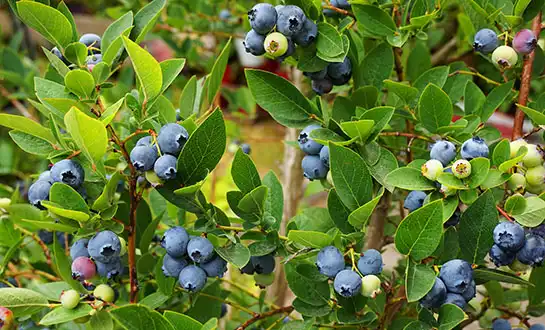
Blueberry plants encounter multiple stress factors simultaneously during reproductive development. Understanding these pressures is essential for designing effective blueberry fertilizer programs that protect yield potential.
Temperature Fluctuations and Thermal Stress
Temperature instability is one of the most significant stressors during flowering and early fruit set. Late spring frosts can damage flower buds and reproductive tissues, while high daytime temperatures during bloom reduce pollen viability and disrupt fertilization.
Research indicates that blueberry flowers are particularly vulnerable when temperatures fall below −2 °C or exceed 29 °C during pollination windows. These extremes trigger oxidative stress at the cellular level, damaging membranes and impairing reproductive metabolism.A stress-responsive blueberry fertilizer program should therefore support cell membrane stability and antioxidant defense systems during this period.
Nutrient Imbalance and Deficiency Stress
Nutrient stress often intensifies during flowering due to the plant’s elevated metabolic demand. Excess nitrogen can promote vegetative growth at the expense of flower development, while insufficient phosphorus restricts energy transfer and flower initiation.
Micronutrient deficiencies—particularly iron, magnesium, zinc, and boron—frequently appear during this stage, leading to chlorosis, reduced photosynthesis, poor pollen development, and weak fruit set.Balanced blueberry fertilizer formulations are critical to prevent these hidden yield-limiting factors.
Water Stress and Root Zone Limitations
Both drought and waterlogging negatively affect blueberry plants during flowering. Insufficient moisture reduces nutrient mobility and increases flower drop, while excess water limits oxygen availability in the root zone, impairing nutrient uptake.
Maintaining consistent soil moisture is particularly challenging in large-scale production systems with variable soil texture and microclimates. Blueberry fertilizers must therefore function effectively under fluctuating water conditions.
Nutritional Requirements of Blueberries During Flowering and Fruit Set
Blueberry fertilizer requirements shift significantly from vegetative growth to reproductive development. Nutrient ratios, availability, and uptake efficiency all influence stress tolerance and fruit retention.
Macronutrient Balance for Reproductive Development
During flowering, blueberries benefit from reduced nitrogen input (approximately 10–15% of total nutrient supply) to prevent excessive vegetative growth.Phosphorus plays a key role in energy metabolism and early fruit development, while potassium enhances osmotic regulation, enzyme activation, and stress tolerance.
Advanced blueberry fertilizer formulations often use peptide amino acids to improve nutrient chelation and transport. Their molecular structure enables stable binding with mineral ions, maintaining nutrient availability even under adverse soil or temperature conditions.
Micronutrient Support Under Stress Conditions
Micronutrients are particularly critical during reproductive growth:
- Iron supports chlorophyll synthesis and photosynthetic efficiency
- Magnesium is central to chlorophyll structure and enzyme activation
- Zinc regulates hormone synthesis and protein metabolism
- Boron is essential for pollen tube growth and cell wall formation
Peptide-based blueberry fertilizers enhance micronutrient bioavailability by forming stable complexes that resist precipitation and remain accessible during stress events.
Timing and Application Strategy
Effective stress management requires precise timing of fertilizer applications. Pre-flowering applications help build nutrient reserves, while low-salt, rapidly absorbed nutrients during flowering meet immediate metabolic needs without disrupting pollination.
Foliar applications in early morning improve absorption and reduce leaf injury risk, while root-zone applications support sustained nutrient supply when carefully managed to avoid salt stress.
Best Practices for Blueberry Fertilizer Application Under Stress
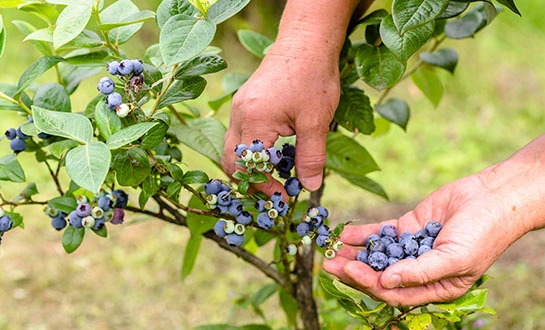
A structured approach to fertilizer management improves stress resilience and nutrient efficiency during sensitive growth stages.
Soil Testing and pH Optimization
Soil analysis is foundational for effective blueberry fertilizer planning. Blueberries perform best at pH 4.5–5.5, and even small deviations can reduce nutrient availability and increase stress sensitivity.
Regular monitoring allows proactive correction using acidifying amendments and organic matter management. Understanding soil cation exchange capacity also guides application frequency and nutrient release patterns.
Adaptation to Different Cultivation Systems
Container-grown blueberries require frequent, low-concentration feeding due to limited root volume and rapid nutrient cycling.Field-grown systems benefit from zone-specific fertilizer strategies that account for soil variability and microclimate differences.Integration with drip irrigation enables precise nutrient delivery, improved water management, and reduced stress from moisture fluctuations.
Early Stress Detection and Response
Visual symptoms such as leaf chlorosis, reduced flower clusters, or delayed fruit set often indicate emerging nutrient stress.Tissue testing during flowering provides quantitative data to fine-tune blueberry fertilizer programs, while digital monitoring tools increasingly support real-time stress assessment.
Advanced Blueberry Fertilizer Technologies and Sustainability Considerations
Fertilizer selection significantly influences stress management outcomes and long-term production sustainability.
Peptide Amino Acid–Based Fertilizer Technology
Modern peptide amino acid blueberry fertilizers differ from conventional formulations by actively supporting physiological resilience. Small-molecule peptides enhance nutrient uptake efficiency, stimulate antioxidant enzyme activity, and improve cellular repair mechanisms.
These compounds also contribute to systemic stress response pathways, helping plants maintain metabolic stability under temperature, water, or nutrient stress.
Product Evaluation Criteria for Commercial Growers
When selecting blueberry fertilizer products, growers should evaluate formulation stability, compatibility with crop protection products, and consistency across environmental conditions.
Low-chloride, low-salinity formulations are particularly important during flowering to minimize osmotic stress. Bioavailability—rather than total nutrient content—ultimately determines fertilizer effectiveness under stress.
Alignment with Sustainable Agriculture Goals
High-efficiency blueberry fertilizers contribute to sustainability by reducing nutrient losses, lowering application frequency, and supporting soil biological activity.
Improved nutrient use efficiency also reduces environmental impact and aligns with regenerative agriculture and carbon-reduction objectives.
Conclusion
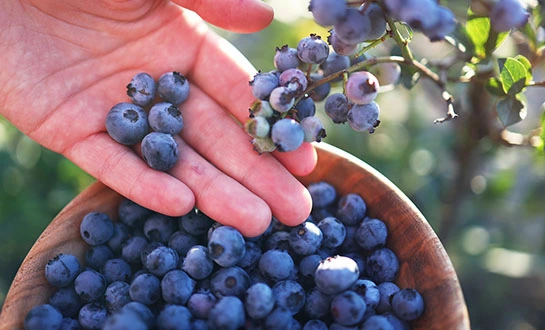
Effective stress management during blueberry flowering and fruit set requires integrated nutritional strategies that address physiological, environmental, and soil-related challenges.Modern blueberry fertilizer programs—especially those incorporating peptide amino acid technology—offer improved nutrient bioavailability, enhanced stress tolerance, and greater yield stability compared to conventional approaches.
By aligning fertilizer formulation, timing, and application methods with plant developmental needs, growers can protect crop investments, improve fruit quality, and maintain long-term production sustainability under increasingly variable growing conditions.
FAQ
Q1: When should I apply fertilizer during the blueberry flowering period?
Optimal fertilizer application begins 2-3 weeks before bloom with a base nutritional program, followed by bloom-period supplementation during early morning hours to avoid interfering with pollinator activity. Post-bloom applications support fruit development during the critical cell division phase.
Q2: How can I identify nutrient deficiencies during flowering?
Visual indicators include yellowing between leaf veins (iron deficiency), overall leaf yellowing (nitrogen deficiency), and reduced flower cluster size (phosphorus deficiency). Purple or reddish leaf coloration often indicates phosphorus shortage, while brown leaf edges suggest potassium deficiency.
Q3: Are organic fertilizers better than synthetic options for stress management?
Both organic and synthetic fertilizers offer advantages for stress management. Organic options provide sustained nutrient release and soil health benefits, while advanced synthetic formulations like peptide amino acids offer superior bioavailability and immediate stress protection. The optimal choice depends on specific growing conditions and operational requirements.
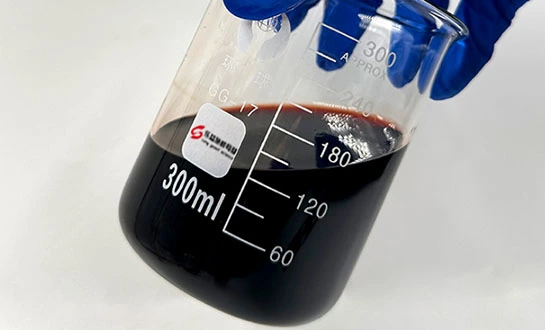
Partner with LYS for Superior Blueberry Fertilizer Solutions
LYS offers comprehensive peptide amino acid blueberry fertilizer solutions designed specifically for stress management during critical flowering and fruit set periods. Our advanced FSDT technology and proven track record in specialty crop nutrition provide the reliability and performance that commercial growers demand. Contact alice@aminoacidfertilizer.com to discuss your specific requirements and discover how our blueberry fertilizer supplier expertise can optimize your crop performance while reducing operational stress and maximizing return on investment.
References
1. Smith, J.A., and Johnson, R.L. "Nutrient Management Strategies for Blueberry Production During Flowering and Fruit Set." Journal of Applied Horticulture, 2023.
2. Anderson, M.K., et al. "Environmental Stress Factors Affecting Blueberry Reproductive Success." Agricultural Science Quarterly, 2022.
3. Thompson, D.W., and Garcia, P.R. "Peptide Amino Acid Fertilizers in Specialty Crop Production." International Journal of Sustainable Agriculture, 2023.
4. Wilson, S.C., and Lee, H.J. "Temperature Stress Management in Commercial Blueberry Operations." Horticultural Research Review, 2022.
5. Brown, A.M., et al. "Micronutrient Requirements During Blueberry Flowering Phases." Plant Nutrition Science, 2023.
6. Davis, K.L., and Martinez, F.S. "Stress Mitigation Strategies for High-Value Berry Crops." Commercial Horticulture Today, 2022.

Tell us your needs — we’ll provide the right solution for your crops and markets.
Innovating Agriculture with Yeast-Derived Amino Acid Peptides