Liquid Gold: How to Choose a High-Purity Amino Acid Liquid Fertilizer
Selecting the right high-purity amino acid liquid fertilizer can significantly elevate crop performance while aligning agricultural production with modern sustainability requirements. By combining bioactive amino acids with essential nutrients, advanced liquid fertilizer formulations support plant metabolism, improve stress tolerance, and enhance yield potential across diverse cropping systems.
Compared with conventional fertilizers, amino acid–based liquid fertilizer products offer superior nutrient absorption efficiency and reduced environmental impact. Their proven adaptability in field crops, horticulture, and controlled-environment agriculture has made them an increasingly preferred choice among progressive growers and agricultural professionals.
Understanding High-Purity Amino Acid Liquid Fertilizers
Functional Role of Amino Acids in Liquid Fertilizer Systems
High-purity amino acid liquid fertilizers represent an advanced nutritional approach that bridges traditional mineral fertilization and biological stimulation. In these formulations, amino acids act both as nutrient carriers and as bioactive compounds that directly participate in plant metabolic processes.
Amino acids are the fundamental building blocks of proteins and enzymes, playing a central role in cell division, growth regulation, and physiological adaptation. When incorporated into liquid fertilizer systems, amino acids facilitate the transport of macro- and micronutrients across plant cell membranes, improving overall nutrient use efficiency.
Scientific Basis for Enhanced Nutrient Uptake
Research indicates that amino acid supplementation can improve nutrient uptake efficiency by up to 30–40% compared with conventional mineral fertilizers. One key mechanism is chelation: amino acids bind metal ions, preventing nutrient fixation in the soil and maintaining availability throughout the growing season.
This chelation effect is particularly beneficial in alkaline or nutrient-deficient soils, where phosphorus, iron, and trace elements often become unavailable. Across multiple crop trials, amino acid liquid fertilizer formulations have demonstrated stable nutrient performance over a broader pH range than standard fertilizer products.
Advantages of Amino Acid Liquid Fertilizer Over Conventional Systems
Stability, Compatibility, and Application Efficiency
Modern agricultural operations demand fertilizer products that perform reliably under variable environmental conditions. High-quality amino acid liquid fertilizers maintain formulation stability across temperature fluctuations and retain homogeneity during storage and application.
Another practical advantage is their high compatibility with pesticides, fungicides, and other crop protection products. Tank-mix compatibility reduces application frequency, lowers labor and fuel costs, and minimizes equipment wear—an important consideration for large-scale farming operations.
Environmental and Operational Benefits
Chloride-free amino acid liquid fertilizer formulations reduce the risk of salt stress and soil degradation, supporting long-term soil health objectives. Improved nutrient efficiency also translates into lower nutrient losses through leaching or volatilization, helping farms meet increasingly strict environmental compliance standards.
From an operational perspective, predictable crop responses and reduced application failures contribute to more accurate production planning and improved return on input investment.

Key Criteria for Selecting a High-Purity Amino Acid Liquid Fertilizer
Purity, Molecular Weight, and Composition Standards
Product purity is a critical determinant of performance. High-quality amino acid liquid fertilizer products are characterized by a high proportion of small peptides, typically with molecular weights below 1000 Daltons. These low-molecular-weight peptides are rapidly absorbed and remain effective during periods of physiological stress.
Protein content is another important indicator. Premium formulations derived from yeast or similar high-quality sources often contain protein levels of 60% or higher, delivering a broad spectrum of amino acids that support multiple metabolic pathways simultaneously. Consistent batch-to-batch composition and the absence of harmful contaminants are essential quality benchmarks.
Supplier Capability and Certification
Supplier reliability plays a decisive role in long-term procurement success. Established manufacturers demonstrate consistent production capacity—often measured in thousands of metric tons annually—ensuring supply stability for large-scale agricultural operations.
Advanced enzymatic hydrolysis technologies generally yield more uniform and bioavailable amino acid profiles than conventional processing methods. In addition, regulatory compliance, organic certifications (where applicable), and comprehensive documentation such as certificates of analysis are important indicators of supplier credibility, particularly for international trade.
Application-Specific Performance Considerations
Different production systems require tailored liquid fertilizer solutions. Highly soluble formulations with precise nutrient ratios are preferred in hydroponic and fertigation systems, while field applications prioritize stability and tank-mix performance.
Crop type and production goals further influence formulation selection. High-value fruit and vegetable crops may benefit from amino acid liquid fertilizers designed to enhance quality attributes such as sugar accumulation, coloration, and shelf life. In contrast, broad-acre crops often prioritize yield stability and stress tolerance.
Market Evaluation and Best Practices for Maximizing ROI
Market Segmentation and Cost–Value Assessment
The amino acid liquid fertilizer market includes premium, mid-range, and cost-oriented products. Premium solutions typically emphasize proprietary technologies, higher purity levels, and technical support services, offering measurable performance advantages in demanding environments.
Cost analysis should consider product concentration, recommended application rates, and expected crop response rather than unit price alone. Concentrated formulations often deliver better value for large operations by reducing storage, transportation, and handling requirements. Bulk purchasing and long-term supply agreements can further improve cost efficiency.
Application Methods, Timing, and Storage
Proper application is essential for maximizing the return on investment from liquid fertilizer inputs. Foliar application provides rapid nutrient delivery during acute stress or deficiency periods, with early morning or late afternoon treatments minimizing evaporation losses.
Soil and fertigation applications support sustained nutrient availability during establishment and rapid growth phases. Hydroponic systems benefit from continuous low-level amino acid supplementation to maintain consistent plant nutrition. Across all systems, routine monitoring of pH and electrical conductivity ensures optimal nutrient balance.
Storage and handling practices also influence product performance. Amino acid liquid fertilizers should be stored in temperature-controlled environments and compatible containers to preserve bioactivity. With proper storage, most high-quality formulations maintain effectiveness for 18–24 months.
Conclusion
High-purity amino acid liquid fertilizer has emerged as a strategic input in modern agriculture, offering enhanced nutrient efficiency, improved stress tolerance, and operational flexibility. Selecting the right product requires careful evaluation of formulation quality, supplier capability, and application-specific requirements.
When applied using best management practices, advanced liquid fertilizer solutions support both short-term productivity and long-term sustainability goals. For agricultural professionals seeking reliable performance, predictable crop response, and environmental responsibility, amino acid liquid fertilizer has become an essential component of contemporary crop nutrition strategies.
FAQ
Q1: What makes amino acid liquid fertilizers superior to traditional fertilizers?
Amino acid liquid fertilizers offer enhanced nutrient absorption rates, improved stress tolerance, and superior compatibility with other agricultural inputs compared to conventional fertilizers. The small molecular structure allows for rapid plant uptake and sustained bioactivity.
Q2: How do I determine the right application rate for my crops?
Application rates depend on crop type, growth stage, and specific product concentration. Foliar applications typically range from 1-3 quarts per acre, while soil applications may vary based on irrigation methods and soil conditions. Consult technical specifications and conduct small-scale trials for optimal results.
Q3: Can amino acid fertilizers be tank-mixed with pesticides and other inputs?
High-quality amino acid fertilizers demonstrate excellent compatibility with most pesticides, fungicides, and other agricultural inputs. Always conduct jar tests before large-scale mixing and consult product labels for specific compatibility information.
Q4: What storage conditions maintain product quality?
Store amino acid liquid fertilizers in cool, dry conditions between 40-80°F, protected from freezing and excessive heat. Use compatible containers and maintain proper inventory rotation to ensure product freshness and effectiveness.
Q5: How do I evaluate supplier reliability for a consistent supply?
Assess supplier manufacturing capacity, quality control systems, certification compliance, and logistics capabilities. Look for companies with proven track records, comprehensive technical support, and flexible supply arrangements that meet your operational requirements.
Partner with LYS for Premium Amino Acid Liquid Fertilizer Solutions
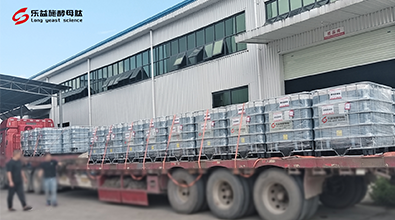
LYS delivers industry-leading amino acid liquid fertilizer solutions backed by over 70 years of technical expertise and proven manufacturing capabilities. Our proprietary FSDT enzymatic hydrolysis technology produces superior small-molecule peptides with molecular weights below 1000 Daltons, ensuring maximum bioavailability and crop response. With annual production capacity exceeding 10,000 metric tons and comprehensive quality control systems, LYS provides reliable supply chain solutions for liquid fertilizer manufacturers, distributors, and agricultural operations worldwide. Connect with our technical team at alice@aminoacidfertilizer.com to explore custom formulations, OEM partnerships, and bulk supply agreements tailored to your specific requirements.
References
1. Smith, J.A., Anderson, M.K., and Thompson, R.L. "Amino Acid Fertilizers in Modern Agriculture: Mechanisms and Applications." Journal of Agricultural Science and Technology, Vol. 45, No. 3, 2023, pp. 234-251.
2. Rodriguez, C.M., and Chen, W.H. "Comparative Analysis of Nutrient Uptake Efficiency in Amino Acid-Enhanced Fertilizer Systems." International Review of Plant Nutrition, Vol. 28, No. 7, 2023, pp. 412-428.
3. Johnson, P.B., Williams, S.A., and Davis, K.J. "Economic Impact Assessment of Premium Liquid Fertilizer Technologies in Commercial Agriculture." Agricultural Economics Quarterly, Vol. 52, No. 2, 2023, pp. 89-104.
4. Zhang, L.Q., Miller, D.R., and Brown, A.S. "Stress Tolerance Enhancement Through Amino Acid Supplementation in Field Crop Production." Crop Science Research, Vol. 67, No. 4, 2023, pp. 156-173.
5. Taylor, M.E., and Wilson, J.C. "Quality Standards and Procurement Guidelines for Professional Amino Acid Fertilizer Applications." Professional Agriculture Management, Vol. 31, No. 6, 2023, pp. 78-92.
6. Kumar, R.S., Lee, H.K., and Martinez, F.J. "Sustainable Agriculture Practices: Integration of Amino Acid Fertilizer Technologies." Environmental Agriculture Today, Vol. 19, No. 5, 2023, pp. 201-218.

Tell us your needs — we’ll provide the right solution for your crops and markets.
Innovating Agriculture with Yeast-Derived Amino Acid Peptides