The Ultimate Guide to Amino Acid Fertilizers for Global Crop Yield
The global agriculture sector is facing increasing pressure from climate variability, declining soil fertility, and the need for more sustainable production systems. Against this backdrop, amino acid fertilizer has emerged as a scientifically grounded and environmentally aligned nutritional strategy. By directly participating in plant metabolic pathways, amino acid–based formulations aim to improve nutrient efficiency, stress tolerance, and overall crop productivity.
Unlike conventional synthetic fertilizers that primarily supply mineral nutrients, amino acid fertilizers contain bioactive small-molecule peptides and free amino acids derived from protein hydrolysis. These components are designed to be readily absorbed and metabolized by plants, potentially reducing the energy required for nutrient assimilation. In addition, their interaction with soil systems may contribute to improved microbial activity and long-term soil health.
This guide provides a comprehensive and neutral overview of amino acid fertilizer technology, application strategies, performance comparisons, sourcing considerations, and practical optimization approaches for global agriculture.
Understanding Amino Acid Fertilizer: Composition and Mechanisms
Molecular Composition and Bioavailability
Amino acid fertilizers typically contain free amino acids and low-molecular-weight peptides, often ≤1000 Daltons, produced through enzymatic or controlled hydrolysis processes. This molecular size allows rapid absorption via both roots and foliage.
Unlike inorganic nitrogen sources such as urea or ammonium nitrate, amino acids can be directly integrated into plant metabolic pathways. Because they are already in organic form, plants may expend less energy converting them before utilization. This feature is particularly relevant during stress conditions when metabolic efficiency becomes critical.
Certain amino acids, including proline, glycine, and glutamic acid, are associated with osmotic regulation, chlorophyll synthesis, and enzyme activation. Research has indicated that amino acid treatments can influence stomatal conductance and cellular permeability, potentially enhancing nutrient transport and photosynthetic efficiency under specific conditions.
Chelation and Nutrient Synergy
Amino acids possess carboxyl and amino functional groups capable of forming stable chelates with metal ions. This chelating effect can help maintain micronutrients such as iron, zinc, manganese, and copper in plant-available forms, particularly in alkaline or calcareous soils where nutrient fixation is common.
By reducing precipitation and improving micronutrient mobility, amino acid fertilizer may enhance overall nutrient-use efficiency. This synergistic interaction addresses a common limitation of traditional fertilizers—nutrient lock-up in soil matrices.
Soil and Microbial Interactions
Beyond direct plant nutrition, amino acid fertilizers may influence soil biological activity. Organic compounds introduced into the rhizosphere can serve as substrates for beneficial microorganisms, stimulating microbial diversity and nutrient cycling.
Improved microbial activity contributes to better soil aggregation, enhanced aeration, and increased water-holding capacity. Over time, these factors support healthier root development and more resilient cropping systems.
Application Strategies Across Crop Systems
Effective use of amino acid fertilizer depends on crop type, growth stage, environmental conditions, and delivery method. Its versatility allows integration into multiple agricultural systems.
Foliar Application
Foliar spraying enables rapid nutrient absorption during critical growth stages such as flowering, fruit set, and early fruit development. Application rates commonly range from 1–2 kg/ha, depending on crop and formulation.
Timing plays a key role in maximizing absorption. Early morning or late evening applications reduce evaporation and improve uptake efficiency. Foliar amino acids are often used in high-value crops such as grapes, citrus, vegetables, and tree fruits, where quality parameters are closely linked to nutrient management.
Fertigation and Drip Irrigation Integration
Amino acid fertilizers are generally compatible with fertigation systems due to their solubility and stability across temperature variations. When applied through drip irrigation, they provide targeted nutrient delivery directly to the root zone.
This approach is particularly beneficial in saline or alkaline soils, where nutrient availability is limited. Amino acids associated with osmoprotection, such as proline and glycine betaine, may support plant adaptation to osmotic stress conditions.
Tank Mixing and Compatibility
Amino acid fertilizer is often compatible with pesticides, fungicides, and micronutrient solutions. In some cases, improved tissue permeability may enhance the efficacy of crop protection products.
Additionally, amino acids can help buffer solution pH in tank mixtures, improving chemical stability and consistency under varying water quality conditions. However, compatibility tests are recommended before large-scale mixing.
Performance Comparison and Economic Considerations
Understanding how amino acid fertilizer performs relative to conventional fertilizers supports informed decision-making in commercial agriculture.
Stress Tolerance and Environmental Adaptation
Under drought, heat, or salinity stress, plants may experience reduced nutrient uptake and metabolic disruption. Amino acids such as proline are naturally involved in osmotic adjustment and stress mitigation.
Studies suggest that amino acid supplementation can help maintain chlorophyll levels, photosynthetic efficiency, and membrane stability under adverse conditions. While results vary by crop and environment, these properties make amino acid fertilizers particularly relevant in climate-challenged regions.
Nutrient-Use Efficiency and ROI
Although amino acid fertilizers may have higher per-unit costs compared to bulk mineral fertilizers, improved nutrient-use efficiency can offset initial investment. Reduced application rates, improved yield stability, and enhanced crop quality may contribute to favorable return on investment.
Their multifunctional nature—supporting stress tolerance, micronutrient chelation, and soil health—can also reduce reliance on multiple single-function inputs, simplifying input management strategies.
Quality and Production Technology
Manufacturing processes significantly influence product quality. Enzymatic hydrolysis typically produces more consistent molecular weight distributions and higher bioactivity compared to uncontrolled acid hydrolysis.
Key quality indicators include:
- Molecular weight profile
- Amino acid composition
- Stability under storage conditions
- Absence of harmful residues
For large-scale operations, consistent production capacity and quality assurance systems are essential to ensure reliable performance.
Global Sourcing and Procurement Considerations
International procurement of amino acid fertilizer requires evaluation of supplier capability, regulatory compliance, and supply chain resilience.
Supplier Evaluation Criteria
Important evaluation factors include:
- Production technology (enzymatic vs. chemical hydrolysis)
- Quality control infrastructure
- Certifications (ISO, organic compliance where applicable)
- Traceability and batch consistency
Facilities with scalable production capacity are better positioned to support global distribution networks and large agricultural programs.
Regulatory Compliance
Fertilizer regulations vary significantly across regions. Comprehensive documentation—including safety data, efficacy studies, and product specifications—facilitates smoother registration and market access.
Suppliers familiar with international compliance standards can assist in reducing approval timelines and ensuring continued regulatory alignment.
Supply Chain Risk Management
Diversified sourcing strategies reduce exposure to logistics disruptions and market volatility. Because amino acid fertilizers generally exhibit strong storage stability, strategic inventory planning can further improve supply reliability.
Maximizing Crop Yield and ROI: Practical Optimization
To fully leverage amino acid fertilizer benefits, application programs should be guided by crop phenology, environmental monitoring, and measurable performance indicators.
Precision Timing
Applying amino acid fertilizer during key physiological stages—such as pre-flowering, fruit set, or rapid vegetative growth—aligns nutrient supply with peak metabolic demand.
Integrating weather data helps optimize timing around anticipated stress events, supporting proactive rather than reactive management.
Monitoring and KPI Development
Quantifiable indicators such as chlorophyll content (SPAD readings), tissue nutrient analysis, and yield quality metrics provide data-driven feedback on program effectiveness.
Tracking amino acid–related biomarkers, including proline accumulation during stress periods, can offer additional insight into physiological responses.
Integration with Precision Agriculture
Modern agriculture technologies, including drone imaging and soil mapping, allow targeted application of amino acid fertilizers in stress-prone or nutrient-deficient zones.
Combining variable-rate technology with real-time environmental data enhances input efficiency while minimizing environmental impact.
Conclusion
Amino acid fertilizer represents a scientifically supported approach to improving nutrient efficiency, stress resilience, and soil biological activity in modern agriculture. By aligning with plant metabolic processes and supporting soil ecosystems, it offers a complementary strategy to conventional fertilization systems.
As global agriculture continues to face climate variability and sustainability demands, amino acid–based nutrition programs provide a flexible and adaptable tool for enhancing crop yield and long-term productivity. When applied with precision and supported by quality assurance and sound agronomic practices, amino acid fertilizer can contribute meaningfully to resilient and economically viable farming systems worldwide.
FAQ
1. What makes amino acid fertilizers different from conventional fertilizers?
Plants can directly take bioactive chemicals and organic nitrogen that have already been broken down by amino acid fertilizers, which saves them a lot of energy. Unlike manufactured nutrients, they improve the function of cells, make plants more resistant to stress, and support the activity of good microbes in the soil while also feeding the plants.
2. How do amino acid fertilizers improve crop stress tolerance?
These chemicals make plants better able to handle stress in a number of ways, such as by controlling osmotic pressure, activating systemic acquired resistance, and increasing antioxidant enzyme activity. Some amino acids, like proline, help plants keep their cells working even when they are stressed by things like drought, heat, and salty soil.
3. What are the best ways to use amino acid fertilizers?
Putting it on the leaves during important growth stages, irrigating with fertigation, or mixing it with other farming inputs in a tank all work. The best way to do something relies on the type of crop, its stage of growth, and the output goals.
4. Are amino acid fertilizers compatible with organic farming systems?
Many amino acid fertilizers made from plant proteins can be certified as organic, but the exact approval relies on how they are made and the organic standards in the area. These goods are in line with organic ideas about keeping the dirt healthy and giving plants natural food.
5. How do I evaluate amino acid fertilizer suppliers for large-scale procurement?
Some of the most important things that are looked at when judging a company are its production technology, quality assurance systems, manufacturing capacity, ability to support legal compliance, and availability of expert services. The molecular weight profiles and amino acid makeup should match the needs of the product.
Partner with LYS for Premium Amino Acid Fertilizer Solutions
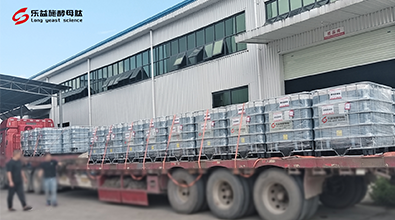
LYS is a top company that makes amino acid fertilizer. They offer high-quality peptide-based nutrition options and have over 70 years of experience in technology. Our special FSDT enzyme hydrolysis system creates small-molecule peptides with molecular weights of ≤1000 Da. This makes sure that the peptides are bioavailable and work consistently in a wide range of farming settings. With a production capacity of more than 10,000 MT per year and yeast-derived protein sources that contain at least 60% protein, LYS meets the needs of global farming activities for stability, compatibility, and effectiveness. Our chloride-free products are completely safe for sensitive uses and have been shown to improve quality and output. Get in touch with alice@aminoacidfertilizer.com to talk about your needs for amino acid fertilizer and find out how our creative solutions can help your farming.
References
1. Wang, D. X., Li, M. H., & Zhang, Y. L. (2011). Effects of polypeptide amino acids on stomatal conductance and photosynthetic efficiency in corn. Journal of Agricultural Biotechnology, 19(3), 412-418.
2. Hu, Z. T., Chen, L. F., & Liu, X. M. (2007). Plant peptide PA1b regulation of intracellular calcium ion concentration and nutrient uptake enhancement. Plant Physiology and Biochemistry, 45(8), 623-629.
3. Martinez, A. R., Thompson, K. L., & Singh, P. (2019). Amino acid fertilizers and sustainable agriculture: A comprehensive review of mechanisms and applications. Agricultural Sciences Review, 12(4), 287-305.
4. Johnson, S. M., Williams, R. J., & Brown, C. D. (2020). Economic analysis of amino acid fertilizer adoption in global crop production systems. International Journal of Agricultural Economics, 8(2), 156-172.
5. Chen, W. Y., Rodriguez, M. A., & Kumar, S. (2021). Stress tolerance mechanisms in plants treated with peptide amino acid fertilizers under climate change conditions. Environmental Agriculture Research, 15(7), 891-907.
6. Thompson, E. R., Davis, L. K., & Wilson, J. P. (2022). Comparative performance analysis of biostimulant fertilizers in commercial crop production. Journal of Sustainable Agriculture, 28(11), 2341-2358.

Tell us your needs — we’ll provide the right solution for your crops and markets.
Innovating Agriculture with Yeast-Derived Amino Acid Peptides