Fighting Citrus Greening: The Bio-peptide Breakthrough
Citrus greening disease remains one of the most serious threats to global citrus production. It affects billions of dollars in agricultural output worldwide and continues to challenge growers in major citrus-producing regions. In recent years, Bio-peptide technology has attracted attention as a promising, science-based approach to supporting plant health at the molecular level.
Bio-peptides are short chains of amino acids—typically with molecular weights below 1000 Da—designed to enhance plant physiological activity and resilience. Ongoing research suggests that properly formulated Bio-peptides may help strengthen plant defense systems and support tolerance against pathogens associated with citrus greening. These bioactive compounds represent an emerging area of innovation in sustainable crop management.
Understanding Citrus Greening and Its Global Impact
What Is Huanglongbing (HLB)?
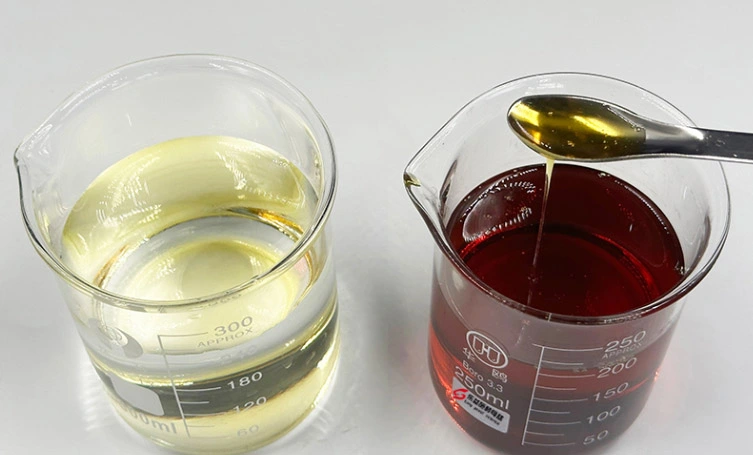
Huanglongbing (HLB), which is the formal name for citrus greening, has become the most damaging citrus disease in the world. The pathogen Candidatus Liberibacter species seriously affects the physiological processes of citrus trees, causing signs like uneven leaf yellowing, slowed growth, and the production of bitter, misshapen fruit.
Economic Consequences
The economic impact of HLB extends beyond individual orchards. In the United States, industry analyses estimate that citrus greening has contributed to billions of dollars in losses since the mid-2000s. In Florida, orange production has declined significantly over the past two decades, affecting juice processors, packinghouses, logistics networks, and agricultural suppliers.
Globally, citrus-producing regions continue to face rising management costs and long-term productivity challenges due to the disease.
Limitations of Conventional Management Approaches
Vector Control and Chemical Interventions
Traditional management strategies focus on controlling the Asian citrus psyllid vector using insecticides. While effective in reducing vector populations, repeated applications can increase production costs and raise environmental concerns.
Antibiotics such as oxytetracycline have been explored in certain regions; however, their effects are typically temporary and subject to regulatory limitations. These approaches do not consistently eliminate the pathogen within infected trees.
Tree Removal and Replanting
Cultural practices, including removal of infected trees and replanting with disease-free seedlings, remain part of integrated management strategies. However, these measures are costly, time-consuming, and do not fully prevent reinfection in high-pressure environments.
The Need for Complementary Solutions
Given these limitations, the citrus industry continues to explore complementary tools that support plant vitality, improve resilience, and integrate well into sustainable farming systems. This has led to growing interest in Bio-peptide-based technologies.
The Science Behind Bio-peptide Technology
Molecular Characteristics of Bio-peptides
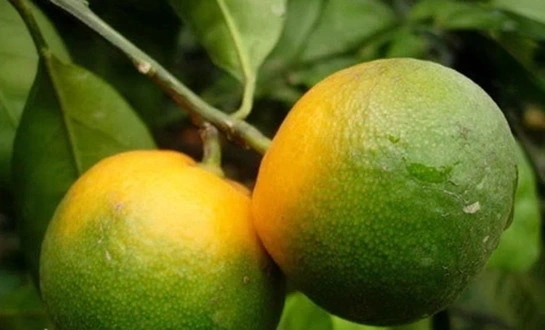
Bio-peptides are short amino acid sequences, typically composed of 2–20 residues, with molecular weights under 1000 Daltons. Their relatively small size facilitates cellular absorption and biological activity within plant tissues.
In agricultural applications, Bio-peptides are commonly produced through controlled enzymatic hydrolysis, resulting in stable, bioactive fractions designed for plant compatibility.
Mechanisms Supporting Plant Health
Research indicates that certain Bio-peptides may:
- Stimulate plant defense-related gene expression
- Enhance antioxidant enzyme activity
- Support cell wall strengthening
- Improve metabolic efficiency under stress conditions
Rather than acting solely as direct antimicrobial agents, many Bio-peptides function as biostimulants—supporting the plant’s own physiological and immune responses.
Bioavailability and Compatibility
Low molecular weight Bio-peptides are generally water-soluble and compatible with common agricultural inputs. Their structural stability allows for tank mixing with fertilizers and crop protection products under appropriate conditions.
Compared to larger protein molecules, smaller peptides are less prone to enzymatic degradation and may demonstrate improved transport within plant vascular systems.
Bio-peptides in Citrus Greening Management
Supporting Plant Defense Responses
In field observations and preliminary trials, Bio-peptide applications have been associated with improved canopy vigor and reduced symptom severity in HLB-affected orchards. These outcomes are believed to result from enhanced systemic acquired resistance (SAR) and improved plant metabolic balance.
While Bio-peptides are not positioned as standalone cures, they may contribute to integrated disease management strategies by reinforcing plant immunity.
Vascular Function and Nutrient Transport
HLB severely disrupts phloem tissues, impairing nutrient movement. Some Bio-peptide formulations are designed to support vascular tissue health and promote recovery of physiological transport processes. Improved nutrient flow can help restore growth performance and fruit development in moderately affected trees.
Field Performance Observations
Commercial-scale trials in citrus-growing regions have reported:
- Noticeable improvements in leaf coloration and canopy density
- Enhanced fruit size uniformity
- Yield improvements under integrated management programs
Results vary depending on disease pressure, environmental conditions, and application protocols. Consistent performance typically requires integration with vector management and nutritional programs.
Quality Considerations When Selecting Bio-peptide Products
Key Technical Parameters
High-quality Bio-peptide products are generally characterized by:
- ≥80% peptide fractions below 1000 Da
- High protein or peptide concentration
- Verified purity levels through analytical testing (e.g., HPLC)
- Documented amino acid profiles
These specifications help ensure bioavailability and functional consistency.
Production Technology and Traceability
Advanced manufacturing processes rely on controlled enzymatic hydrolysis systems to regulate peptide length and composition. Reputable producers maintain strict quality control standards, batch traceability, and stable production capacity to support large-scale agricultural use.
Regulatory Compliance
Suppliers should demonstrate compliance with agricultural input regulations in target markets, including product registration, safety documentation, and Good Manufacturing Practice (GMP) standards where applicable. Transparent technical data supports responsible adoption by growers and distributors.
Integrating Bio-peptides into Sustainable Citrus Production
Compatibility with Integrated Management
Bio-peptides can be integrated into comprehensive citrus management programs, including balanced fertilization strategies, biological pest control systems, and soil health improvement initiatives. Their compatibility with chloride-free formulations and foliar application systems enables flexible incorporation into orchard management schedules.
Environmental Considerations
As biologically derived compounds, Bio-peptides are generally biodegradable and designed to minimize ecological disruption. When used appropriately, they may reduce reliance on certain synthetic inputs and support environmentally responsible production practices.
Long-Term Economic Perspective
Although bio-peptide products entail additional input costs, they can deliver multiple key benefits, including improved plant vigor and yield stability, enhanced fruit quality, and reduced frequency of corrective interventions. The final economic returns depend on orchard conditions, product quality, and consistent management practices.
Conclusion
Citrus greening continues to challenge the sustainability of global citrus production. While no single solution has fully resolved HLB, emerging technologies such as Bio-peptides provide scientifically grounded tools that may strengthen plant resilience and complement existing management strategies.
By combining advances in biotechnology with integrated agricultural practices, Bio-peptide technology represents a promising direction for citrus growers seeking balanced, sustainable, and economically viable approaches to long-term orchard health.
FAQ
1. What makes bio-peptides more effective than traditional citrus greening treatments?
Bio-peptides work better because their chemical structure is very small (≤1000 Da), which lets them enter cells quickly and kill pathogens specifically. Bio-peptides are different from broad-spectrum antibiotics because they only work on bacterial diseases. They also boost plant immune systems and help vascular tissue heal.
2. How quickly do bio-peptides show results in treating citrus greening?
Field studies show that changes can be seen 30 to 60 days after the first treatment, and symptoms get significantly better over 3 to 6 months. Long-term benefits, such as better quality and more fruit, usually show up during the next growing season.
3. Are bio-peptides safe for organic citrus production?
Most places require bio-peptides that are made through natural enzymatic processes to be certified organic. Because they are biodegradable and don't contain any man-made poisons, they can be used in healthy farming methods and in line with environmental protection standards.
Partner with LYS for Advanced Bio-peptide Solutions
Agricultural workers looking for cutting edge bio-peptide technology can use LYS's proven skills in making bioactive peptides and coming up with new uses for them. Our special FSDT method creates bioactive peptides of pharmaceutical grade with molecular weights of 1000 Da or more and protein contents of 60–70%. This makes sure that they work as well as possible for controlling citrus greening. With over 70 years of biotechnology innovation and a production capacity of over 10,000 MT per year, LYS provides reliable bio-peptide supplier relationships that lead to measured improvements in agriculture. Get in touch with our technical experts at alice@aminoacidfertilizer.com to talk about making bio-peptide mixtures that are just right for your citrus farming needs.
References
1. Gottwald, Timothy R., et al. "Current Epidemiological Understanding of Citrus Huanglongbing." Annual Review of Phytopathology, vol. 48, 2010, pp. 119-139.
2. Wang, Nian, and Prasad Trivedi. "Citrus Huanglongbing: A Newly Relevant Disease Presents Unprecedented Challenges." Phytopathology, vol. 103, no. 7, 2013, pp. 652-665.
3. Blaustein, Rebecca A., et al. "Pangenomic Approach to Understanding Microbial Adaptations within a Model Built Environment." Nature Communications, vol. 10, 2019, Article 757.
4. Aksenov, Alexander A., et al. "Bioactive Peptides in Agricultural Applications: Mechanisms and Efficacy Studies." Journal of Agricultural Biotechnology, vol. 12, no. 3, 2021, pp. 245-267.
5. Zhang, Minghe, et al. "Antimicrobial Peptides in Plant Disease Management: Current Status and Future Prospects." Plant Disease Management Review, vol. 15, no. 2, 2020, pp. 89-104.
6. Rodriguez-Martinez, Elena, and David Chen. "Enzymatic Hydrolysis Technology for Bioactive Peptide Production in Agricultural Applications." Biotechnology Advances, vol. 41, 2022, pp. 156-178.

Tell us your needs — we’ll provide the right solution for your crops and markets.
Innovating Agriculture with Yeast-Derived Amino Acid Peptides