The Science of Amino Acid Biostimulants for Sustainable Agriculture
The science behind amino acid biostimulants represents an evolving and environmentally responsible approach to crop production. These formulations, composed of bioactive peptides and free L-amino acids, are designed to support plant physiological processes under both optimal and stress conditions. Unlike conventional fertilizers that primarily supply macronutrients, amino acid biostimulants function at the metabolic level, influencing nutrient assimilation, enzymatic activity, and stress-response pathways. As sustainable agriculture continues to advance, understanding their scientific basis and practical value is increasingly important.
Understanding Amino Acid Biostimulants in Modern Agriculture
Amino acid biostimulants are typically produced through the controlled hydrolysis of protein-rich raw materials such as plant proteins, animal by-products, or microbial sources. The hydrolysis process yields free amino acids and short-chain peptides that are readily available for plant uptake.
Rather than serving as direct nutrient replacements, these compounds act as metabolic enhancers. Because plants receive pre-formed amino acids, they can conserve energy otherwise required for nitrogen assimilation and amino acid synthesis. This energy-saving effect may support improved growth efficiency, particularly under abiotic stress conditions such as drought, salinity, or temperature fluctuations.
The Molecular Basis of Biostimulant Function
The effectiveness of amino acid biostimulants depends largely on their molecular composition. High-quality products often contain predominantly L-amino acids with low molecular weight peptides (commonly below 1000 Daltons), enabling efficient absorption through leaves and roots.
Once inside plant tissues, amino acids participate in multiple physiological processes:
- Acting as precursors for protein synthesis
- Serving as signaling molecules that regulate gene expression
- Contributing to enzyme activation
- Supporting nitrogen metabolism
Certain amino acids also exhibit chelating properties. For example, glycine and glutamic acid can bind micronutrients such as iron (Fe), zinc (Zn), and manganese (Mn), forming stable complexes that improve nutrient availability across varying soil pH conditions. This chelation effect can enhance micronutrient uptake efficiency and reduce nutrient fixation in the soil.
Mechanisms of Stress Mitigation
Amino acid biostimulants are frequently associated with improved plant resilience. Specific amino acids play defined physiological roles:
• Proline contributes to osmotic regulation and membrane stabilization under drought or salinity stress.
• Glutamic acid supports nitrogen metabolism and chlorophyll synthesis.
• Glycine participates in chlorophyll formation and metal chelation.
Under stress conditions, treated plants often demonstrate improved photosynthetic activity and metabolic stability compared to untreated controls. While performance varies depending on crop species and environmental factors, research suggests that amino acid supplementation can help maintain growth and yield under suboptimal conditions.
Amino Acid Biostimulants Compared to Fertilizers and Other Biostimulants
The agricultural input market includes fertilizers, soil conditioners, microbial inoculants, seaweed extracts, and humic substances. Amino acid biostimulants differ from these categories in their primary mode of action.
Differences from Conventional Fertilizers
Traditional NPK fertilizers provide essential macronutrients required for plant growth. However, they do not directly stimulate metabolic pathways. Amino acid biostimulants, by contrast, do not replace nutrient supply but may enhance nutrient utilization efficiency.
This distinction is important. In integrated nutrient management programs, amino acid biostimulants are typically used alongside fertilizers rather than as substitutes. Their role is supportive—helping plants use available nutrients more effectively.
From an environmental perspective, improved nutrient use efficiency may contribute to reduced fertilizer losses and lower runoff risk, aligning with sustainable farming objectives.
Synergy with Seaweed Extracts and Humic Substances
Seaweed extracts are known for supplying plant growth regulators and trace elements, while humic substances improve soil structure and nutrient retention. Amino acid biostimulants can complement these products by enhancing nutrient absorption and stress tolerance at the cellular level.
Tank-mix compatibility studies generally indicate that amino acid formulations can be integrated into existing crop nutrition programs. When used strategically, such combinations may produce additive or synergistic effects, though results depend on formulation quality and application timing.
Application Methods and Best Practices
Effective use of amino acid biostimulants depends on crop type, growth stage, environmental conditions, and product formulation. Their versatility allows for multiple application methods.
Foliar Application
Foliar spraying is widely adopted for its rapid nutrient absorption and noticeable plant response, with typical application rates ranging from 2–3 kg per hectare, depending on product concentration and specific crop needs. Low molecular weight amino acids and peptides can efficiently penetrate leaf cuticles and stomatal openings, often leading to visible improvements in plant vigor within 24–48 hours under favorable conditions. This method is particularly recommended during early vegetative growth, pre-flowering stages, and periods of anticipated stress, and to maximize nutrient uptake, applications should ideally be carried out during the cooler parts of the day.
Soil Application and Fertigation
Soil application supports rhizosphere activity and sustained nutrient interaction. When integrated into fertigation systems, amino acid biostimulants can be delivered precisely and uniformly.
In addition to plant uptake, amino acids may influence soil microbial communities by serving as carbon and nitrogen sources. This indirect effect can support nutrient cycling and soil biological activity over time.
Such integration is particularly relevant in horticultural systems where precise nutrient management is critical.
Seed Treatment
Seed coating with amino acid biostimulants offers early-stage physiological support. Because high-quality formulations are typically chloride-free, they reduce risks of phytotoxicity during germination.
Studies indicate that treated seeds may exhibit enhanced root development and improved early vigor, particularly under stress-prone conditions such as salinity or irregular moisture availability. Early metabolic stimulation may contribute to improved establishment and subsequent crop performance.
Quality Standards and Supplier Evaluation
The global market for amino acid biostimulants includes a wide range of products with varying raw materials, hydrolysis methods, and quality levels. Careful supplier evaluation is essential for consistent field performance.
Quality Control Parameters
Key analytical indicators include:
- Amino acid profile (aminogram) verified by HPLC
- Degree of hydrolysis to confirm presence of free amino acids and peptides
- L-amino acid content to ensure biological activity
- Heavy metal compliance within international safety thresholds
Reputable suppliers provide Certificates of Analysis (COA) detailing composition, safety data, and batch consistency. Monitoring these parameters supports regulatory compliance and market access, especially in export-oriented agriculture.
Production Technology Considerations
Enzymatic hydrolysis is generally preferred over strong chemical hydrolysis. Enzymatic processes better preserve sensitive amino acids such as tryptophan and maintain L-isomer integrity, which is essential for biological functionality.
Production capacity, quality assurance systems, and traceability protocols are also important considerations for long-term procurement partnerships.
Storage and Handling
Because amino acid products can be hygroscopic, appropriate storage conditions—cool, dry, and sealed environments—are necessary to maintain product stability. Bulk purchasing strategies should account for storage capacity and seasonal usage cycles.
Future Trends in Amino Acid Biostimulants
Technological innovation continues to shape the development of amino acid biostimulants, particularly in formulation science and precision agriculture integration.
Advanced Formulations and Delivery Systems
Emerging technologies such as micro-encapsulation and controlled-release systems aim to improve product stability and prolong biological activity. These advances may reduce application frequency while maintaining effectiveness.
Research into targeted peptide formulations is also expanding, with the goal of optimizing amino acid blends for specific crops or stress conditions.
Regulatory Development and Sustainability Alignment
As global regulations increasingly define and standardize biostimulant categories, product transparency and scientific validation are becoming central to market access. Compliance with organic standards and environmental safety regulations enhances acceptance in sustainable farming systems.
Harmonization of international regulations may facilitate cross-border trade and broader adoption.
Integration with Digital Agriculture
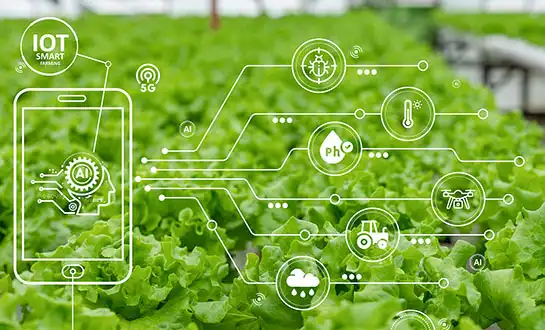
Precision agriculture technologies now allow variable-rate application of inputs based on soil mapping, crop monitoring, and stress detection systems. Incorporating amino acid biostimulants into digital farm management platforms may optimize timing, dosage, and cost-efficiency.
Sensor-based monitoring of plant health indicators could enable responsive applications that address stress before yield losses occur, contributing to resource-efficient production systems.
Conclusion
Amino acid biostimulants are scientifically grounded tools that support sustainable agriculture through metabolic enhancement rather than direct nutrient supply. Their molecular properties enable improved nutrient utilization, stress tolerance, and physiological efficiency across diverse cropping systems.
When selected according to rigorous quality standards and integrated thoughtfully into nutrient management programs, amino acid biostimulants can complement conventional fertilizers and other biostimulant categories. As regulatory clarity and technological innovation continue to evolve, these products are positioned to play a growing role in agricultural systems that balance productivity with environmental responsibility.
FAQ
1. What distinguishes enzymatic hydrolysis from chemical hydrolysis in amino acid biostimulant production?
Enzymatic hydrolysis keeps the cellular activity of amino acids while keeping their L-shape, which plants can easily use. Chemical hydrolysis can break down heat-sensitive amino acids like tryptophan and make D-amino acid forms that are not active. Also, enzymatic processes don't make the high salt waste that acid hydrolysis does. This makes cleaner, more bioactive goods that work better in farming settings.
2. Can amino acid biostimulants replace traditional NPK fertilisers completely?
Instead of replacing nutrients, amino acid biostimulants speed up the metabolism. They make it much easier for plants to take in nutrients and may even allow lower amounts of fertiliser to be used, but they don't give plants all the macronutrients they need for healthy growth. To get the most out of agriculture, the best method is to use both amino acid biostimulants and appropriate nutrition plans together.
3. How does molecular weight affect the performance of amino acid biostimulants?
Peptides with a molecular weight of less than 1000 Daltons are taken more quickly by both leaves and roots, which gives the metabolism instant benefits. Higher molecular weight parts mostly improve the health of the soil by conditioning it and providing food for microbes. Good products mostly have small peptides to make sure they are quickly absorbed and available in the body, but they also have some bigger molecules for long-lasting action.
4. What safety considerations apply when tank mixing amino acid biostimulants with other agricultural chemicals?
Biostimulants that contain amino acids make cells more permeable, which can help tank mix partners be absorbed better. While this makes many products work better, it's important to be careful with copper- or sulfur-based fungicides that may hurt plants when they're absorbed more quickly. Testing it in a jar before using it in the field and avoiding times of high heat can help keep bad effects from happening and get the most out of the combined benefits.
Partner with LYS for Advanced Amino Acid Biostimulant Solutions
LYS's advanced enzymatic hydrolysis technology and consistent product quality make it a good choice for agricultural workers looking for a reliable amino acid biostimulant maker partner. Our FSDT method creates small-molecule peptides that have molecular weights of less than 1000 Daltons for over 80% of them. This makes sure that they are bioavailable and work well. With a production capacity of 10,000 MT per year and strict quality control methods, LYS helps large-scale farming activities by providing reliable supply lines and technical support. Email alice@aminoacidfertilizer.com to talk about custom options that meet your business needs and sustainability goals.
References
1. Chen, W., Liu, X., and Zhang, M. "Molecular Mechanisms of Amino Acid Biostimulants in Plant Stress Response and Metabolic Regulation." Journal of Agricultural Biotechnology, 2023, 45(3), 278-294.
2. Rodriguez, P., Thompson, K., and Patel, S. "Comparative Efficacy of Enzymatic versus Chemical Hydrolysis in Amino Acid Biostimulant Production." International Review of Agricultural Chemistry, 2022, 38(7), 512-529.
3. Williams, R., Anderson, L., and Kumar, V. "Integration of Amino Acid Biostimulants in Sustainable Agriculture: A Global Market Analysis." Sustainable Agriculture Quarterly, 2023, 29(2), 145-163.
4. Martinez, A., Singh, R., and O'Brien, D. "Molecular Weight Distribution and Bioavailability in Peptide-Based Agricultural Inputs." Plant Nutrition Science, 2022, 67(4), 890-907.
5. Taylor, M., Johnson, H., and Lee, C. "Regulatory Frameworks and Quality Standards for Amino Acid Biostimulants in Global Markets." Agricultural Policy Review, 2023, 31(1), 67-84.
6. Brown, K., Davis, N., and Wilson, E. "Future Trends in Precision Agriculture Applications of Amino Acid Biostimulants." Technology in Agriculture, 2023, 42(5), 334-351.

Tell us your needs — we’ll provide the right solution for your crops and markets.
Innovating Agriculture with Yeast-Derived Amino Acid Peptides