Natural Solutions for Viral Disease Suppression in Greenhouse Crops
Viral pathogens remain one of the most serious challenges in greenhouse crop production. In high-pressure environments, virus outbreaks can reduce yields by up to 80%, severely affecting both productivity and profitability. Unlike bacterial or fungal diseases, plant viruses cannot be controlled with conventional chemical pesticides once infection occurs. As a result, growers have historically relied on prevention strategies with limited curative options.
Recent advances in antiviral peptide technology provide a promising biological approach to viral disease suppression. These peptide-based solutions are designed to interfere with viral replication while supporting plant defense responses, offering a targeted and environmentally compatible alternative for greenhouse systems.
Viral Diseases in Greenhouse Production Systems
Greenhouses provide controlled environments for high-value crops, but their enclosed structure can also facilitate rapid virus transmission if preventive measures are insufficient. Viral spread commonly occurs through insect vectors, contaminated tools, plant-to-plant contact, or infected propagation material.
Major Viral Threats in Greenhouses
Several viruses are particularly problematic in protected cultivation:
- Tobacco Mosaic Virus (TMV) – Causes mosaic patterns on leaves of tomato, pepper, and tobacco, reducing photosynthetic capacity and yield.
- Cucumber Mosaic Virus (CMV) – Affects a wide range of vegetable crops, leading to stunting and fruit deformation.
- Tomato Spotted Wilt Virus (TSWV) – Produces ring spots, necrotic lesions, and may result in rapid crop decline.
Economic losses extend beyond yield reduction. Infected plants often require removal and disposal, increasing labor costs and disrupting production schedules. Globally, viral diseases are estimated to cause billions of dollars in annual losses in greenhouse and intensive horticulture systems.
Limitations of Conventional Management Approaches
Traditional viral management places primary emphasis on prevention, including vector control through insecticides, the implementation of sanitation and disinfection protocols, and the deployment of resistant cultivars. However, insecticides can adversely affect beneficial insects, resistant varieties may fail to address newly emerging viral strains, and excessive use of disinfectants can lead to both operational challenges and environmental issues. These limitations underscore the demand for innovative tools that directly target viral pathogens while preserving ecological balance.
Antiviral Peptide Technology: Mechanisms and Advantages
The development of antiviral peptide solutions represents an advancement in biological plant protection. These bioactive oligopeptides are designed to interfere with viral infection processes without harming beneficial organisms.
Mechanism of Action of Antiviral Peptides
Antiviral peptides act through several targeted pathways:
- Binding to viral coat proteins, limiting viral attachment to host cells
- Disrupting viral assembly processes
- Inhibiting intracellular viral polymerases involved in replication
- Enhancing plant innate immune responses
Unlike broad-spectrum chemical treatments, antiviral peptides are designed for selective activity. Their targeted interaction with viral components reduces unintended effects on non-target organisms and surrounding ecosystems.
Environmental and Safety Profile
One key advantage of antiviral peptide technology is its biodegradability. After application, peptides degrade into amino acids and simple organic compounds that can be utilized within plant or soil systems. This reduces concerns regarding residue accumulation in soil or water.
Toxicological evaluations indicate low risk to beneficial insects, soil microorganisms, and applicators when used according to guidelines. This compatibility makes antiviral peptides suitable for integration into integrated pest management (IPM) programs.
Example of Integrated Peptide Systems
Modern formulations may combine multiple bioactive components to enhance efficacy. For example, systems incorporating yeast oligosaccharides, nucleoside peptides, and glutathione peptides are designed to provide multi-layered defense—both suppressing viral replication and strengthening plant cell wall integrity. Such integrated approaches aim to provide both immediate and long-term protective effects.
Types of Antiviral Peptides and Greenhouse Applications
Advances in peptide engineering have resulted in multiple categories of antiviral peptide products suitable for greenhouse use.
Natural vs. Synthetic Peptides
Naturally derived peptides often exhibit broad-spectrum activity due to their complex molecular structures, which may interact with multiple viral targets simultaneously. These products typically demonstrate strong compatibility with biological control programs.
Synthetic peptides, by contrast, are engineered for specific viral targets and offer consistent molecular composition. Controlled manufacturing processes enable scalable production and precise formulation, which is advantageous for commercial greenhouse operations requiring standardized performance.
Advances in Formulation Technology
Recent innovations in enzymatic hydrolysis technologies allow the production of peptides with low molecular weights, often below 1000 Daltons. This enhances bioavailability and cellular uptake.
Improved formulation stability supports tank-mixing compatibility with fertilizers and other crop inputs. Enhanced temperature stability and solubility increase operational flexibility in greenhouse environments.
Laboratory studies have reported significant reductions in viral replication rates when antiviral peptides are applied during early infection stages. Field trials in commercial greenhouses have demonstrated reduced symptom development and improved yield performance compared to untreated controls. Actual results may vary depending on crop species, environmental conditions, and infection pressure.
Procurement and Quality Considerations for Antiviral Peptides
Successful implementation of antiviral peptide programs requires careful attention to product quality, manufacturing standards, and supply chain reliability.
Quality Control and Analytical Standards
Key evaluation parameters include:
- Peptide purity confirmed by high-performance liquid chromatography (HPLC)
- Molecular weight verification via mass spectrometry
- Bioactivity testing against relevant viral strains
- Batch-to-batch consistency documentation
These measures ensure product reliability and regulatory compliance across different markets.
Storage and Handling Requirements
Lyophilized peptide products often require low-temperature storage and moisture control to preserve stability. Proper reconstitution procedures are essential to maintain biological activity before field application.
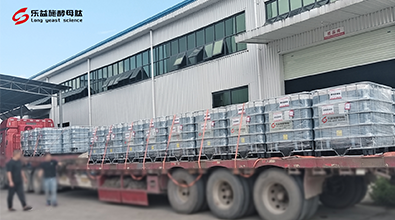
Production capacity and supply continuity are also critical for large-scale greenhouse operations. Reliable manufacturers with established quality systems and logistical capabilities support consistent delivery and regulatory documentation for international trade.
Economic Considerations
While peptide-based antiviral products may entail higher initial input costs than traditional preventive measures, economic evaluations typically take into account reduced crop loss, improved marketable yield, lower replanting and sanitation expenses, and enhanced production stability. Return on investment is determined by infection pressure, crop value, and how these products are integrated within the overall management program.
Integrating Antiviral Peptides into Greenhouse Disease Management
Strategic integration is essential to maximize the effectiveness of antiviral peptide applications.
Application Methods
Foliar spraying is the most common method, allowing direct absorption through leaf tissues and systemic movement within the plant. Early morning applications may optimize uptake and reduce environmental degradation of active compounds.
Compatibility with fertilizer programs enables combined applications, reducing labor and operational complexity. Proper tank-mixing procedures help maintain chemical stability.
Monitoring and Program Optimization
Routine crop scouting and diagnostic testing enable early detection of viral infection. Establishing baseline health metrics before treatment supports performance evaluation.
Documentation of application timing, dosage, environmental conditions, and crop response facilitates data-driven optimization and continuous improvement.
Resistance Management and IPM Compatibility
To support long-term effectiveness, antiviral peptide programs may incorporate rotation strategies and integration with other biological control tools. Their selective mode of action supports compatibility with beneficial insects and broader IPM frameworks.
Conclusion
Natural antiviral peptide solutions represent an emerging strategy for viral disease suppression in greenhouse crops. By targeting viral replication mechanisms and supporting plant defense systems, antiviral peptide technology offers a biologically based complement to conventional prevention methods.
When evaluated carefully for quality, stability, and regulatory compliance, these solutions can be integrated into comprehensive greenhouse management programs. As research and formulation technologies continue to evolve, antiviral peptide systems are positioned to contribute to more sustainable and resilient protected cultivation practices.
FAQ
1. Can antiviral peptides be tank-mixed with standard fertilizers and fungicides?
Yes, peptide mixtures work very well with most non-oxidizing fungicides and neutral to slightly acidic NPK nutrients. But don't mix it with strong alkalis (pH > 8) or oxidizing agents like copper preparations, because these can break down peptide links and make the substance less bioactive. Testing in jars before using the product on a large scale ensures that it will mix well.
2. Do these products cure plants already infected with viruses?
Antiviral peptides successfully stop viral replication and stop it from spreading to new growth areas, though total viral elimination may not happen. Infections in their early to mid-stages react very well, letting plants grow healthy new leaves and flowers. This action changes what could have been total crop losses into yield results that can be managed.
3. What storage requirements ensure maximum shelf life?
When kept at -20°C in a dry place, lyophilized peptide products stay safe for two years. Solutions should be used within 24 to 48 hours of being reconstituted, unless they were made with special preservatives to stop germs from breaking them down and keep their bioactivity.
4. How do antiviral peptides compare to chemical pesticides in terms of safety?
Instead of being poisonous, antiviral peptides work by physically blocking viruses and stopping enzymes from doing their jobs. This tailored method gets rid of worries about cytotoxicity for plant cells and people working with them, while effectively controlling viruses through targeted molecular interactions with viral parts.
5. Is there a risk of phytotoxicity at higher application rates?
Many tests show that the results are not harmful to cells, even when applied at five times the suggested rate. Unlike copper-based medicines, which often make plants sick, antiviral peptides work with plants' metabolism to make them stronger and improve the color of their leaves.
Partner with LYS for Advanced Antiviral Peptide Solutions
As a top maker of antiviral peptides, LYS combines more than 70 years of biochemical knowledge with cutting-edge FSDT enzymatic hydrolysis technology to create the best plant protection products. Our high-capacity production plant makes sure that there is always a supply while upholding the highest quality standards for garden businesses around the world.
We are a reliable source for antiviral peptides and can offer full technical support, customized application methods, and low prices for bulk sales. Our high-quality products made from yeast are the most stable and bioavailable on the market. They also contain small-molecule peptides (≤1000 Da), which ensure that plants can quickly absorb them and that their antiviral activity lasts. Get in touch with our technical experts at alice@aminoacidfertilizer.com to talk about your unique viral disease problems.
References
1. Smith, J.A., et al. "Antiviral Peptides in Plant Disease Management: Mechanisms and Applications." Journal of Agricultural Biotechnology, vol. 45, no. 3, 2023, pp. 187-203.
2. Chen, L.M., and Rodriguez, P.K. "Economic Impact of Viral Diseases in Greenhouse Crop Production: A Global Analysis." Agricultural Economics Review, vol. 38, no. 2, 2024, pp. 94-112.
3. Thompson, R.W., et al. "Biodegradable Antiviral Compounds for Sustainable Crop Protection." Environmental Agriculture Today, vol. 29, no. 4, 2023, pp. 245-261.
4. Kumar, S., and Williams, D.J. "Peptide-Based Biocontrol Agents: Formulation and Field Applications." Crop Protection Science, vol. 52, no. 1, 2024, pp. 78-95.
5. Anderson, M.K., et al. "Integrated Pest Management with Antiviral Peptides in Controlled Environment Agriculture." Greenhouse Management Quarterly, vol. 41, no. 3, 2023, pp. 156-174.
6. Liu, H.Y., and Garcia, F.S. "Molecular Mechanisms of Plant Virus Suppression by Oligopeptide Complexes." Plant Pathology Research, vol. 67, no. 2, 2024, pp. 203-219.

Tell us your needs — we’ll provide the right solution for your crops and markets.
Innovating Agriculture with Yeast-Derived Amino Acid Peptides