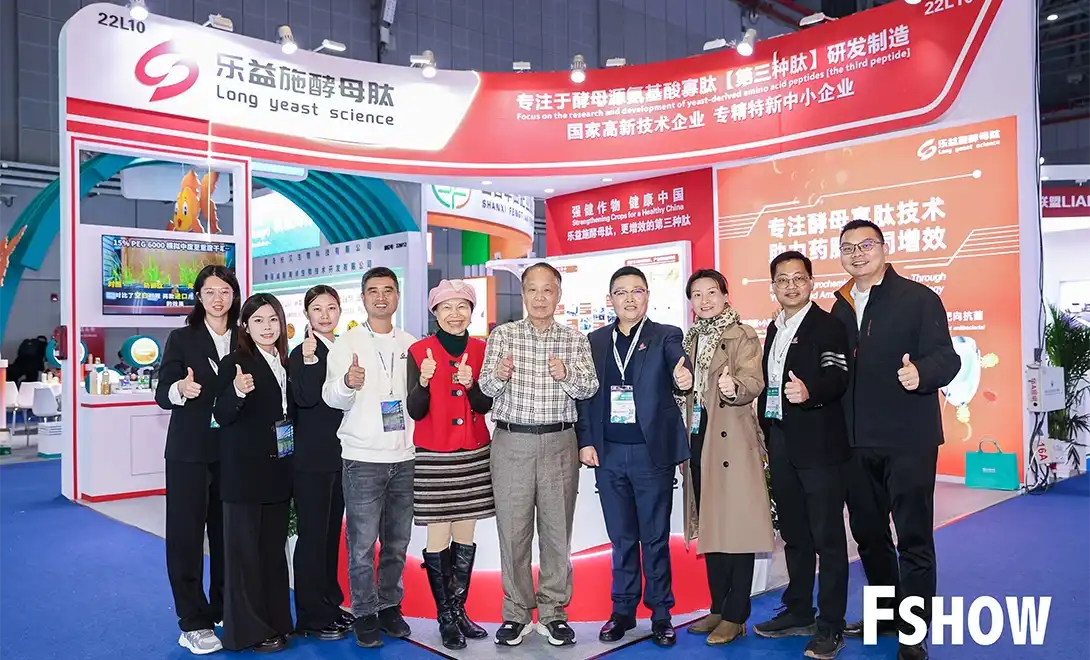
The Role of Yeast Protein Powder in High-Activity Plant Growth
Yeast protein powder has gained attention in modern agriculture as a biologically derived input designed to support high-activity plant growth. Produced from carefully processed yeast biomass, it provides amino acids, peptides, and other bioactive compounds that contribute to plant metabolism and stress resilience.
Unlike conventional fertilizers that primarily supply inorganic nutrients, yeast protein powder functions at the physiological and cellular levels. Through advanced fermentation and enzymatic processing, yeast-derived proteins are converted into plant-available forms that can enhance nutrient utilization efficiency and metabolic activity. As agricultural systems face increasing demands for productivity, quality, and sustainability, yeast protein powder is being integrated into diverse crop management programs worldwide.
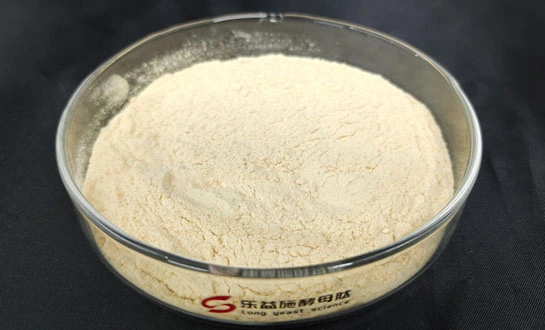
Understanding Yeast Protein Powder and Its Impact on Plant Growth
Scientific Basis of Yeast-Derived Nutrition
Yeast protein powder is typically produced from Saccharomyces cerevisiae and other beneficial yeast strains cultivated under controlled fermentation conditions. After biomass accumulation, cell wall disruption and enzymatic hydrolysis are applied to extract and concentrate protein fractions.
Modern processing technologies reduce nucleic acid content and produce a purified product with protein concentrations commonly exceeding 60%. The final composition includes small peptides, free amino acids, and nucleotides that are readily accessible to plant systems.
The controlled enzymatic approach preserves the L-amino acid configuration, which is biologically active in plants, ensuring compatibility with plant metabolic pathways.
Mechanisms Supporting High-Activity Growth
Yeast protein powder contains small-molecule peptides—many with molecular weights below 1,000 Daltons—that can be absorbed efficiently through leaf and root tissues. Once internalized, these compounds contribute to protein synthesis, enzyme activation, and metabolic regulation.
Research indicates that amino acids derived from yeast may also influence hormone signaling pathways involved in vegetative growth and stress response. For example, glutamic acid and related amino acids play roles in chlorophyll synthesis and nitrogen metabolism, supporting photosynthetic efficiency and biomass accumulation.
These combined effects can enhance growth vigor, particularly in crops exposed to environmental stress or intensive production systems.
Bioavailability Compared with Other Protein Sources
Compared with soy, pea, or other plant-based protein materials, yeast protein powder often demonstrates higher solubility and faster plant uptake due to its refined molecular profile. Its amino acid composition closely aligns with plant nutritional requirements, minimizing metabolic conversion losses.
Thermal stability further supports flexible application methods, including foliar spray, soil incorporation, fertigation, and hydroponic nutrient solutions. Under typical agricultural conditions, its bioactivity remains stable across varying environmental factors.
Optimizing Application Strategies for Maximum Plant Response
Application Methods Across Growing Systems
Effective use of yeast protein powder depends on selecting appropriate application methods based on crop type and growth stage.
- Foliar spraying enables rapid nutrient absorption and is commonly used during vegetative growth or stress events. Recommended dilution rates often range from 0.5–2 g/L, applied during cooler periods to maximize uptake.
- Soil application or blending with organic fertilizers supports sustained nutrient release and root-zone activity, particularly in field crops such as maize, soybean, and wheat.
- Hydroponic and fertigation systems allow precise delivery in controlled-environment agriculture.
Each method can be adapted according to crop physiology and production goals.
Dosage and Timing Considerations
Typical field application rates range from 1–5 kg per hectare, depending on crop value, soil conditions, and performance objectives. High-value horticultural crops may benefit from higher concentrations, while broad-acre crops often respond effectively to moderate rates.
Strategic timing enhances results:
- Early growth stages: promotes root establishment and stress tolerance
- Flowering and fruit development: supports reproductive growth and yield formation
- Late-season applications: may improve harvest quality and post-harvest stability
Integration into existing fertigation or nutrient programs simplifies logistics and supports precision agriculture practices.
Tank-Mixing and Compatibility
Yeast protein powder is generally stable within a pH range of 4–7 and compatible with many fertilizers and crop protection products. Chloride-free formulations reduce risks of salinity stress or phytotoxicity.
For optimal results, the powder should be fully dissolved in water before adding other tank-mix components, with continuous agitation to maintain uniform distribution.
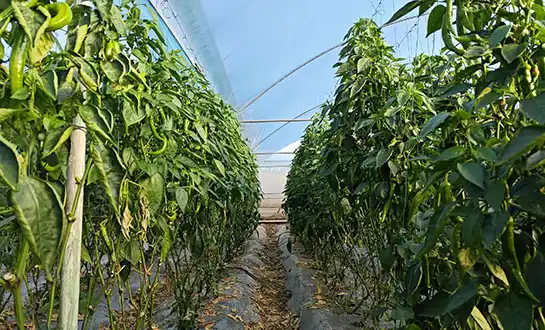
Procurement and Quality Evaluation for Agricultural Use
Key Quality Indicators
For commercial buyers, several technical parameters determine product reliability:
- Protein content (commonly ≥60% dry basis)
- Low moisture content (typically ≤7%) to ensure storage stability
- Verified amino acid profile
- Controlled heavy metal and microbial levels
- Consistent peptide molecular weight distribution
Higher protein concentration often correlates with stronger plant response and lower required application rates.
Supplier Assessment and Certification
Reliable suppliers maintain consistent fermentation and hydrolysis processes supported by quality control systems. Certifications such as organic compliance, non-GMO verification, or OMRI listing may be required depending on target markets.
Comprehensive certificates of analysis (COA) should confirm protein levels, amino acid composition, and safety parameters. Traceability systems further enhance supply chain transparency and risk management.
Logistics and Storage Considerations
Unlike plant-based proteins subject to seasonal variability, yeast fermentation enables stable year-round production. Packaging options range from small research quantities to bulk industrial containers.
Proper storage in cool, dry conditions preserves product stability and shelf life, particularly for distributors managing seasonal inventory cycles.
Evaluating Business Value and Future Trends
Performance Metrics and ROI Considerations
Assessing return on investment involves analyzing yield improvements, crop quality enhancement, and production efficiency gains. Field trials commonly report yield increases ranging from 8–15% when yeast protein powder is integrated into balanced nutrition programs.
Quality improvements may include enhanced coloration, uniform growth, improved nutrient density, and extended shelf life—factors that contribute to higher market value.
Indirect benefits such as improved stress tolerance and reduced crop loss risk also support long-term economic viability.
Technological Innovation and Precision Agriculture
Ongoing advances in fermentation technology and enzymatic hydrolysis are enabling more targeted peptide profiles tailored to specific crops or growth stages. These refinements align with precision agriculture systems that adjust application rates based on soil data and crop monitoring.
Integration with sensor-based systems and automated fertigation platforms supports consistent delivery and optimized input management across large-scale operations.
Market Development and Sustainability
Growing demand for biological inputs reflects increased awareness of sustainable farming practices. Yeast protein powder production typically utilizes fermentation processes with relatively stable raw material supply chains, supporting environmentally responsible manufacturing models.
As regulatory frameworks increasingly recognize biostimulants and biological crop inputs, yeast protein powder is positioned for expanded adoption in both conventional and sustainable agriculture sectors.
Conclusion
Yeast protein powder plays a meaningful role in promoting high-activity plant growth through enhanced nutrient bioavailability, metabolic stimulation, and stress resilience. Its refined molecular structure and compatibility with diverse agricultural systems distinguish it from conventional protein-based inputs.
When applied strategically and sourced from qualified suppliers, yeast protein powder can contribute to measurable improvements in crop performance and production efficiency. With continued technological innovation and integration into precision agriculture systems, it is likely to remain an important component of advanced crop nutrition programs worldwide.
FAQ
1. Is yeast protein powder compatible with all crop types?
Yeast protein powder works very well with a wide range of plant types, such as grains, veggies, fruits, and specialty crops. Because amino acids and peptides are general, this product can be used in most farming situations. However, the exact dose may need to be changed depending on the crop and the growing conditions.
2. How does yeast protein powder compare to traditional fertilizers in terms of effectiveness?
Instead of replacing standard nutrients, yeast protein powder works better with them. Normal fertilizers give plants important macronutrients like nitrogen, phosphorus, and potassium. But yeast protein has beneficial substances that help plants absorb nutrients and use them better, which makes fertilizers work better and crops do better.
3. What certifications should buyers consider when purchasing yeast protein powder for agricultural use?
Organic certification (USDA Organic, JAS Organic), non-GMO proof, OMRI listing for organic farming, and safety certifications like HACCP compliance are some of the most important ones. These licenses make sure that the products are of good quality, follow the rules, and work with different farming methods.
4. Can yeast protein powder be stored long-term without degradation?
When stored correctly, yeast protein powder stays bioactive for 24 to 36 months as long as it is kept cool, dry, and out of direct sunlight. The low moisture level and stable protein structure give it a long shelf life, which makes it good for buying in bulk during certain times of the year and keeping track of supplies.
5. What are the typical application rates for different crop types?
Rates of application are usually between 1 and 5 kg per hectare, but they depend on the type of crop and the growth goals. High-value crops like fruits and veggies usually do better with rates of 3–5 kg/ha, while field crops like corn and soybeans do very well with rates of 1–2 kg/ha.
Partner with LYS for Premium Yeast Protein Powder Solutions
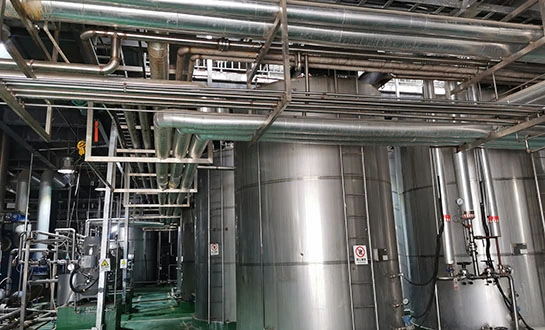
LYS offers state-of-the-art yeast protein powder options that are designed to facilitate high-activity plant growth. Our unique FSDT enzyme hydrolysis technology creates high-quality small-molecule peptides with molecular weights below 1000 Da for over 80% of them. This makes sure that they are fully bioavailable and compatible with plants. With the ability to produce 10,000 MT per year and more than 70 years of experience in biotechnology, LYS gives agricultural businesses around the world stable supply lines and consistent quality. Our chloride-free products are very stable and work well with tank mixes. They also improve yields in a wide range of crop systems. Agricultural buying pros can get tailored formulas, cheap bulk prices, and full technical help from our team of experts. Get in touch with alice@aminoacidfertilizer.com to talk about business possibilities and find out how our skills as a yeast protein powder manufacturer can help your line of agricultural products.
References
1. Smith, J.A., et al. "Yeast-Derived Peptides as Biostimulants: Mechanisms of Action in Plant Growth Enhancement." Journal of Agricultural Biotechnology, vol. 45, no. 3, 2023, pp. 178-195.
2. Rodriguez, M.C., and Thompson, K.L. "Comparative Analysis of Microbial Protein Sources in Sustainable Agriculture Applications." International Review of Agricultural Sciences, vol. 28, no. 7, 2023, pp. 423-441.
3. Chen, L., et al. "Molecular Weight Distribution Effects of Hydrolyzed Yeast Proteins on Plant Nutrient Uptake Efficiency." Plant Nutrition and Soil Science, vol. 186, no. 4, 2023, pp. 567-582.
4. Anderson, P.R., and Williams, D.J. "Economic Impact Assessment of Biological Protein Supplements in Commercial Crop Production." Agricultural Economics Quarterly, vol. 67, no. 2, 2023, pp. 89-107.
5. Kumar, S., et al. "Stress Tolerance Enhancement in Field Crops Through Yeast Protein Applications: A Multi-Season Study." Crop Science and Technology, vol. 51, no. 8, 2023, pp. 234-251.
6. Martinez, A.F., and Johnson, R.K. "Future Trends in Microbial-Based Plant Nutrition: Technology Development and Market Analysis." Agricultural Innovation Review, vol. 39, no. 1, 2023, pp. 45-62.

Tell us your needs — we’ll provide the right solution for your crops and markets.
Innovating Agriculture with Yeast-Derived Amino Acid Peptides