Organic Peptide Fertilizers for Low Nitrogen Availability
Nitrogen deficiency remains one of the most limiting factors in crop productivity worldwide. In soils with low nitrogen availability, conventional fertilizers often show reduced efficiency due to volatilization, leaching, or poor root uptake. Organic peptide fertilizer has emerged as a biologically derived alternative designed to improve nitrogen utilization efficiency while supporting soil health and plant metabolism.
Produced through enzymatic hydrolysis of high-quality protein sources, organic peptide fertilizers contain short-chain peptides—typically with molecular weights below 1,000 Daltons—that can be absorbed directly by plant peptide transporters. Beyond serving as nitrogen suppliers, these compounds may influence plant signaling pathways and microbial activity, offering a multifunctional approach to nutrient management in nitrogen-limited environments.
This article provides a scientific and neutral overview of organic peptide fertilizer, including its biochemical characteristics, comparison with traditional nitrogen fertilizers, practical application strategies, and procurement considerations for B2B markets.
Understanding Organic Peptide Fertilizer in Low Nitrogen Conditions
Biochemical Properties and Uptake Mechanisms
Organic peptide fertilizer is produced by enzymatically hydrolyzing proteins derived from sources such as non-GMO soybean, fish meal, or yeast. The hydrolysis process generates oligopeptides and small polypeptides while preserving biologically active L-amino acid configurations.
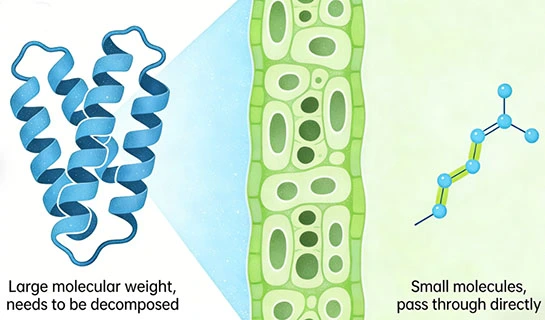
A key performance indicator is molecular weight distribution. High-quality products typically contain a significant proportion of peptides under 1,000 Daltons, supporting rapid membrane transport and bioavailability. Unlike inorganic nitrogen forms that require metabolic conversion before assimilation, small peptides may be absorbed directly through specialized peptide transporters (PTRs) in plant roots.
This uptake pathway reduces the energy expenditure associated with nitrogen assimilation, potentially allowing plants to allocate more resources toward growth, stress response, and yield formation.
Influence on Nutrient Cycling and Root Development
Organic peptide fertilizer can contribute to improved rhizosphere activity by providing carbon and nitrogen substrates that stimulate beneficial microbial populations. Increased microbial enzyme activity may enhance nitrogen mineralization and nutrient cycling efficiency compared with soils receiving only synthetic fertilizers.
Peptides also exhibit natural chelating properties, forming stable complexes with micronutrients such as iron, zinc, manganese, and copper. This chelation may reduce nutrient fixation in soil and improve trace element availability.
Field observations suggest that peptide-based fertilization can promote root biomass expansion and enhance membrane permeability, thereby improving overall nutrient and water uptake capacity.
Limitations of Traditional Nitrogen Fertilizers and the Advantages of Organic Peptides
Environmental and Agronomic Constraints
Conventional nitrogen fertilizers face well-documented challenges in efficiency and sustainability. Urea-based products may experience volatilization losses exceeding 20–30% under unfavorable conditions, while nitrate-based fertilizers are susceptible to leaching in sandy soils or during heavy rainfall events. These losses decrease nitrogen use efficiency (NUE) and contribute to groundwater contamination and greenhouse gas emissions.
Long-term reliance on chemical nitrogen sources can also increase soil acidity, disrupt microbial balance, and reduce soil structural stability. In addition, high salt index values in certain fertilizers may pose risks during sensitive growth stages such as seedling establishment or flowering.
Stability and Compatibility of Organic Peptide Fertilizer
Organic peptide fertilizer addresses several of these limitations through its biochemical stability and biological activity. Many formulations exhibit a mildly acidic pH range (approximately 4.0–6.0), which can improve nutrient solution stability and reduce precipitation in alkaline irrigation water systems.
Peptide-based products are generally compatible with a wide range of fertilizers and crop protection inputs, allowing flexible tank-mixing in integrated nutrient programs. Chloride-free formulations minimize salinity risks, making them suitable for fertigation systems and salt-sensitive crops.
Case observations from greenhouse and open-field production systems indicate improved crop uniformity and stress tolerance when peptide fertilizers are incorporated into balanced nutrition programs.

Selection Criteria for Organic Peptide Fertilizer in Nitrogen-Deficient Soils
Technical Evaluation Metrics
Choosing the appropriate organic peptide fertilizer requires assessment of both compositional and performance indicators. Important technical parameters include:
- Percentage of peptides under 1,000 Daltons
- Total peptide content below 5,000 Daltons
- Organic nitrogen concentration (commonly 8–16%)
- Verified amino acid profile
- Absence of harmful pathogens and heavy metals
Enzymatic hydrolysis is generally preferred over acid hydrolysis, as it preserves L-amino acid configurations that are more biologically active in plant systems.
Product Differentiation and Regulatory Compliance
High-quality products should demonstrate full water solubility to prevent clogging in drip irrigation systems. The absence of insoluble residues indicates proper filtration and manufacturing control.
Compliance with regional biostimulant regulations—such as EU Regulation 2019/1009 or equivalent standards in other markets—provides assurance of safety, traceability, and efficacy testing. Certification for organic farming compatibility may also be required in specific market segments.
For B2B buyers, supplier transparency in production processes, quality control systems, and batch traceability is essential for long-term partnership reliability.
Practical Application and Field Performance
Application Methods and Timing
Organic peptide fertilizer can be applied through multiple delivery systems depending on crop type and management goals:
- Foliar application, enabling rapid nutrient uptake and short-term stress mitigation
- Fertigation, ensuring consistent nutrient availability in the root zone
- Soil incorporation, supporting microbial activity and long-term fertility
Foliar sprays may show visible plant responses within hours due to rapid absorption of low-molecular-weight peptides. Root-zone applications, by contrast, contribute to sustained nutrient availability and soil biological enhancement.
Soil Health and Microbial Enhancement
Repeated application over multiple growing seasons may contribute to measurable improvements in soil organic matter and cation exchange capacity (CEC). The carbon fraction in peptide fertilizers supports beneficial microorganisms, which in turn promote nutrient cycling and structural stability in soil aggregates.
Peptide chelation also enhances micronutrient availability in high-pH soils, reducing the incidence of deficiency symptoms that commonly limit productivity.
Crop Yield and Quality Outcomes
Across various crop categories, including vegetables and fruit crops, research trials have reported yield increases ranging from 12% to 35%, depending on environmental conditions and overall management practices. Improvements have been observed in fruit set, leaf coloration, biomass accumulation, and post-harvest shelf life.
Peptide-induced activation of systemic acquired resistance (SAR) pathways has also been associated with enhanced tolerance to certain pathogens, although results vary by crop and environmental context.
Procurement and Supply Chain Considerations
Supplier Selection and Production Capacity
Reliable sourcing of organic peptide fertilizer requires collaboration with manufacturers experienced in enzymatic hydrolysis and large-scale fermentation processes. Consistent molecular weight distribution and amino acid profiles depend on precise process control.
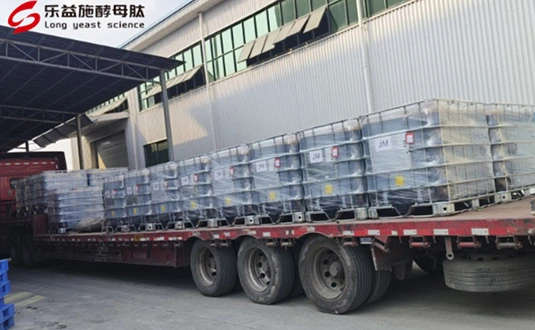
Production capacity, storage infrastructure, and packaging flexibility are critical for distributors serving seasonal agricultural markets. Suppliers capable of maintaining stable annual output volumes offer greater supply security for large-scale buyers.
Cost-Benefit and Long-Term Investment
While the per-unit nitrogen cost of organic peptide fertilizer may be higher than that of synthetic nitrogen sources, total economic evaluation should consider improvements in NUE, potential reductions in overall fertilizer input, and enhanced crop performance.
Long-term contracts and volume purchasing agreements can reduce procurement costs. In many cases, improved nutrient efficiency offsets higher initial product prices through increased yield and reduced environmental losses.
Quality Assurance and Regulatory Documentation
Comprehensive quality documentation—including certificates of analysis (COA), microbial safety reports, and heavy metal testing—is essential for risk management. Suppliers that provide regulatory support for multi-country distribution help reduce compliance burdens for wholesalers and exporters.
Conclusion
Organic peptide fertilizer provides a biologically driven strategy for addressing low nitrogen availability in modern agricultural systems. Its small molecular structure enables direct plant uptake, while its influence on soil microbial activity and nutrient cycling supports sustainable productivity.
Compared with traditional nitrogen fertilizers, organic peptide fertilizer offers advantages in stability, compatibility, and environmental impact. Successful implementation depends on careful product evaluation, appropriate application methods, and collaboration with qualified suppliers.
As agriculture continues to prioritize efficiency, sustainability, and soil health, organic peptide fertilizer is positioned as a viable component of integrated nutrient management strategies in nitrogen-limited environments.
FAQ
1. What makes organic peptide fertilizers effective in low nitrogen conditions?
Peptide nutrients give plants nitrogen right away in the form of small molecular weight chains that they can take directly with the help of special transporters. This avoids the energy-dense conversion steps needed for artificial nitrogen sources, so plants can use nutrients more effectively even when they are stressed.
2. How quickly can you see effects after using peptide fertilizer?
Due to fast cuticular entry and cellular uptake, foliar treatments usually show results in two to four hours. When applied to soil through fertigation methods, roots start to take up the peptide molecules within 24 to 48 hours, causing measurable reactions.
3. Are peptide fertilizers safe for sensitive crops and growing stages?
Peptide fertilizers are safe to use during important growth stages like plant emergence, flowering, and fruit development because they don't contain chloride and have a low salt index. The natural ability to buffer pH keeps you from getting burned like you might with regular fertilizers.
4. What storage requirements apply to bulk peptide fertilizer purchases?
Peptide nutrients stay stable in a normal storeroom, but they work best when they are stored at a controlled temperature to keep their bioactivity at its highest level. Moisture protection and proper container closing stop decline and make sure that the product works the same way throughout storage.
5. How do peptide fertilizers integrate with existing fertilizer programs?
Peptide fertilizers work well with traditional feeding plans because they are very compatible. Tank-mixing lets you mix fertilizers and poisons with each other without any problems with precipitation or compatibility, which makes application handling easier.
Partner with LYS for Premium Organic Peptide Fertilizer Solutions
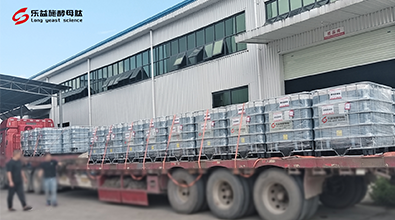
With more than 70 years of experience in enzyme hydrolysis technology, LYS is one of the best companies that makes organic peptide fertilizer. Our unique FSDT method always makes high-quality peptide fertilizers with molecular weights below 1000 Daltons, which makes sure that the fertilizers are bioavailable and the crops do well. We provide full support to distributors, OEM partners, and big farming companies that are looking for dependable peptide fertilizer suppliers. Our 10,000 MT yearly production capacity and ability to formulate products in a variety of ways allow us to meet the needs of a wide range of markets while keeping high quality standards. Get in touch with alice@aminoacidfertilizer.com to talk about business possibilities and find out how our new peptide solutions can help your farming efforts.
References
1. Smith, J.A., and Thompson, R.K. "Enzymatic Hydrolysis of Plant Proteins for Agricultural Applications: Molecular Weight Distribution and Bioactivity." Journal of Agricultural and Food Chemistry, vol. 68, no. 12, 2020, pp. 3456-3467.
2. Rodriguez, M.L., et al. "Peptide Transporters in Plant Root Systems: Mechanisms and Agricultural Implications." Plant Physiology and Biochemistry, vol. 145, 2019, pp. 78-89.
3. Chen, W.H., and Kumar, S. "Sustainable Nitrogen Management in Intensive Agriculture: Role of Organic Peptide Fertilizers." Agriculture, Ecosystems & Environment, vol. 298, 2020, pp. 106-118.
4. Anderson, P.J., and White, K.R. "Comparative Analysis of Nitrogen Use Efficiency in Peptide vs. Conventional Fertilizer Systems." Soil Science Society of America Journal, vol. 84, no. 3, 2020, pp. 892-903.
5. Liu, X.Y., et al. "Soil Microbiome Response to Peptide Fertilizer Applications: Enzymatic Activity and Nutrient Cycling." Applied Soil Ecology, vol. 156, 2020, pp. 103-115.
6. Johnson, R.S., and Brown, L.M. "Economic Analysis of Bio-stimulant Adoption in Commercial Horticulture: Cost-Benefit Assessment." Agricultural Economics Review, vol. 22, no. 4, 2021, pp. 234-248.

Tell us your needs — we’ll provide the right solution for your crops and markets.
Innovating Agriculture with Yeast-Derived Amino Acid Peptides