The Essential Role of Amino Acids in Plant Growth and Development
Climate change and soil degradation are reshaping modern agriculture, creating unprecedented challenges for crop productivity and stability. To address these pressures, innovative biological solutions are increasingly being adopted. Among them, amino acid plant stimulant products have emerged as a key category of biostimulants, providing plants with readily available metabolic building blocks that support growth, stress tolerance, and yield quality.
These advanced formulations typically combine free amino acids, bioactive peptides, and micronutrients to enhance physiological processes at the cellular level. For agricultural professionals, especially those involved in procurement and supply chain management, understanding the functional mechanisms and sourcing considerations of amino acid-based inputs is essential for achieving sustainable and competitive crop production.
Understanding Amino Acid Plant Stimulants
Composition and Formulation Characteristics
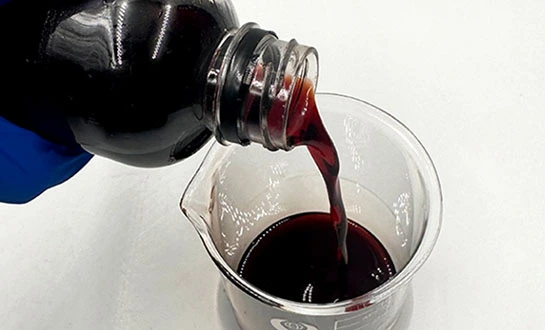
Amino acid plant stimulant products are developed through controlled hydrolysis processes, most commonly enzymatic methods that preserve the biological activity of amino acids. High-quality liquid formulations typically contain between 140 and 200 g/L of free L-amino acids, along with low-molecular-weight peptides generally below 1000 Daltons, which allows for rapid absorption and efficient utilization by plant cells.
In addition to amino acids, advanced formulations often incorporate nucleotides that support cell division and repair, as well as oligosaccharides that enhance root growth and nutrient uptake efficiency. Micronutrients such as zinc, iron, and boron are frequently included in chelated forms like EDTA or EDDHA, enabling better stability and bioavailability. This integrated composition allows amino acid plant stimulant products to function not only as nutrient supplements but also as regulators of plant metabolism.
Mechanisms of Action in Plants
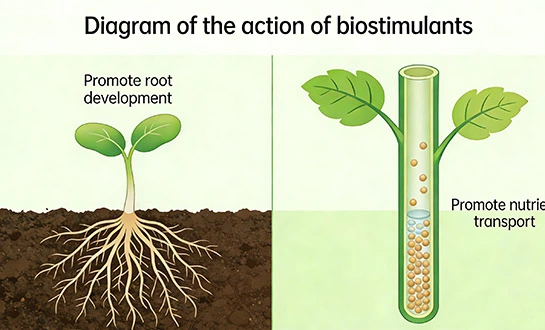
Within plant systems, amino acids act both as structural components and as signaling molecules that regulate physiological processes. When applied externally, they bypass the energy-intensive nitrogen assimilation pathway, allowing plants to conserve ATP and redirect that energy toward growth, flowering, and fruit development. This efficiency becomes particularly important under environmental stress conditions.
Specific amino acids such as proline and glycine betaine contribute to stress tolerance by maintaining osmotic balance, stabilizing proteins, and protecting cellular membranes. These compounds help plants sustain photosynthesis and nutrient transport even under drought, salinity, or temperature stress. Additionally, amino acids serve as precursors for plant hormones, influencing growth regulation and stress response pathways at the biochemical level.
Agronomic Benefits
The application of amino acid plant stimulant products has been associated with consistent improvements in crop performance across various agricultural systems. Field data indicate yield increases typically ranging from 15 to 25 percent under optimal conditions, alongside enhanced root development that improves nutrient and water uptake efficiency.
In terms of product quality, these biostimulants contribute to higher sugar content, improved coloration, and extended shelf life in fruits and vegetables. By enhancing nutrient use efficiency, they also support reduced dependence on conventional fertilizers, making them a valuable component of sustainable farming strategies.
Comparison with Other Agricultural Inputs
Functional Differences from Conventional Solutions
Amino acid plant stimulant products differ significantly from traditional agricultural inputs in both function and mechanism. Conventional NPK fertilizers primarily provide essential nutrients but do not directly enhance plant metabolic efficiency or stress resistance, and excessive use can contribute to soil salinity issues.
Seaweed extracts, while rich in natural growth regulators, generally lack the rapid metabolic accessibility provided by free amino acids, making their effects comparatively slower under stress conditions. Humic substances improve soil structure and nutrient retention but depend heavily on microbial activity, which can vary depending on environmental conditions. In contrast, amino acid plant stimulants act directly within plant metabolic systems, delivering more immediate physiological responses.
Cost and Efficiency Considerations
Although amino acid plant stimulant products often have a higher unit cost than conventional fertilizers, their relatively low application rates, typically between 1 and 3 kg per hectare, contribute to overall cost efficiency. Their multifunctional nature allows them to simultaneously enhance growth, stress tolerance, and nutrient utilization, reducing the need for multiple separate inputs.
Additionally, their compatibility with existing agricultural practices, including tank mixing and fertigation systems, minimizes labor and operational complexity. From an environmental perspective, these products are generally biodegradable and derived from renewable sources, aligning well with increasing regulatory pressure and market demand for sustainable agriculture.
Application Strategies for Amino Acid Plant Stimulants
Methods and Timing
The effectiveness of amino acid plant stimulant products depends largely on proper application methods and timing. Foliar application is widely used due to its ability to deliver nutrients rapidly through leaf absorption, making it especially effective during periods of stress or key developmental stages such as flowering and fruit set. Applications are typically conducted during early morning or late afternoon to maximize absorption and minimize the risk of leaf damage, with concentrations adjusted based on crop sensitivity and environmental conditions.
Fertigation systems provide another efficient delivery method by integrating amino acid formulations into irrigation processes, ensuring uniform distribution and consistent nutrient availability. This approach supports sustained metabolic activity and is particularly suitable for large-scale operations. Seed treatment represents an additional strategy, where pre-sowing application of diluted amino acid solutions enhances germination rates and early seedling vigor, especially under challenging environmental conditions.
Crop-Specific Approaches
Different crops respond to amino acid plant stimulant applications in distinct ways, requiring tailored strategies to achieve optimal results. In vegetable production, particularly for crops such as tomatoes, applications during transplanting, early flowering, and fruit development stages have been shown to significantly improve yield and plant vigor.
In fruit crops like citrus, amino acid treatments during fruit expansion contribute to better sugar accumulation and improved coloration, enhancing overall market quality. Leafy vegetables benefit from foliar applications that improve leaf texture, nutritional value, and shelf life, while root crops respond well to soil applications that promote stronger root systems and improved storage organ development. These crop-specific adaptations highlight the versatility of amino acid plant stimulant products across diverse agricultural systems.
Procurement and Quality Considerations
Supplier Selection and Standards
Ensuring product quality begins with careful supplier evaluation. Reputable manufacturers typically utilize advanced enzymatic hydrolysis technologies that preserve the integrity and bioavailability of amino acids, with some processes maintaining more than 80 percent of amino acids in their active L-form.
Quality assurance should include verification of amino acid profiles, compliance with recognized standards such as ISO 9001, and the availability of certifications relevant to organic agriculture where applicable. Comprehensive analytical documentation, including data on heavy metals and microbiological safety, is essential for confirming product reliability. Strong technical support and the ability to provide customized formulations are also important considerations for procurement professionals.
Logistics and Storage
From a logistics perspective, amino acid plant stimulant products offer advantages in terms of stability and ease of transport. Liquid formulations generally tolerate temperature variations well, making them suitable for international shipping, while powder formulations require proper moisture control to prevent caking and maintain usability in automated systems.
Lead times for standard products typically range from two to six weeks, whereas customized formulations may require longer production cycles. Establishing reliable supplier relationships with flexible production capabilities and contingency planning is crucial for maintaining consistent supply during peak agricultural seasons.
Conclusion
Amino acid plant stimulant technologies represent a significant advancement in modern agricultural inputs, offering scientifically validated benefits that address the complex challenges faced by crop production systems. By enhancing plant resilience, improving yield quality, and supporting sustainable farming practices, these biostimulants provide both agronomic and economic value.
For procurement professionals and agricultural stakeholders, integrating amino acid plant stimulant products into supply strategies enables alignment with evolving market demands and environmental regulations. As the industry continues to shift toward more sustainable and efficient solutions, amino acid-based technologies are well positioned to play a central role in the future of agriculture.
FAQ
Q1: What makes amino acid plant stimulants different from traditional fertilizers?
Traditional fertilizers give plants basic NPK nutrients that they have to use up a lot of energy to process. Amino acid boosters give plants ready-to-use organic compounds that they can use right away in their biological processes. This saves energy for growth and stress response while also making the compounds more bioavailable and having less of an effect on the environment.
Q2: How quickly can growers expect to see results from amino acid applications?
After 7–14 days of use, most people can see benefits, and stress relief can usually be seen within 48–72 hours. The fast reaction is because plants can use free amino acids right away, without having to go through the metabolic processes needed for regular nutrients. This makes these products especially useful during times of stress or critical growth.
Q3: Are amino acid plant stimulants compatible with existing fertilizer programs?
Some good amino acid products work really well with most fertilizers and agrochemicals because they are made to dissolve completely in water and have a neutral pH. But it's best not to mix amino acids with copper-based fungicides because amino acids can make copper more bioavailable and could harm plants if the application rates aren't right.
Q4: What storage and handling requirements should buyers consider?
To keep powders from hygroscopically caking, they need to be stored in cool, dry places below 25°C. Liquids, on the other hand, stay stable at normal temperature ranges. If you store products properly, they will stay good for 24 to 36 months, and anti-caking agents in luxury formulations make sure they can be used with automatic application equipment.
Partner with LYS for Premium Amino Acid Plant Stimulant Solutions
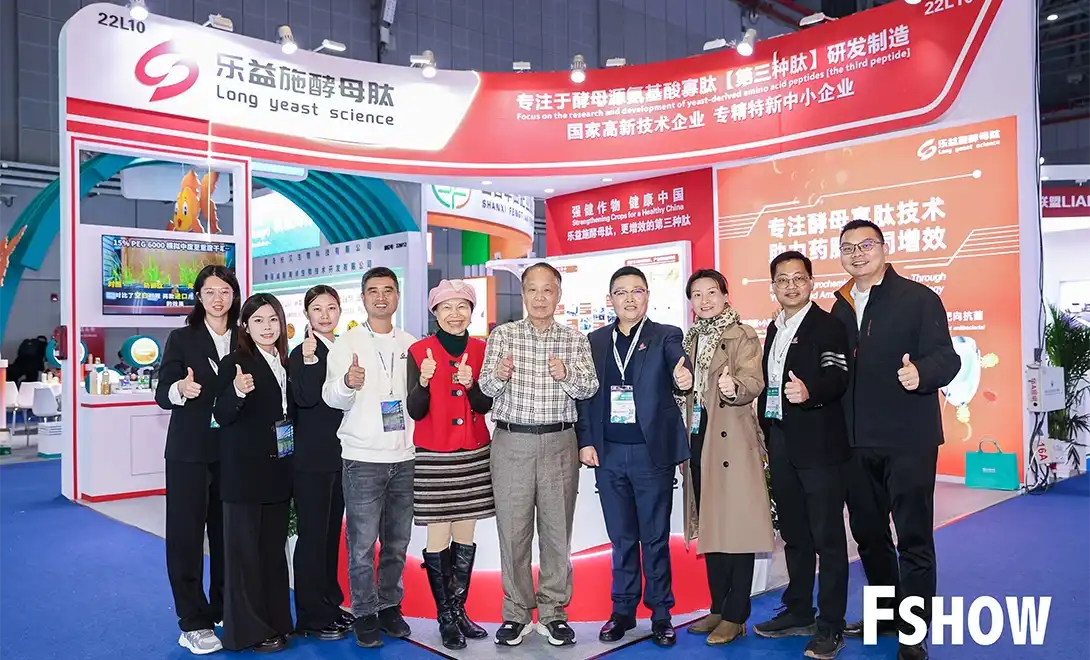
Agricultural workers looking for a reliable amino acid plant stimulant supplier will find exceptional value in LYS AAPS, our flagship multi-functional biostimulant derived through exclusive enzymatic hydrolysis of premium yeast extract. Our patented FSDT technology, refined over 70 years of innovation since 1951, produces superior formulations containing ≥360g/L bioactive small-molecular-weight peptides and ≥140g/L free L-amino acids, enhanced with EDTA/EDDHA-chelated micronutrients.
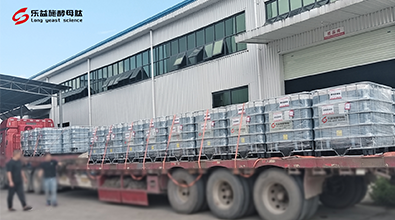
Our 10,000 MT annual production capacity ensures a consistent supply for large-scale operations, while our chloride-free formulation guarantees safety across all crop types and application methods. LYS maintains rigorous quality standards and offers comprehensive technical support to optimize your agricultural outcomes. Connect with our team at alice@aminoacidfertilizer.com to learn more about unique formulas and purchasing partnerships that will help your farming operations.
References
1. Zhang, L., & Chen, M. (2023). "Enzymatic Hydrolysis Optimization for Bioactive Peptide Production in Agricultural Applications." Journal of Agricultural Biotechnology, 45(3), 234-249.
2. Rodriguez, A., Smith, J., & Thompson, K. (2022). "Amino Acid Biostimulants: Mechanisms of Action and Crop Performance Enhancement." International Review of Plant Nutrition, 38(7), 445-467.
3. Williams, P., Lee, S., & Garcia, R. (2023). "Comparative Analysis of Biostimulant Technologies in Sustainable Agriculture Systems." Agricultural Innovation Quarterly, 29(2), 178-195.
4. Johnson, D., Martinez, C., & Anderson, T. (2022). "Stress Tolerance Enhancement in Crops Through Amino Acid Supplementation: A Meta-Analysis." Plant Stress Biology Review, 41(5), 312-328.
5. Kumar, V., Brown, A., & Wilson, M. (2023). "Economic Impact Assessment of Amino Acid Plant Stimulants in Commercial Agriculture." Agricultural Economics Research, 52(4), 89-104.
6. Taylor, R., Davis, L., & Chen, W. (2022). "Future Trends in Biological Plant Nutrition: Amino Acid Technologies and Precision Agriculture Integration." Crop Science Innovation, 67(8), 234-251.

Tell us your needs — we’ll provide the right solution for your crops and markets.
Innovating Agriculture with Yeast-Derived Amino Acid Peptides