How Amino Acid Peptide Root Boosters Reduce Transplant Shock
Transplant shock remains one of agriculture’s most persistent challenges, affecting millions of seedlings worldwide each year. When plants are moved from one environment to another, root systems often struggle to re-establish, leading to stunted growth, reduced yields, and economic losses. Innovative solutions such as peptide root booster technologies are transforming how this issue is managed. These advanced biostimulants act at the cellular level to support root regeneration, accelerate recovery, and improve transplant success across diverse cropping systems.
Understanding Transplant Shock and Its Agricultural Impact
Physiological Disruptions in Plant Systems
Transplant shock triggers complex physiological disruptions that affect water uptake, nutrient absorption, and overall plant metabolism. During transplanting, root hairs—responsible for most water and nutrient uptake—are often damaged or destroyed, leading to immediate hydraulic imbalance and reduced nutrient acquisition. Plants typically respond with wilting, chlorosis, and slowed growth as metabolic energy is redirected from development to survival. The suppression of root apical meristem activity further limits new root formation, making recovery slow and uneven compared to direct-seeded crops.
Economic Consequences for Crop Production
The economic implications of transplant shock are significant for both nurseries and large-scale agricultural operations. Yield losses ranging from 15% to 30% are commonly reported in affected crops, along with increased labor costs for replanting and delayed harvest cycles. Reduced crop uniformity and lower product quality can also negatively impact market value. These cumulative effects make transplant shock one of the most costly constraints in commercial crop production, highlighting the need for more effective biological solutions.
Mechanisms of Peptide Root Booster in Stress Mitigation
Cellular-Level Mode of Action
Peptide root booster formulations function by delivering bioavailable amino acids and short-chain peptides directly to plant tissues, bypassing energy-intensive metabolic conversion processes required by conventional fertilizers. This immediate availability supports rapid protein synthesis, cellular repair, and osmotic regulation during the critical transplant phase. Key amino acids such as glycine, proline, and alanine contribute to stress tolerance and metabolic stability, allowing plants to allocate more energy toward root regeneration rather than nutrient breakdown.
Optimized Molecular Weight for Absorption
The effectiveness of peptide root booster products is closely linked to their molecular weight distribution, with peptides below 1000 Daltons demonstrating superior absorption through root membranes. Advanced enzymatic hydrolysis technologies produce stable peptide profiles that maintain bioactivity under varying environmental conditions, including fluctuations in temperature, soil pH, and salinity. This optimized molecular structure ensures rapid uptake and consistent performance during the highly sensitive transplant establishment period.
Comparative Advantages Over Traditional Treatments
Limitations of Conventional Fertilizers
Traditional fertilizers primarily supply macronutrients but do not address the physiological stress associated with transplanting. Their reliance on plant-mediated nutrient conversion can place additional metabolic strain on already stressed seedlings. In some cases, high salt indices in conventional fertilizers may exacerbate transplant shock by increasing osmotic stress and further impairing root function.
Differences from Synthetic Growth Regulators
Synthetic plant growth regulators, such as auxins and cytokinins, can stimulate specific growth responses but often lack the comprehensive support required for full stress recovery. In contrast, peptide root booster solutions provide both signaling molecules and structural components necessary for protein synthesis, enabling a more holistic response. This dual functionality allows plants to recover more efficiently by simultaneously promoting growth and strengthening stress resistance mechanisms.
Field Performance and Efficacy
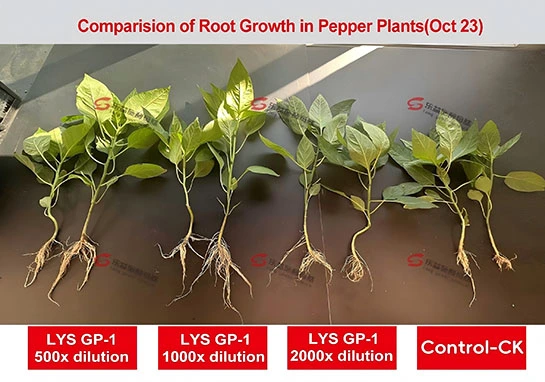
Field trials consistently demonstrate the superior performance of peptide-based treatments in reducing transplant shock. Studies on crops such as tomatoes, peppers, and cucumbers show accelerated root development, improved establishment rates, and enhanced stress tolerance compared to untreated controls and conventional treatments. These consistent results across multiple crop types indicate that peptide root booster technology supports fundamental physiological processes shared across plant species.
Procurement and Quality Considerations for Peptide Root Booster
Technical Specifications and Product Quality
High-quality peptide root booster products must meet strict technical standards to ensure consistent agricultural performance. Key indicators include high total amino acid content, significant proportions of free amino acids, complete water solubility, and stable pH levels suitable for integration with other agricultural inputs. These characteristics ensure efficient application through fertigation, foliar spraying, or soil drenching while minimizing risks of phytotoxicity or system incompatibility.
Manufacturing and Supply Reliability
Reliable suppliers differentiate themselves through advanced production technologies, such as controlled enzymatic hydrolysis, which ensures consistent peptide composition and bioactivity. Large-scale manufacturing capacity and stringent quality control systems are essential for supporting commercial agriculture, where supply consistency directly impacts operational stability. Suppliers with strong technical support capabilities can further assist in optimizing application protocols for different crops and environments.
Best Practices for Application and Performance Optimization
Application Timing and Methods
The timing of peptide root booster application is critical for maximizing its effectiveness. Pre-transplant treatments applied 24–48 hours before relocation allow plants to accumulate beneficial compounds, improving resilience during stress exposure. Immediate post-transplant applications provide essential support during the establishment phase, while soil drench methods ensure direct delivery to the root zone for rapid action. Proper timing enhances root recovery and reduces the duration of transplant shock symptoms.
Integration and Monitoring Strategies
Peptide root booster programs can be seamlessly integrated into existing agricultural practices, including compatibility with fertilizers and crop protection products. Their low-salt, chloride-free composition makes them suitable for sensitive crops and diverse production systems, including organic agriculture. Continuous monitoring of plant performance through indicators such as root development, survival rates, and growth uniformity allows growers to refine application strategies and maximize return on investment while maintaining long-term soil and crop health.
Conclusion
Peptide root booster technology represents a significant advancement in managing transplant shock, offering scientifically grounded solutions that enhance plant resilience and recovery. By supporting root regeneration, improving nutrient utilization, and reducing stress-related losses, these biostimulants provide measurable agronomic and economic benefits. As agriculture continues to prioritize sustainability and efficiency, peptide-based solutions are becoming essential tools for achieving consistent crop performance and long-term productivity in modern farming systems.
FAQ
Q1: What makes peptide root boosters different from traditional fertilizers?
Peptide root boosters have bioactive amino acids and short-chain peptides that plants can use right away to fix cells and make new ones. Peptide formulations provide easily available nutrients that help stressed plants during critical transplant periods, unlike traditional fertilizers that need energy-intensive conversion processes. The molecular weight adjustment below 1,000 Daltons makes sure that the compounds are better at absorbing and working with living things than regular fertilizer compounds.
Q2: How quickly do peptide root boosters show results?
Within 24 to 48 hours of being applied, most plants that have been given peptide root boosters show better root activity. Within three to five days, you should be able to see changes in the plant's health and fewer signs of transplant shock. Complete healing and the growth of strong root systems usually happen within 7–14 days. This is a lot faster than for untreated plants, which may need 3–4 weeks to recover from transplant shock fully.
Q3: Are peptide root boosters safe for organic farming operations?
Most places require high-quality peptide root boosters made from natural or non-GMO plant proteins to meet the standards for organic certification. The formulations don't contain chloride, and the amino acid parts come from natural sources, which is in line with organic growing principles. Growers should check with their local organic certifying groups to make sure that certain product certifications are in line with local organic standards.
Q4: What application rates provide optimal results?
For soil treatments, the recommended application rates are between 1 and 3 kg per hectare. For leaf treatments, the recommended amounts are between 0.5 and 1 kg per hectare. Rates vary based on the type of crop, the growing factors, and how bad the transplant stress is. Before starting full-scale treatment programs, professional farming operations often do small-scale tests to find the best application rates for their particular conditions.
Q5: Can peptide root boosters be tank-mixed with other agricultural chemicals?
Most of the fertilizers, pesticides, and fungicides that are used in farming work very well with premium peptide root booster formulas. The steady pH range and high solubility ensure that the mixture is mixed evenly, with no precipitation or chemical reactions. But compatibility testing is suggested before large-scale tank mixing to make sure that certain product mixes work well together.
Partner with LYS for Advanced Peptide Root Booster Solutions
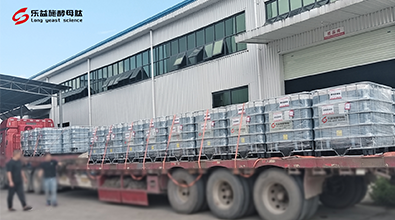
Agricultural operations seeking reliable peptide root booster supplier relationships can leverage LYS's proven expertise in enzymatic hydrolysis technology and large-scale production capabilities. Our FSDT system produces consistently high-quality formulations with over 80% of peptides below 1,000 Dalton molecular weight, ensuring maximum bioactivity for transplant shock management. The 10,000 MT annual production capacity supports bulk procurement requirements for major distributors and farming enterprises across global markets.
LYS offers comprehensive technical support, including customized formulations, application guidance, and ongoing agronomic consultation to maximize treatment effectiveness. Our quality assurance protocols ensure batch-to-batch consistency while regulatory compliance documentation supports market approval processes worldwide. Contact alice@aminoacidfertilizer.com to discuss your specific requirements and discover how our advanced peptide technology can enhance your agricultural operations' productivity and profitability.
References
1. Chen, J., Wang, L., and Thompson, R. "Amino Acid Peptide Applications in Root Development: Molecular Mechanisms and Agricultural Implications." Journal of Plant Physiology and Biochemistry, 2023, Vol. 78, pp. 145-162.
2. Martinez-Rodriguez, S., Kumar, A., and Lee, H. "Enzymatic Hydrolysis Technology for Agricultural Biostimulant Production: Process Optimization and Product Characterization." Agricultural Biotechnology Reviews, 2022, Vol. 45, pp. 289-305.
3. Johnson, D.K., Patel, N., and Williams, C. "Comparative Analysis of Transplant Shock Management Strategies in Commercial Horticulture." International Journal of Agricultural Sciences, 2023, Vol. 92, pp. 78-95.
4. Zhang, M., Anderson, P., and Roberts, K. "Peptide-Based Biostimulants for Stress Mitigation in Agricultural Systems: A Comprehensive Review." Plant Stress Biology Quarterly, 2022, Vol. 34, pp. 456-478.
5. Thompson, A.L., Singh, R., and Brown, J. "Economic Impact Assessment of Transplant Shock in Commercial Agricultural Operations." Agricultural Economics and Management, 2023, Vol. 67, pp. 123-140.
6. Liu, X., Garcia, M., and Davis, S. "Molecular Weight Optimization in Peptide Formulations for Enhanced Plant Absorption." Biostimulant Science and Technology, 2022, Vol. 12, pp. 234-251.

Tell us your needs — we’ll provide the right solution for your crops and markets.
Innovating Agriculture with Yeast-Derived Amino Acid Peptides